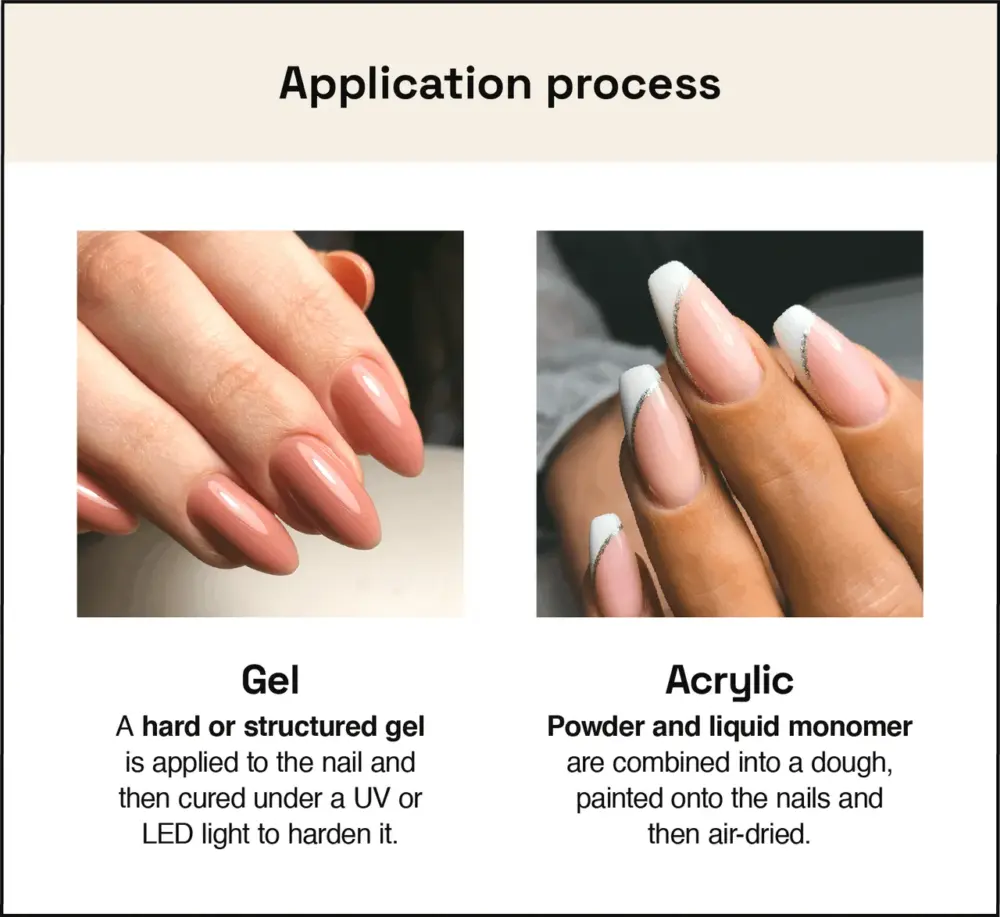
Gel and acrylic nails offer distinct aesthetics and application processes; gel nails provide a glossy, natural look while acrylics are known for their strength and versatility. Each type caters to different preferences and lifestyle needs.
Understanding the health implications of gel and acrylic nails is crucial for informed choices; gel nails typically cure under UV light, raising concerns about UV exposure, whereas acrylics release strong fumes during application. Proper ventilation and professional application are essential for minimizing risks.
Both gel and acrylic nails enjoy widespread popularity, but current trends indicate a rising preference for gel nails due to their natural appearance and flexibility. Acrylics remain a staple for dramatic length and intricate designs.
When considering potential damage, gel nails are often perceived as less damaging due to their flexibility, while improper removal of acrylics can lead to significant nail plate trauma. Proper application and removal techniques are vital for maintaining nail health. To delve deeper into these differences, Barber Tall explores the fundamental distinctions in appearance, durability, and removal methods between gel and acrylic nails.
What are the fundamental differences in appearance between gel and acrylic nails?
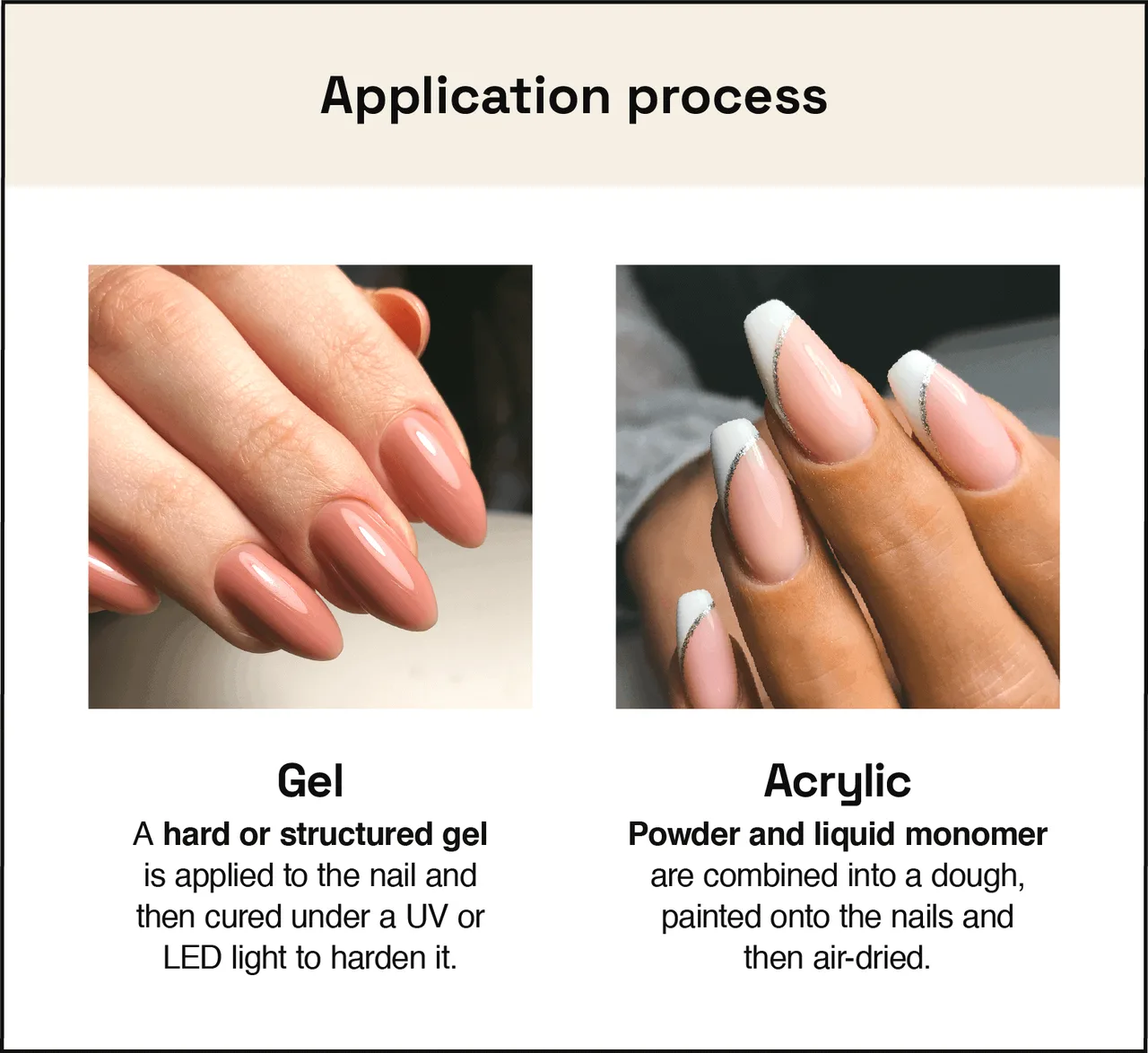
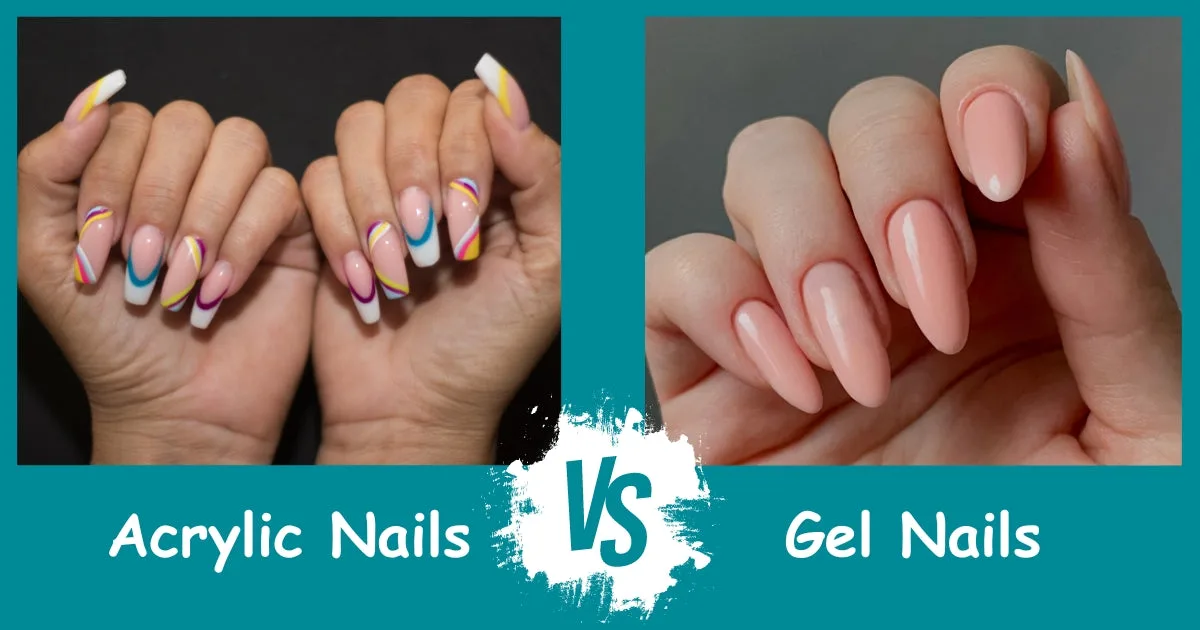
Gel nails present a high-gloss, natural appearance with a thinner profile, while acrylic nails offer a thicker, more opaque finish often used for dramatic styling. These distinct visual characteristics significantly influence the overall aesthetic achieved with each option. Understanding these differences helps in selecting the desired look. Gel nails are favored for their inherently glossy sheen that mimics natural nails, and their flexible composition allows for a more subtle, less bulky feel. In contrast, acrylic nails provide a robust, often thicker layer, making them ideal for elaborate designs and extended lengths that require substantial structural integrity.
Is there a noticeable difference in the natural look of gel versus acrylic nails?
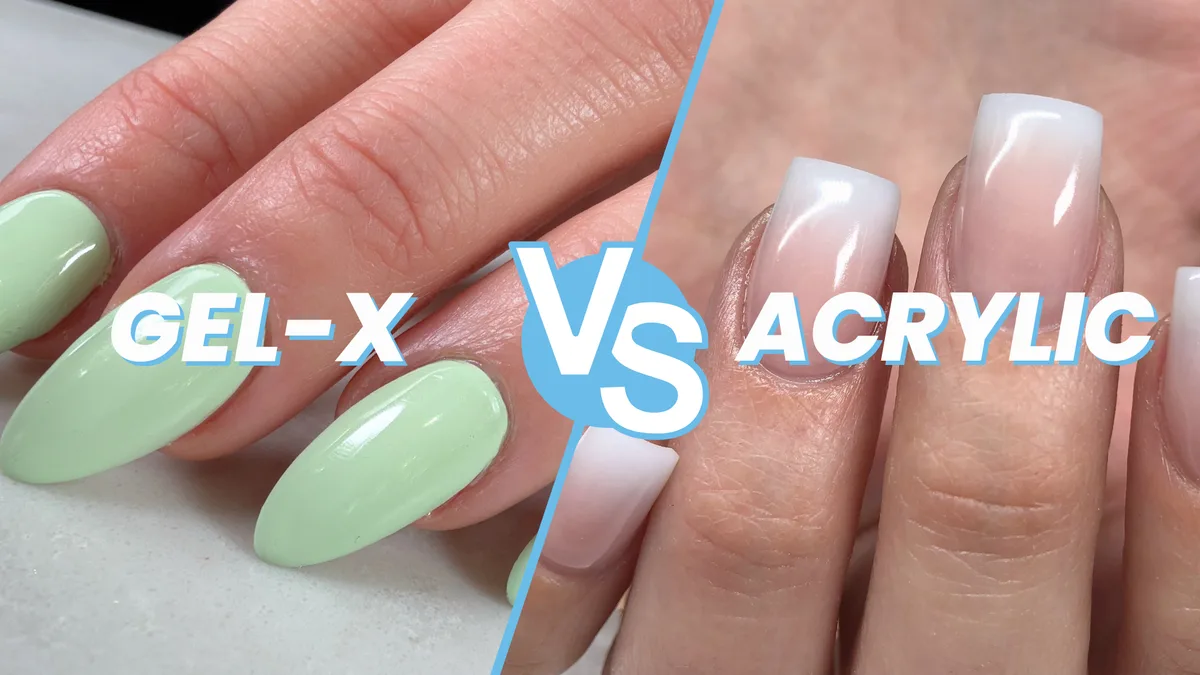
Yes, there is a noticeable difference in the natural look of gel versus acrylic nails. This distinction primarily stems from their inherent properties and application methods. Gel nails inherently offer a more natural and flexible appearance, closely mimicking the look and feel of natural nails due to their thinner application and glossy finish. In contrast, acrylic nails tend to appear thicker and more rigid, providing a less natural aesthetic, especially when applied with significant length or elaborate designs.
How do gel and acrylic nails compare in terms of shine and finish?
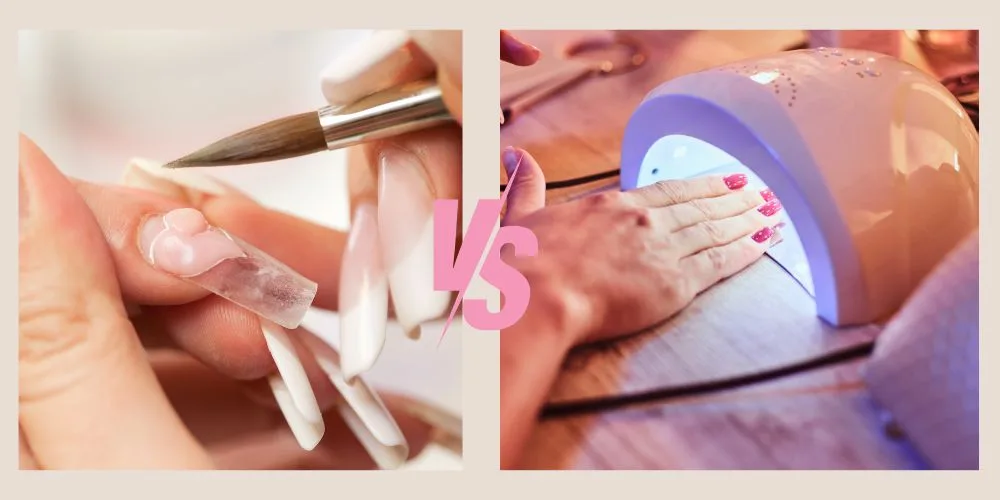
Gel nails are characterized by a naturally high-gloss finish, while acrylic nails typically present a more opaque, sometimes duller finish that often requires a top coat for shine. These distinct finishes contribute significantly to their overall aesthetic appeal and maintenance requirements. Gel nails inherently possess a glass-like sheen, offering a polished look without additional effort. In contrast, acrylic nails, when unpolished, can appear less lustrous; therefore, a high-gloss top coat is frequently applied to achieve a comparable level of shine and provide an extra layer of protection.
How do gel and acrylic nails compare in terms of durability and longevity?
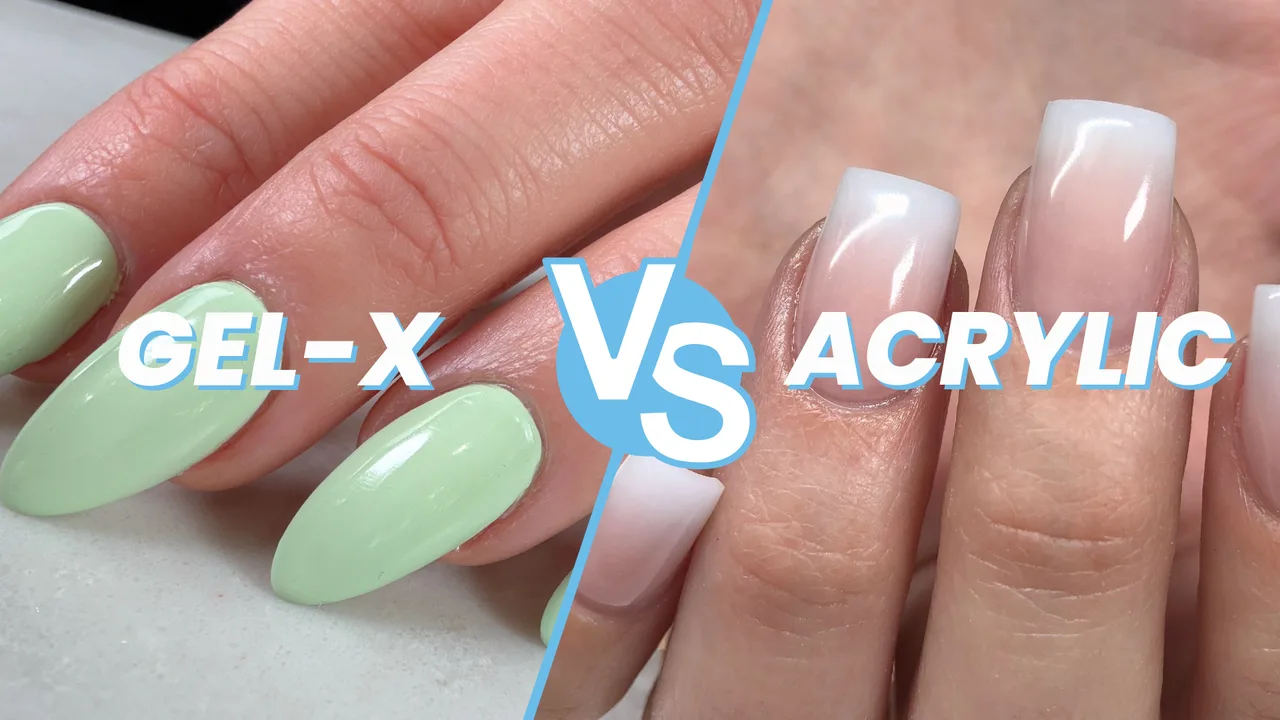
Gel nails generally offer a more flexible and chip-resistant wear, lasting around 2-3 weeks, while acrylic nails provide superior strength and durability for up to 3-4 weeks, especially for extended lengths and intricate designs. Both types exhibit distinct levels of resilience against daily wear and tear. Understanding their inherent strengths and weaknesses helps in choosing the best option for longevity and maintenance. Gel nails maintain their integrity with less chipping due to their pliable nature, while acrylics are less prone to breaking because of their robust structure.
Which type of nail, gel or acrylic, is generally more prone to chipping or breakage?
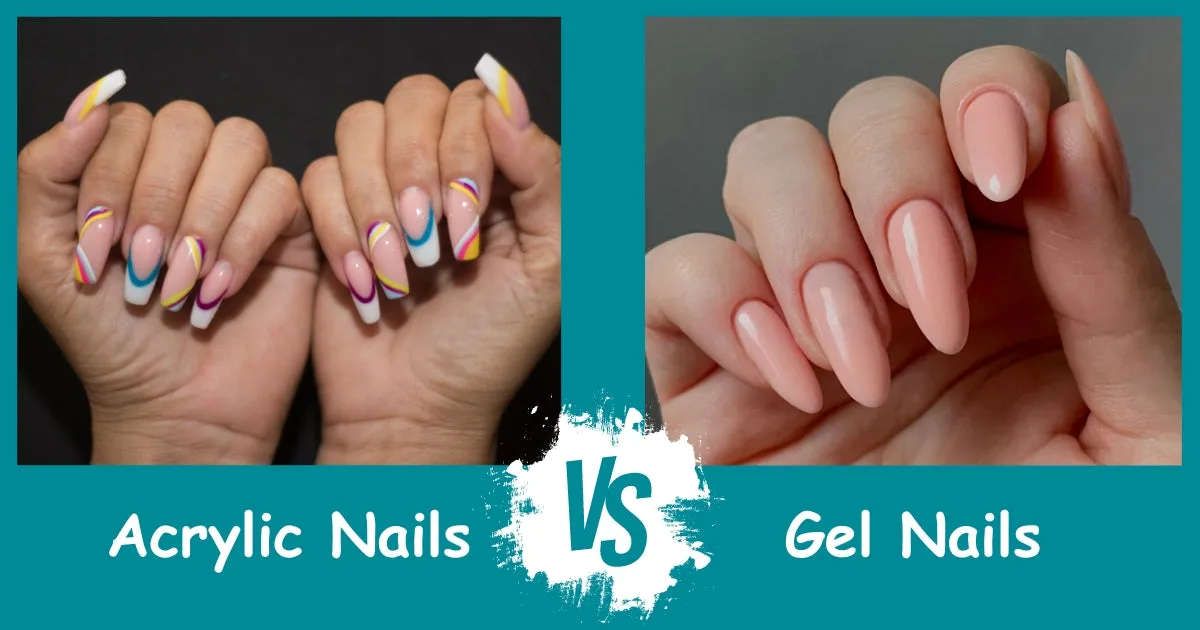
Gel nails are generally more prone to chipping, while acrylic nails are more susceptible to breakage. This distinction arises from their inherent material properties and flexibility. Gel nails, being more flexible, tend to chip when subjected to impact or stress, particularly at the free edge. In contrast, the rigid nature of acrylic nails makes them more prone to cracking or breaking entirely under strong impact, especially with extended lengths. The pliability of gel nails allows them to bend rather than snap, reducing the likelihood of a full break, whereas the hardness of acrylics, while providing strength, sacrifices some resilience against sudden, forceful trauma.
What is the typical longevity of gel nails versus acrylic nails?
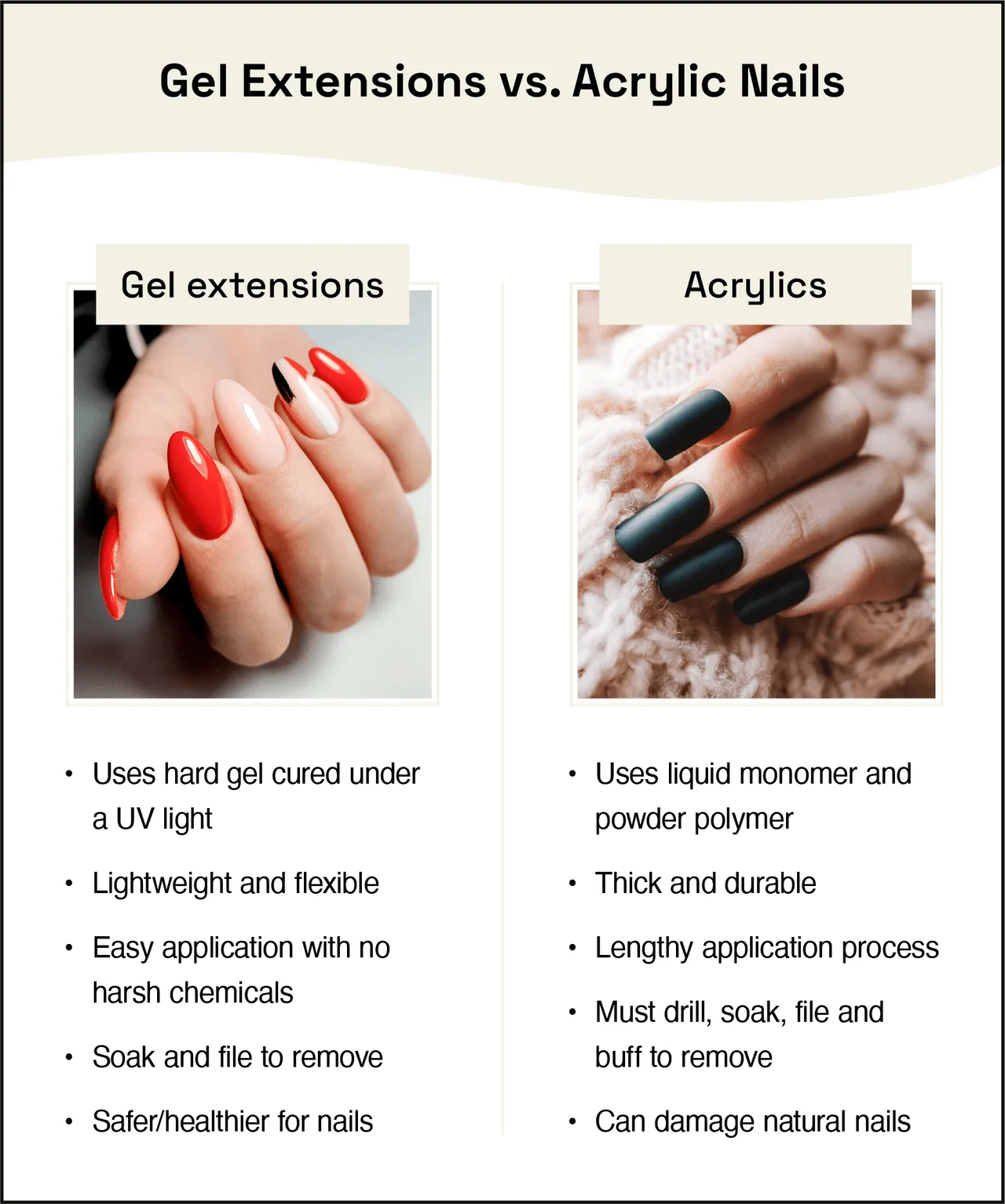
Gel nails typically last around 2-3 weeks, while acrylic nails generally maintain their appearance for 3-4 weeks. These lifespans are influenced by various factors that impact their durability. Maximizing the wear of both gel and acrylic nails depends on proper application, aftercare, and individual lifestyle. Gel nails’ flexibility contributes to their chip resistance, allowing them to last well for a few weeks before needing a fill or removal. Acrylic nails, known for their strength, offer extended longevity, making them suitable for longer wear periods and intricate designs. Factors such as nail growth rate, daily activities, and adherence to proper nail care routines significantly affect how long either type remains intact and aesthetically pleasing. Regular fills and proper removal techniques are crucial for extending their wear and maintaining nail health.
What are the primary methods for removing gel and acrylic nails, and how do they differ?
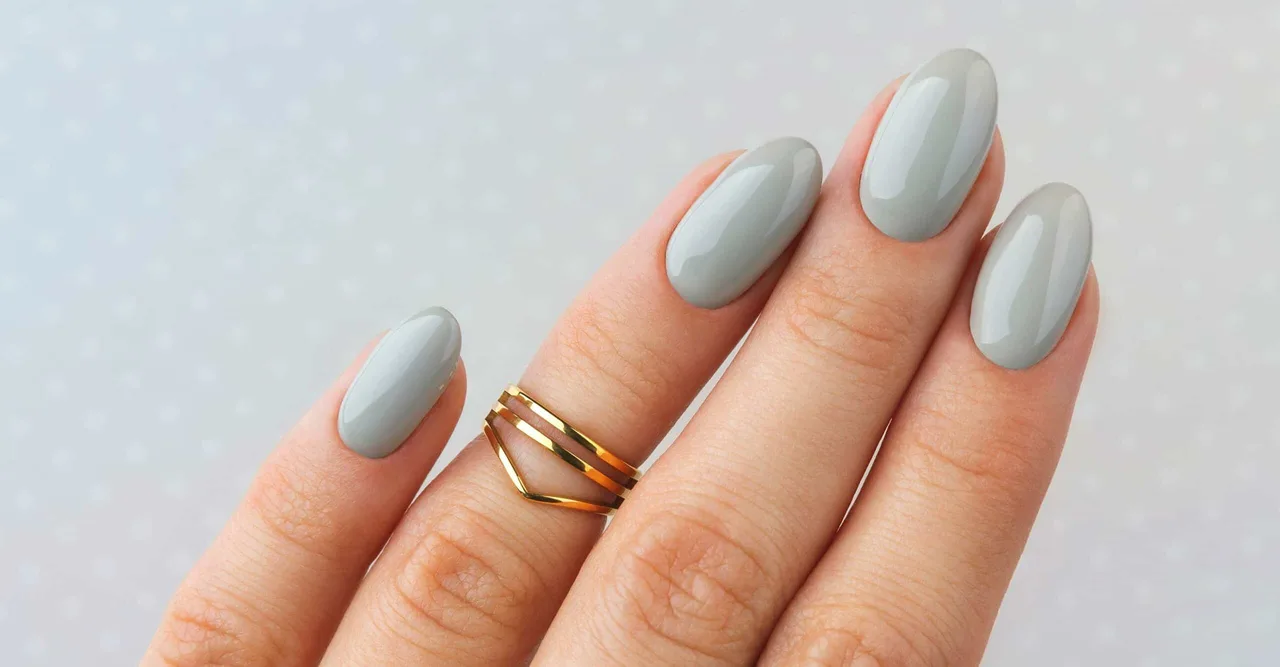
Gel nails are typically removed by soaking in acetone or filing, while acrylic nails require a more extensive soaking process, often with filing, to break down their tougher composition. These distinct removal processes vary significantly in technique, time required, and their potential impact on natural nails. Understanding these differences helps ensure proper removal and minimize damage to the underlying nail plate.
Are there different removal methods for hard gel versus soft gel nails?
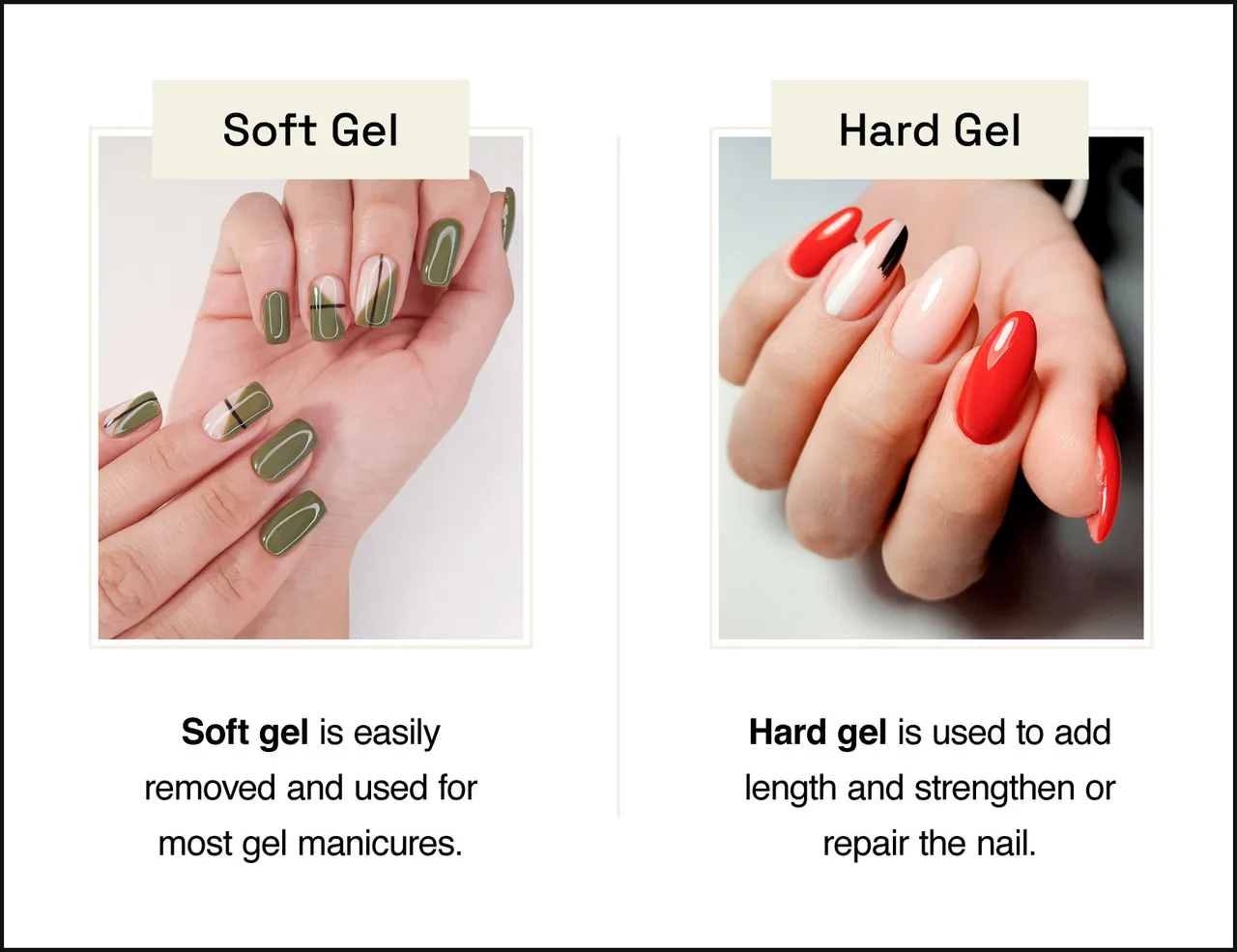
Yes, there are different removal methods for hard gel versus soft gel nails, primarily based on their chemical composition and adhesion to the natural nail. These variations directly impact the required technique and time for safe and effective removal. Hard gels necessitate filing because they are not porous enough to be dissolved by acetone, forming a rigid layer. In contrast, soft gels (often referred to as soak-off gels) are designed to be permeable, allowing them to break down and lift away after soaking in acetone. This fundamental difference in their material science dictates the approach to their removal, with hard gels requiring mechanical abrasion and soft gels relying on chemical dissolution for detachment from the nail plate.
What are the key steps involved in safely removing acrylic nails?
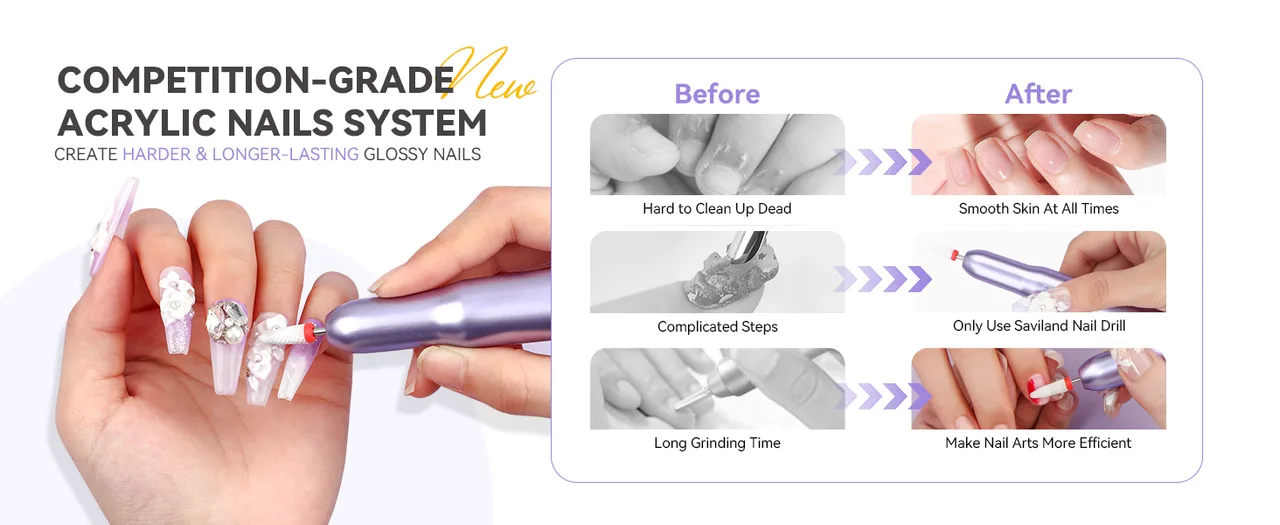
Safely removing acrylic nails involves a multi-step process, beginning with filing down the top layer and concluding with a careful soaking and gentle removal to protect the natural nail. This methodical approach minimizes damage and maintains nail health. Proper acrylic nail removal requires patience and adherence to specific techniques, ensuring the underlying nail plate remains intact and healthy.
What are the potential health implications and risks associated with gel and acrylic nail applications?
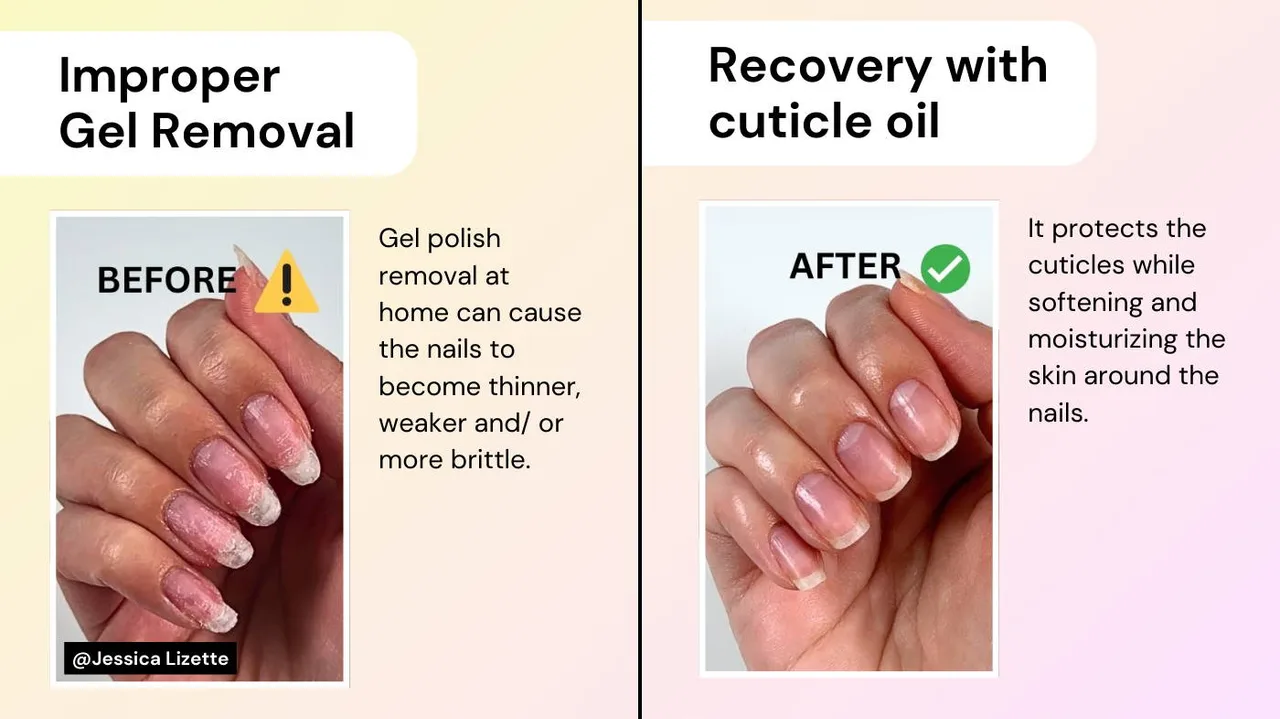
Gel and acrylic nail applications carry potential health implications, including allergic reactions, nail damage, and chemical exposure, necessitating careful consideration for nail health. Understanding these concerns helps individuals make informed decisions about their nail care. Both types of nail enhancements present specific risks that warrant attention during application and removal processes.
Can gel or acrylic nail application lead to allergic reactions?
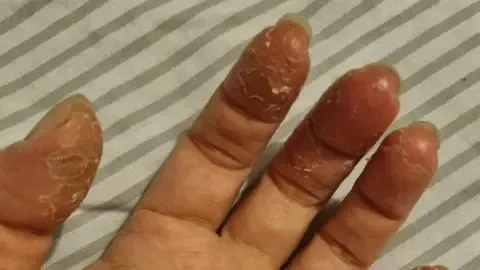
Yes, gel and acrylic nail application can lead to allergic reactions due to various ingredients in their respective products. These reactions stem from contact with specific chemicals. Understanding common allergens and their symptoms helps in identifying and preventing such reactions. Both gel and acrylic systems contain monomers, acrylates, and other sensitizing agents that can trigger immune responses in susceptible individuals. Proper preparation and application by trained professionals minimize skin contact, reducing the risk of sensitization.
What are the common types of damage to natural nails from gel and acrylic applications?
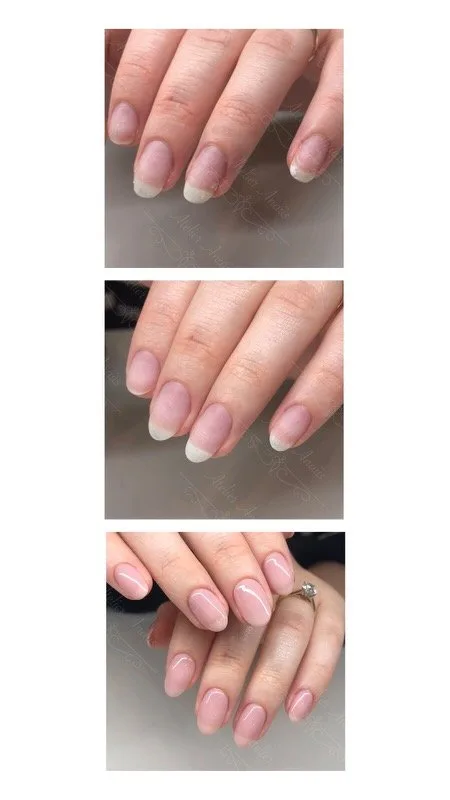
Gel and acrylic applications cause nail damage including thinning, brittleness, and fungal infections, primarily due to improper application or removal techniques. These issues highlight the importance of careful handling during nail enhancement processes. Understanding the specific ways natural nails can be compromised by these applications allows for better preventative measures and appropriate aftercare. Both gel and acrylics, when mishandled, can weaken the nail plate, making it more susceptible to various forms of damage that affect both appearance and health.
Do gel or acrylic nail applications pose any long-term health risks?
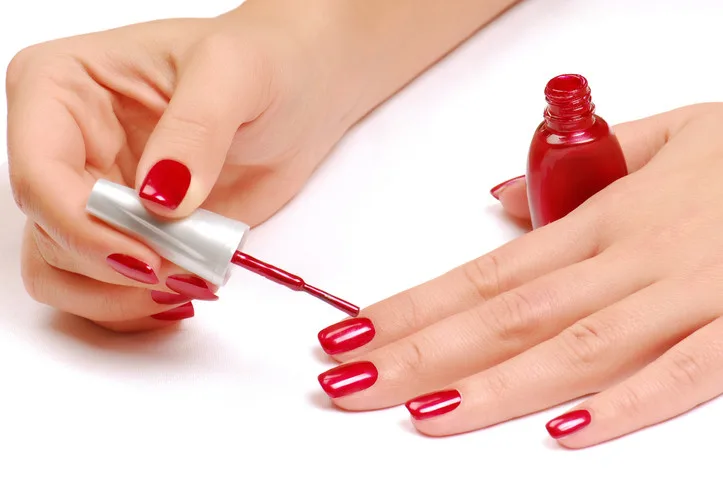
Yes, gel and acrylic nail applications can pose long-term health risks, including chronic allergic reactions, persistent nail plate thinning, and an increased susceptibility to fungal or bacterial infections with prolonged use. These risks arise primarily from repeated chemical exposure and potential damage during application and removal. Long-term health considerations associated with consistent gel and acrylic nail use include potential sensitization to acrylates, which can manifest as contact dermatitis that worsens over time, and the cumulative impact of aggressive filing and chemical exposure leading to weakened natural nails. Moreover, unaddressed lifting of the nail enhancement creates ideal conditions for moisture and pathogens, fostering chronic infections.
What are the current popularity and trends in gel versus acrylic nail enhancements?
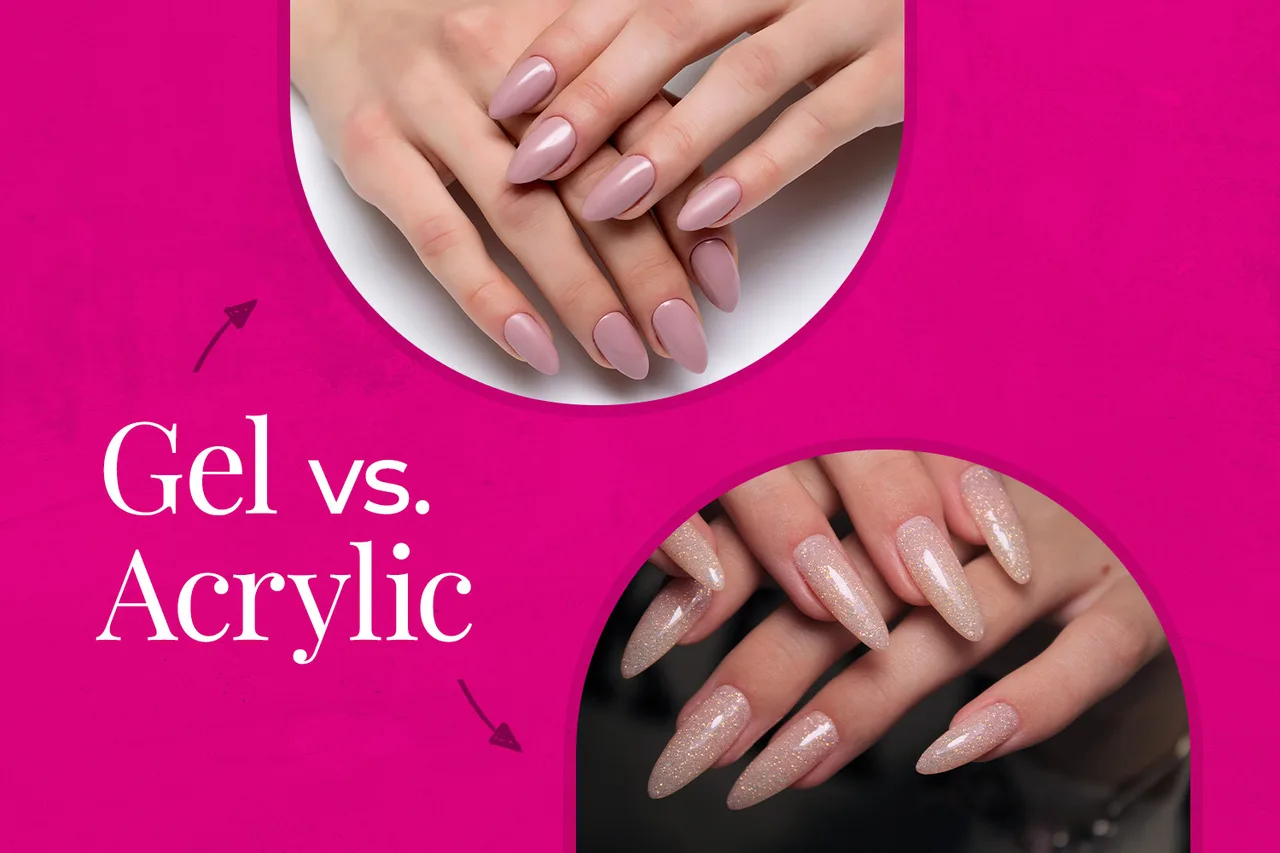
Gel nail enhancements currently dominate the market, favored for their natural aesthetic and flexibility, while acrylics maintain a steady demand for their strength in creating dramatic lengths. These distinct preferences shape consumer choices and market trends. The shift towards gel nails reflects a growing demand for less rigid, more natural-looking enhancements. Acrylics continue to appeal to a specific segment seeking robust and highly customizable nail art.
Are gel nails currently more popular than acrylic nails in the beauty industry?

Yes, gel nails are currently more popular than acrylic nails in the beauty industry due to their natural appearance, flexibility, and reduced curing time. This shift reflects evolving consumer preferences for aesthetics and application convenience. Gel nails’ increasing popularity is attributed to their ability to provide a high-gloss, natural-looking finish that closely mimics healthy natural nails. Their flexible composition makes them less prone to chipping and breakage, offering a more resilient wear for daily activities. Furthermore, the curing process under UV or LED light is often quicker than the air-drying required for acrylics, contributing to a more efficient application time for both technicians and clients.
What emerging trends are shaping the future of gel and acrylic nail designs?

Emerging trends in gel and acrylic nail designs include advancements in new techniques, intricate designs, and innovative artistry. These innovations continually reshape the nail industry, offering diverse aesthetic possibilities. The evolution of nail art focuses on pushing creative boundaries, integrating advanced materials and application methods to achieve unique visual effects. Nail technicians increasingly utilize techniques such as encapsulation, 3D art, and specialized texturing, creating multi-dimensional and tactile designs. These trends combine traditional craftsmanship with modern artistic expression, catering to a broad spectrum of client preferences.
Which type of nail enhancement, gel or acrylic, is generally considered to cause more damage to natural nails?
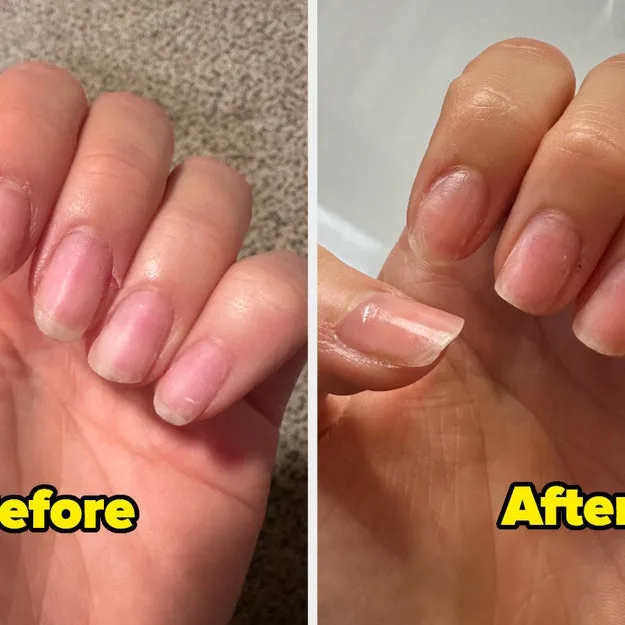
Acrylic nails are generally considered to cause more damage to natural nails than gel nails, primarily due to their more aggressive application and removal processes. This distinction arises from the inherent differences in their material composition and how they interact with the natural nail plate. Understanding these factors helps in assessing the potential for harm to natural nails from both enhancement types.
Does the application process of gel versus acrylic nails contribute differently to nail damage?
The application process of gel and acrylic nails contributes differently to nail damage due to variations in their chemical composition and application techniques. This distinction highlights how each method uniquely impacts nail health. Gel nails often involve curing under UV or LED light, a process that can expose the skin and nail plate to UV radiation, potentially leading to long-term concerns. In contrast, acrylic application typically involves strong chemical fumes from the monomer liquid, which can cause respiratory irritation and allergic reactions for both clients and technicians. The aggressive filing required for acrylic removal also frequently causes more significant trauma to the natural nail plate compared to the soaking methods often used for gel removal.
How does proper removal minimize damage for gel versus acrylic nails?
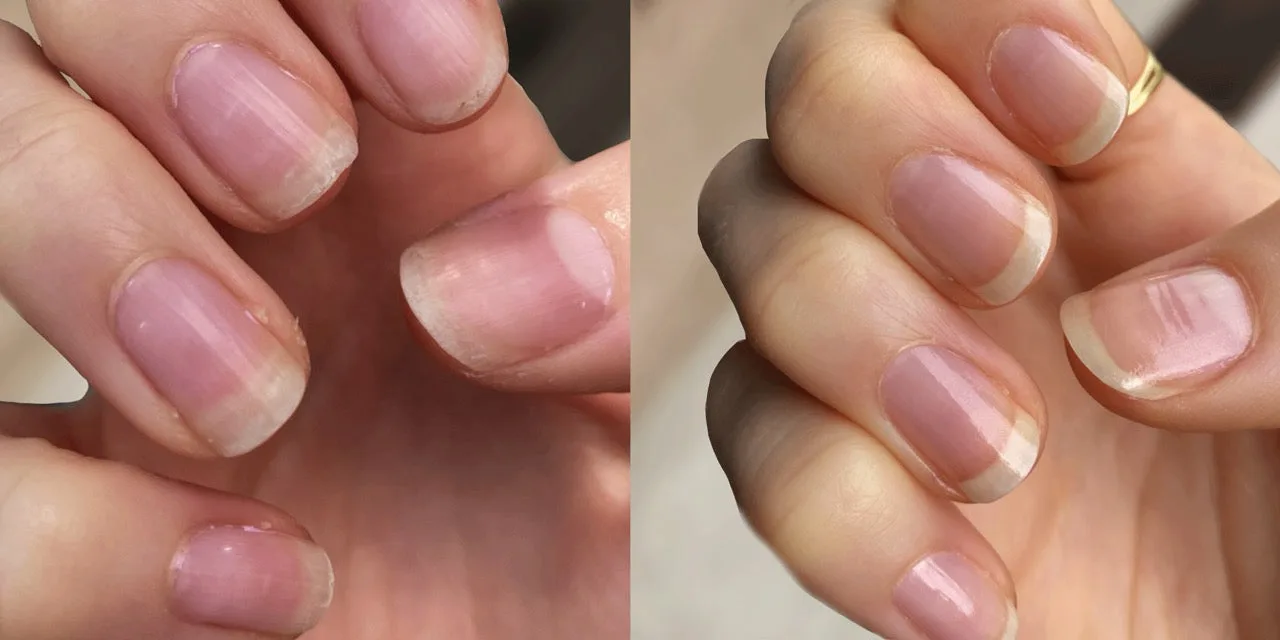
Proper removal minimizes damage for gel and acrylic nails by adhering to specific techniques tailored to each material, preserving the natural nail plate. This distinction is crucial for maintaining nail health. For gel nails, gentle filing of the topcoat followed by soaking in acetone helps dissolve the gel without excessive scraping. In contrast, acrylic nails require a more thorough soaking in acetone, often combined with careful filing, to break down their tougher structure. Ensuring the natural nail is not aggressively filed or pried during either process prevents trauma and reduces the risk of thinning or weakening the nail plate.
What are the distinct chemical compositions of gel versus acrylic nail systems?
Gel and acrylic nail systems possess distinct chemical compositions; gel nails primarily consist of oligomers that cure under UV/LED light, while acrylic nails are formed by a polymer powder and a liquid monomer. These fundamental differences dictate their application, durability, and removal processes. Understanding the unique chemical makeup of each system provides insight into their performance characteristics and potential interactions with the natural nail.
How do the monomers and polymers in acrylics differ from those in gel systems?
The monomers in acrylic systems polymerize into a hard, durable plastic, while gel systems utilize oligomers that cure into a flexible, gel-like substance under UV/LED light. These fundamental chemical distinctions drive their unique characteristics and application methods. Acrylics rely on a liquid monomer mixing with a polymer powder to create a strong, rigid material through a chemical reaction. In contrast, gel nails use oligomers and photoinitiators that harden when exposed to specific wavelengths of light, resulting in a more elastic and glossy finish.
What role do photoinitiators play in gel nail curing, and are they present in acrylics?
Photoinitiators initiate the curing process in gel nails by absorbing UV/LED light and creating free radicals, while they are not present in acrylic systems. These specialized compounds are crucial for the hardening of gel formulations. Photoinitiators specifically activate the chemical reaction that converts liquid gel into a solid, durable layer upon exposure to appropriate light wavelengths. In contrast, acrylics harden through a chemical reaction between a liquid monomer and a polymer powder, a process that does not require light or photoinitiators for polymerization.
Conclusion
Ultimately, while both gel and acrylic nails offer distinct benefits, the choice between them hinges on individual preferences for appearance, durability, and health considerations. Gel nails provide a natural, flexible, and glossy finish with rising popularity, whereas acrylics excel in strength and versatility for dramatic designs. Understanding their unique chemical compositions, application methods, removal processes, and potential long-term impacts is crucial for informed decision-making and maintaining optimal nail health.