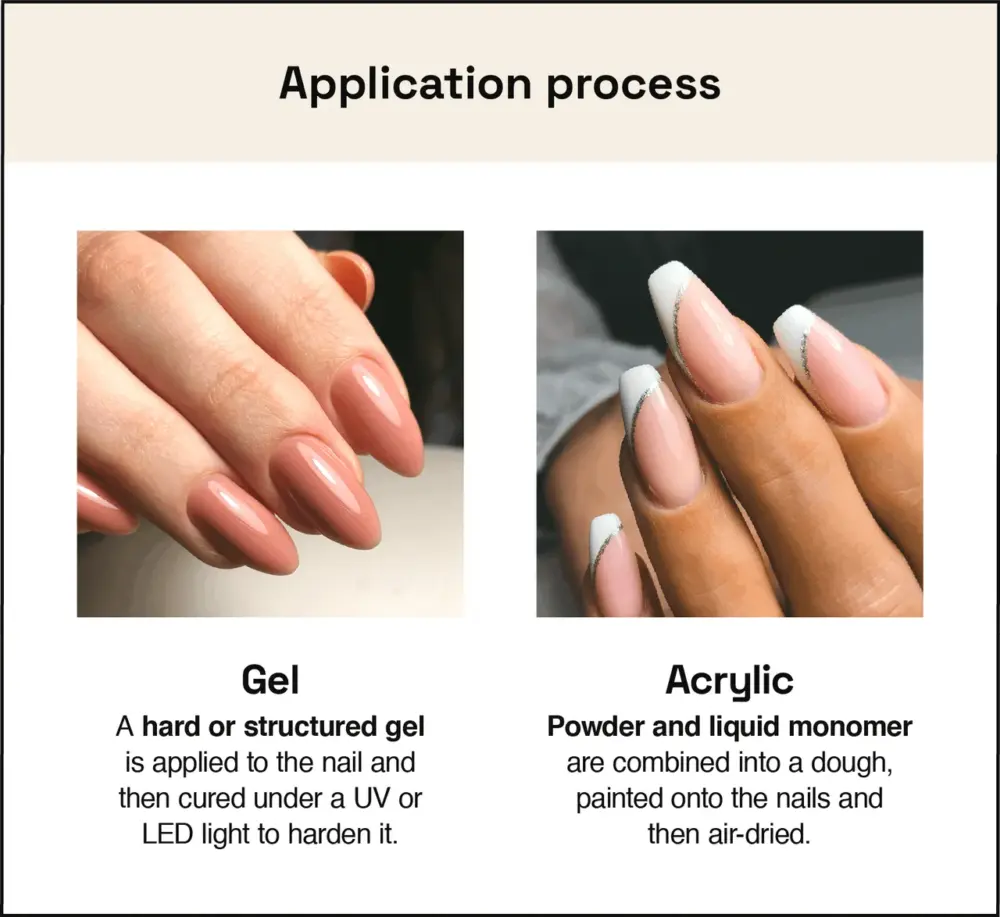
Gel and acrylic false nails are two popular options for enhancing nail aesthetics and durability, each with distinct characteristics in chemical composition, application methods, durability, aesthetic appeal, and impact on nail health. These two widely used nail enhancements offer distinct benefits and considerations, making the choice between them a significant decision for many individuals seeking to elevate their nail game. Understanding the core differences is key to making an informed choice. Our detailed comparison will explore these aspects in depth.
When evaluating gel versus acrylic false nails, each type presents unique advantages and disadvantages. Gel nails are often praised for their natural look and flexibility, along with their odorless application process. They tend to offer a more glossy finish. In contrast, acrylic nails are known for their exceptional durability and strength, making them a preferred choice for those seeking a very robust and long-lasting nail enhancement. Acrylics are particularly resilient to breakage. Understanding these aspects is crucial for an informed decision, as each type caters to different preferences and needs.
Choosing between gel and acrylic false nails ultimately depends on individual lifestyle, desired aesthetic, and nail health considerations. Factors such as longevity, maintenance requirements, and the impact on natural nails play a significant role in determining the best option for you. Your daily activities, the level of care you can commit to, and your personal style preferences will all influence this decision. Barber Tall will guide you through these choices to find your ideal nail enhancement, ensuring you select the best fit for your unique requirements.
What are the key differences between gel and acrylic false nails?
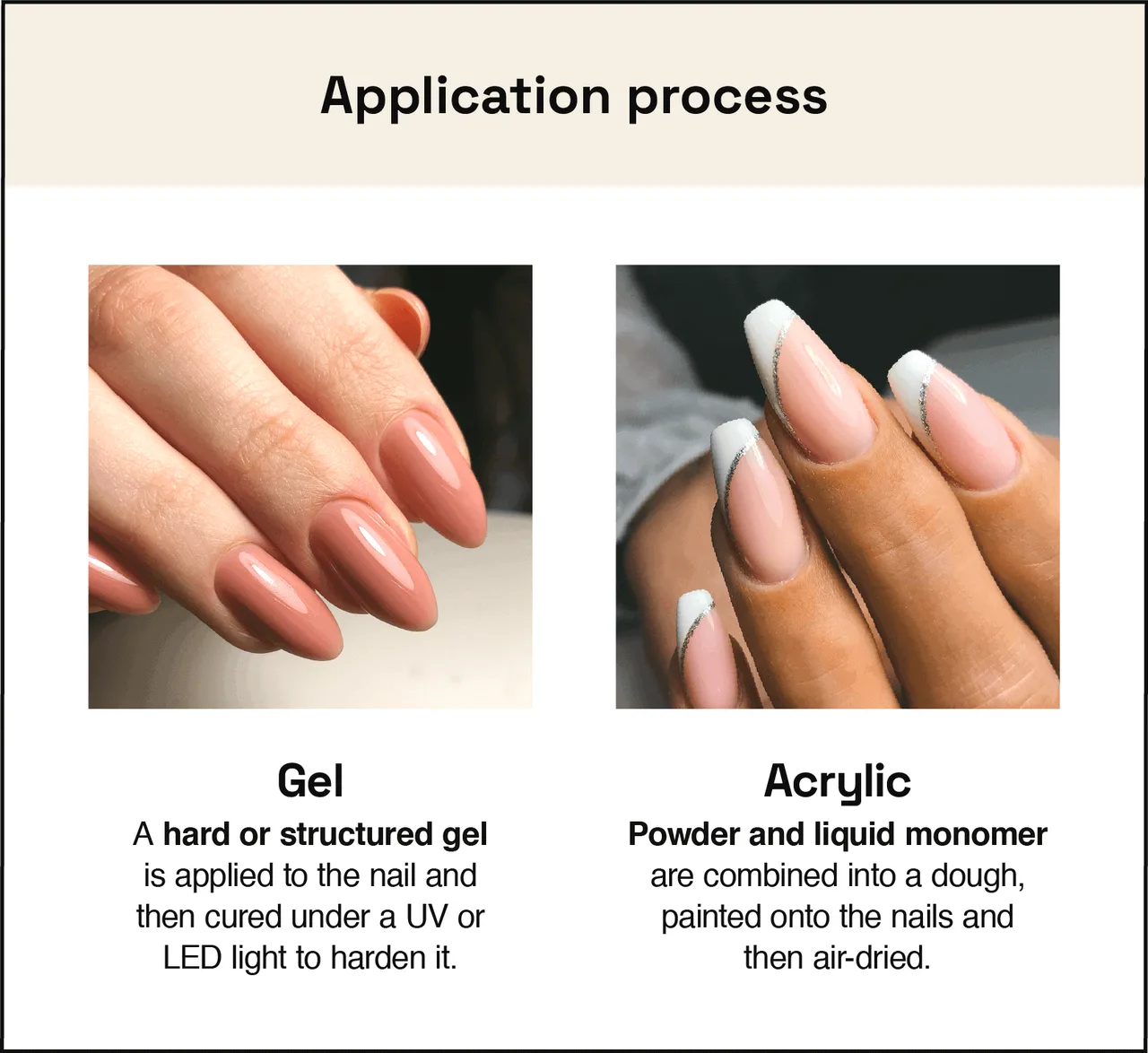
Gel and acrylic false nails primarily differ in their material composition, application methods, and curing processes. These variations establish the base for their unique characteristics and performance on natural nails.
Understanding these core distinctions clarifies how each product forms and adheres, along with the specific preparation steps involved.
Do gel and acrylic false nails differ in their removal process?
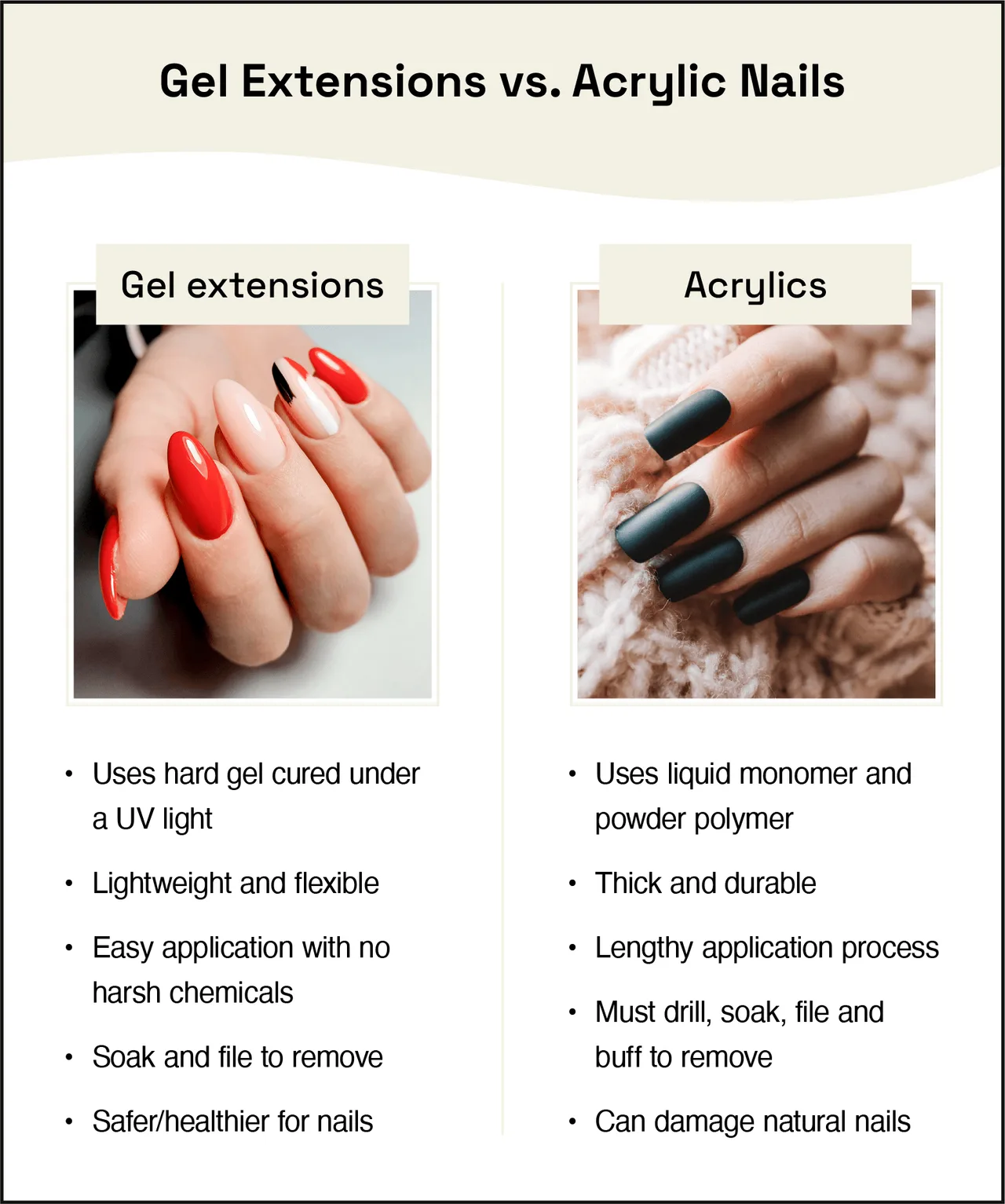
Yes, gel and acrylic false nails differ significantly in their removal processes. These differences impact the tools, techniques, and time required for each. Gel nails typically involve filing and soaking, while acrylic nails primarily rely on a more extensive soaking method. These distinct procedures also have varying potential effects on natural nail health.
Removing gel nails often requires a combination of gentle filing to break the top coat and subsequent soaking in acetone. The nails are submerged in acetone for several minutes, allowing the gel to soften and be gently pushed off. This process is relatively quicker compared to acrylics.
Conversely, acrylic nails are primarily removed by soaking in pure acetone for an extended period. This process often involves filing down the top layer to reduce thickness. Then, the nails are soaked in acetone for a prolonged duration to dissolve the acrylic material. This can be more time-consuming.
While gel nail removal may involve less direct damage due to the gentler filing, acrylic removal can potentially dry out natural nails if not done carefully.
Are gel and acrylic false nails different in terms of durability and longevity?
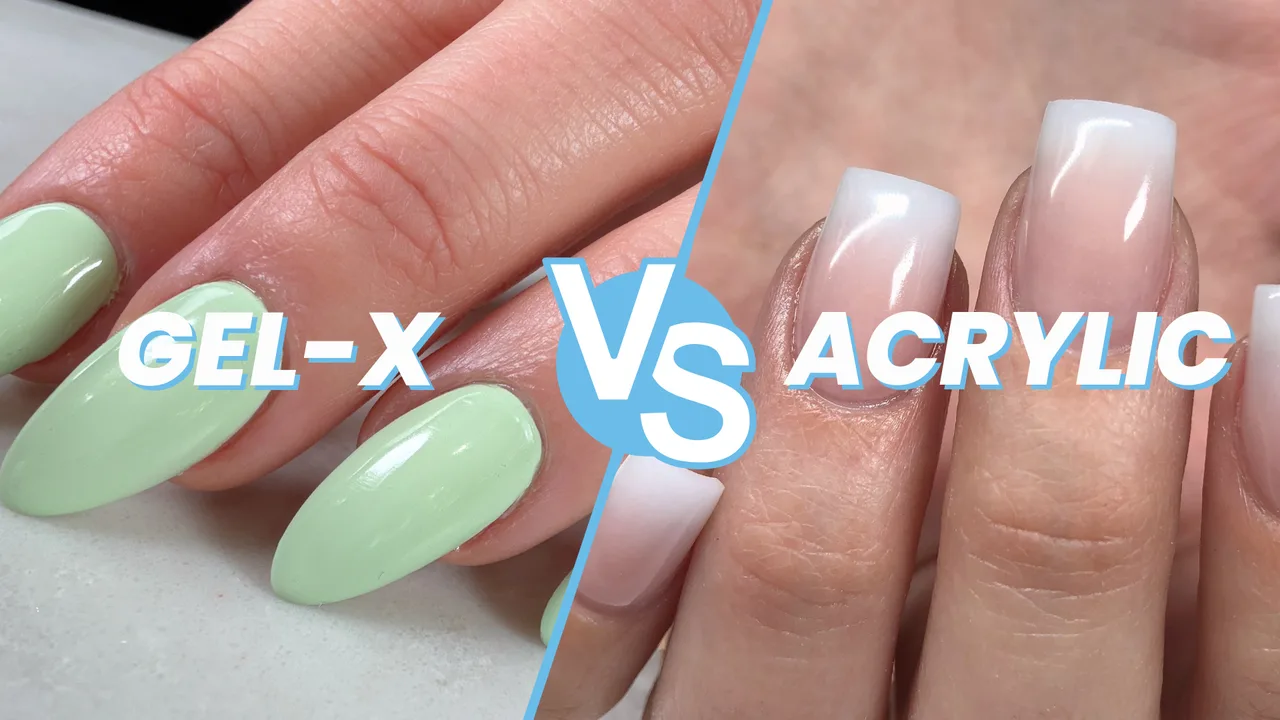
Gel and acrylic false nails differ in durability and longevity due to their distinct chemical structures and application methods. Gel nails offer flexible wear. They resist minor impacts, providing a natural feel.
Acrylic nails provide superior hardness and extended wear. They show greater resistance to chipping and breaking, maximizing resilience. The choice depends on the desired balance of these qualities.
What are the appearance and finish differences between gel and acrylic false nails?
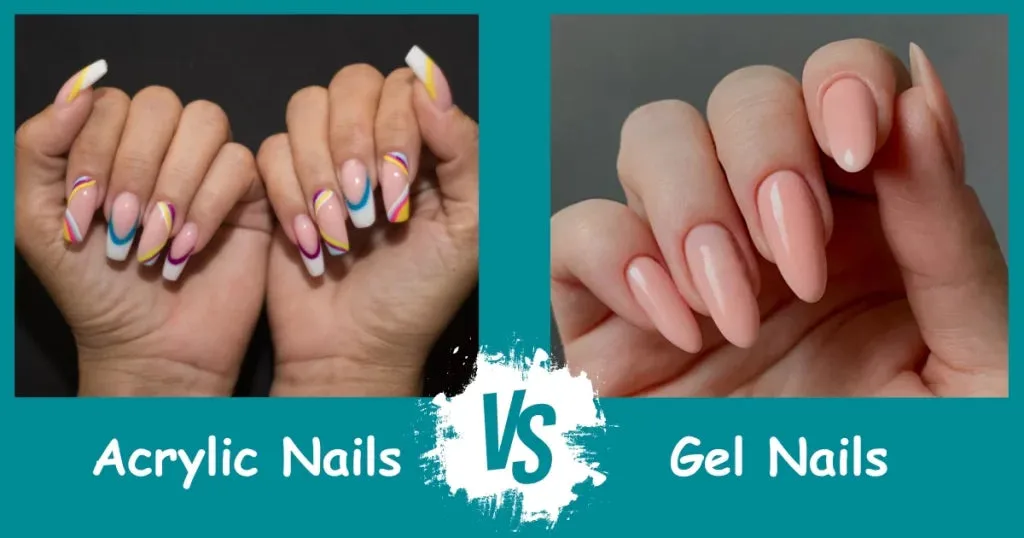
Gel and acrylic false nails have distinct appearances and finishes, which significantly influence the overall aesthetic of a manicure.
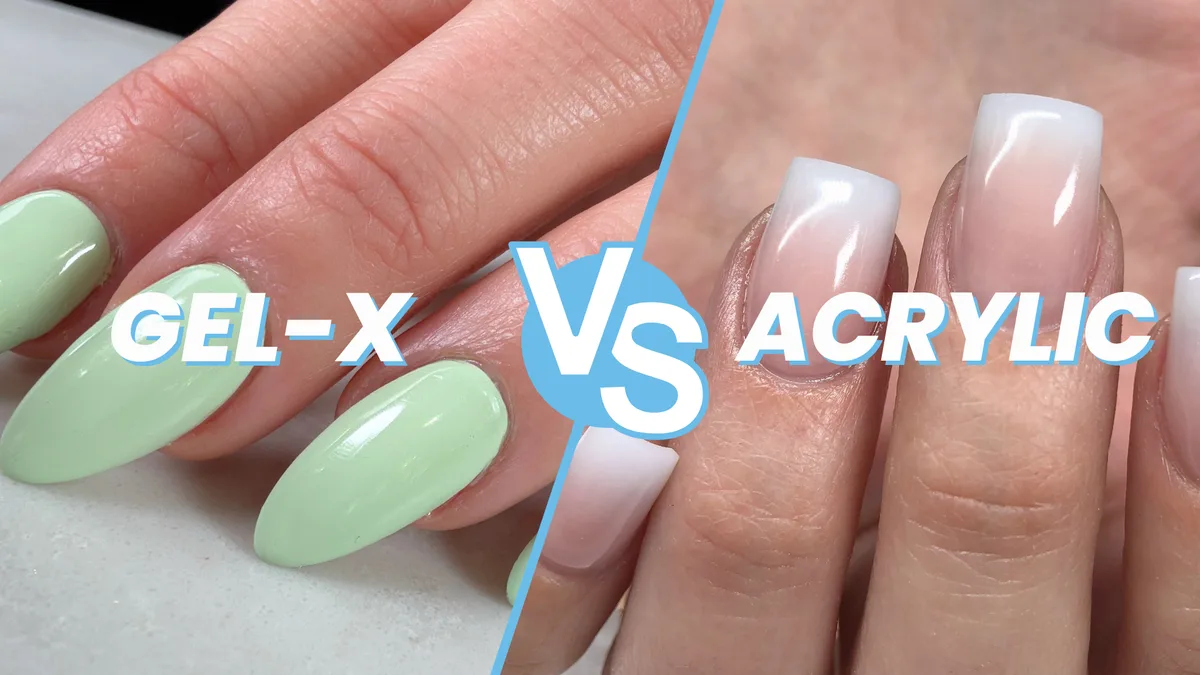
Gel nails are known for their thinner, more flexible finish. They also offer a high-gloss sheen, contributing to a natural look.
In contrast, acrylic nails are typically thicker and more rigid. They provide a robust, polished appearance. The choice between gel and acrylic depends on whether a subtle elegance or a strong, defined enhancement is desired.
What are the pros and cons of gel versus acrylic false nails?
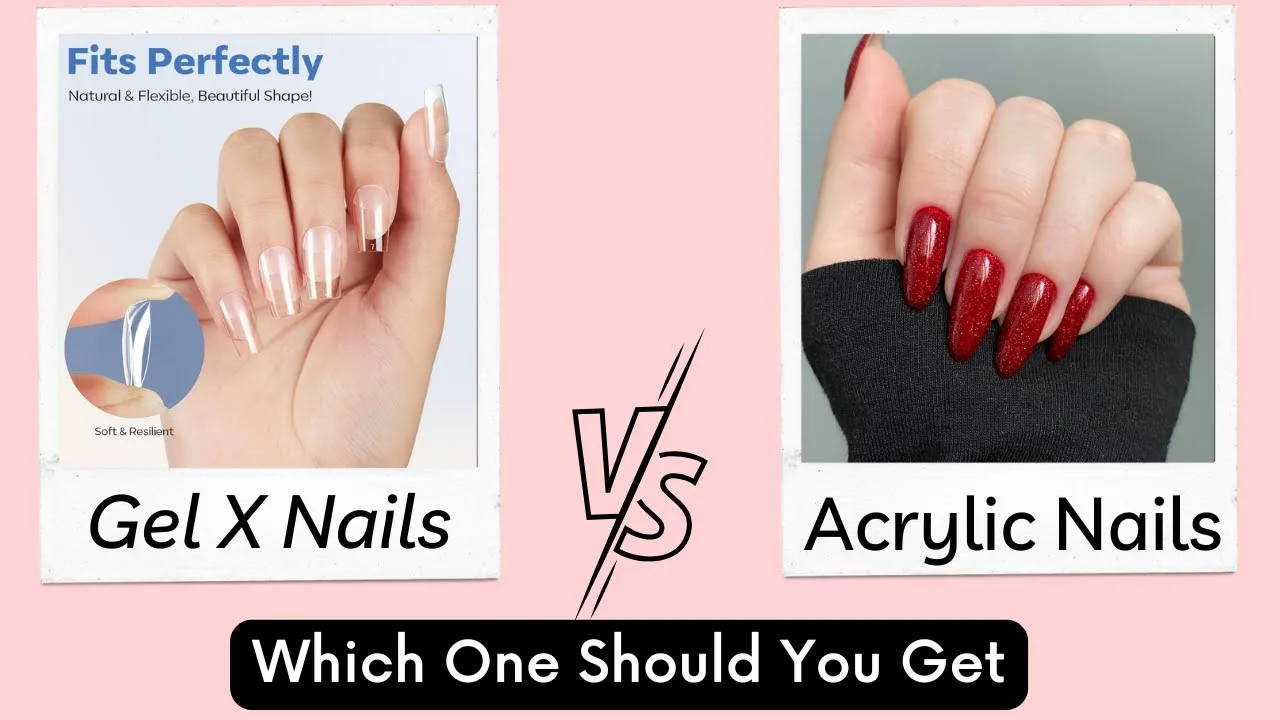
Gel and acrylic false nails each have distinct advantages and disadvantages. Key differences include flexibility, odor, and suitability for various nail types. Understanding these trade-offs is essential for choosing the best option based on individual preferences and lifestyle.
What are the advantages of choosing gel false nails?
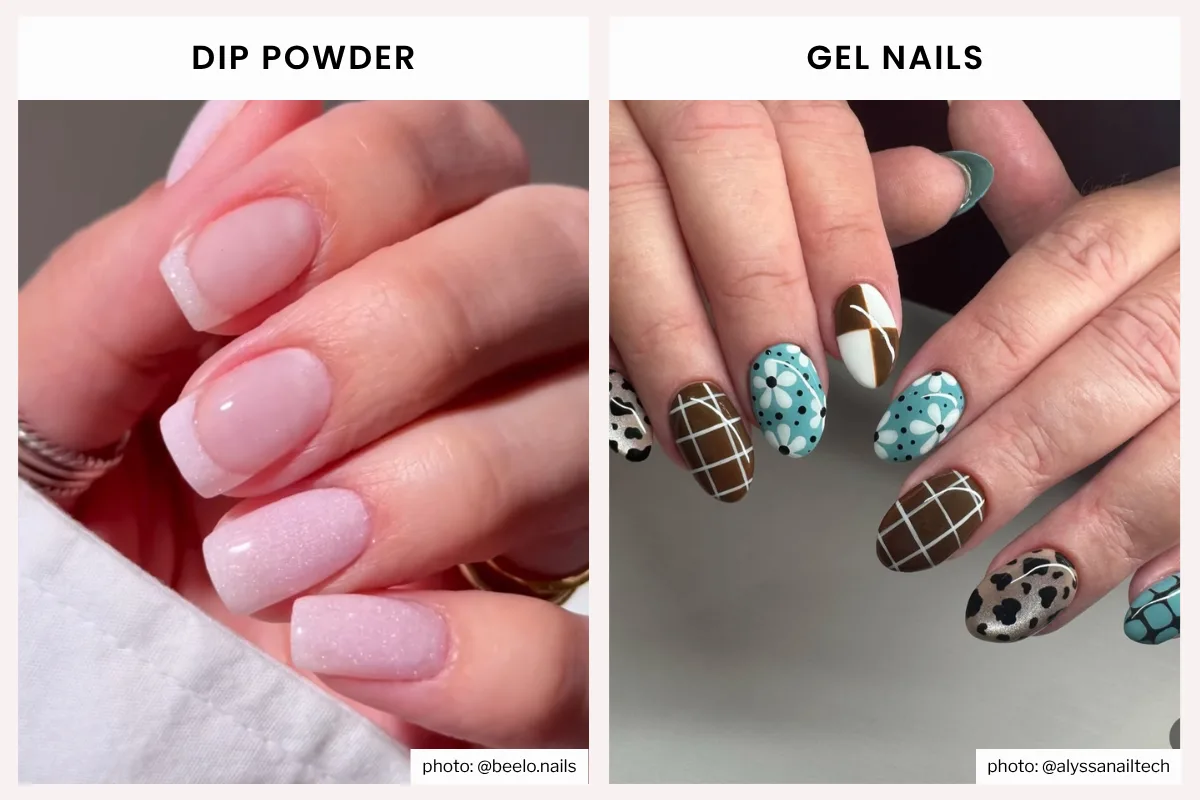
Gel false nails offer a natural look, flexibility, and an odorless application. These benefits make gel nails a preferred choice for individuals seeking a subtle yet durable nail enhancement. Gel formulations contribute to a comfortable wear and a visually appealing finish without the harsh chemical smells associated with other methods.
Key benefits of choosing gel false nails include their ability to provide a finish that closely mimics natural nails. Gel nails are also noted for their resilience. Gel nails are more flexible than acrylic nails, which helps reduce cracking and makes them more resistant to chipping or breaking during daily activities, according to Artisan Nail Lounge. Furthermore, the application of gel nails is often favored for its lack of strong chemical odors, creating a more pleasant experience for both clients and technicians.
What are the disadvantages of choosing gel false nails?
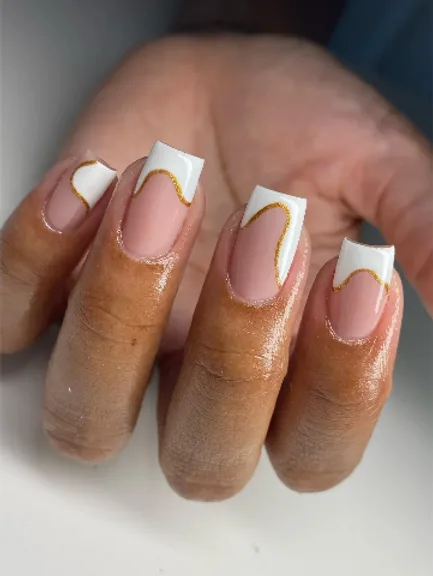
Gel false nails have several disadvantages, including potential lifting, challenging removal, and higher costs. These drawbacks affect longevity and maintenance, making them less ideal for some users. Gel nails are also noted for their more prone to lifting at the edges compared to acrylics, especially with improper application or rigorous daily activities, according to Professional Beauty Systems. Furthermore, the removal of gel nails, while often gentler, can be more intricate than acrylics. Hard gel nails frequently require extensive filing for removal, which can thin the natural nail plate if not performed by an experienced technician. The cost of gel false nails also tends to be higher. Gel nails are generally more expensive than acrylics, both for initial application and subsequent maintenance appointments.
What are the advantages of choosing acrylic false nails?
Acrylic false nails offer exceptional strength and durability, making them suitable for significant nail extensions. They are a robust option for individuals seeking long-lasting and resilient nail enhancements. Acrylic nails effectively create substantial length and reinforce weak natural nails, providing a firm and stable base. Advantages of choosing acrylic false nails include their unparalleled hardness, which makes them highly resistant to breaking and chipping, according to CosmoProf Beauty. Acrylics are also favored for their ability to create dramatic length and various nail shapes, making them ideal for elaborate designs or for extending very short natural nails. Furthermore, the application process of acrylic nails does not require a UV/LED lamp for curing, as they air-dry naturally, as confirmed by nail care experts like Young Nails.
What are the disadvantages of choosing acrylic false nails?
Acrylic false nails have several disadvantages, including a rigid feel, strong odor during application, and a potentially damaging removal process. These drawbacks impact user experience and long-term nail health. While acrylics offer strength, these negative aspects are important considerations for potential users. Acrylic nails are notably more rigid than gel nails, which can make them feel less natural and more prone to lifting or breaking if subjected to extreme pressure, according to Cosmopolitan. Additionally, the application process for acrylics is associated with a strong chemical odor due to the liquid monomer, which requires proper ventilation and can be unpleasant for some individuals. The removal of acrylic nails typically involves prolonged soaking in acetone, which is known to severely dry out and weaken the natural nails, potentially leading to brittleness and damage.
How to choose between gel and acrylic false nails based on personal needs?
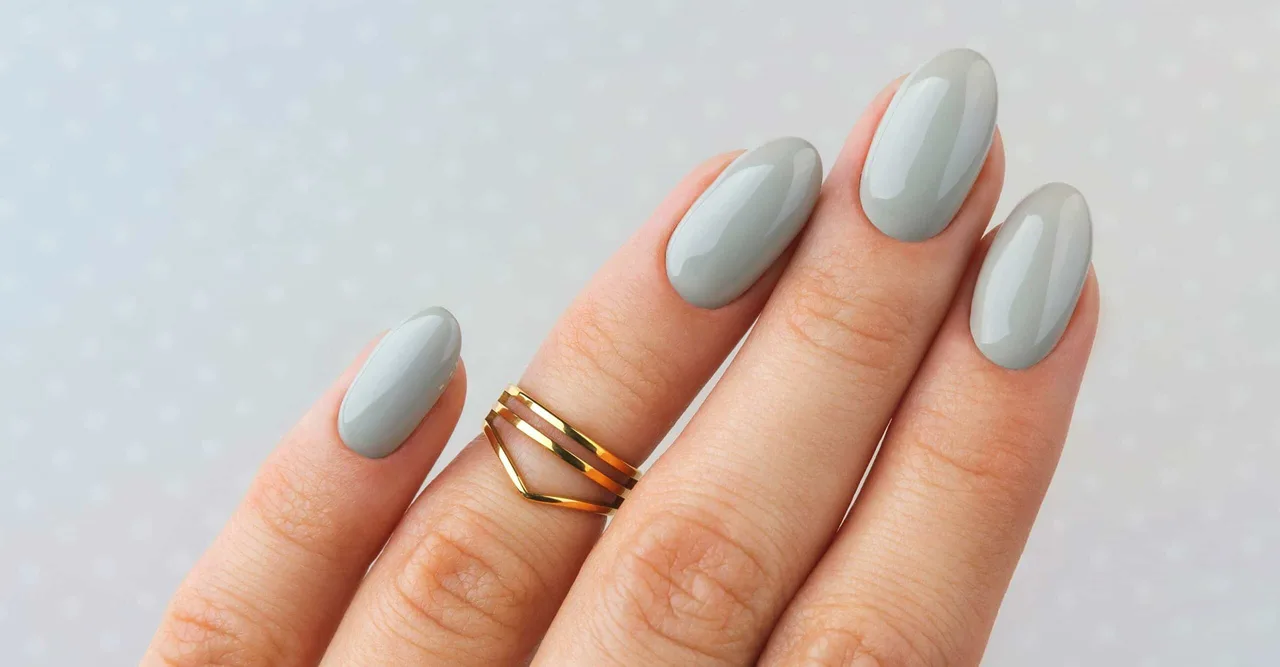
Choosing between gel and acrylic false nails depends on your lifestyle, desired look, natural nail health, and maintenance commitment. Each offers unique benefits, ensuring the best fit for your needs. Consider durability, feel, and daily impact for comfort and longevity.
Do gel and acrylic false nails impact nail health differently?
Yes, gel and acrylic false nails can impact nail health differently due to distinct application and removal processes. These differences lead to varying risks of nail plate damage, dehydration, and potential allergic reactions. Understanding these specific effects helps individuals choose the best option for maintaining natural nail integrity. The overall appearance of the manicure also influences perceptions of nail health, with thinner, more flexible options often perceived as less damaging.
Conclusion
Ultimately, choosing between gel and acrylic false nails depends on individual preferences for aesthetic, durability, and maintenance. Gel nails offer a natural, flexible, and odorless experience with a high-gloss finish, lasting 2-3 weeks, though they can be more prone to lifting and costlier. Acrylic nails provide exceptional strength, durability for 3-4 weeks, and suitability for significant extensions, but come with a rigid feel, strong odor, and potentially more damaging removal. Both types impact nail health differently through their application and removal, making an informed decision crucial for desired results and natural nail integrity.