Gel nails and acrylic nails offer distinct benefits and aesthetics, making the choice dependent on individual preferences and desired outcomes. Gel nails provide a flexible, glossy finish, while acrylics are known for their exceptional durability and strength. This guide from Barber Tall helps you understand the differences.
The key differences between gel and acrylic nails lie in their chemical composition, application process, and removal methods. Gel nails cure under UV/LED light and are more flexible, whereas acrylics are created by mixing a liquid monomer and powder polymer, air-drying to a rigid finish. These fundamental distinctions influence their wear and overall look.
Comparing the pros and cons of gel vs. acrylic nails reveals their unique advantages and disadvantages for nail enthusiasts. Gel nails are favored for their natural feel and odor-free application, though they may be less durable than acrylics. Acrylics, while stronger, can have a more rigid feel and a noticeable odor during application.
To help you navigate these options, the following sections will delve into a direct comparison of gel and acrylic nails, examining their key distinctions and detailing the specific pros and cons of each type.
How Do Gel Nails Compare to Acrylic Nails?
Gel nails and acrylic nails primarily differ in their composition and application methods, leading to distinct outcomes in flexibility, appearance, and removal processes. Gel nails involve a pre-mixed polymer gel that cures under UV/LED light, offering a more flexible and natural-looking finish. In contrast, acrylic nails are formed by mixing a liquid monomer and powder polymer at the time of application, which then air-dries to create a harder, more rigid surface. These core differences dictate their suitability for various preferences and lifestyles.
What Are the Key Differences Between Gel and Acrylic Nails?
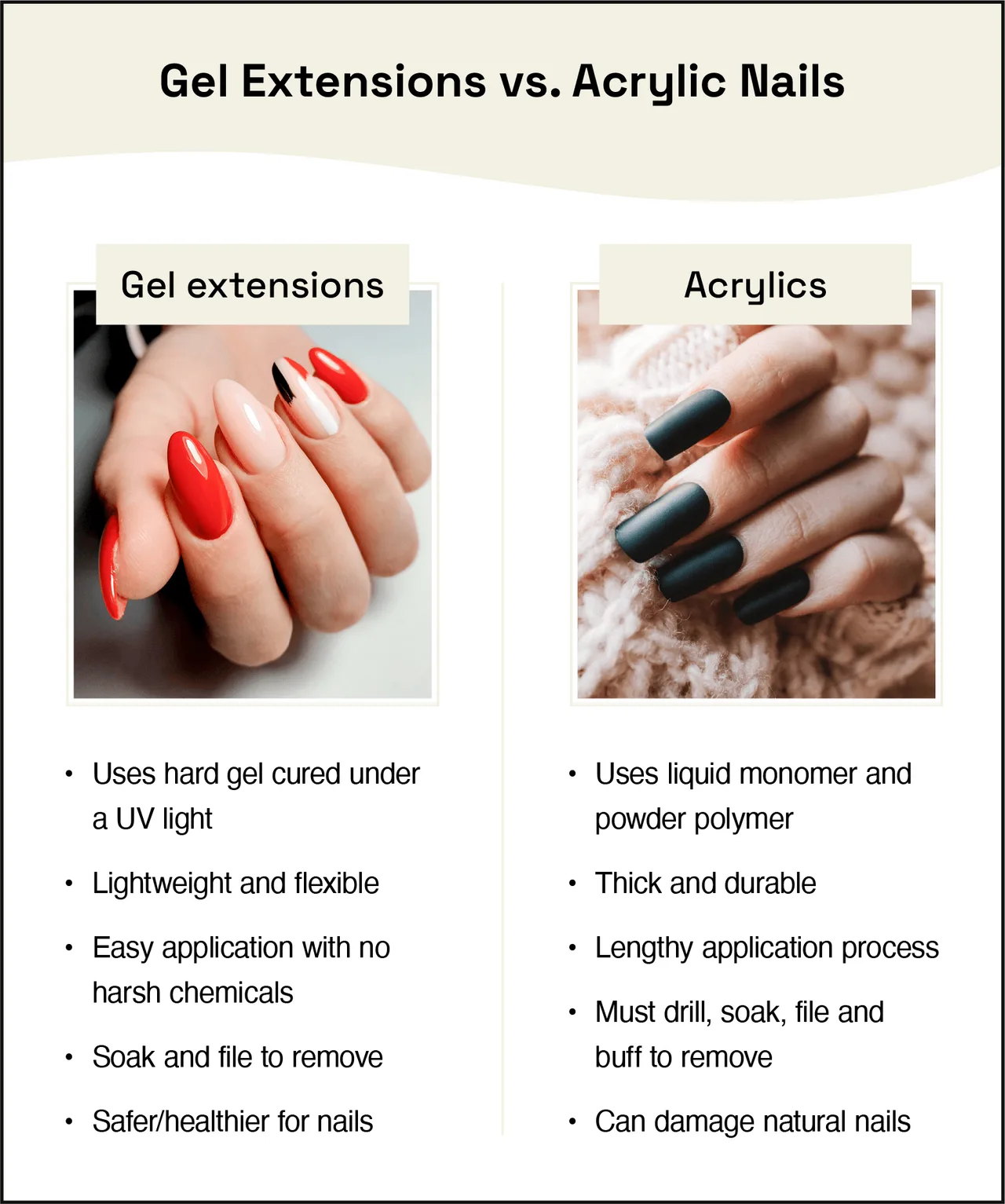
Gel and acrylic nails fundamentally differ in their chemical composition, application process, and removal methods, leading to distinct user experiences. These core distinctions influence their flexibility, durability, and overall appearance. Understanding these variations assists in selecting the ideal nail enhancement option.
What is the primary composition of gel nails versus acrylic nails?
Gel nails are primarily composed of pre-mixed polymer gel, while acrylic nails are formed from a liquid monomer and powder polymer. These distinct chemical compositions dictate their unique properties and application methods. Gel nails consist of an oligomer, a short-chain polymer, that requires UV or LED light to cure and harden. In contrast, acrylic nails are created by combining a liquid (ethyl methacrylate monomer) with a powder (polymethyl methacrylate polymer), which then air-dries and hardens through a chemical reaction.
How do the application processes differ for gel and acrylic nails?
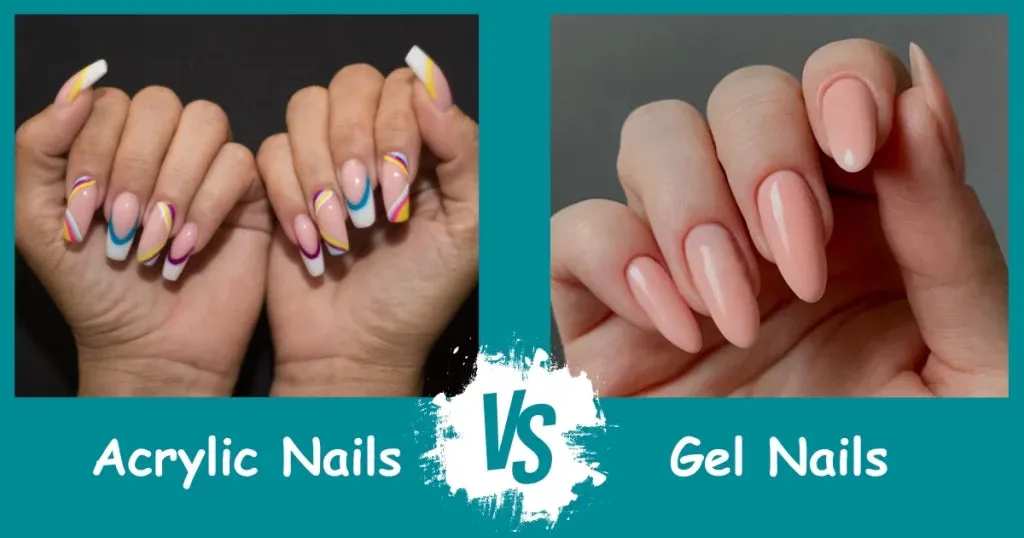
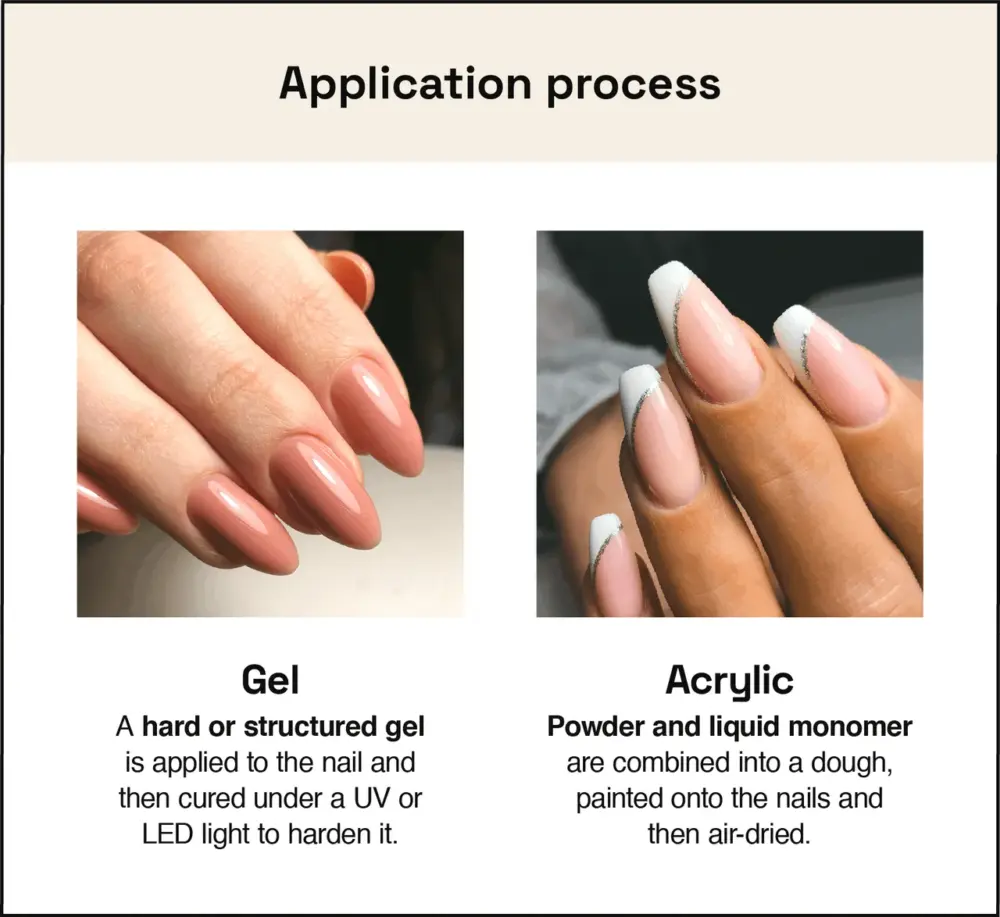
The application processes for gel and acrylic nails involve distinct steps and curing methods, fundamentally differentiating their overall procedure. Gel nail application requires several layers of gel cured under a UV or LED light, while acrylic nails are formed by the air-drying reaction of a liquid monomer and powder polymer. These varying techniques result in different experiences and finishes for each nail type.
For gel nails, technicians typically prepare the natural nail, apply a base coat, and then layer the gel polish, curing each layer under a UV or LED lamp until the desired look is achieved. Curing time for each layer typically ranges from 30 to 60 seconds with an LED lamp, while a traditional UV lamp may require a longer duration, sometimes up to 60 seconds or more. (According to multiple sources, including snschairs.com and annaorganicnailspa.com). In contrast, acrylic nail application involves the technician mixing a liquid monomer with a powder polymer to create a bead, which is then applied to the nail and sculpted before air-drying to a hard finish.The drying process for acrylics is self-initiated, requiring no light, and typically takes a few minutes in the air to dry and harden (according to annaorganicnailspa.com).
What are the distinct methods for removing gel and acrylic nails?
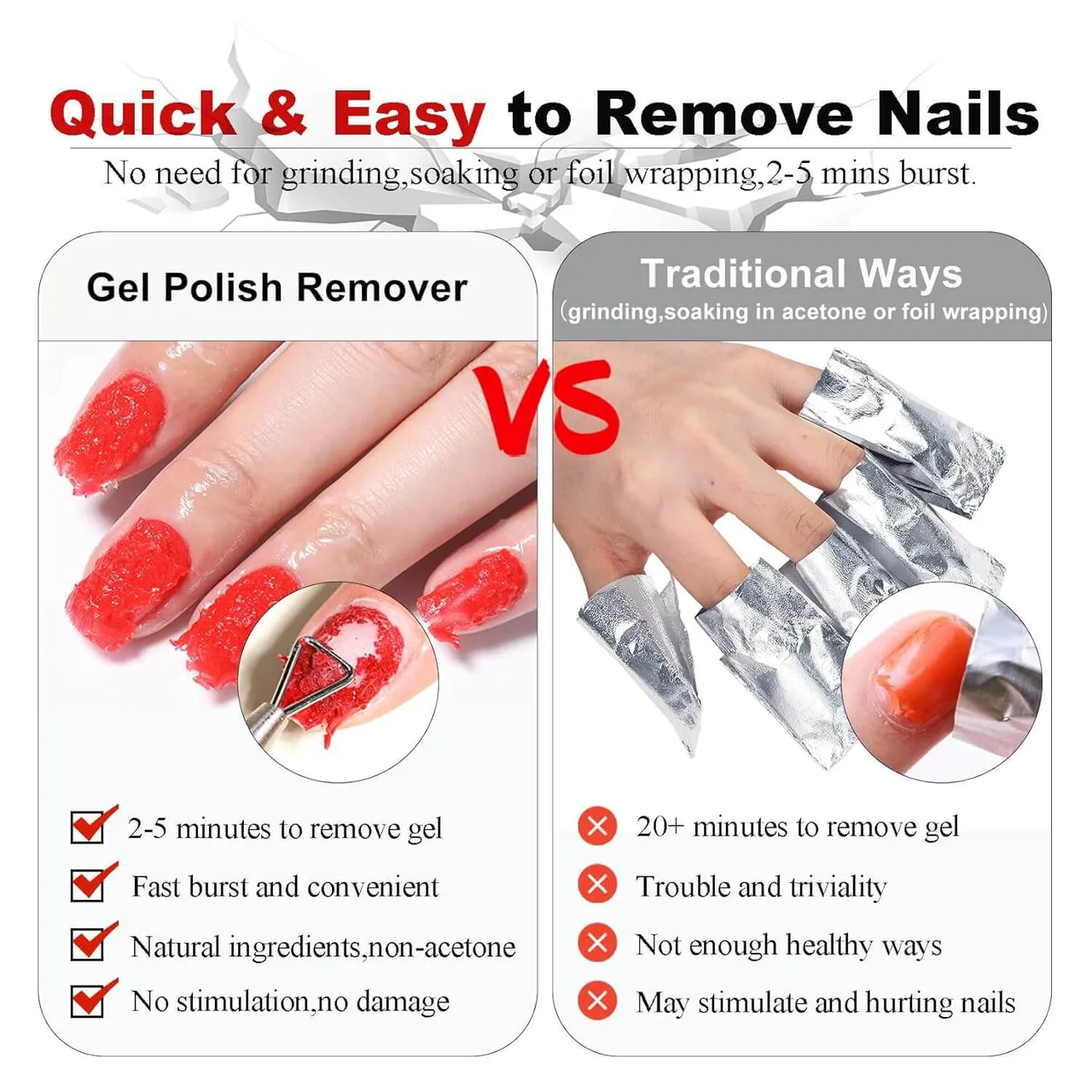
Gel and acrylic nails are removed through distinct methods: gel nails are typically soaked off with acetone, while acrylic nails require filing and then soaking. These varied approaches ensure the safe and effective removal of each nail enhancement type. For gel nails, the process involves filing off the top coat to break the seal, then soaking the nails in acetone. After filing down the color coat, gel nails are typically soaked in 100% acetone for 10 to 15 minutes to remove the gel. (According to Jasmine Vietnam CS3 and reddit.com/r/GelX_Nails). This allows the gel to soften and be gently pushed off the natural nail. In contrast, acrylic nail removal often begins with significant filing to reduce the bulk of the acrylic, followed by soaking the nails in acetone. Acrylics usually require a longer soaking time and may need gentle scraping to fully remove the softened material.
What are the Pros and Cons of Gel Nails?
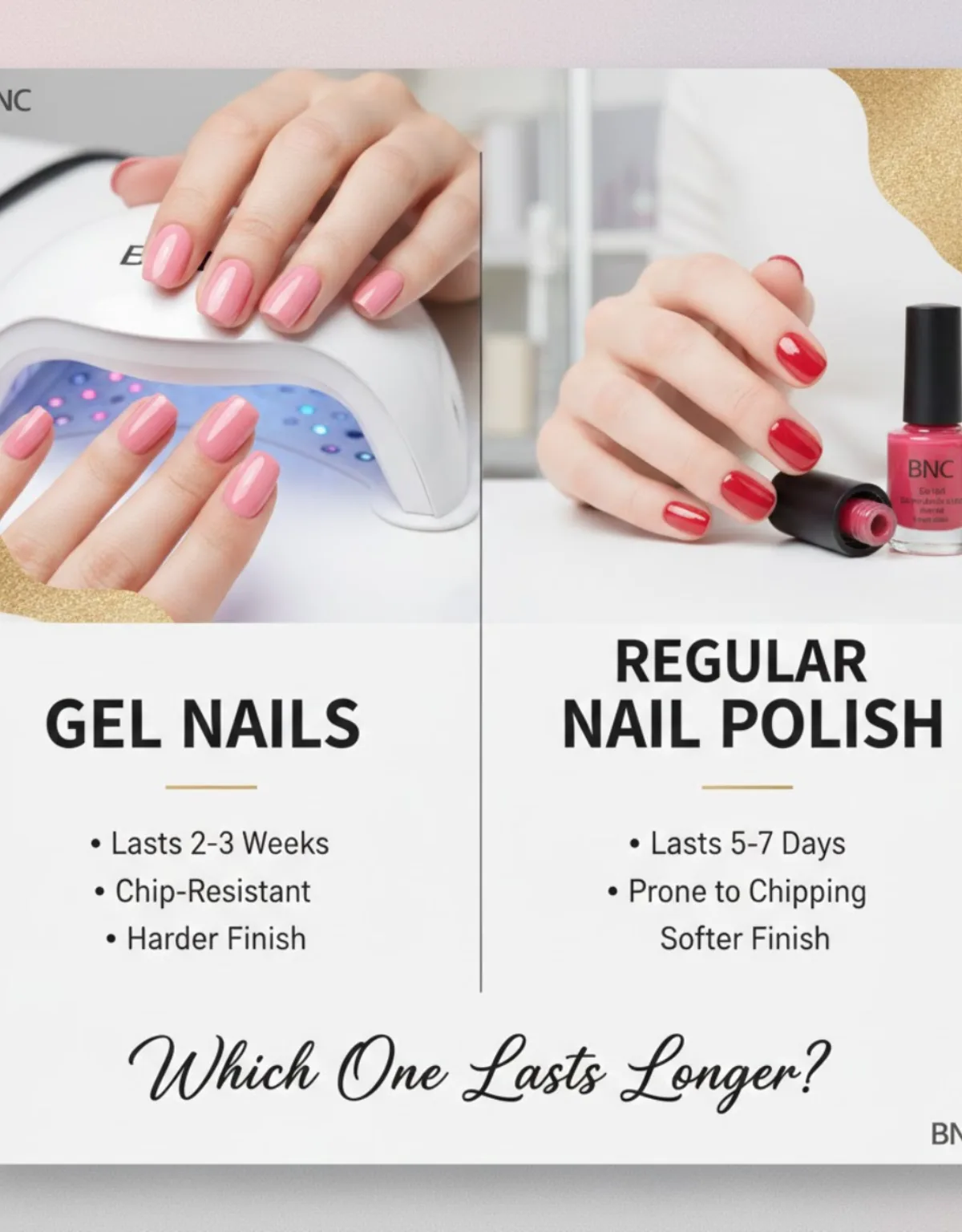
Gel nails offer a balance of aesthetic appeal and moderate durability, characterized by their flexible, natural-looking finish and odor-free application. These enhancements are favored for their less damaging removal process and glossy appearance. The following sections will detail the specific advantages and disadvantages of choosing gel nail enhancements.
What are the advantages of choosing gel nail enhancements?
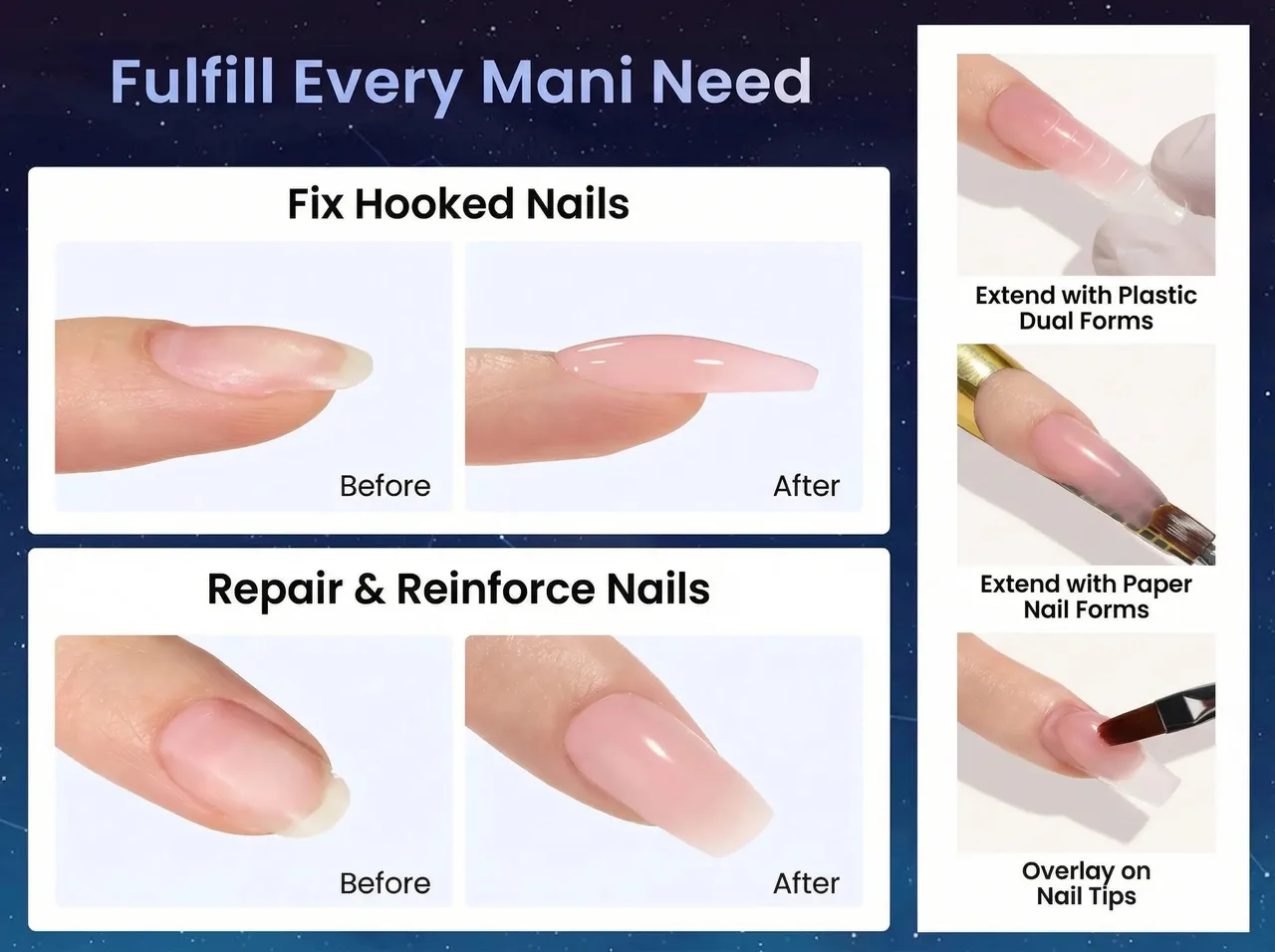
Gel nail enhancements offer a natural look, flexibility, and a high-gloss finish, appealing to those seeking a less rigid and odor-free option. These attributes contribute to a comfortable wearing experience and a visually appealing aesthetic. Gel nails are also noted for their less damaging removal process and reduced risk of allergic reactions. The following advantages highlight why gel nails are a popular choice for many individuals.
Natural Appearance and Flexibility
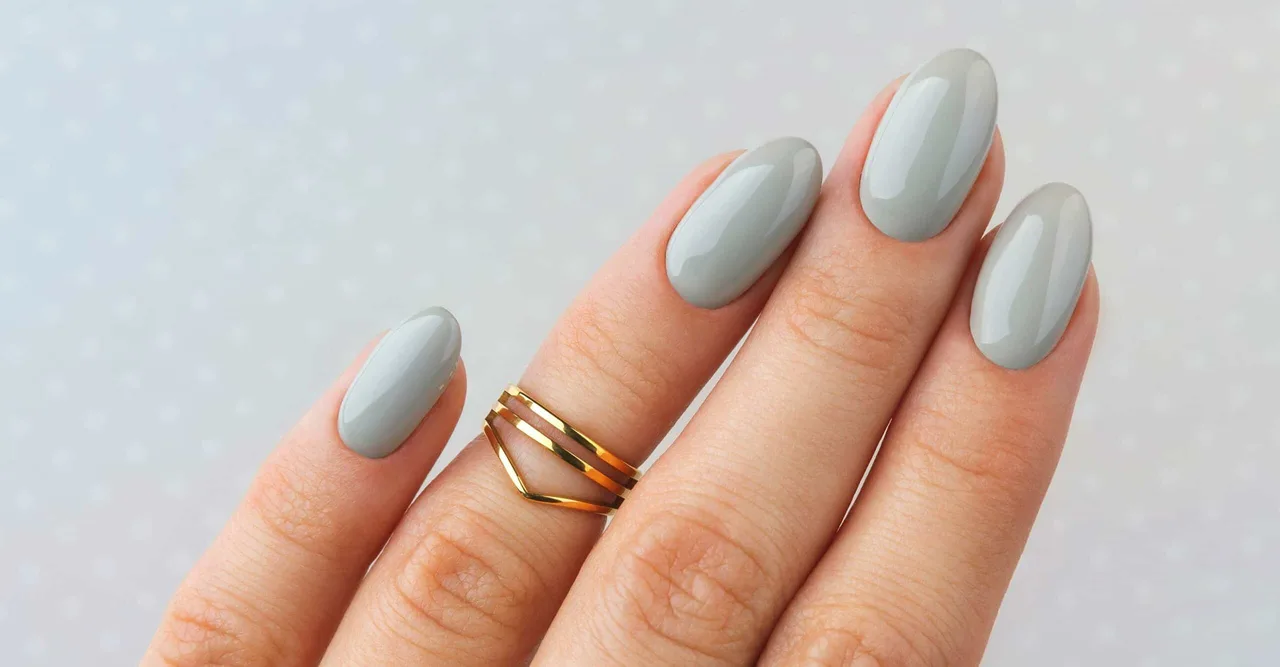
Gel nails provide a more natural look and feel due to their inherent flexibility, which closely mimics the natural nail. This flexibility also makes them less prone to chipping or breaking compared to more rigid options. The thin application and lightweight nature of gel polishes contribute to a natural aesthetic that blends seamlessly with the natural nail.
High-Gloss Finish and Odor-Free Application
Gel nails are renowned for their lasting high-gloss finish that maintains shine without fading, and their application is virtually odor-free. This eliminates the strong chemical smells often associated with other nail enhancement processes, creating a more pleasant experience for both clients and technicians. The glossy finish enhances the overall aesthetic, providing a polished and refined look that can last for weeks.
Less Damaging Removal and Reduced Allergic Reactions
The removal process for gel nails is typically less damaging to the natural nail compared to acrylics, and they are associated with a lower incidence of allergic reactions. Soaking off gel nails with acetone is a gentler method than extensive filing, minimizing potential harm. Additionally, the chemical composition of gel products often contains fewer common allergens, making them a suitable option for individuals with sensitivities.
What are the disadvantages of opting for gel nail enhancements?

Gel nail enhancements have key disadvantages such as higher cost, difficulty with at-home removal, and lower durability compared to acrylics. These factors influence the overall value and convenience for users. While gel nails offer aesthetic benefits, their drawbacks often relate to maintenance and longevity, which are crucial considerations for many individuals.
They typically come at a higher price point for both application and refills compared to traditional acrylics. Their removal usually necessitates professional assistance or a meticulous at-home process to avoid damage to the natural nail. Additionally, despite their flexibility, gel nails may not withstand heavy impacts or prolonged wear as robustly as acrylic options, making them less suitable for those requiring maximum durability.
What are the Pros and Cons of Acrylic Nails?

Acrylic nails provide exceptional strength and durability, though they come with drawbacks such as a less natural feel and strong odor during application. These enhancements are favored for their longevity and versatility in design. The following sections will detail the specific advantages and disadvantages of choosing acrylic nail enhancements.
What are the advantages of choosing acrylic nail enhancements?
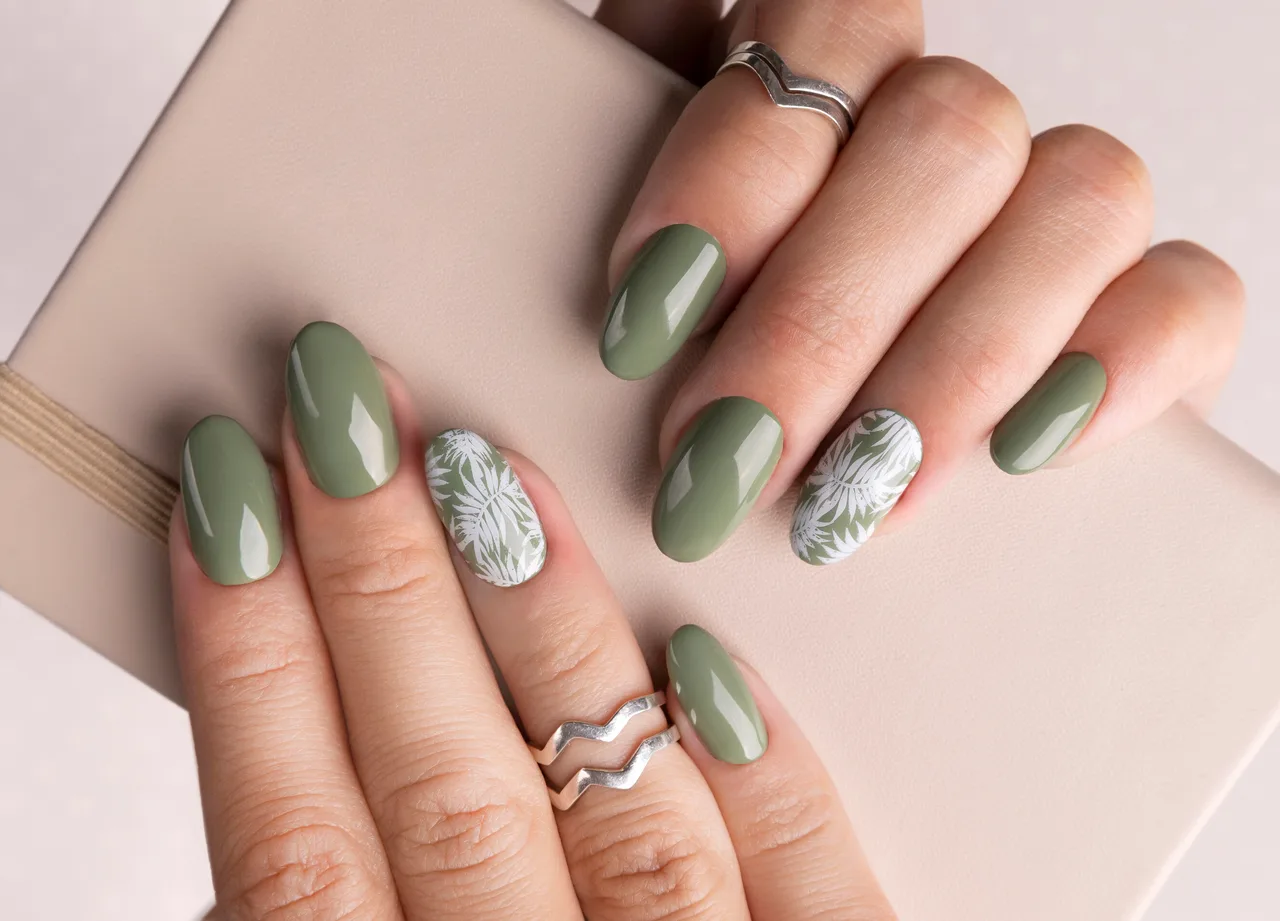
Acrylic nail enhancements offer exceptional strength, durability, and versatility, making them a popular choice for those seeking long-lasting and customizable nail solutions. These advantages contribute to their widespread use in the nail industry. Acrylic nails are renowned for their robust nature, ability to withstand significant wear and tear, and suitability for various artistic designs and extensions. The following benefits highlight why acrylic nails are a preferred option for many individuals.
What are the disadvantages of opting for acrylic nail enhancements?
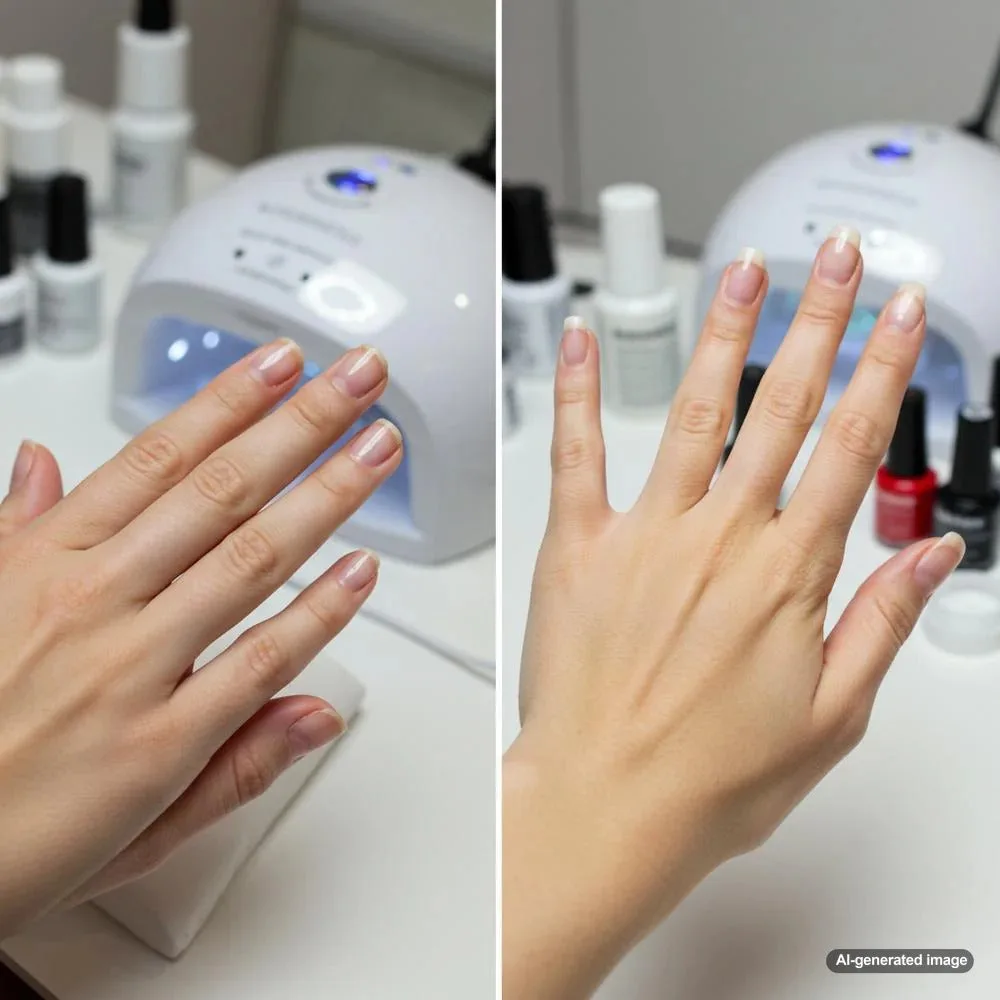
Acrylic nail enhancements present certain disadvantages, including a less natural feel, strong chemical odors during application, and a potentially more damaging removal process. These factors influence the overall user experience and the health of the natural nail. While valued for their strength, the drawbacks of acrylic nails often relate to their aesthetic rigidity and the environmental impact of their application and removal. They are also prone to lifting if not applied correctly, which can lead to moisture trapping and potential fungal infections.
How Does Gel-X Compare to Traditional Acrylic Nails?
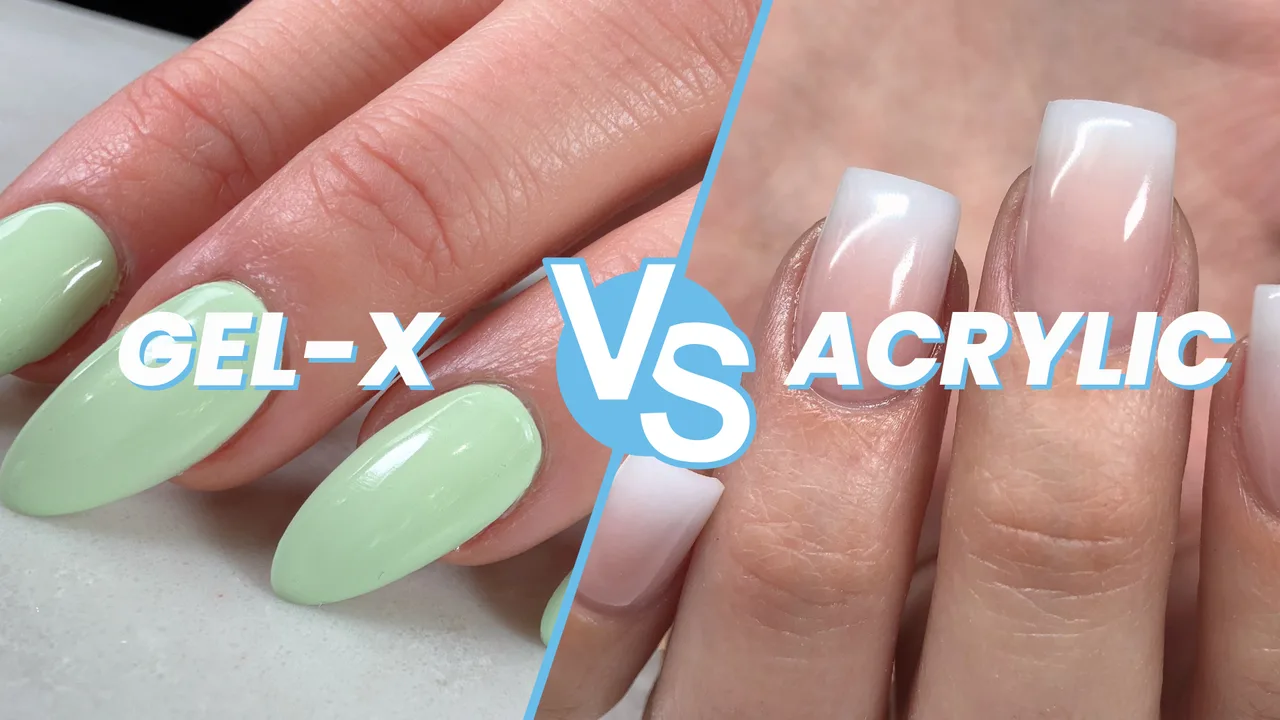
Gel-X nails and traditional acrylic nails present distinct characteristics in their application, flexibility, and removal, catering to different preferences for nail enhancements. Gel-X offers a pre-formed, gel-based extension system, prioritizing flexibility and a natural feel, while traditional acrylics involve a liquid and powder mix that creates a harder, more rigid structure. These fundamental differences influence their suitability for various nail styles and durability needs.
Is Gel-X a type of gel nail or a distinct enhancement?
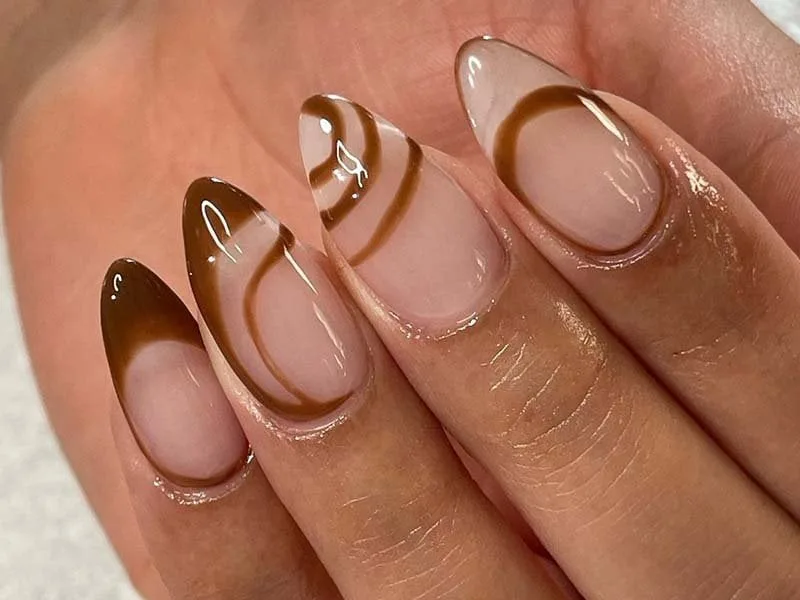
Gel-X is a distinct nail enhancement system, classified as a type of soft gel extension that offers a pre-formed, full-coverage alternative to traditional gel and acrylics. It integrates the flexibility of gel with the convenience of tip application, distinguishing it from both traditional gel polish and sculpted acrylics. Gel-X systems adhere pre-shaped tips directly onto the natural nail using a gel adhesive, cured under LED light. This method allows for instant length and shape without the need for sculpting, making it a unique category in nail enhancements.
What are the main differences in application and wear between Gel-X and traditional acrylics?
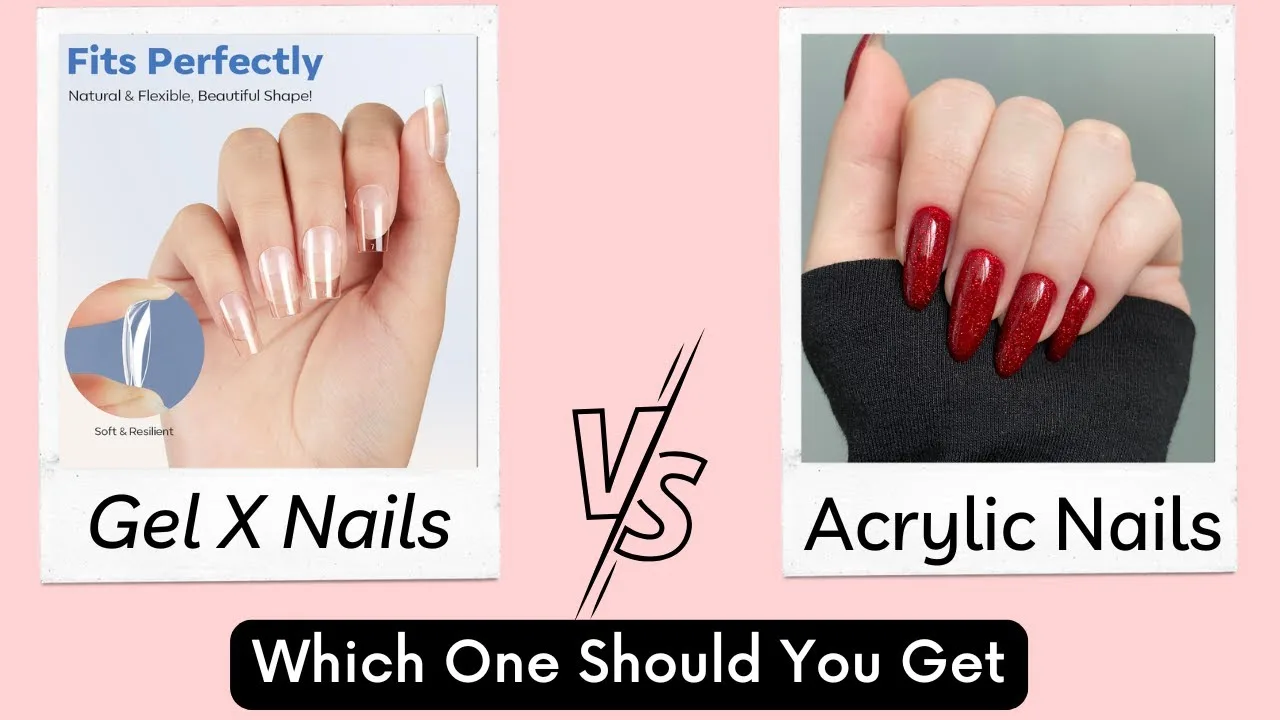
Gel-X nails offer a more flexible, pre-formed application with less structural rigidity, while traditional acrylics provide a harder, sculpted finish with greater overall durability. These differences manifest in their aesthetic, feel, and long-term wear. Gel-X systems are known for their lightweight nature and natural appearance, whereas acrylics are prized for their strength and ability to withstand significant impact. The practical aspects of using each system highlight distinct benefits and considerations for users. Gel-X provides a quicker application process by adhering pre-shaped tips, often resulting in a more immediate, finished look. Conversely, traditional acrylics require careful sculpting and air-drying, allowing for greater customization and thickness, which contributes to their superior hardness and impact resistance. Gel-X typically offers flexibility comparable to natural nails, making them less prone to brittle breaks. Acrylics, however, are considerably more rigid, providing a robust protective layer suitable for demanding activities, and are known for their high durability, according to SNS Chairs.
How Do Environmental Factors Impact the Longevity of Gel vs. Acrylic Nails?
Environmental factors significantly impact the longevity of gel and acrylic nails, affecting their durability and lifespan in distinct ways. These external conditions, such as exposure to chemicals, water, and sunlight, can alter the integrity and appearance of both nail enhancement types. Understanding these specific influences provides unique insights beyond general wear and tear, helping to maintain the quality and extend the life of gel and acrylic nails.
Does humidity affect the wear and tear of gel nails differently than acrylic nails?
Humidity generally affects the wear and tear of gel nails differently than acrylic nails, with gel nails being more susceptible to lifting in high humidity and acrylics being prone to brittleness in low humidity. This difference stems from their distinct chemical compositions and how they interact with moisture. Varying humidity levels can impact the structural integrity and appearance of both types of nail enhancements in specific ways.While high humidity can cause gel nail enhancements to absorb moisture and lift, excessively dry environments can make acrylics more brittle and prone to cracking or breaking.
Are gel or acrylic nails more resistant to damage from common household chemicals?
Acrylic nails are generally more resistant to damage from common household chemicals than gel nails. This difference stems from their distinct chemical compositions and structural properties. Acrylics create a harder, more impenetrable surface that resists degradation from typical cleaning agents and solvents better than the more porous and flexible gel formulations. This enhanced chemical resistance makes acrylics a more durable choice for individuals frequently exposed to household chemicals.
Conclusion
Choosing between gel and acrylic nails ultimately depends on individual priorities, as each offers distinct advantages in composition, application, durability, and appearance. Gel nails provide a flexible, natural-looking, and odor-free option with a high-gloss finish and gentler removal. Conversely, acrylic nails deliver exceptional strength and versatility, making them highly durable and resistant to household chemicals, despite a more rigid feel and noticeable application odor. Understanding these core differences allows individuals to select the nail enhancement that best suits their lifestyle and aesthetic preferences.