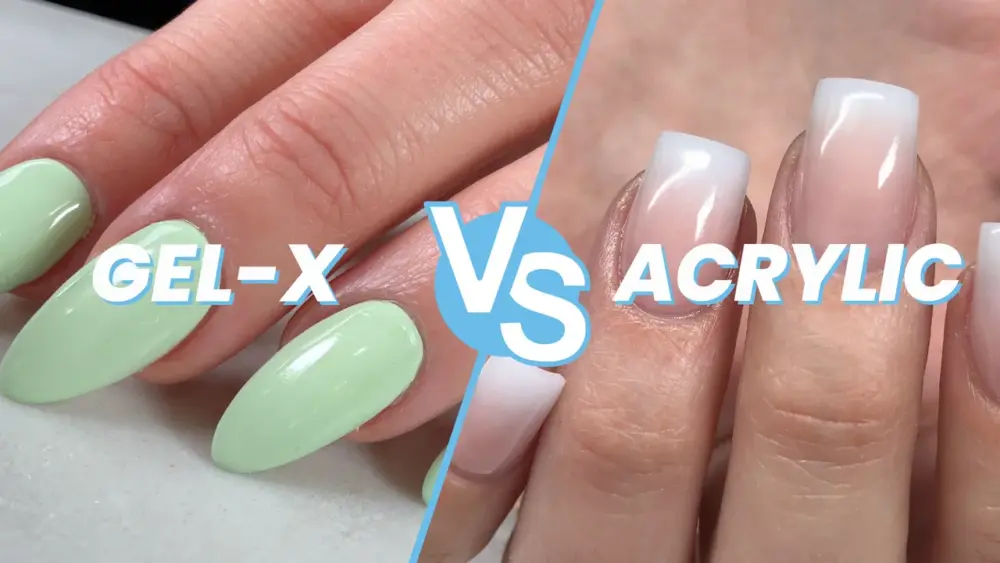
Gel X and acrylic nails primarily differ in application, removal, and composition. Gel X uses a pre-shaped soft gel tip adhered with gel polish, while acrylics are a liquid and powder mixture sculpted onto the nail.
When considering durability, Gel X nails typically last for about 3-4 weeks, whereas acrylics can last up to 6-8 weeks with proper fills. Both offer distinct advantages and disadvantages.
In terms of health and safety, Gel X is often considered less damaging due to its soak-off removal process, minimizing filing. Acrylics, conversely, involve stronger chemicals and more aggressive removal.
What are the main differences between Gel X Nails and Acrylic Nails?
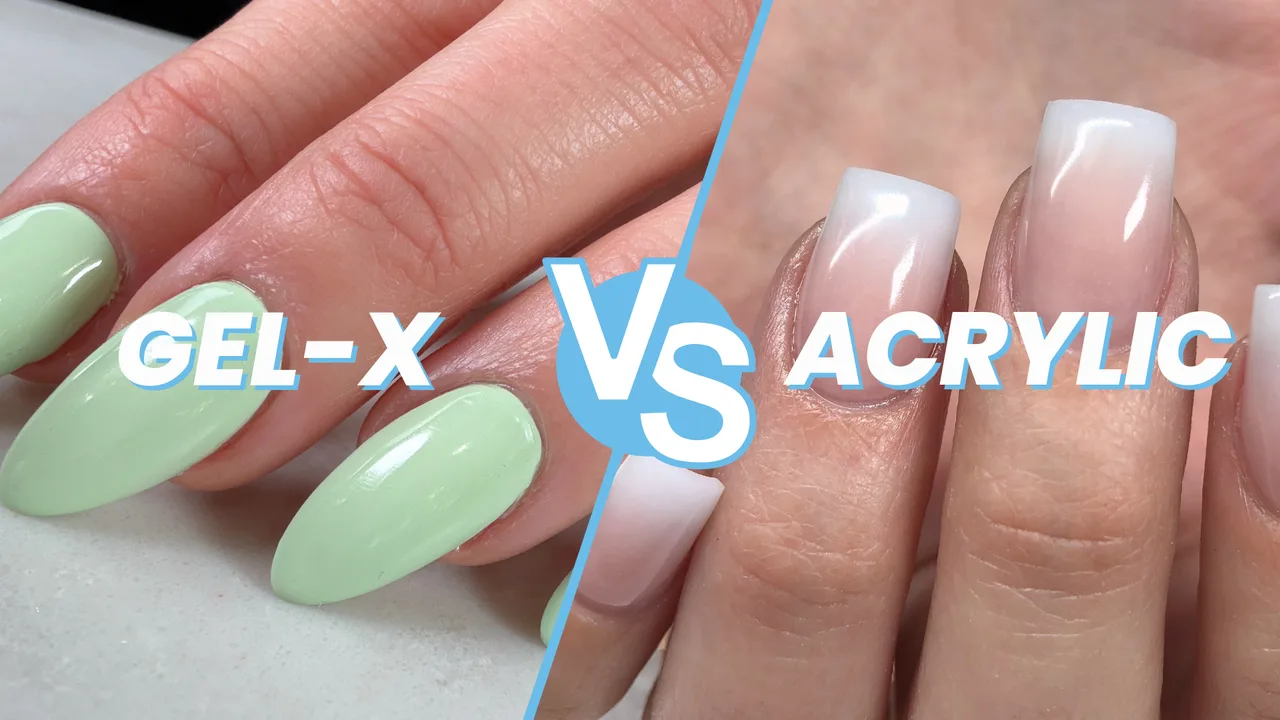
Gel X Nails and acrylic nails primarily differ in application, removal, and composition. Gel X nails use pre-shaped, soft gel tips adhered with a gel adhesive, while acrylics involve mixing a liquid monomer and powder polymer to sculpt extensions onto the natural nail. These core distinctions impact the overall experience and outcome for users. Gel X nails offer a gentler, less invasive application and removal process. Acrylic nails, conversely, require more aggressive filing and the use of stronger chemical solutions for both application and removal, leading to potential concerns for nail health.
What are the pros and cons of Gel X Nails?
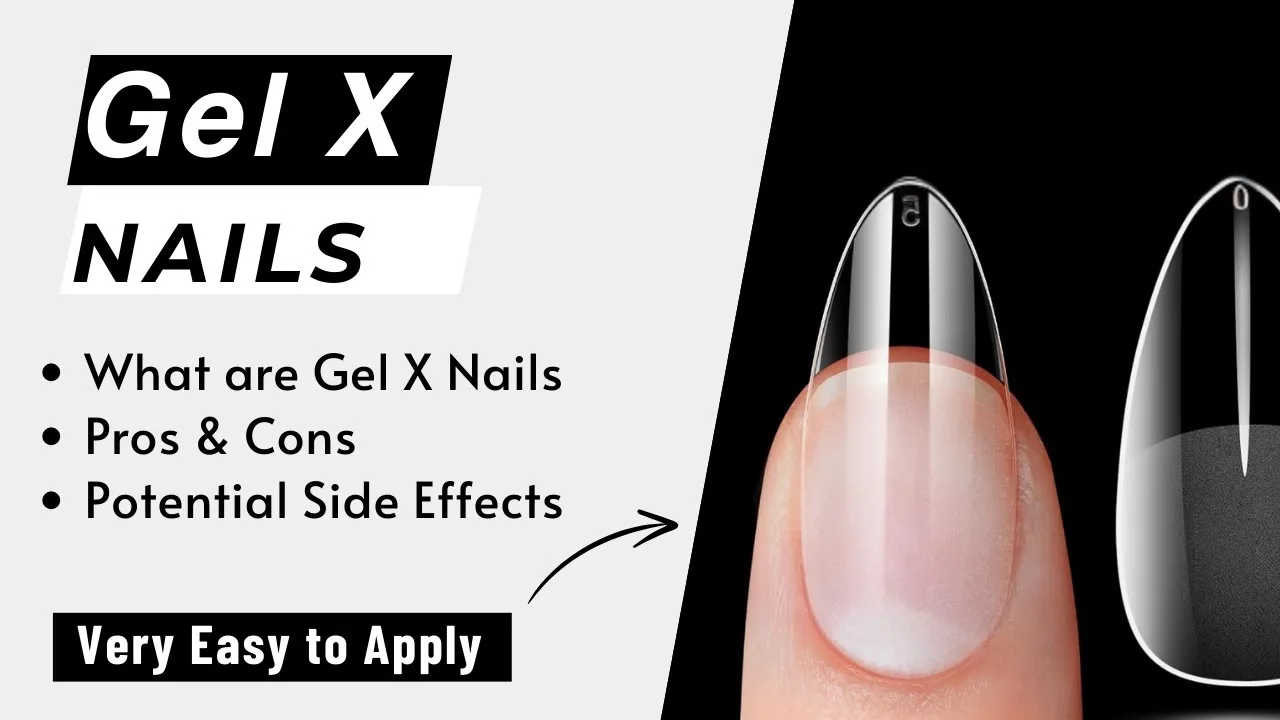
Gel X Nails offer several advantages, including a gentler application and removal process, but have limitations in durability and require specific removal. Gel X nails provide a lightweight, natural feel and are typically removed by soaking, minimizing damage to the natural nail. Conversely, the removal process necessitates careful soaking in acetone, which, if done improperly, can still affect nail health. Gel X also requires specialized training for optimal application to ensure proper adhesion and longevity.
What are the pros and cons of Acrylic Nails?
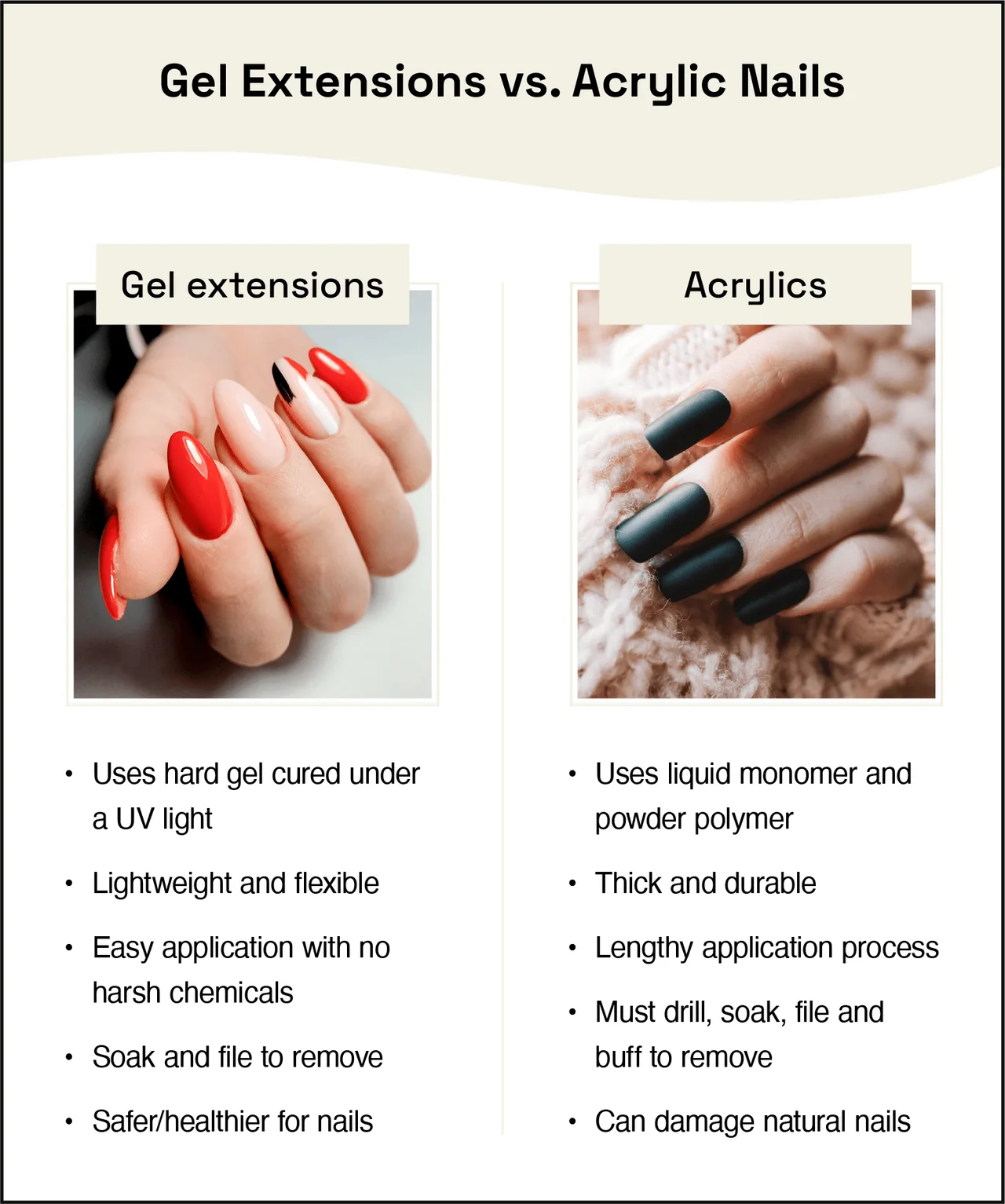
Acrylic nails are durable and versatile, but their application and removal have potential drawbacks. These benefits and drawbacks dictate their suitability for different individuals. Acrylics provide a strong, hard protective layer over natural nails, allowing for extensive customization in shape, length, and art. Conversely, the chemical odor during application and the intensive filing required for both application and removal present potential health considerations for both technicians and clients.
Are Gel X Nails safer for your nails than Acrylic Nails?

Gel X Nails are generally considered safer for your nails than Acrylic Nails due to their less invasive application and removal processes, minimizing filing and exposure to harsh chemicals. This distinction in health and safety stems from the fundamental differences in how each product interacts with the natural nail. Gel X application involves adhering a soft gel tip with a gel adhesive, and removal typically requires soaking in acetone, which reduces the need for aggressive scraping or drilling that can thin and weaken the natural nail plate. Conversely, acrylic nails utilize a liquid and powder mixture that creates a hard layer. Their application often involves significant nail bed preparation and aggressive filing, while removal can necessitate more intense chemical solutions and prolonged filing, potentially increasing the risk of nail damage and exposure to strong chemical odors.
Which lasts longer: Gel X Nails or Acrylic Nails?

Acrylic nails generally last longer than Gel X Nails, with a typical lifespan of up to 6-8 weeks compared to Gel X’s 3-4 weeks. The difference in longevity and chip resistance stems from their inherent material properties and application methods. Acrylics are formed from a hard, durable polymer, providing a robust and less flexible structure that resists chipping and breaking over a longer period. Gel X, while offering flexibility and a natural feel, utilizes a softer gel material that is more susceptible to wear and tear over time, especially with prolonged exposure to daily activities.
How do Gel X Nails and Acrylic Nails impact nail growth?
Gel X Nails generally impact nail growth less aggressively than Acrylic Nails, primarily due to their gentler application and removal processes. Gel X involves adhering a soft gel tip, which minimizes the mechanical stress on the natural nail bed. This reduced trauma helps preserve the integrity of the natural nail as it grows. Conversely, acrylic nails often necessitate more abrasive preparation, including extensive filing of the natural nail surface, potentially weakening it and affecting healthy growth. The removal of acrylics also typically involves harsh chemicals and aggressive scraping, which can further damage the nail plate and cuticle, hindering natural nail growth and overall health. Minimizing invasive procedures supports a healthier growth cycle for natural nails.
Conclusion
Ultimately, the choice between Gel X nails and acrylics depends on individual priorities regarding application, durability, and nail health. Gel X offers a gentler process and less impact on natural nail growth, lasting 3-4 weeks. Conversely, acrylics provide superior durability, extending to 6-8 weeks, but involve more aggressive application and removal. While both offer distinct aesthetic benefits, understanding these core differences in composition, longevity, and overall nail interaction is crucial for making an informed decision that aligns with personal preferences and desired outcomes.