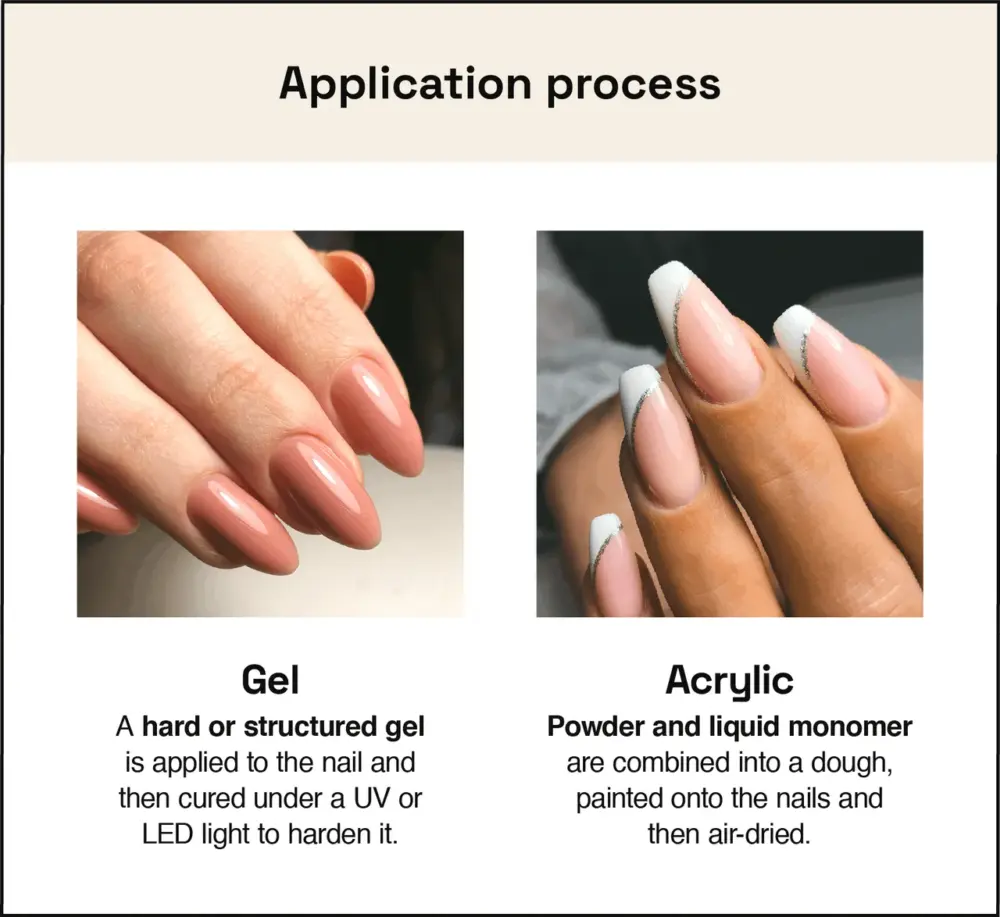
When deciding between gel and acrylic nails, both offer distinct advantages, but the best choice hinges on individual preferences regarding durability, aesthetics, and nail health. Acrylic nails are superior in strength, while gel nails provide a more natural appearance. This article will explore the main distinctions, along with the pros and cons of each, to help you make an informed decision for your next manicure.
What are the main differences between Gel Nails and Acrylic Nails?
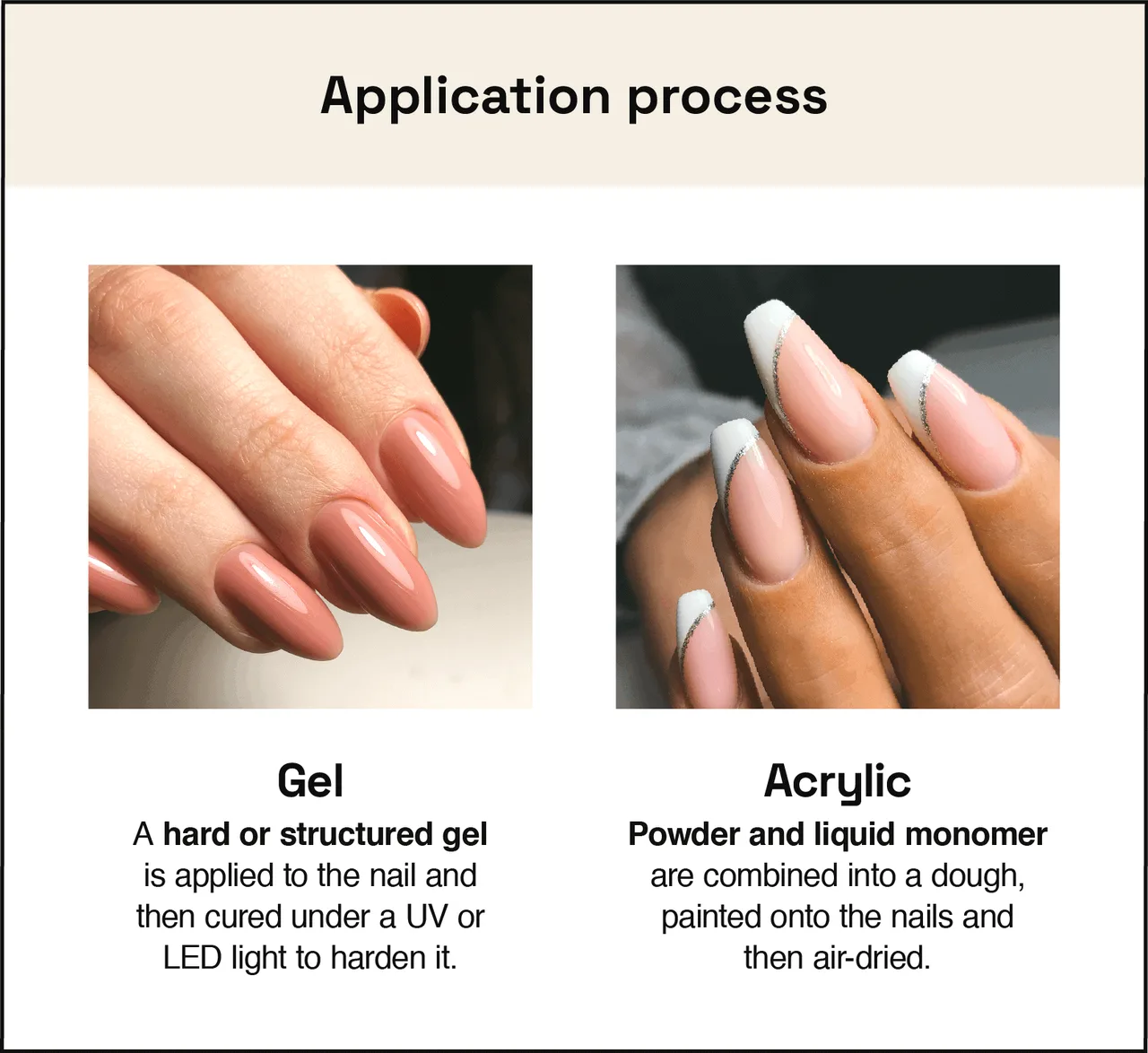
The main differences between gel nails and acrylic nails lie in their chemical composition, application process, durability, flexibility, and removal method. Both offer distinct advantages depending on individual preferences and lifestyle needs. This comparison helps in understanding their core characteristics and how they impact the wearer.
What are the pros and cons of Gel Nails?

Gel nails are notable for their natural look, flexible wear, and low odor, but they are often more expensive and have a complex removal process. The advantages and disadvantages of gel nails depend on application, maintenance, and individual nail health.
Gel nails provide several benefits, including their natural look and lightweight feel, which contribute to comfortable wear. They also have a low odor during application, making them a preferred option for those sensitive to strong chemical smells. However, gel nails often come at a higher price point compared to acrylics, and their removal typically requires soaking, which can be time-consuming and potentially damaging if not performed by a professional. Regular nail care and proper product application are essential to prevent issues such as nail weakening or thinning, as improper techniques or chemical overuse can affect the health of nails and surrounding skin, according to Lao Dong.
What are the pros and cons of Acrylic Nails?
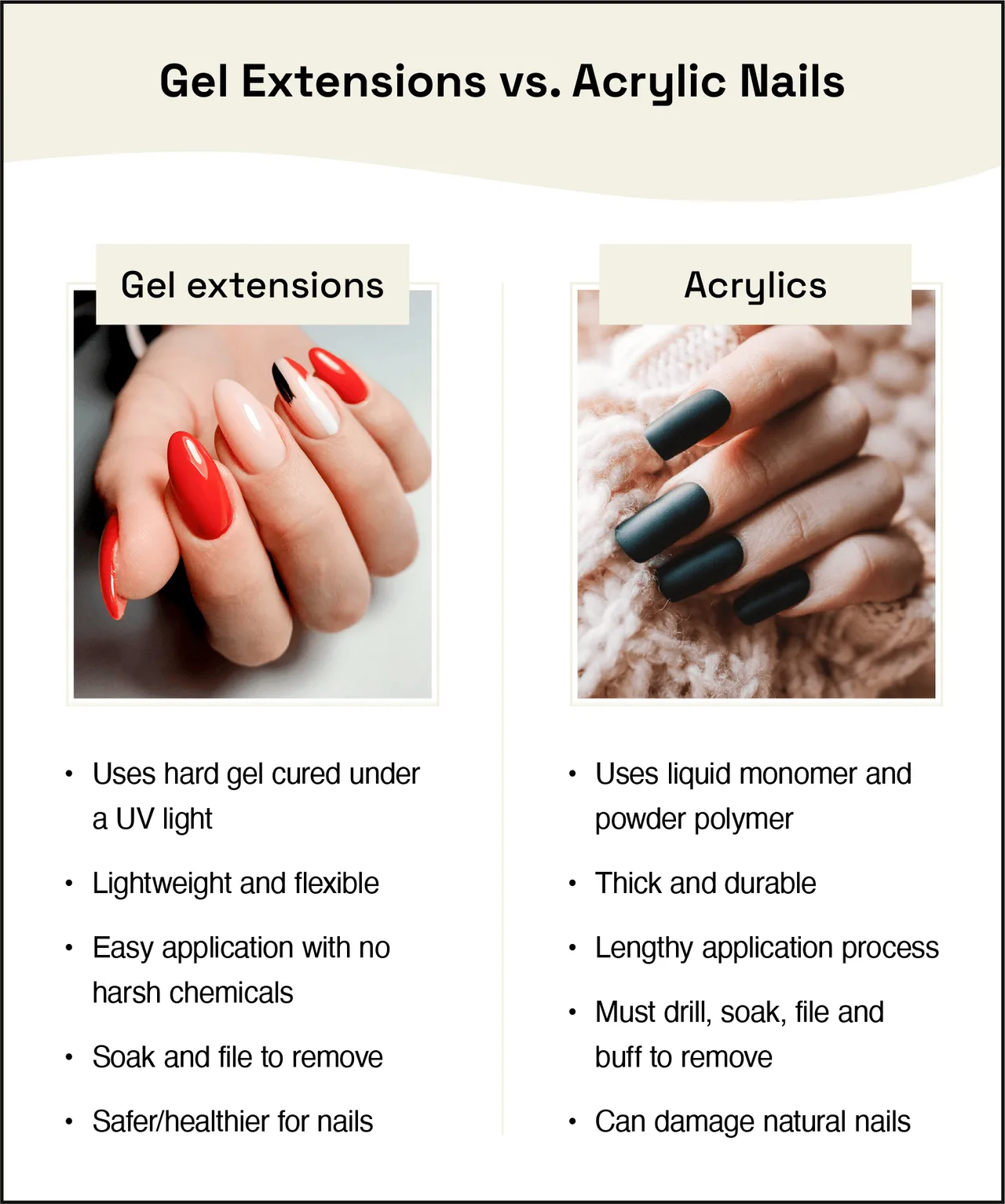
Acrylic nails offer exceptional durability and versatility in design, but they have drawbacks such as a strong chemical odor during application and the potential for damage to natural nails. Understanding these specific aspects helps in evaluating if acrylics are the right choice for individual nail care. The advantages and disadvantages of acrylic nails affect their appeal and suitability for different users.
Acrylic nails are highly favored for their strength, which provides a long-lasting manicure and allows for extensive customization and creative designs as they can be molded into various shapes and lengths. However, the application process involves strong chemical fumes, which can be off-putting for some, and improper application or removal can lead to significant damage to the natural nail. These nails typically require fills every two to three weeks to maintain their appearance and integrity, according to Bworkee.
Which lasts longer: Gel or Acrylic Nails?
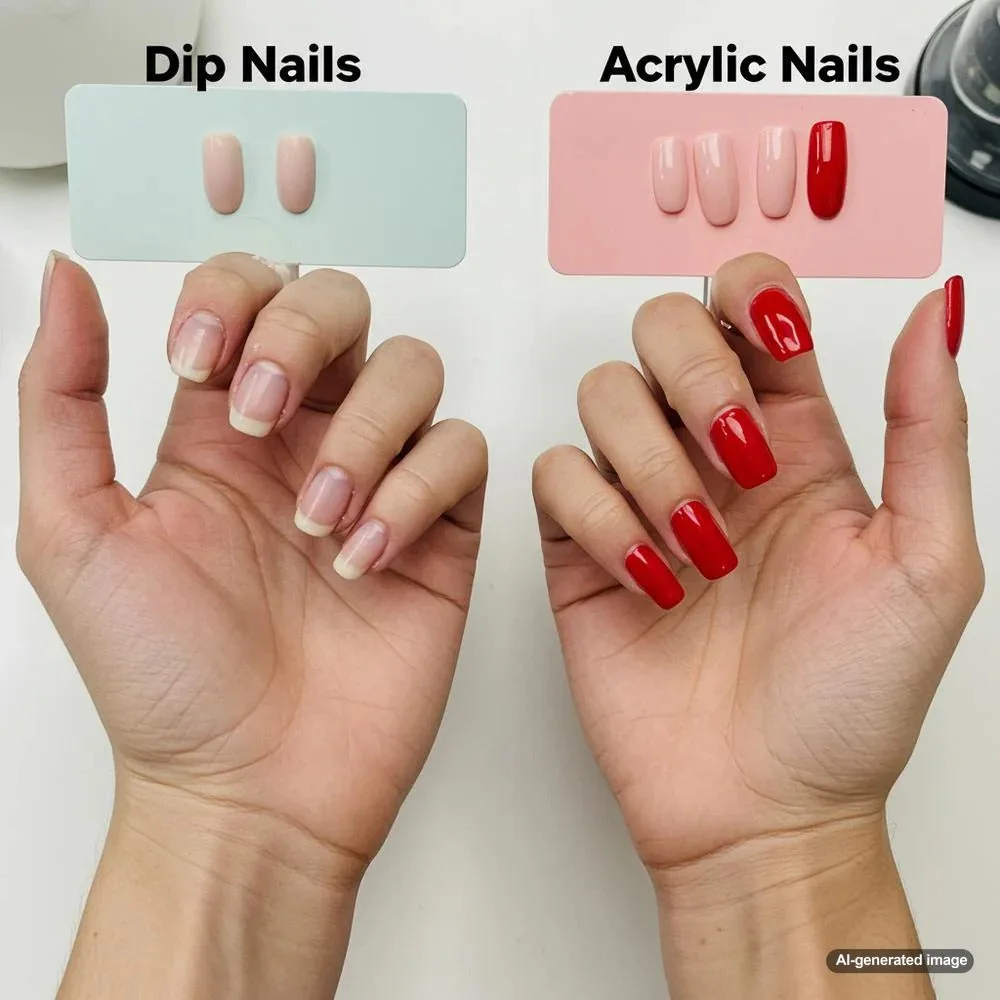
Acrylic nails generally last longer than gel nails, with their lifespan extending beyond gel nails, offering superior durability against daily wear. Both types of nail enhancements provide extended wear, but their inherent properties contribute to differences in longevity. Understanding these distinctions helps in choosing the option best suited for individual needs and activities.
Acrylic nails are known for their exceptional strength and resistance to breakage. According to Chaun Legend Nails, most people find that their acrylic nails last about 2 to 3 weeks before needing a fill, and up to 4 weeks with extra care. This makes them a suitable choice for those seeking a robust and long-lasting manicure.
In contrast, gel nails typically last for 2-3 weeks, requiring consistent maintenance to uphold their appearance. While gel nails offer flexibility, they may be more prone to chipping or lifting under intense conditions compared to the rigid structure of acrylics. Regular nail care and proper product application are essential to prevent issues such as nail weakening or thinning, as improper techniques or chemical overuse can affect the health of nails and surrounding skin, according to Lao Dong.
Do Gel Nails or Acrylic Nails have a greater impact on nail health?

Both gel and acrylic nails can affect nail health. Potential damage primarily stems from improper application or removal processes. Neither type inherently has a greater impact than the other. The extent of this impact depends on various factors, including the technician’s skill and individual nail care. Understanding these potential health concerns is crucial for making an informed choice between the two.
Acrylic nails are associated with a strong chemical odor during application. This can be an irritant to some individuals. Their rigid structure can lead to nail bed damage if snagged or improperly removed. In contrast, gel nails are often considered a healthier option due to their odor-free application and greater flexibility, potentially reducing the risk of impact-related damage. However, both types of enhancements can cause thinning or weakening of natural nails if improper techniques are used during application or removal, or if chemicals are overused, according to Lao Dong.
Are Gel Nails and Acrylic Nails suitable for specific nail conditions?
Both gel and acrylic nails are suitable for certain specific nail conditions. However, careful consideration is necessary based on individual nail health and sensitivities.
Their suitability largely depends on the specific sensitivities or health status of the natural nails. Understanding these interactions ensures proper care and minimizes potential damage, leading to a healthier nail enhancement experience.
Can Gel Nails or Acrylic Nails be used to strengthen weak nails?
Both gel and acrylic nails provide a protective layer, effectively strengthening weak nails. Their effectiveness and potential risks vary based on application and individual nail health. Each type reduces direct exposure to daily stressors.
The choice between them depends on the desired balance of strength, flexibility, and aesthetics. Gel nails, with their flexible nature, offer a less rigid form of protection, potentially reducing impact-related damage. Acrylic nails, known for their extreme hardness, provide a very strong shield against external forces. However, both can cause thinning or weakening of natural nails if improper techniques are used during application or removal, or if chemicals are overused, according to Lao Dong.
Are there any allergy considerations for Gel Nails vs. Acrylic Nails?
Yes, both gel and acrylic nails can cause allergic reactions. These reactions are due to their specific chemical components and application processes. Sensitivities often arise from exposure to certain ingredients, affecting individuals differently.
Addressing common allergens and sensitivities related to gel and acrylic nail products is crucial for client safety. Gel nails often contain acrylates and methacrylates, known sensitizers. Acrylic nails, formed from a liquid monomer and powder polymer, also contain similar compounds. The liquid monomer is often a primary allergen. Reactions range from mild irritation to severe contact dermatitis, affecting both clients and nail technicians.
Conclusion
Ultimately, choosing between gel and acrylic nails depends on individual priorities for durability, aesthetic, and nail health. Acrylics offer superior strength and longevity, ideal for those seeking robust, long-lasting wear. Gel nails provide a more natural look and flexible feel, often preferred for their odor-free application and reduced risk of impact damage. While both can impact nail health if applied or removed improperly, understanding these core differences in chemical composition and application ensures an informed decision for your next manicure.