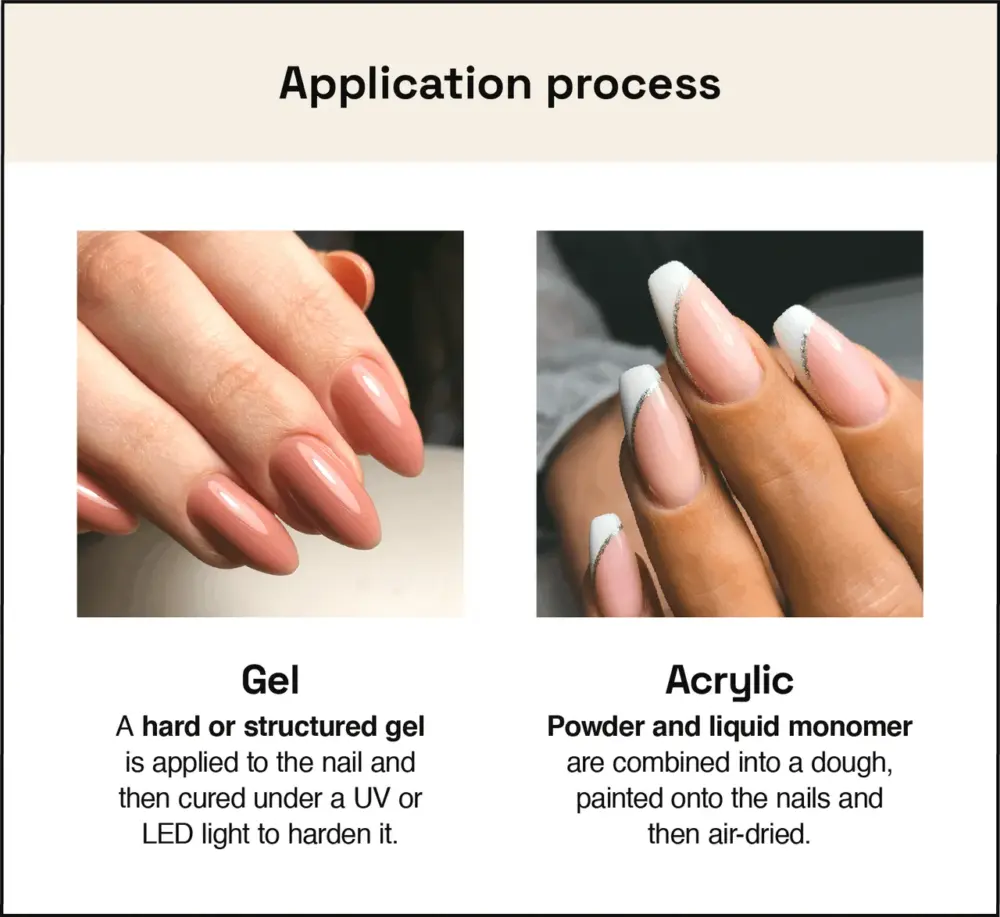
Gel tips and acrylics both offer distinct advantages and disadvantages, and the choice of which is better for your nails ultimately depends on individual needs and preferences. Gel tips are pre-shaped and cured with UV light, while acrylics are created by mixing a liquid monomer and powder polymer directly on the nail. Understanding these fundamental distinctions is crucial for choosing the right nail enhancement. Both require professional application and removal to minimize potential health implications for your nails and skin. However, this article will explore these key differences in detail to help you decide which nail enhancement best suits your needs. We will examine the main differences between gel tips and acrylics, their health implications, and how they compare in durability and maintenance.
Gel tips are generally considered less damaging to natural nails than acrylics. Gel applications involve fewer harsh chemicals, potentially reducing the risk of irritation or weakened nail beds.
Gel tips typically offer more flexibility and a natural look, whereas acrylics are known for their exceptional strength and durability. Gel tips are often easier to maintain with fewer fill-ins required, while acrylics may demand more frequent touch-ups due to their rigidity. Selecting between them depends on your desired balance of aesthetics and resilience.
What are the Main Differences Between Gel Tips and Acrylics?
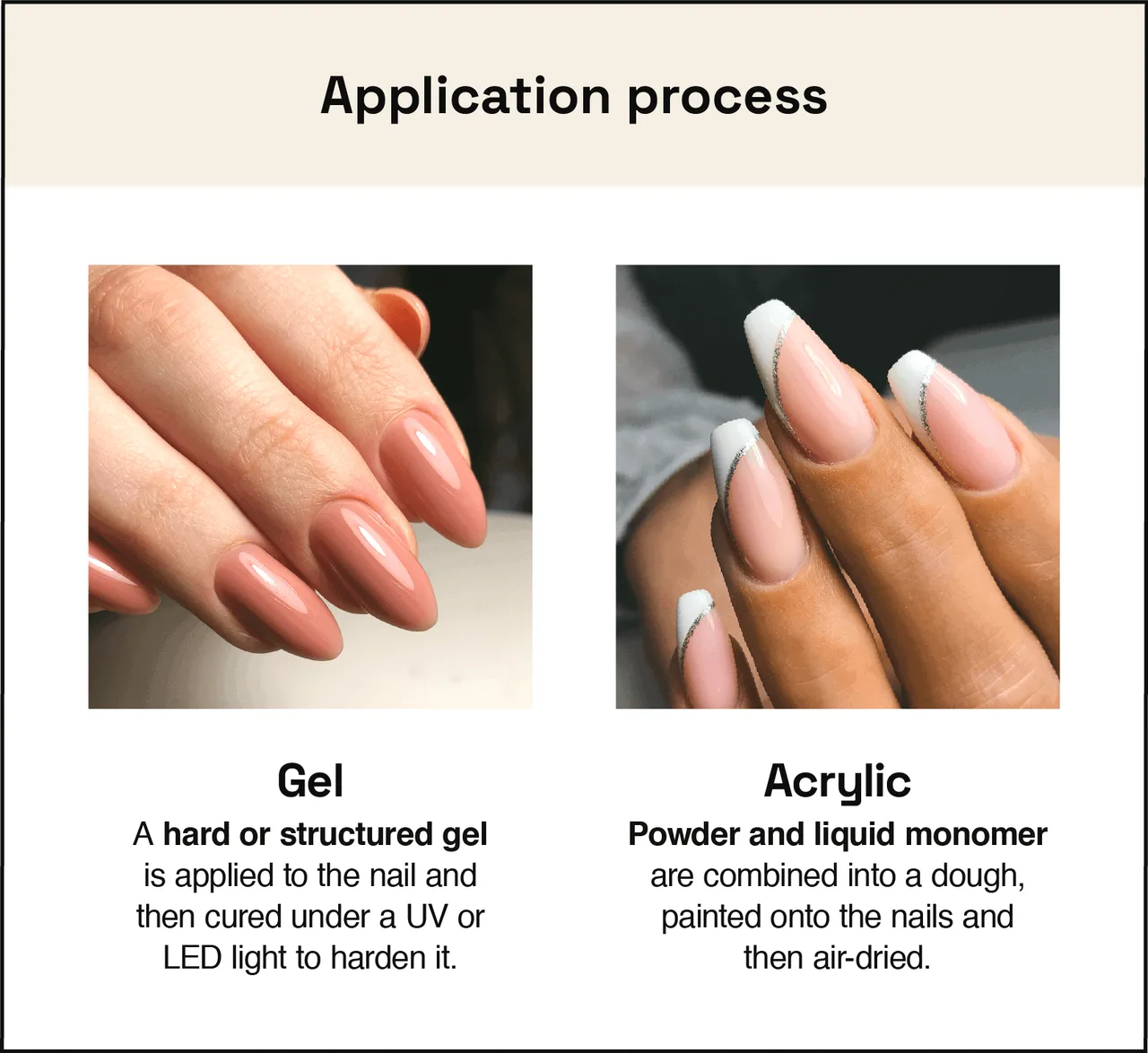
Gel tips and acrylics primarily differ in their composition, application process, and resulting feel. Gel tips are pre-formed enhancements made from a gel-like substance. They are cured under UV or LED light and known for their flexible, natural finish.
Conversely, acrylics are formed by combining a liquid monomer and powder polymer, creating a hard, durable layer that air-dries. These fundamental differences influence their aesthetic, longevity, and overall impact on nail health. Gel tips offer a more lightweight and natural appearance, while acrylics provide superior strength and are often preferred for significantly extending nail length.
What are the Health Implications of Gel Tips and Acrylics?
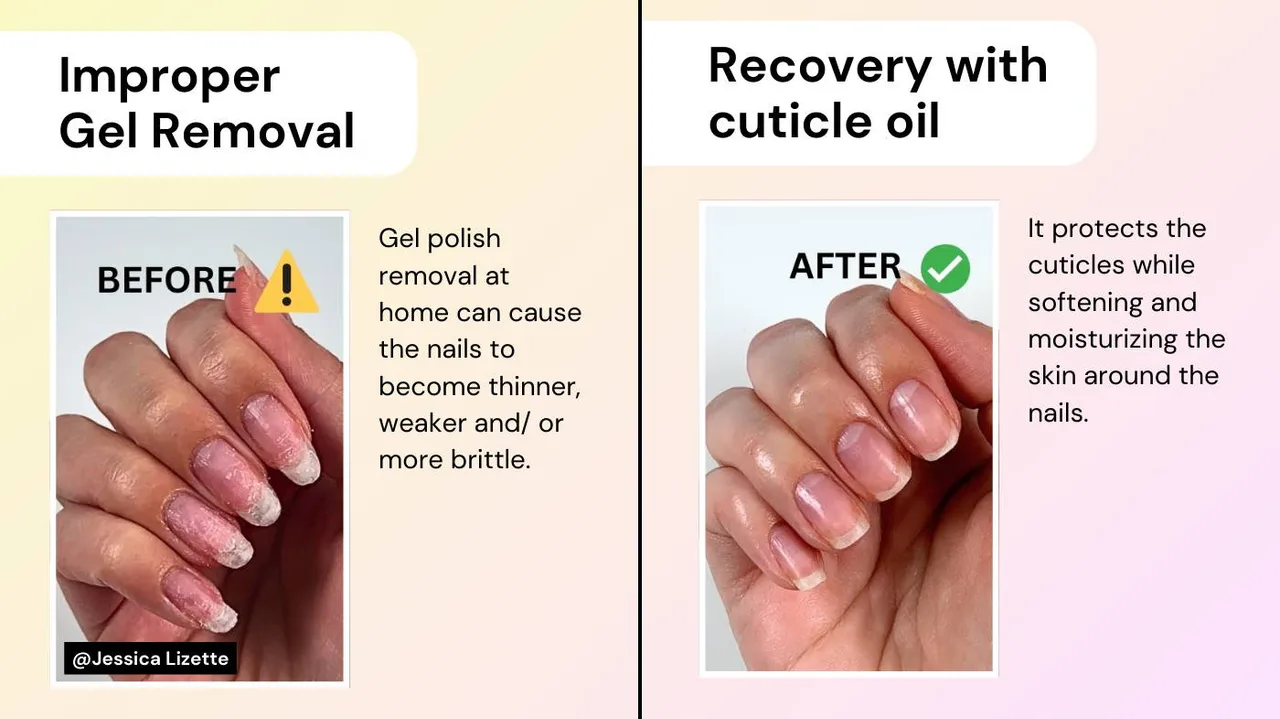
Gel tips generally present fewer health implications than acrylics. This is primarily due to their gentler application process and chemical composition. Gel applications minimize the use of harsh chemicals and strong odors, which can reduce the risk of respiratory irritation and allergic reactions for both clients and technicians. Acrylics, however, often involve a stronger chemical scent and a more aggressive removal process that can weaken natural nails if not done professionally. Careful application and removal are crucial for both methods to prevent damage and maintain nail health.
How Do Gel Tips and Acrylics Compare in Durability and Maintenance?
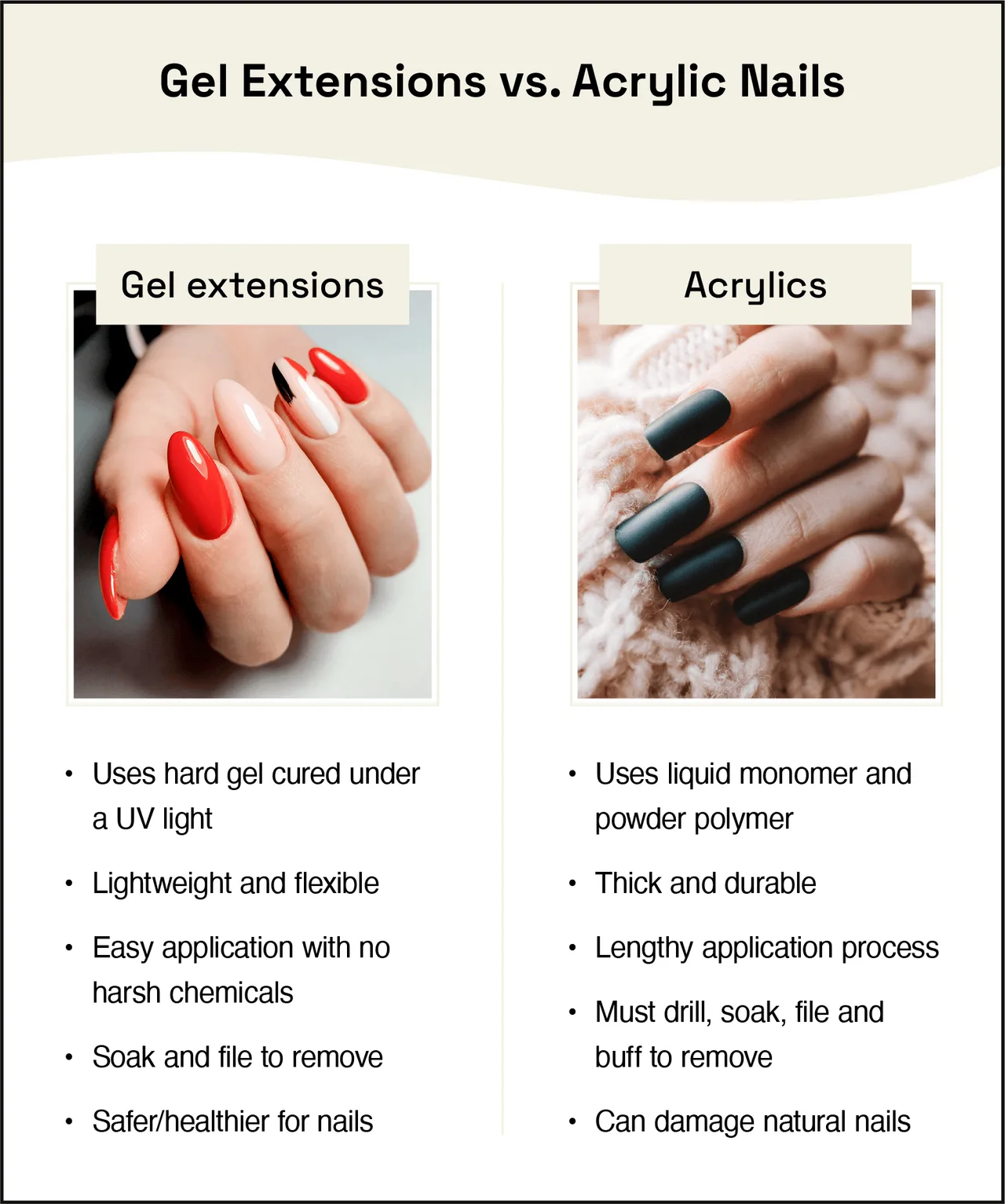
Gel tips are more flexible and easier to maintain, while acrylics are durable but require frequent upkeep. Acrylics excel in strength and durability but may require more regular upkeep.
The choice between them often depends on prioritizing either a natural look with easier maintenance or maximum resilience. Understanding these distinctions helps clients align their nail enhancement choice with their lifestyle and aesthetic preferences.
What is the Application and Removal Process for Gel Tips and Acrylics?
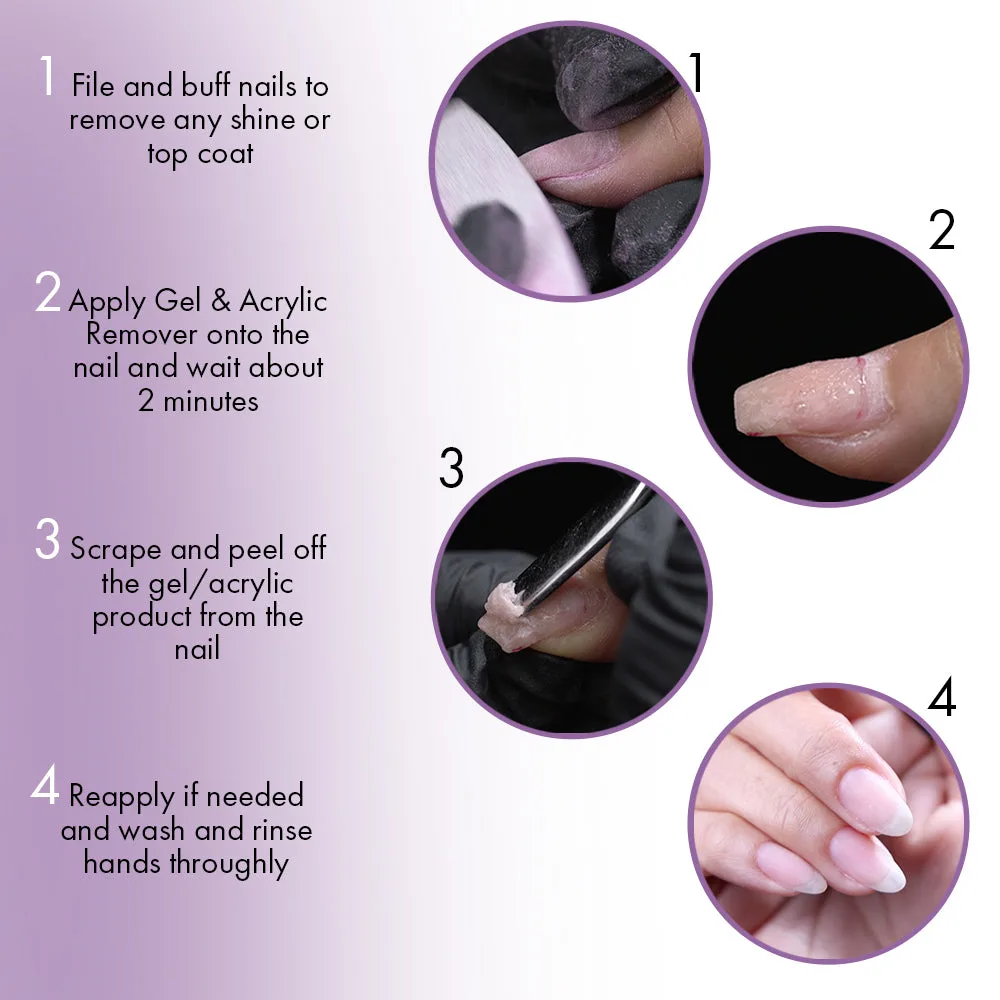
Gel tips are shaped and cured under UV/LED light, while acrylics involve mixing a liquid monomer and powder polymer before air-drying. Both methods demand careful steps for both application and removal to ensure nail health and longevity. The specific procedures vary significantly, influencing the overall experience and end result for the wearer.
Do Gel Tips or Acrylics Offer More Versatility in Nail Art?
Gel tips offer more versatility in nail art due to their smooth surface and flexible nature. They allow for intricate designs and easier application of various embellishments. This contrasts with acrylics, which, while durable, can be more rigid and sometimes more challenging for detailed artistic work. The difference in material properties influences the creative possibilities and limitations for each type of nail enhancement. Gel tips accommodate a broader range of artistic techniques, including encapsulation and elaborate hand-painted designs, more readily than acrylics.
Conclusion
Choosing between gel tips and acrylics depends on individual priorities. Gel tips offer flexibility, a natural look, and easier maintenance. Acrylics provide superior strength, durability, and significant length extension. Gel tips involve a gentler application with fewer harsh chemicals, leading to fewer immediate health implications and greater versatility in nail art. In contrast, acrylics offer unmatched resilience but might require more frequent upkeep. Both options necessitate professional application and removal to maintain nail health, ensuring your choice aligns with your lifestyle and aesthetic preferences.