Nail enhancements offer a way to achieve desired nail aesthetics and durability beyond natural nails. Gel and acrylic are the two primary types of artificial nail enhancements, each providing distinct benefits and applications for various preferences and lifestyles. Understanding their fundamental characteristics is crucial for informed choices.
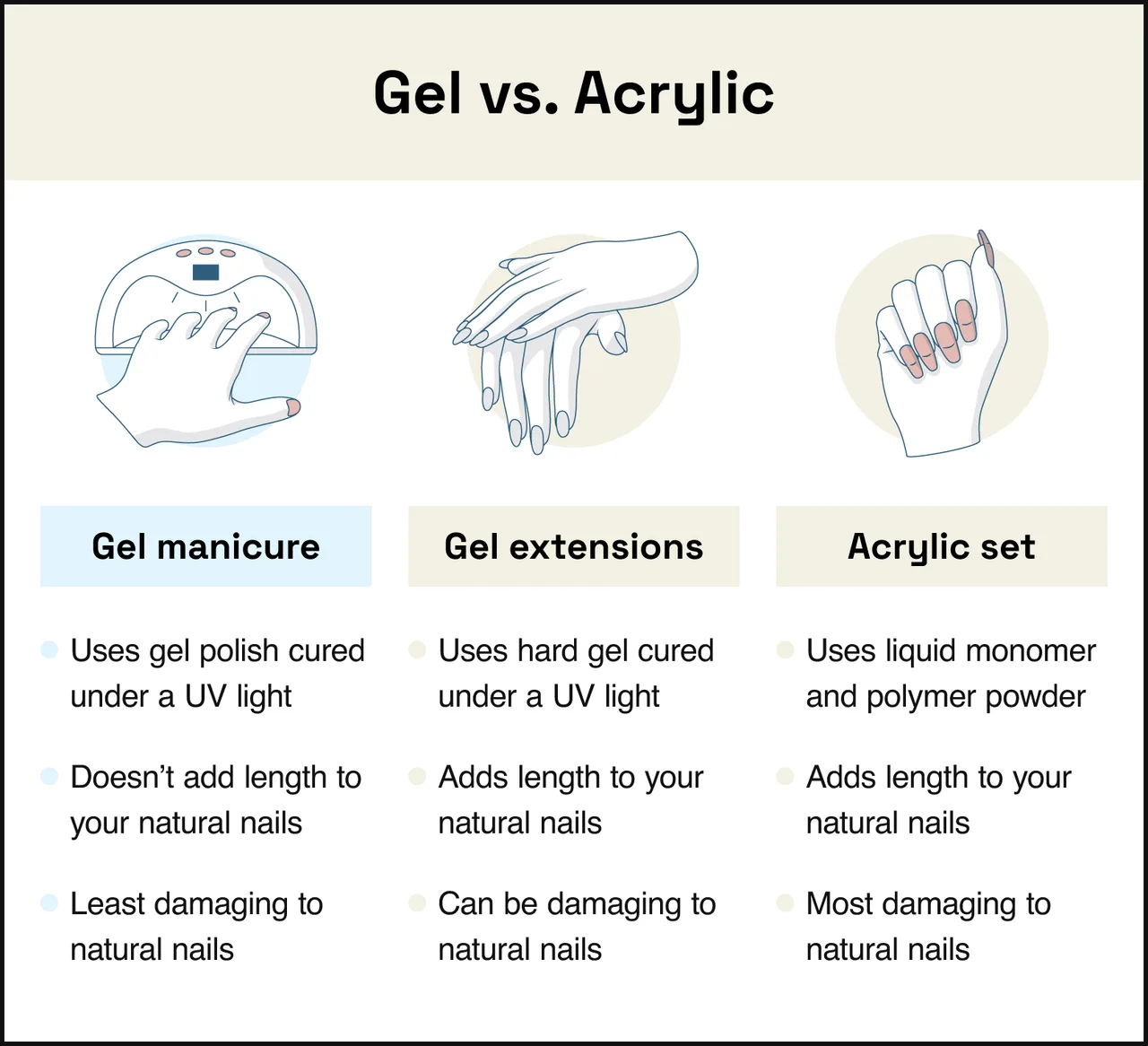
Gel and acrylic nails differ significantly in their chemical composition, application process, and removal methods. Acrylics are formed by mixing a liquid monomer and a powder polymer, creating a hard protective layer, while gels are pre-mixed polymers that cure under UV or LED light, offering a more flexible finish. These distinctions influence their appearance, feel, and longevity.
Maintaining gel and acrylic nail enhancements requires specific care routines to ensure their durability and appearance. Proper at-home care, including regular moisturizing and avoiding harsh chemicals, is essential for both types, complementing professional infills and repairs. Adhering to these practices prolongs the life and beauty of your enhanced nails.
To better understand these options and their maintenance, this article delves deeper into the primary types of nail enhancements, their key differences, and best practices for maintaining them.
What are the primary types of nail enhancements?
Two primary types of nail enhancements are commonly recognized: gel and acrylics, which offer distinct approaches to achieving desired nail aesthetics and durability. These two categories represent the foundational methods for artificial nail application, each providing unique characteristics suitable for varying preferences and needs. Understanding these main types forms the basis for exploring their differences and maintenance requirements.
What is the definition of gel nails?
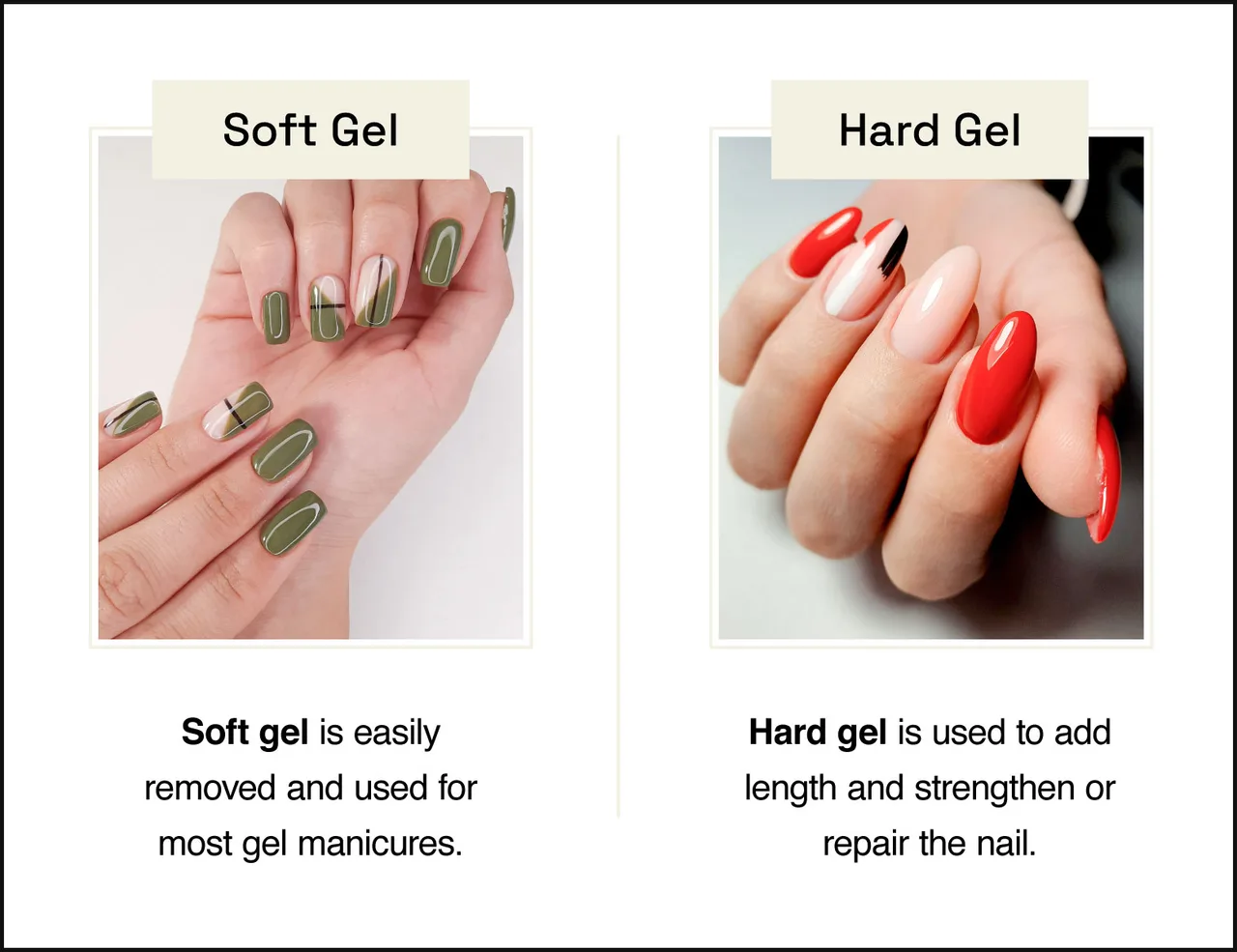
Gel nails are pre-mixed polymer compounds applied to the natural nail and cured under UV or LED light to create a durable enhancement. These enhancements offer a flexible and glossy finish, distinguishing them from other artificial nail types. Gel nail application involves several layers of gel, each cured separately, forming a strong yet pliable overlay that mimics the appearance of natural nails.
What is the definition of acrylic nails?
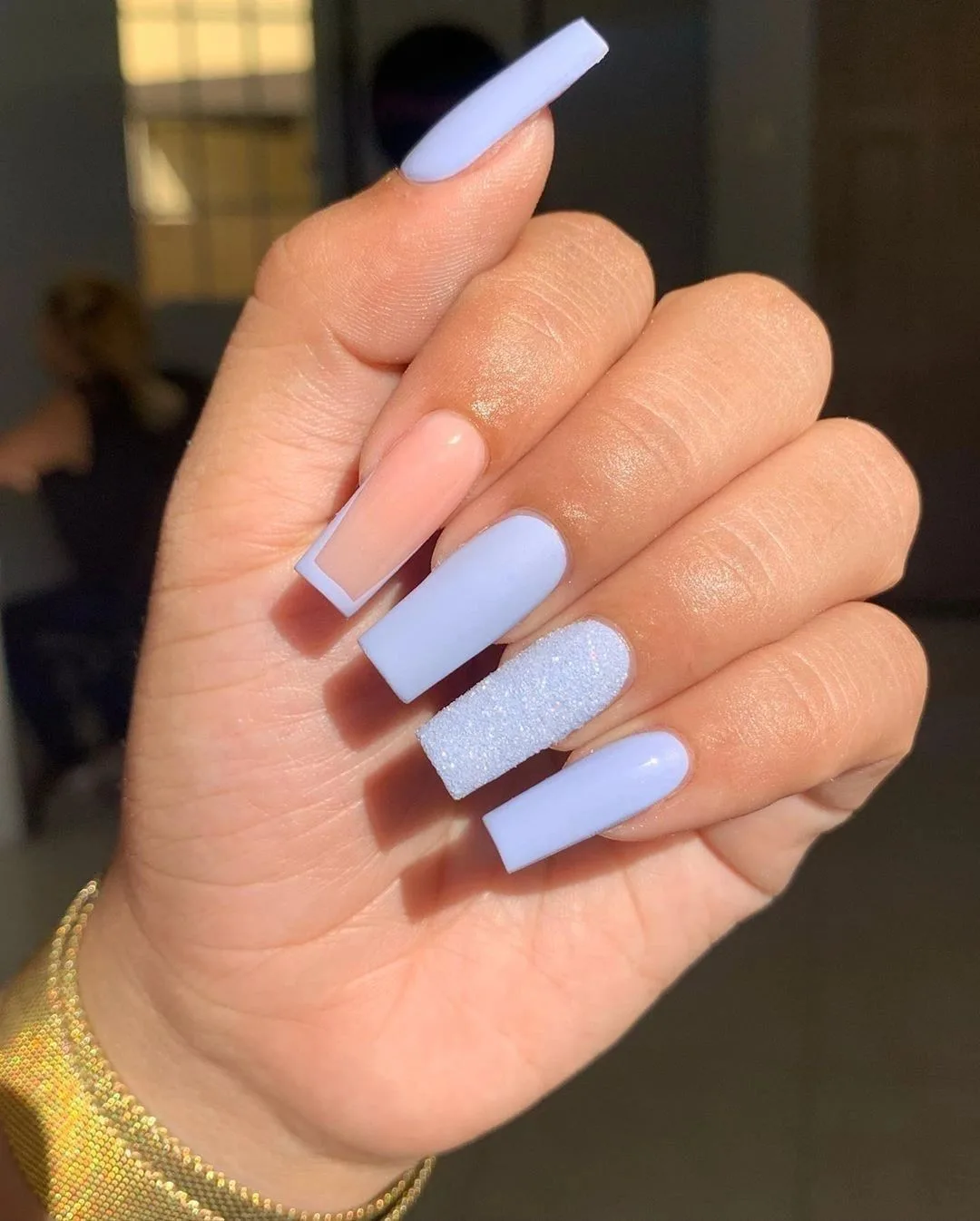
Acrylic nails are formed by combining a liquid monomer and a powder polymer, creating a robust and durable enhancement on the natural nail. This chemical reaction produces a hard, protective layer that is highly resistant to impact and wear. The application process involves the nail technician carefully sculpting this mixture onto the nail, allowing it to air-dry and harden without the need for UV or LED light.
What are the key differences between gel and acrylic nail enhancements?
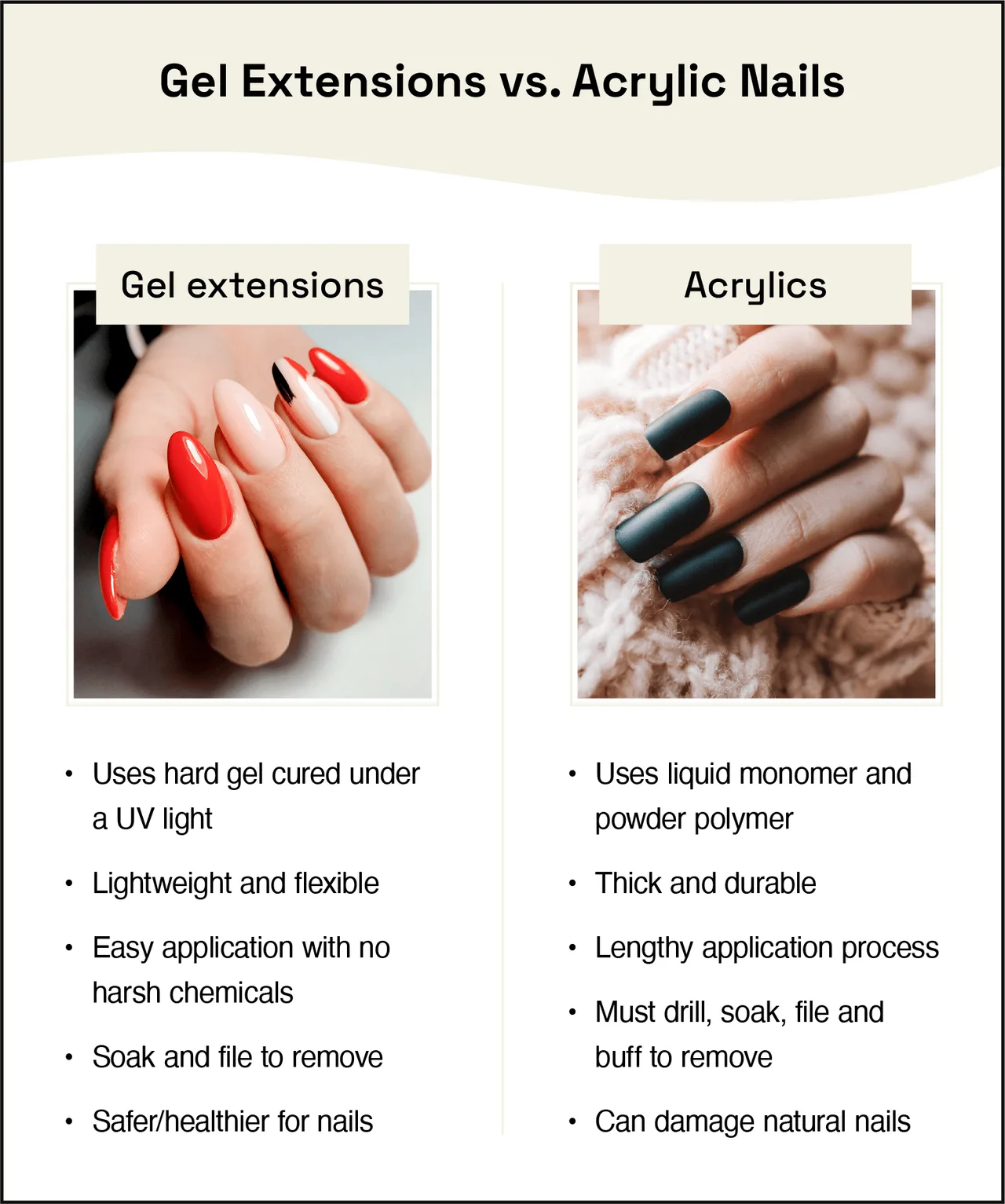
Gel and acrylic nail enhancements differ in their chemical composition, application process, and resulting finish, influencing user preference. These distinctions stem from their core materials and how they interact to form a durable nail overlay. Understanding these variations helps individuals choose the most suitable enhancement for their lifestyle and aesthetic goals.
Which is more durable: gel or acrylic nails?
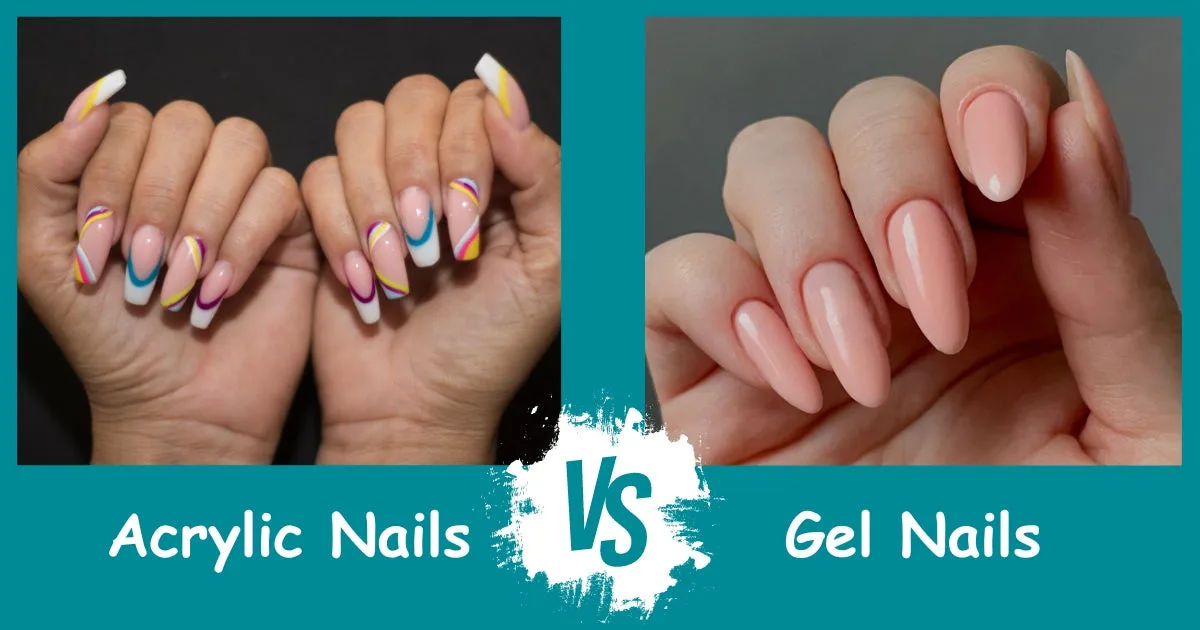
Acrylic nails generally offer superior durability and resistance to chipping or breaking compared to gel nails. This difference in longevity stems from their distinct chemical compositions and structural properties. While both enhancements provide strength, acrylics typically form a harder, more rigid layer on the natural nail, contributing to their robustness.
How do gel and acrylic nails compare in terms of appearance and finish?
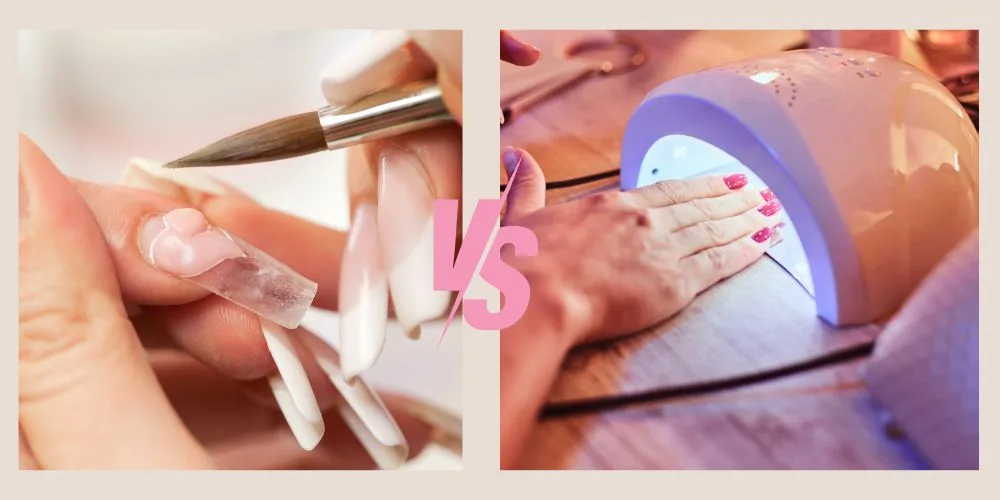
Gel nails typically present a thinner, more flexible, and glossier finish, whereas acrylic nails generally appear thicker, harder, and offer a more opaque look. These distinctions in appearance and finish arise from their differing chemical compositions and application methods. Understanding these visual characteristics helps clients choose enhancements aligning with their desired aesthetic.
What are the differences in application and removal processes for gel and acrylic nails?
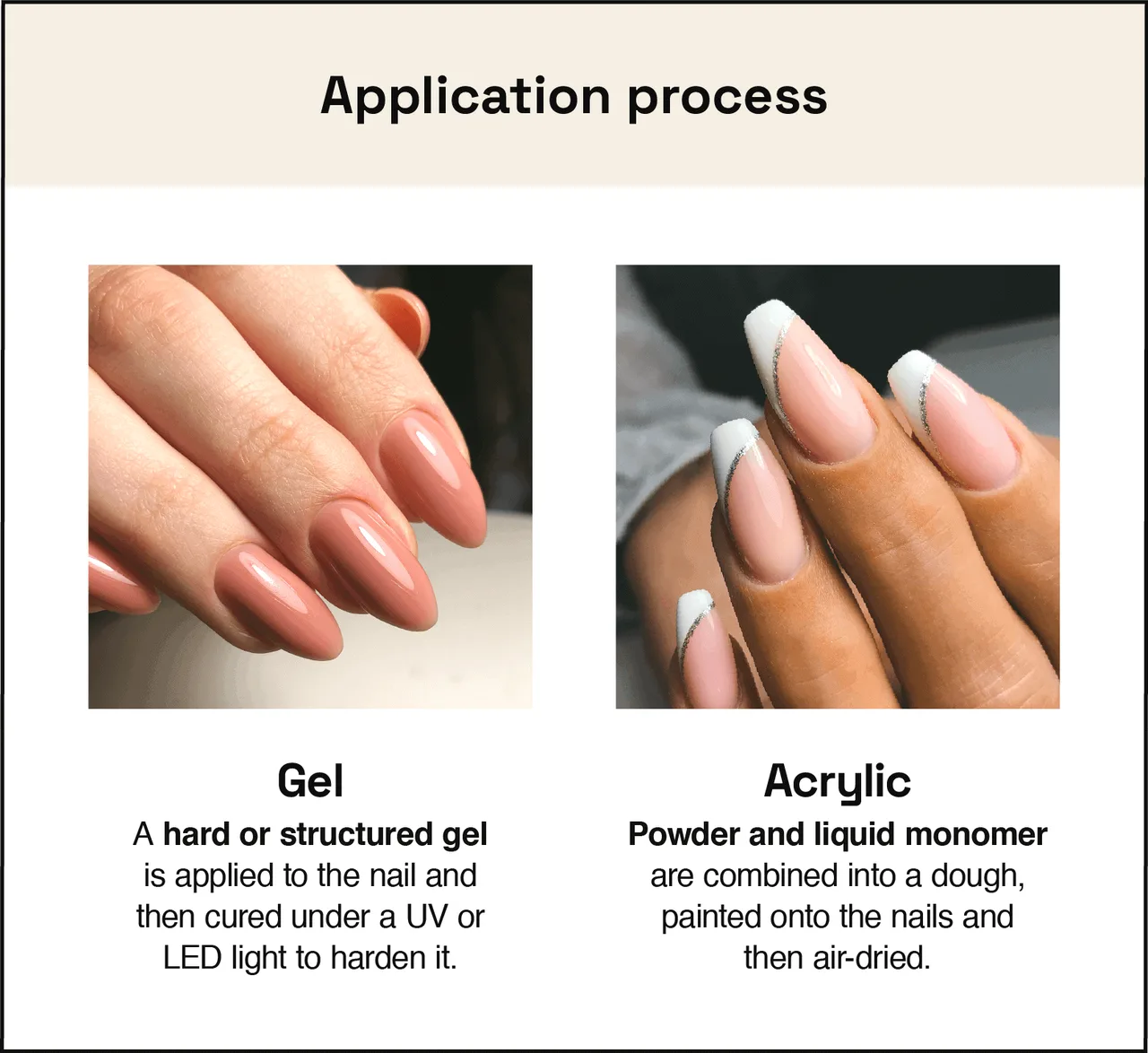
Gel and acrylic nails involve distinct application and removal processes, primarily differing in curing methods and removal techniques. These variations are fundamental to their structural integrity and maintenance requirements. Understanding the specific steps for each enhancement helps in proper care and preservation of nail health.
Are there differences in maintenance requirements between gel and acrylic nails?
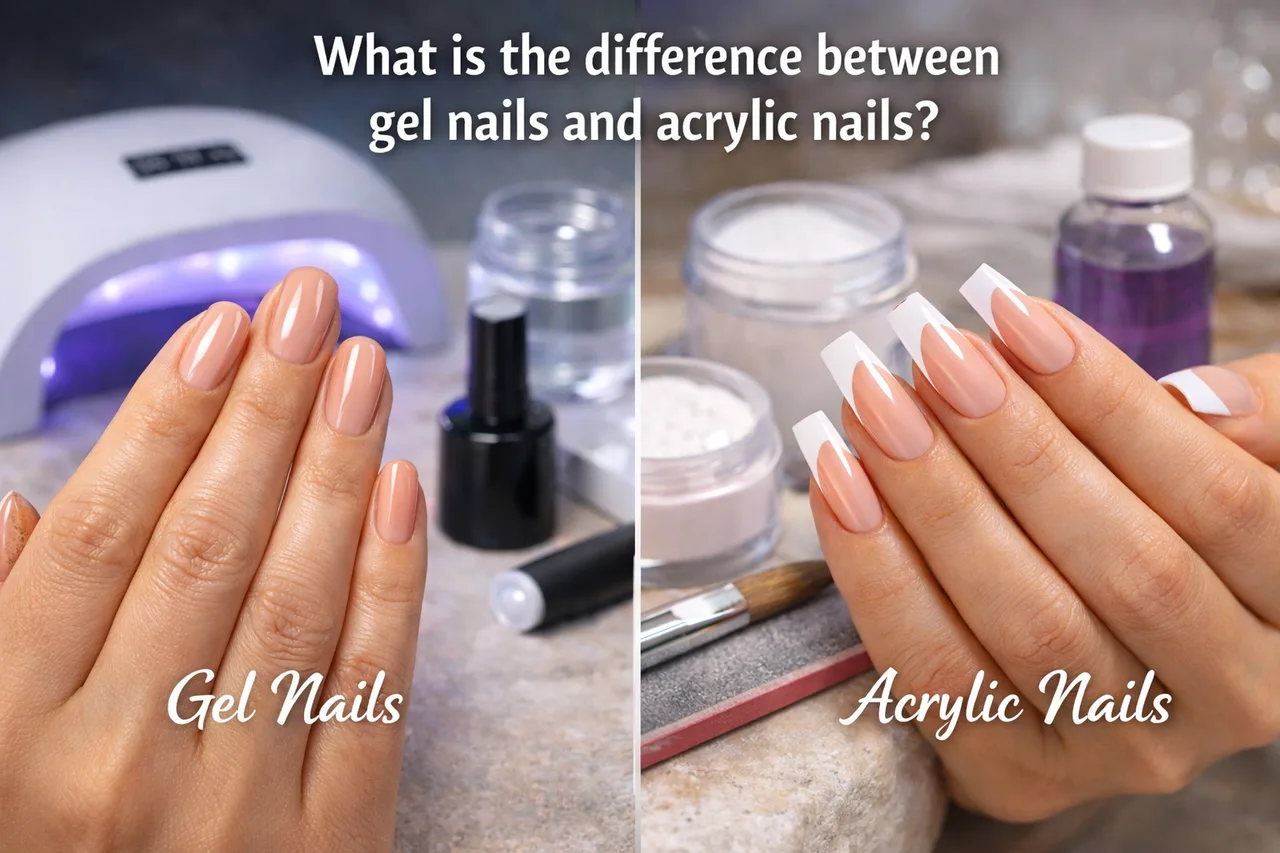
Yes, differences in maintenance requirements exist between gel and acrylic nails, affecting fill-in schedules, at-home care, and potential issues. These variations stem from their distinct chemical compositions and structural properties, influencing how each enhancement type responds to wear and environmental factors. Understanding these specific maintenance needs ensures the longevity and aesthetic appeal of the chosen nail enhancement.
What are the cost differences between gel and acrylic nail services?
Gel and acrylic nail services generally present different cost structures, encompassing both initial application fees and ongoing maintenance expenses. These variations stem from differences in materials, application time, and technician expertise required for each type of enhancement. Understanding these cost distinctions helps clients budget for their preferred nail enhancements over time. Gel nail initial application costs are typically higher than acrylics. The initial cost for a full set of gel nails typically ranges from $35 to $65, whereas acrylics generally cost between $30 and $55. However, acrylic fills are often slightly less expensive than gel fills. Ongoing maintenance for gel nails, including fills every 2-3 weeks, usually costs between $30 and $50 per session, while acrylic fills typically range from $25 to $45 every 2-3 weeks.
What are the best practices for maintaining gel and acrylic nail enhancements?

Maintaining gel and acrylic nail enhancements involves specific best practices to ensure their longevity and aesthetic appeal. These practices include diligent at-home care, understanding professional infill schedules, and recognizing potential issues. Adhering to these guidelines extends the life and beauty of enhanced nails, optimizing their appearance and durability over time.
How can one properly care for gel nails at home?
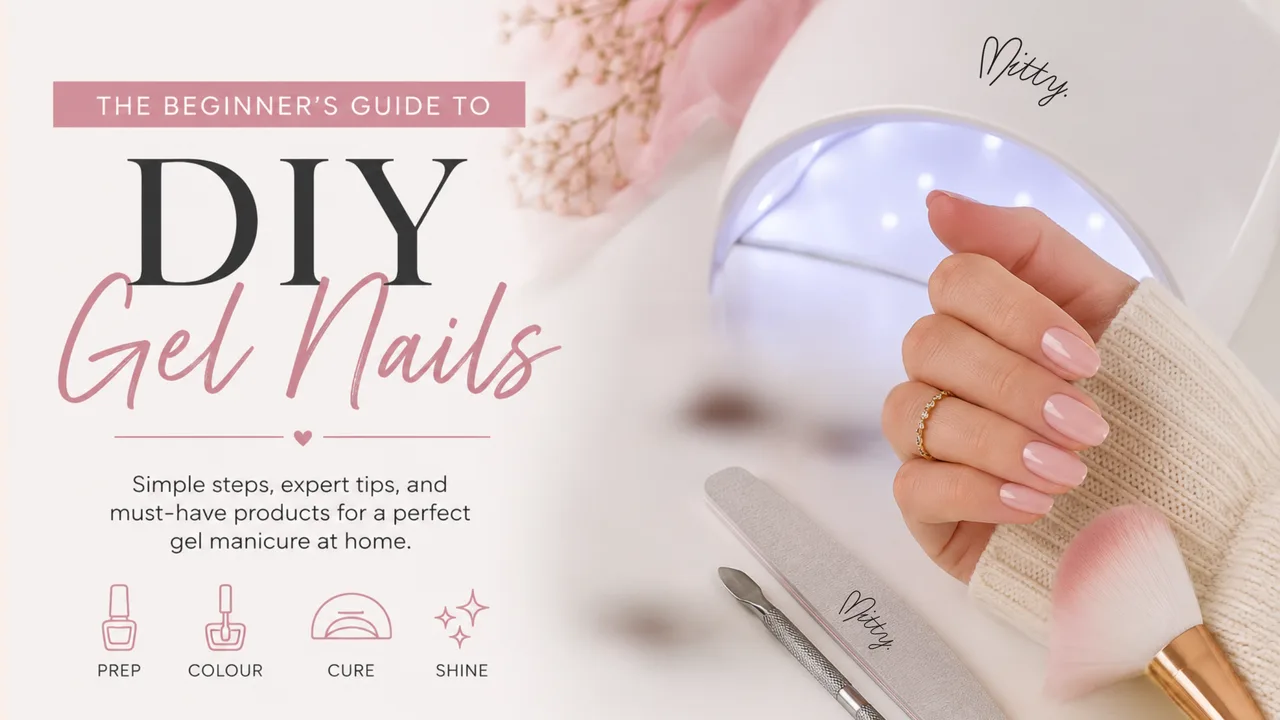
Properly caring for gel nails at home involves diligent everyday practices, avoiding damage, and recognizing early signs of issues. These home care routines are crucial for extending the lifespan and maintaining the aesthetic appeal of gel nail enhancements. Adhering to specific guidelines helps prevent lifting, breakage, and dullness, preserving the integrity of the gel overlay. Key practices include:
- Moisturizing regularly: Apply cuticle oil daily to keep nails and cuticles hydrated, preventing dryness and brittleness.
- Avoiding harsh chemicals: Wear gloves when cleaning or engaging in activities that expose nails to strong detergents or solvents.
- Being gentle: Refrain from using nails as tools to pick or pry, which causes stress and potential damage to the gel.
- Recognizing issues: Monitor for lifting, cracks, or discoloration, addressing these promptly with a professional to prevent further damage or infection.
How can one properly care for acrylic nails at home?
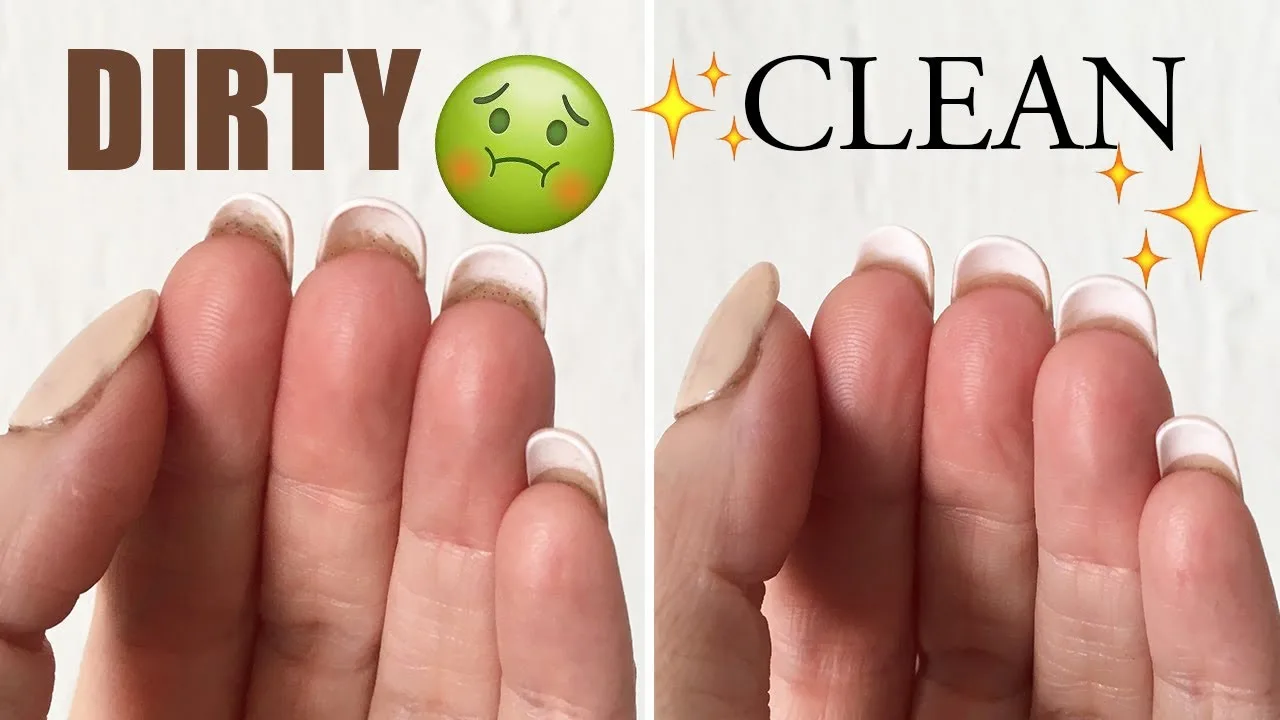
Properly caring for acrylic nails at home involves diligent everyday practices, avoiding damage, and recognizing early signs of issues specific to their rigid structure. These routines are crucial for extending the lifespan and maintaining the aesthetic appeal of acrylic nail enhancements. Adhering to specific guidelines helps prevent lifting, breakage, and dullness.
Key practices include:
- Moisturizing regularly: Apply cuticle oil daily to keep nails and cuticles hydrated, preventing dryness and brittleness around the enhancement.
- Avoiding harsh chemicals: Wear gloves when cleaning or engaging in activities that expose nails to strong detergents or solvents, which degrade acrylics.
- Being gentle: Refrain from using nails as tools to pick or pry, as this causes stress and potential damage to the rigid acrylic.
- Recognizing issues: Monitor for lifting, cracks, or discoloration, addressing these promptly with a professional to prevent further damage or infection.
What are popular styles and shapes for gel and acrylic nails?
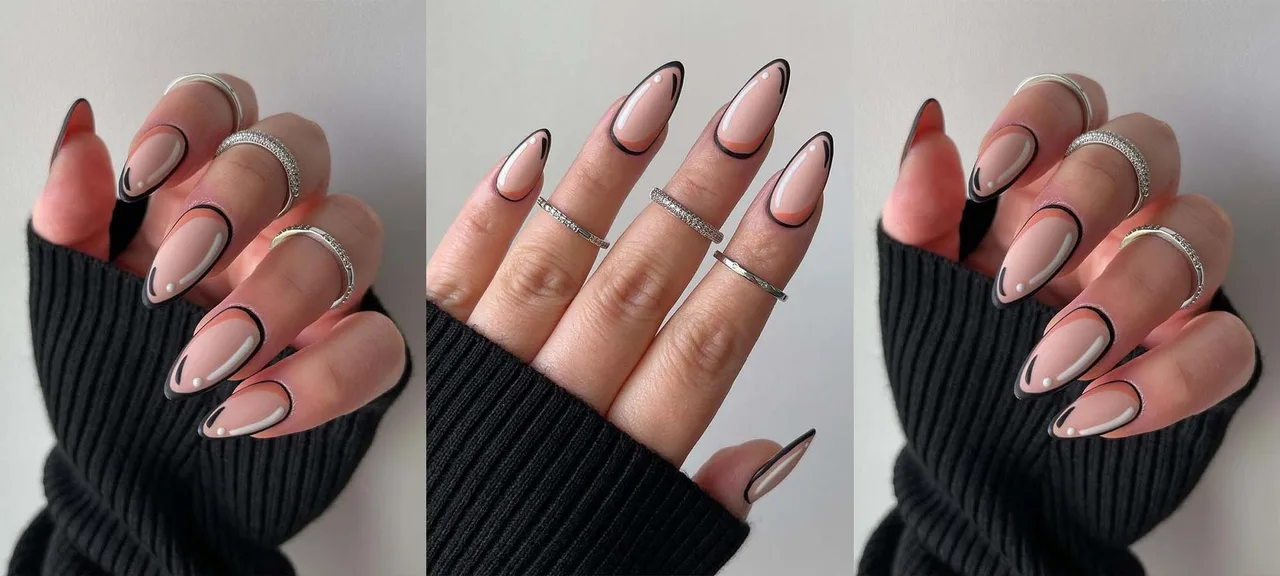
Popular styles and shapes for gel and acrylic nails encompass a diverse range of aesthetic choices, catering to various individual preferences and fashion trends. These enhancements offer versatility in achieving desired looks, from subtle and natural to bold and elaborate. Understanding the common styles and shapes helps individuals visualize and select the perfect enhancement for their aesthetic goals.
What are common nail shapes suitable for enhancements?
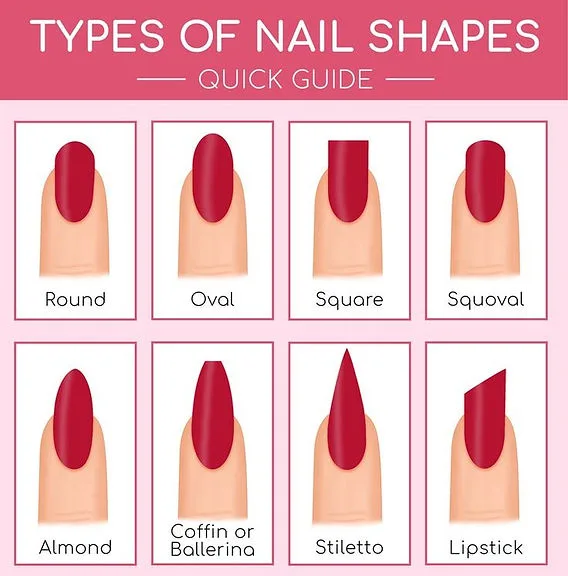
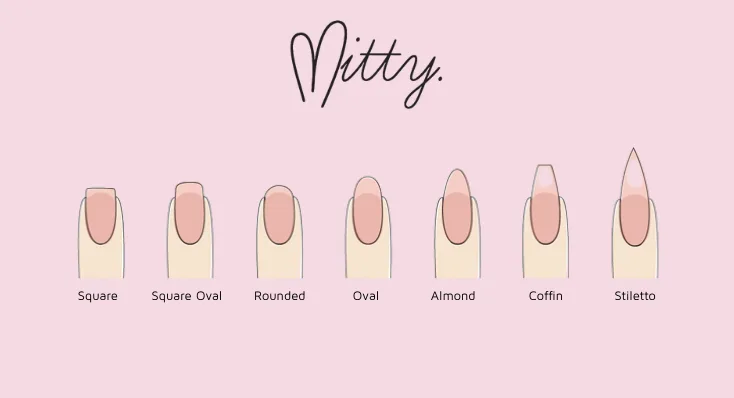
Common nail shapes suitable for enhancements include square, coffin, almond, and stiletto, each offering a distinct aesthetic. These various shapes cater to diverse preferences, allowing for personalized nail designs. Understanding the characteristics of each shape helps individuals select an enhancement that complements their hand shape and desired style. These popular options transform the overall appearance of enhanced nails. For example, the square shape features straight sides and a blunt, flat top, offering a strong, classic look. Coffin nails, also known as ballerina nails, have a tapered shape with a flat tip, resembling a coffin or a ballerina’s slipper. Almond nails are characterized by their slender sides and a rounded, pointed tip, mimicking the shape of an almond. Stiletto nails are long and sharply pointed, creating a dramatic and edgy appearance. Other variations like oval, round, and squoval also remain popular choices for those seeking different levels of elegance or practicality.
What are popular design trends for gel and acrylic nails?
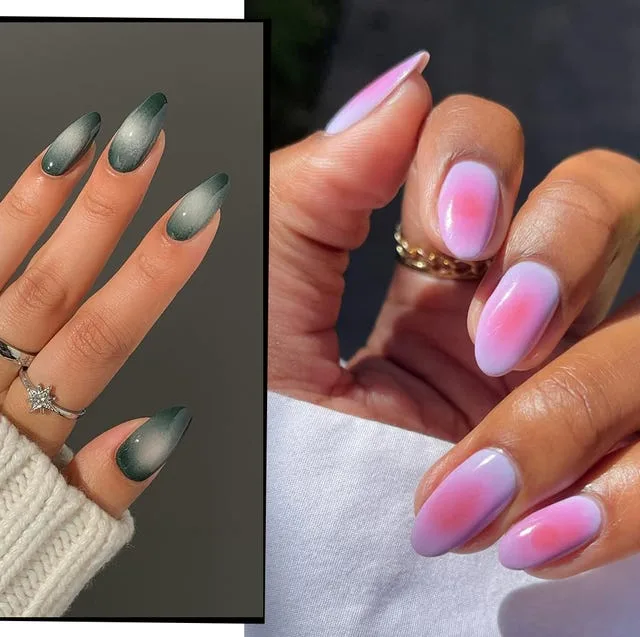
Popular design trends for gel and acrylic nails include abstract art, minimalist designs, and vibrant color palettes, reflecting current fashion aesthetics. These trends offer diverse artistic possibilities, allowing for personalized expressions through nail art. Current styles often incorporate intricate details, bold hues, and varying textures to create eye-catching enhancements. For example, Abstract swirls and geometric patterns are frequently seen, utilizing a mix of matte and glossy finishes. Additionally, Popular colors for gel and acrylic nails range from soft pastels for a subtle look to neon brights for a more dramatic statement. These trends continuously evolve, providing endless creative avenues for both gel and acrylic enhancements.
Are there specific health considerations for gel versus acrylic nail users?
Yes, gel and acrylic nail users need to consider specific health factors. These enhancements, while popular for aesthetic reasons, carry distinct risks related to their chemical composition and application processes. Understanding these factors helps individuals mitigate potential adverse effects and maintain overall nail health.
What are the potential allergic reactions to gel and acrylic nail products?
Potential allergic reactions to gel and acrylic nail products involve common allergens present in their chemical compositions and a range of symptoms. These reactions stem from exposure to specific ingredients during application or wear. Recognizing these allergens and their manifestations helps users identify and address adverse responses effectively.
How do gel and acrylic applications affect natural nail health over time?
Gel and acrylic applications can impact natural nail health over time, potentially leading to weakening or thinning if not properly applied and maintained. These enhancements create a barrier over the natural nail, influencing its strength and overall condition. Long-term use without adequate breaks or improper removal techniques exacerbates these effects, compromising the nail plate’s integrity.
Conclusion
Ultimately, choosing between gel and acrylic nails depends on individual preferences for durability, appearance, application, maintenance, and cost. While acrylics offer superior strength and a harder finish, gel nails provide flexibility and a glossier look, cured under UV/LED light. Both require specific at-home care and professional attention to maintain their aesthetic appeal and ensure natural nail health. Understanding these distinctions allows for an informed decision, leading to beautiful and long-lasting nail enhancements tailored to diverse lifestyles and aesthetic goals.