Gel and acrylic nail extensions offer distinct advantages and disadvantages, making the choice dependent on individual preferences and desired outcomes. This comparison explores their key characteristics to help determine the best fit.
Gel nails typically last around two to three weeks, while acrylic nails can endure for six to eight weeks. Both types require fills every two to three weeks to maintain their appearance and integrity.
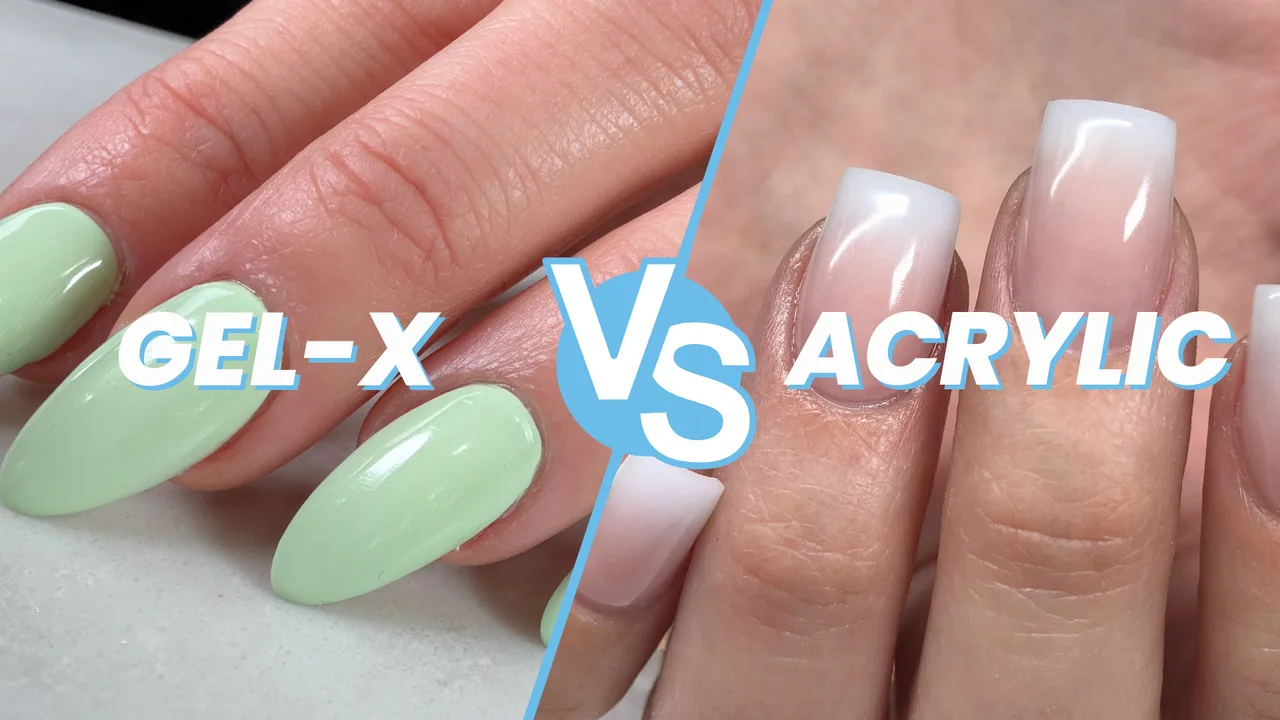
Gel extensions provide a more natural, glossy finish and are often considered more flexible. Acrylic nails are known for their exceptional strength and durability, offering a robust option for those seeking long-lasting wear.
Barber Tall will explore the fundamental differences between gel and acrylic nail extensions, as well as their respective pros and cons.
What are the differences between gel and acrylic nail extensions?
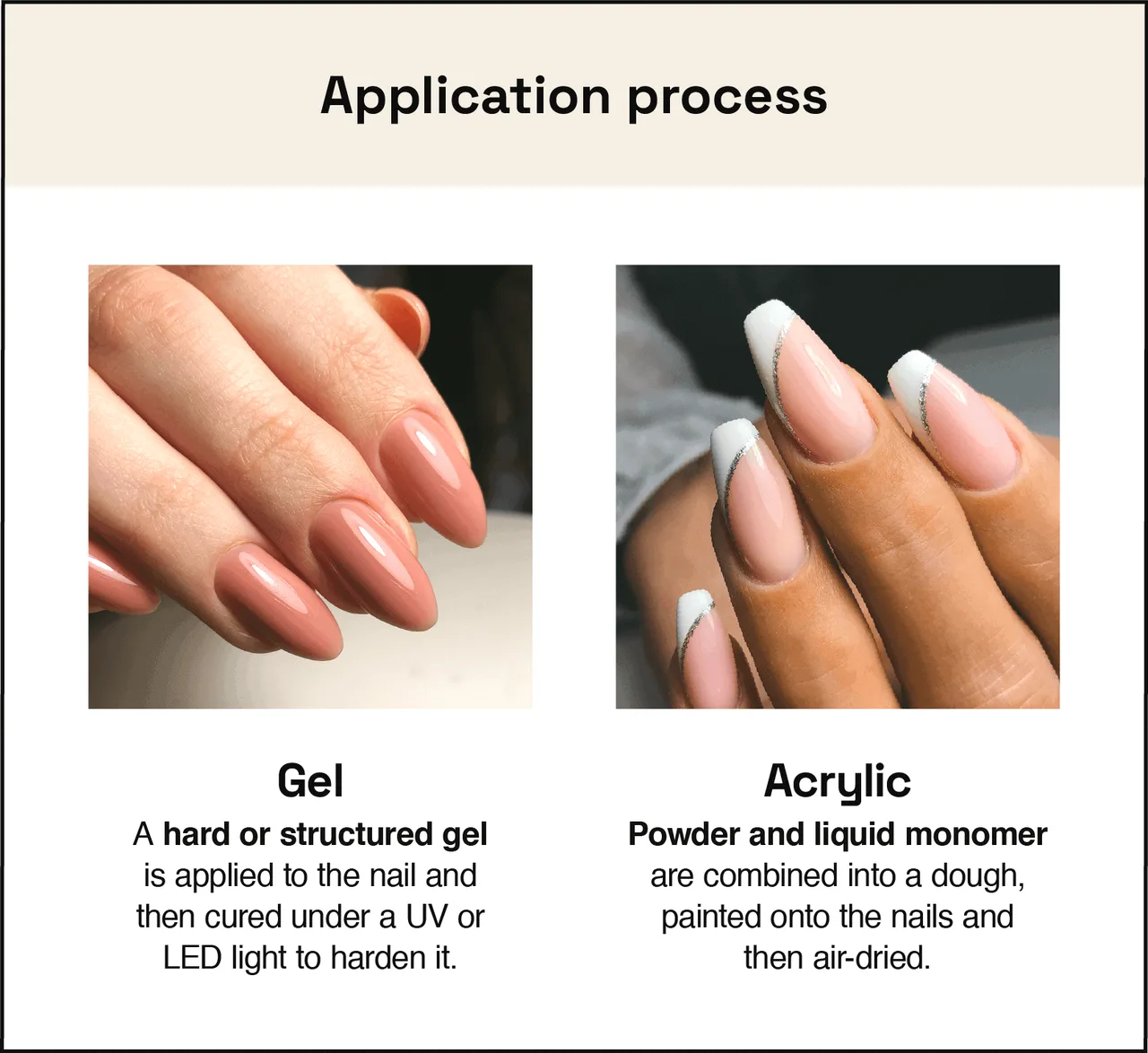
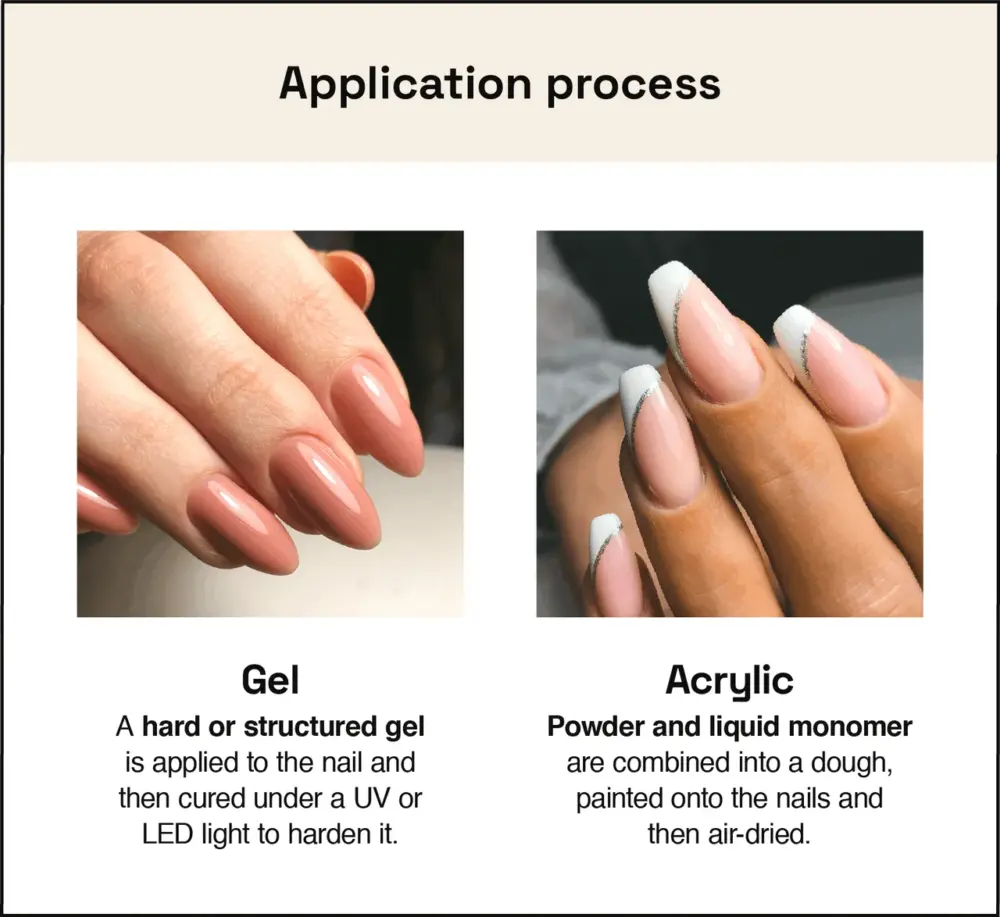
Gel and acrylic nail extensions differ fundamentally in their chemical composition and application processes. Gel nails utilize a pre-mixed polymer gel cured under UV or LED light, while acrylic nails combine a liquid monomer and a powdered polymer to create a hard protective layer. These distinct characteristics influence their feel, finish, and removal methods.
What are the pros and cons of gel nail extensions?
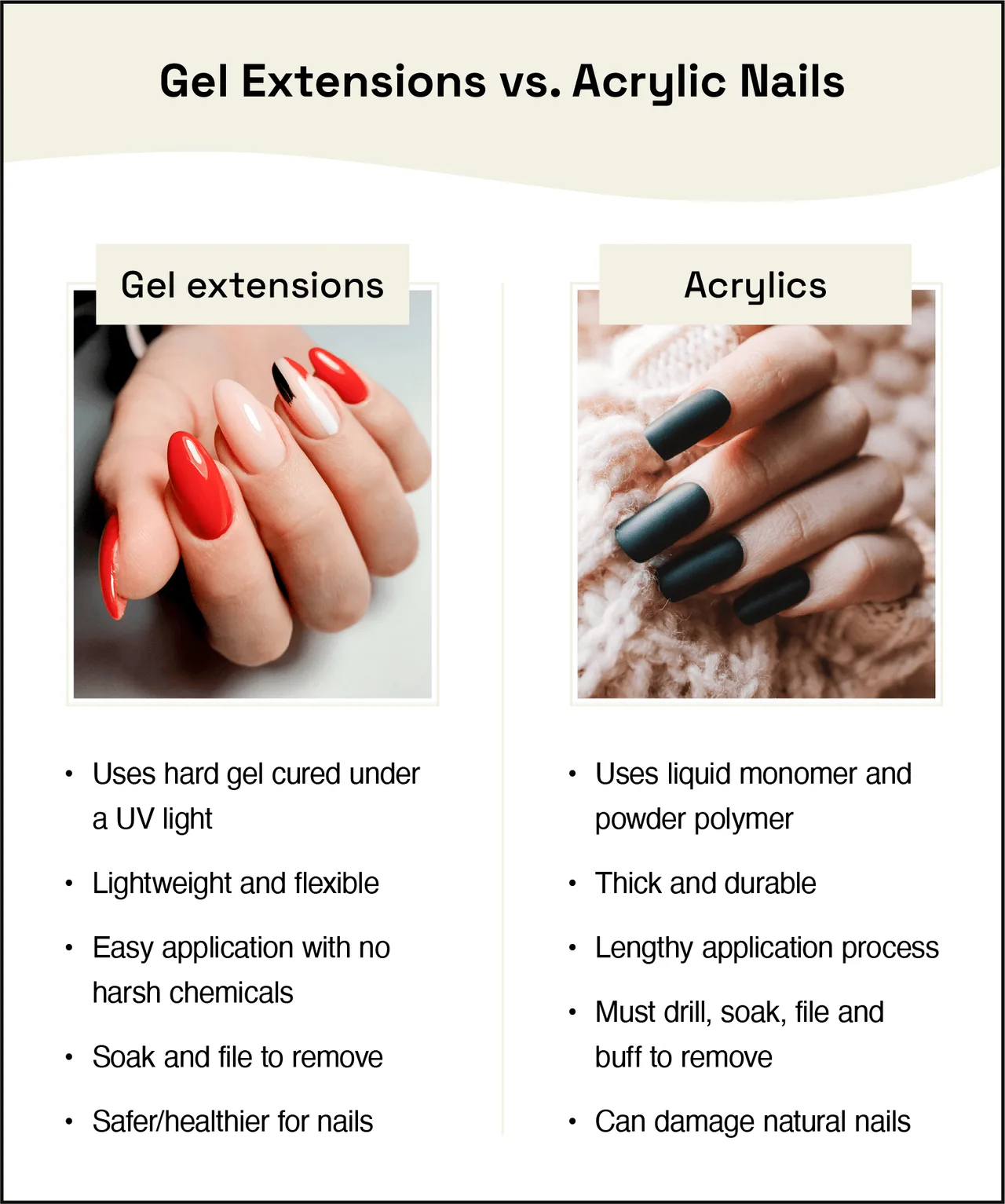
Gel nail extensions offer a natural appearance and flexibility, providing a glossy finish with less damage to the natural nail. They also present a popular choice for those prioritizing aesthetics and a lighter feel. Furthermore, they are known for their odor-free application process.
However, gel extensions require UV or LED light for curing and are typically less durable than acrylics. Gel extensions may be more susceptible to chipping and breaking, necessitating more frequent maintenance or careful handling. The removal process, while gentler, can also be more time-consuming compared to acrylics.
What are the pros and cons of acrylic nail extensions?
Acrylic nail extensions offer exceptional strength and durability, making them highly resistant to chipping and breaking. They are typically more affordable and easier to remove than gel extensions. However, acrylic nails often have a strong chemical odor during application and can appear thicker than gel nails. These attributes influence their appeal among individuals seeking different aesthetic and practical outcomes.
The application process involves mixing a liquid monomer with a powdered polymer, creating a hard, protective layer that provides long-lasting wear. Despite their robustness, acrylic nails are more rigid, potentially feeling less natural than gel extensions.
Which type of nail extension offers better durability?
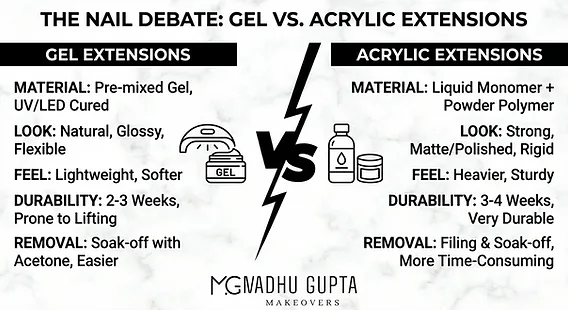
Acrylic nail extensions generally offer superior durability compared to gel extensions, providing greater resistance to chipping and breaking. This enhanced resilience makes acrylics a preferred option for individuals seeking a long-lasting and robust nail enhancement. While gel nails offer flexibility, acrylics maintain their integrity over extended periods, making them more suitable for those requiring maximum wear and strength.
Which nail extension provides a more natural look?

Gel nail extensions generally provide a more natural and glossy appearance compared to acrylic nails. Gel nails are favored for their translucent finish and flexible feel, closely mimicking the look and movement of natural nails. This aesthetic quality makes them a popular choice for individuals prioritizing a subtle and refined enhancement. In contrast, acrylic nails, while highly durable, can sometimes appear thicker and less natural due to their rigid composition and application process. The smoother, more polished surface of gel nails contributes to their natural appeal.
Are gel nail extensions safe for your natural nails?
Gel nail extensions are generally considered safe for natural nails when applied and removed correctly by a qualified technician. Improper application or removal can lead to damage, including thinning, weakening, or breakage of the natural nail. The health of natural nails also depends on proper aftercare and maintenance. Prolonged wear without fills or attempts to remove them at home increase the risk of adverse effects. Additionally, the UV or LED light used for curing gel nails poses potential risks, though studies suggest a low risk of skin damage with typical usage.
Conclusion
Ultimately, the choice between gel and acrylic nail extensions hinges on individual priorities. Gel nails offer a natural, glossy look with flexibility, appealing to those who prioritize aesthetics and a lighter feel. Conversely, acrylic nails provide superior strength and durability, making them ideal for long-lasting wear and robust resistance to chipping. While gel nails are generally considered safe when applied correctly, acrylics are often more affordable and easier to remove. Both require regular maintenance, and the decision comes down to balancing desired appearance, durability, and practical considerations.