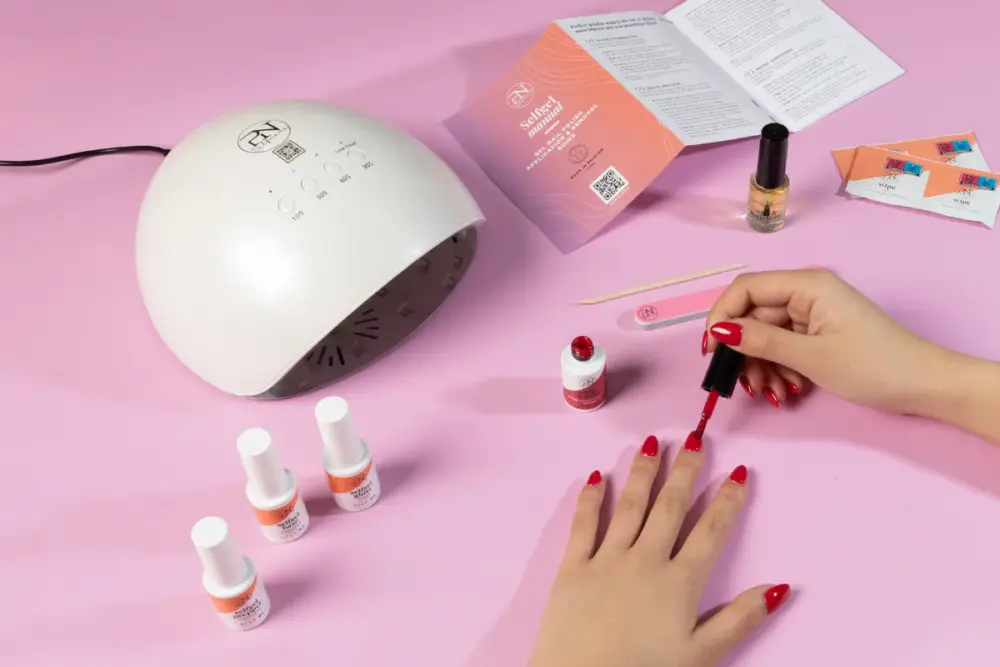
UV light is essential for curing gel manicures, initiating a photochemical reaction that hardens the gel polish. This process forms a durable, chip-resistant finish, distinguishing gel manicures from traditional nail polish. UV gel manicures require UV light exposure to harden, while some ‘regular’ gels may be air-dried or use LED light sources. These distinctions impact application and removal processes. Exposure to UV light during gel manicures presents risks, including potential skin damage and an increased risk of skin cancer. The cumulative effect of UV radiation from nail lamps contributes to premature skin aging and DNA damage, according to Nguyen Tri Phuong Hospital and Thanh Nien. This article explains the functions of UV light, the differences between gel types, and associated risks. Understanding these safety implications and the intricate curing process is crucial.
What is the role of UV light in curing gel manicures?
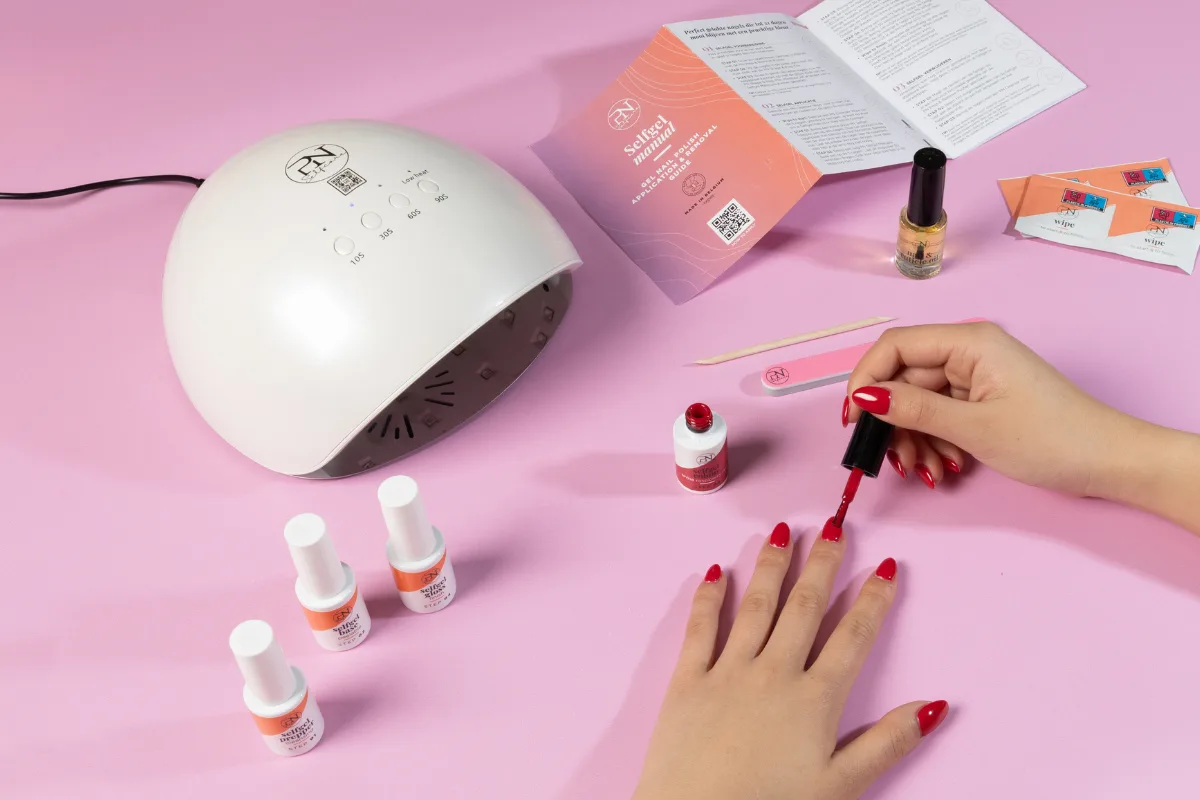
UV light polymerizes gel monomers, transforming liquid gel into a solid state. This curing process is distinct from air-drying methods, which rely on solvent evaporation for hardening. During a UV gel manicure, the light energy from the UV lamp excites photoinitiators within the gel formula. These photoinitiators then produce free radicals that trigger a chain reaction, linking the individual monomer and oligomer units together to form long, intertwined polymer chains. The formation of this cross-linked polymer network creates the durable and chip-resistant finish characteristic of UV gel manicures.
What are the differences between UV gel and regular gel manicures?
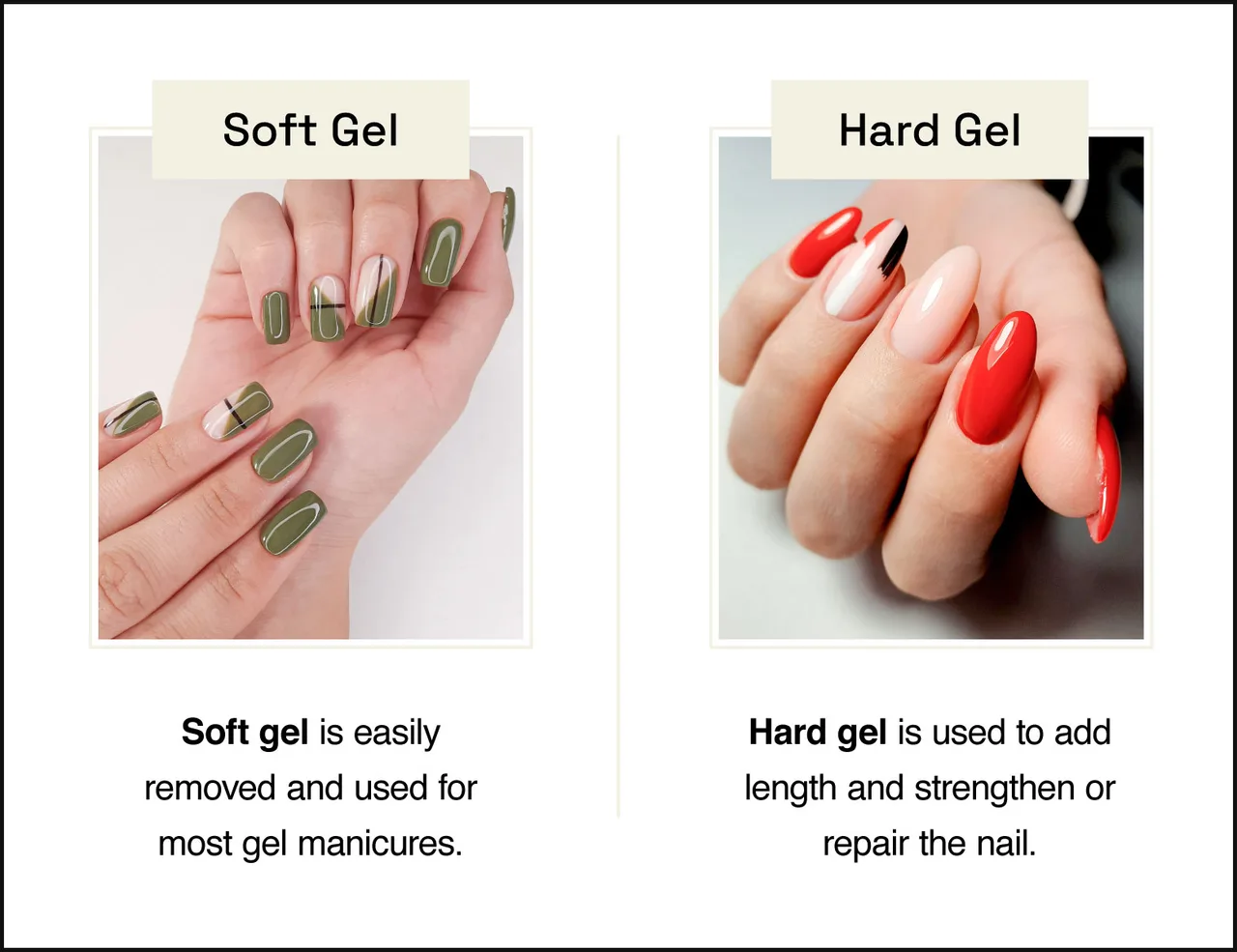
UV gel manicures need UV light for curing, while regular gel manicures can air-dry or use LED light. This fundamental distinction impacts the polymerization process, durability, and potential safety considerations of each method. UV gel formulations contain specific photoinitiators that become active only when exposed to ultraviolet radiation, creating a strong, cross-linked polymer network. In contrast, some regular gel polishes harden through solvent evaporation, similar to traditional nail polish, or by reacting with photoinitiators activated by LED light, which emits a narrower spectrum of light compared to broad-spectrum UV lamps. These variations influence the setting time and the overall resilience of the manicure.
What are the risks and disadvantages associated with UV gel manicures?
UV gel manicures pose risks including skin damage, allergic reactions, and weakened natural nails. These issues stem primarily from UV radiation and chemical components in gel polishes. Understanding these potential disadvantages is crucial for individuals considering or regularly receiving UV gel manicures.
Are there safety concerns regarding UV light exposure during gel manicures?

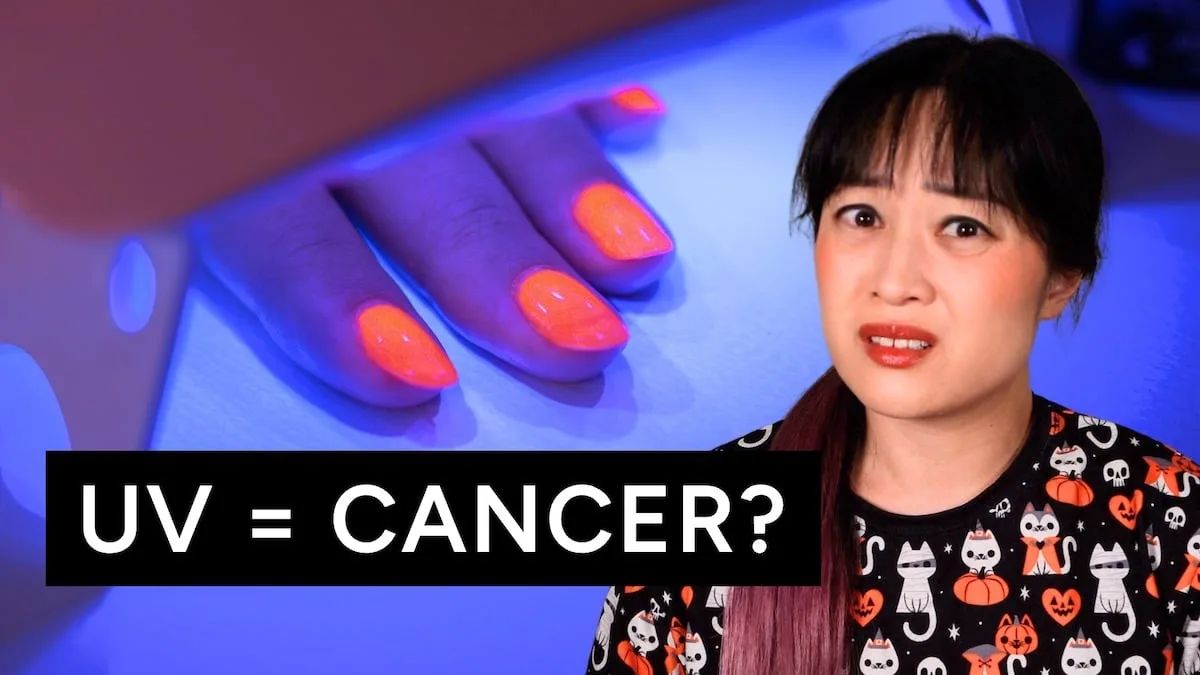
Yes, UV light exposure during gel manicures raises safety concerns, primarily due to potential skin damage and an increased risk of skin cancer. This debate centers on the types of UV rays emitted by nail lamps and their cumulative effects on skin health. UV nail lamps typically emit UVA rays, which penetrate deeper into the skin than UVB rays, contributing to premature aging and DNA damage. Understanding these potential impacts is essential for individuals undergoing regular gel manicure treatments.
What protective measures can be taken against UV light exposure during gel manicures?
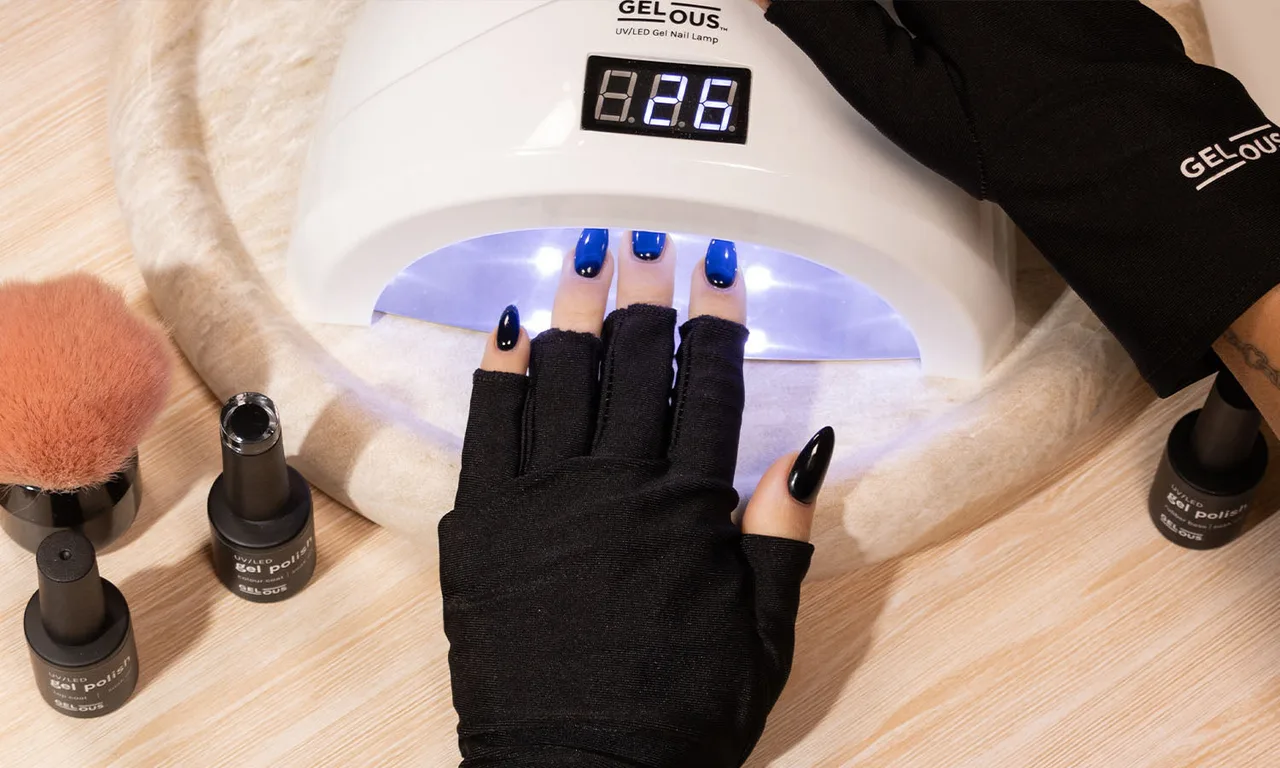
To minimize UV light exposure during gel manicures, apply sunscreen, wear protective gloves, or choose LED-cured gel alternatives. These measures collectively reduce the risks associated with UV radiation. Addressing these protective actions is crucial for individuals seeking to mitigate potential skin damage and other adverse effects from UV nail lamps. Implementing these preventative steps helps safeguard skin health during the gel manicure process. Specific methods include applying a broad-spectrum sunscreen with an SPF of 30 or higher to hands 20 minutes before UV exposure, wearing UV-protective gloves that cover the fingers while exposing only the nails, or choosing LED gel manicures, which use a different light spectrum for curing.
How do UV light wavelengths impact gel polish formulations?
UV light wavelengths activate photoinitiators in gel polish, influencing curing efficiency and final gel properties. This activation transforms liquid gel into a durable, solid layer. Different wavelengths have distinct energy levels, determining which photoinitiators absorb light and initiate polymerization. For instance, UVA rays penetrate deeply into both skin and gel, activating photoinitiators designed for longer wavelengths to ensure a thorough cure from top to bottom, according to Kinh Hai Trieu and Nha Thuoc Long Chau. The precise combination of photoinitiators and their sensitivity to various UV wavelengths dictates curing speed, hardness, and resistance to chipping and wear.
Conclusion
UV light is crucial for curing gel manicures, initiating a photochemical reaction that transforms liquid gel into a durable, chip-resistant finish. While UV gels require specific light exposure for polymerization, leading to stronger bonds, this process also entails risks such as potential skin damage, premature aging, and an increased risk of skin cancer due to UVA ray exposure. Protective measures like sunscreen and UV-protective gloves, or choosing LED-cured alternatives, are essential to mitigate these adverse effects. Understanding these aspects allows for informed decisions regarding the safety and longevity of gel manicures.