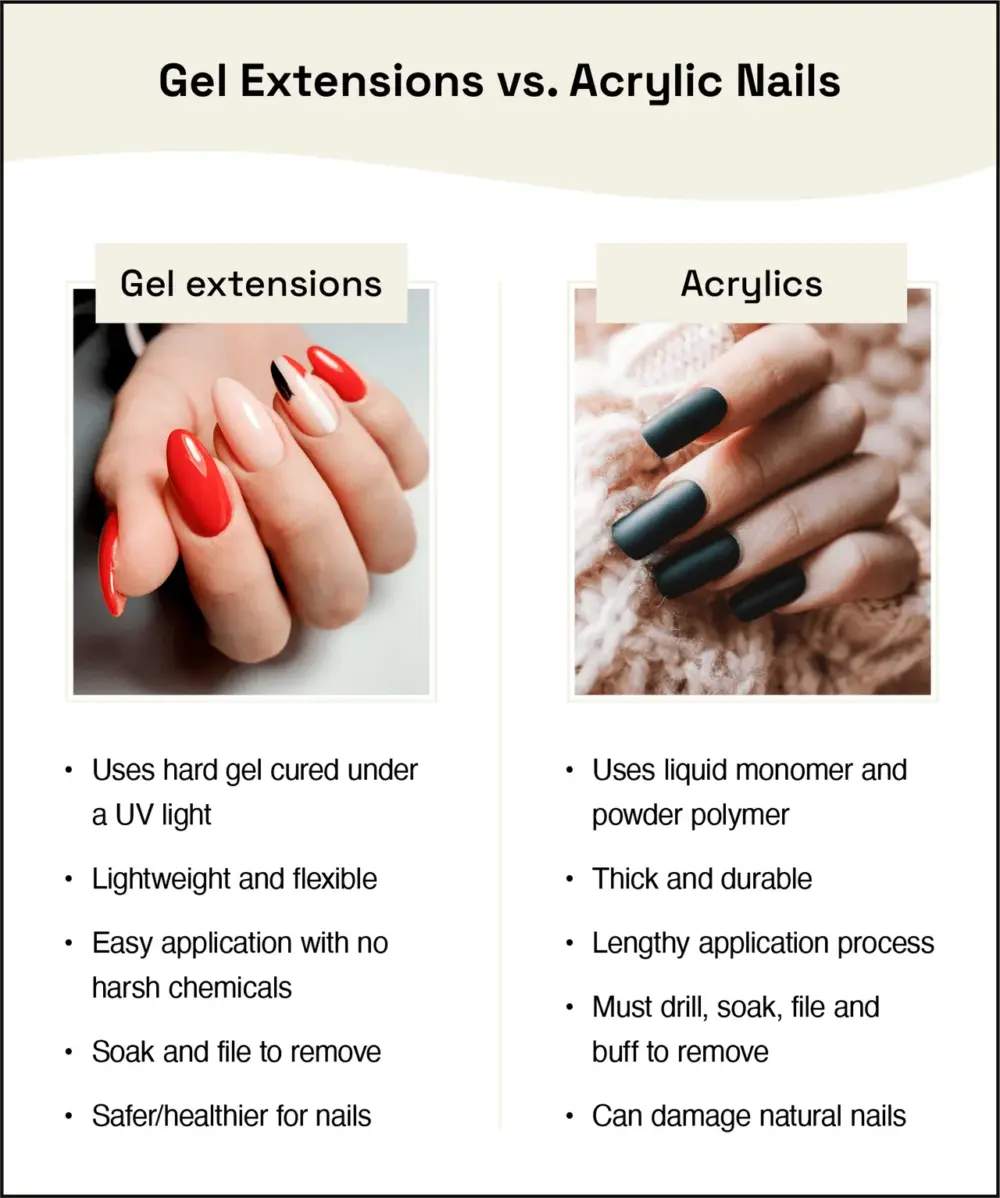
Gel nail formulations include various types like hard gels, soft gels, and builder gels, each offering distinct applications and finishes such as high-gloss or matte. Understanding these differences is crucial for selecting the appropriate product for desired aesthetic and durability.
Gel nails contribute to nail health by providing a protective layer. Gel nails reduce breakage and promote natural nail growth. They also minimize exposure to harsh chemicals found in some traditional nail products.
Gel nail formulations often boast greater flexibility and a more natural feel compared to rigid acrylics, reducing the likelihood of lifting or chipping. This offers a durable yet comfortable alternative for long-term wear. Barber Tall offers a range of professional-grade gel nail products.
To fully grasp the extensive world of gel nail formulations, let’s explore the primary types and their unique characteristics.
What are the primary types of gel nail formulations?
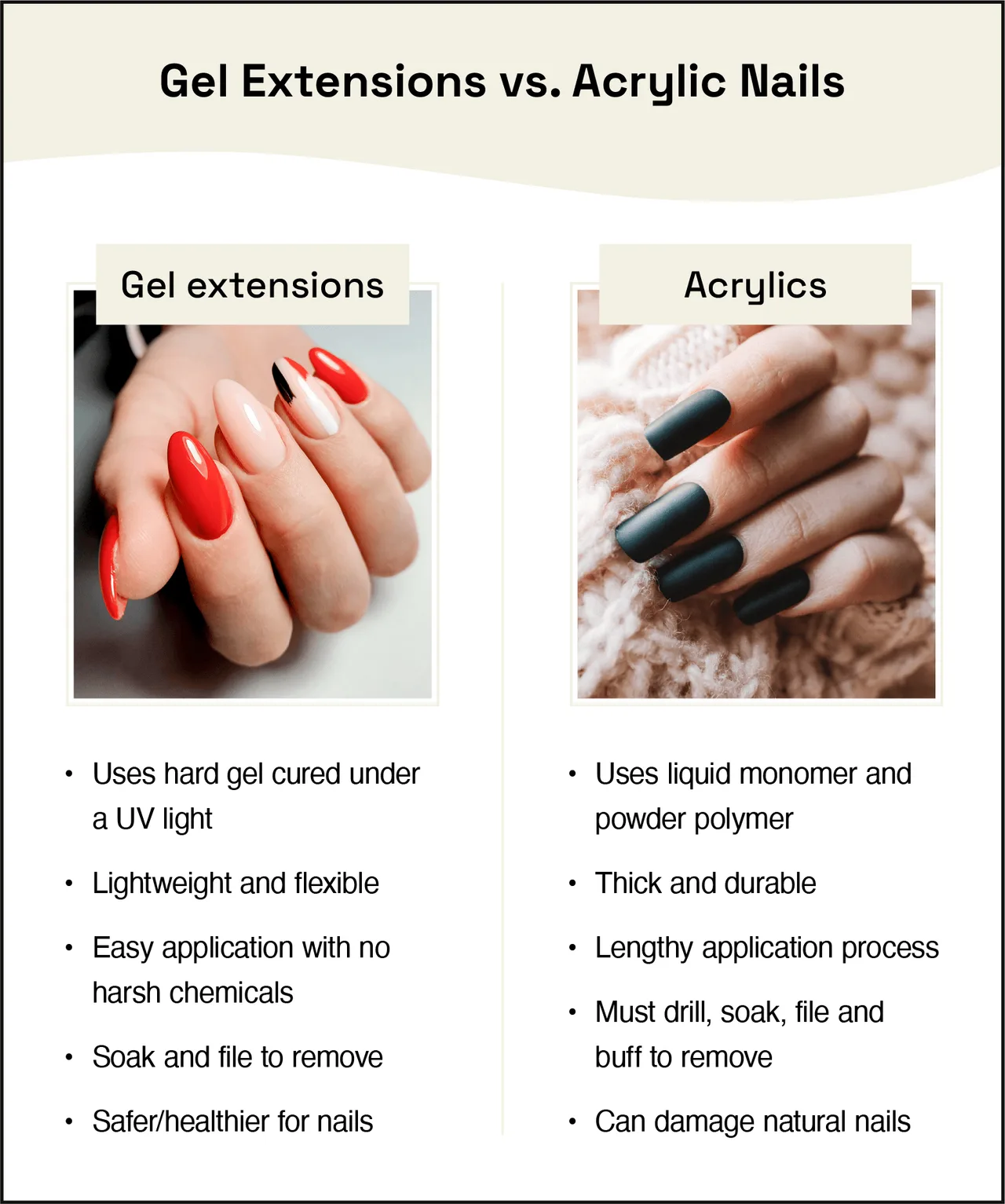
There are three primary types of gel nail formulations: hard gels, soft gels, and builder gels, each designed for specific applications and removal processes. These distinct formulations cater to various desired outcomes, from extending nail length to providing a protective layer. Understanding their individual characteristics assists in selecting the most suitable gel for a particular nail service.
What distinguishes hard gel from soft gel formulations?
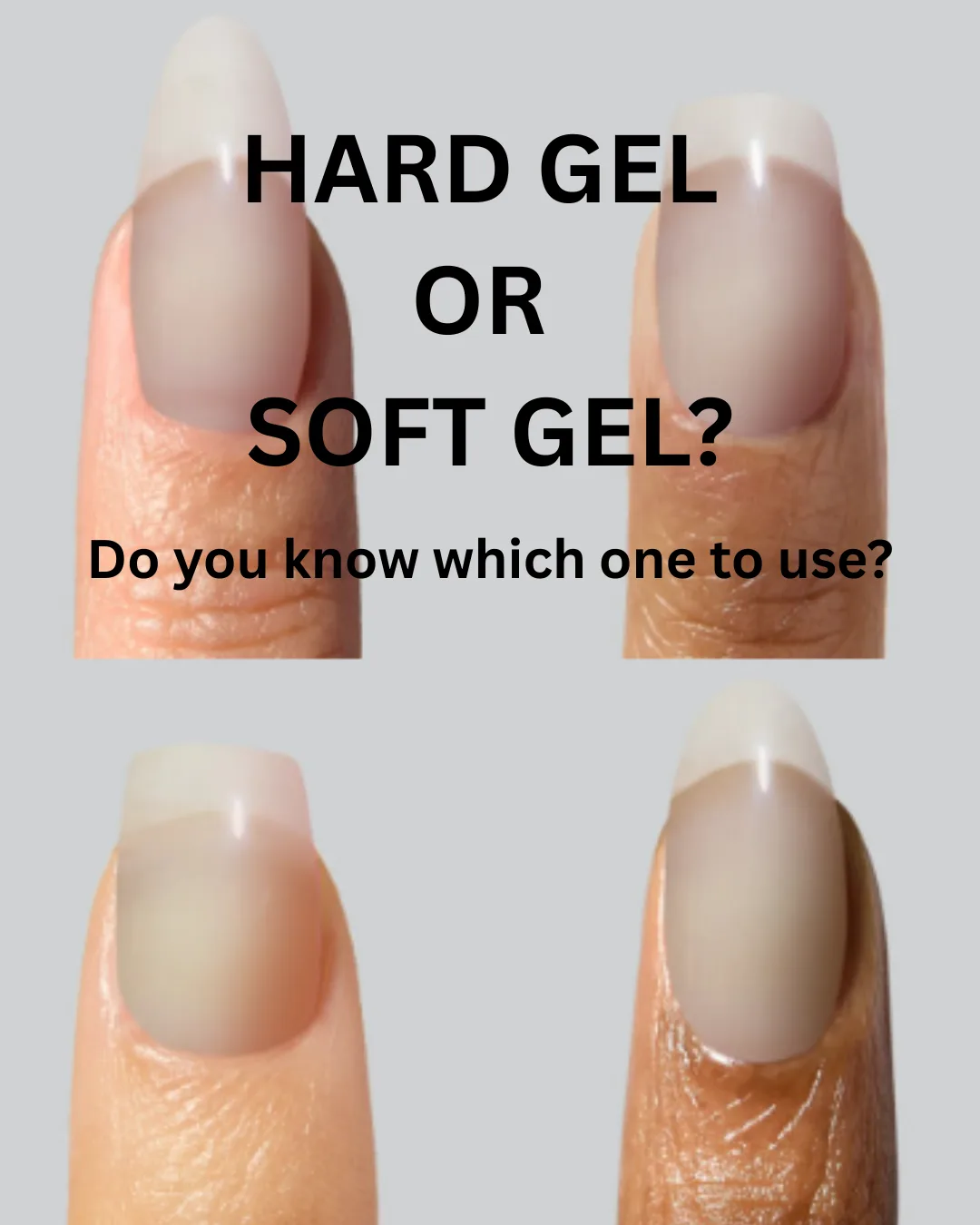
Hard gels create a rigid, permanent enhancement, while soft gels offer flexibility and are designed for soak-off removal. These differences stem from their distinct chemical compositions, influencing their application and removal processes. Understanding these distinctions is crucial for selecting the appropriate gel formulation for desired nail services.
Hard gels are formed by long polymer chains that create a strong, inflexible bond, making them suitable for extending nail length and creating durable overlays. In contrast, soft gels have shorter polymer chains, allowing for greater flexibility and easier removal through soaking in acetone. Hard gels require filing for removal, whereas soft gels break down when exposed to specific solvents. The application of both typically involves curing under a UV or LED lamp.
What are the common finishes available for gel nails?

Common finishes available for gel nails include glossy, matte, and glitter, each offering a distinct aesthetic. These finishes allow for a wide range of stylistic expressions, catering to various preferences. Gel nail finishes are achieved through the application of specific top coats or pigments integrated into the gel formulation. A high-gloss finish provides a classic, reflective shine, enhancing the vibrancy of the gel color. Matte finishes offer a velvety, non-reflective appearance for a sophisticated look. Glitter finishes incorporate reflective particles for a sparkling and eye-catching effect.
Do gel nails offer health benefits compared to other nail enhancements?
Gel nails offer health benefits by providing a protective layer and exhibiting greater flexibility compared to other enhancements. These attributes contribute to maintaining natural nail integrity and reducing potential damage. Understanding these advantages highlights why gel nails are considered a beneficial option for nail care.
Are there specific gel formulations better suited for nail health?
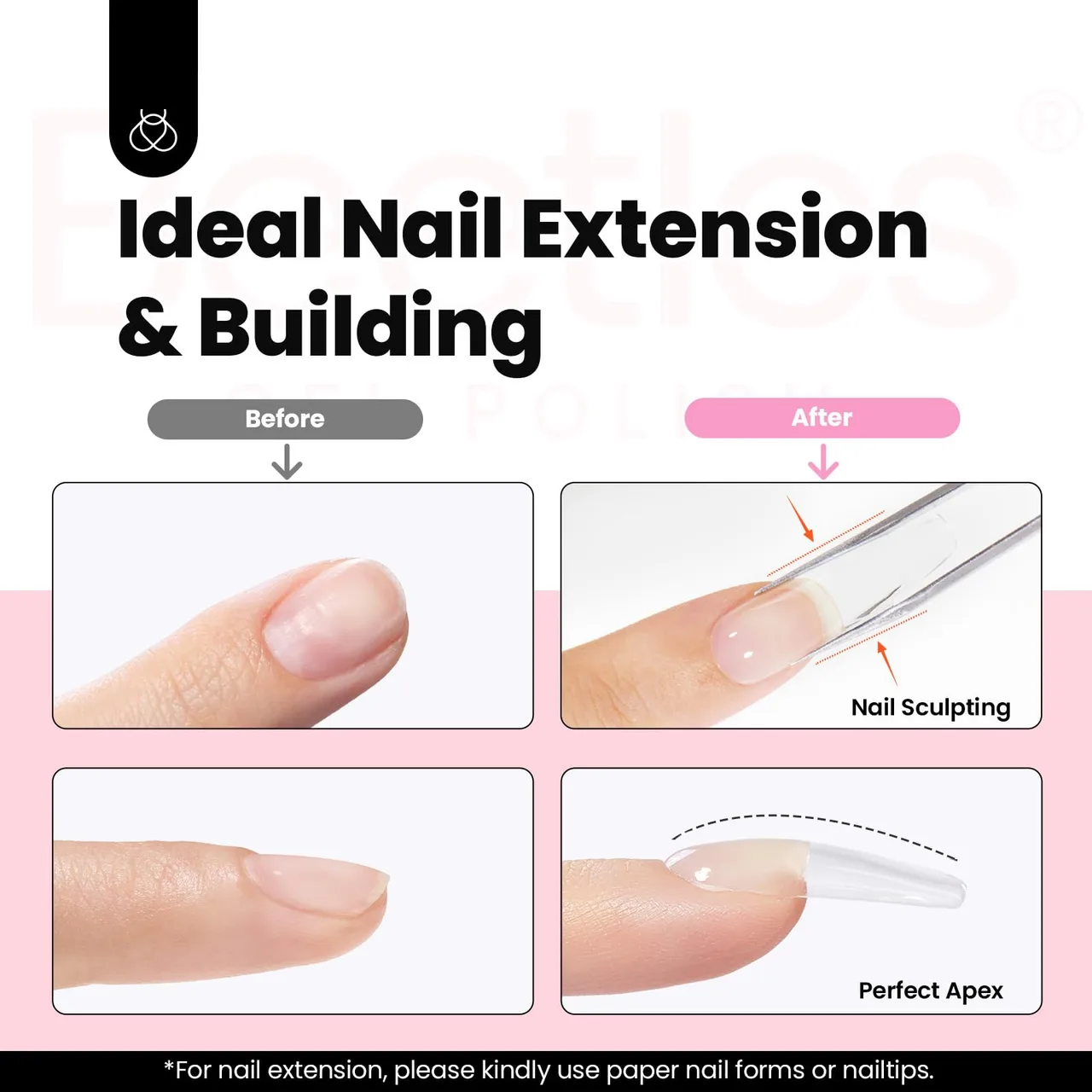
Yes, specific gel formulations are better suited for nail health due to their enhanced flexibility, protective qualities, and reduced need for harsh removal. These characteristics minimize damage and support natural nail integrity. Gel nails provide a durable overlay that shields the natural nail from external stressors, reducing breakage. Their inherent flexibility allows for natural nail movement, which prevents lifting and chipping that often occur with more rigid enhancements. Additionally, many gel formulations, particularly soft gels, permit soak-off removal, avoiding the abrasive filing required for other nail types.
How do gel nail formulations compare to acrylics?
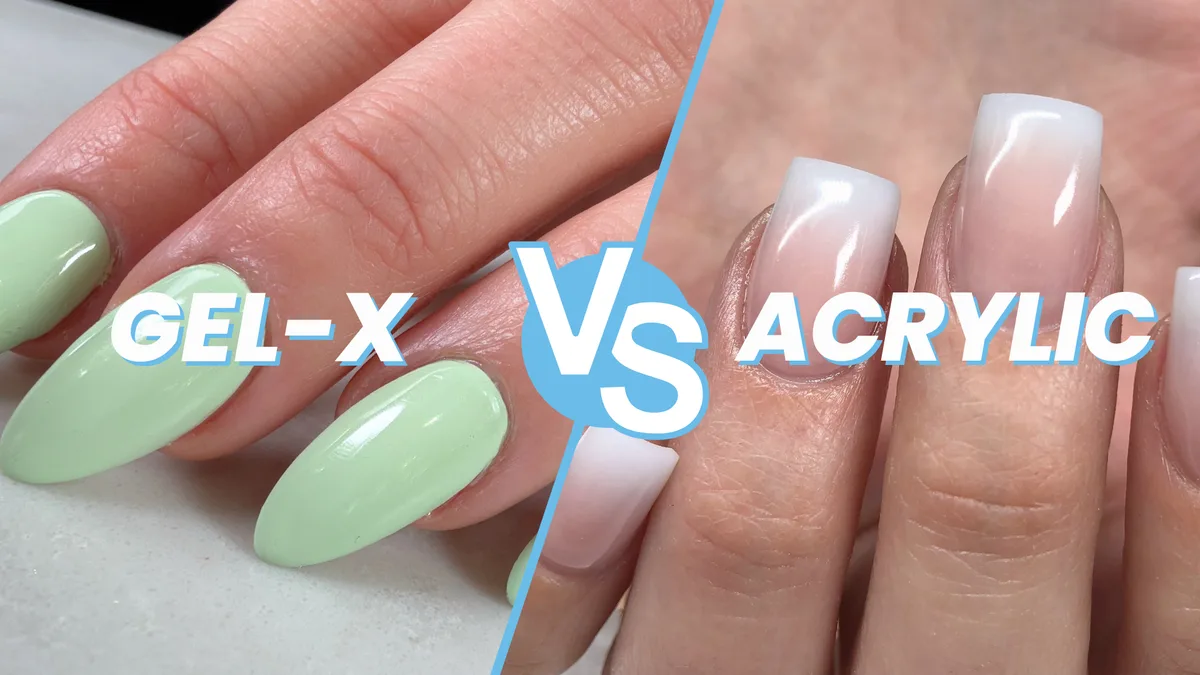
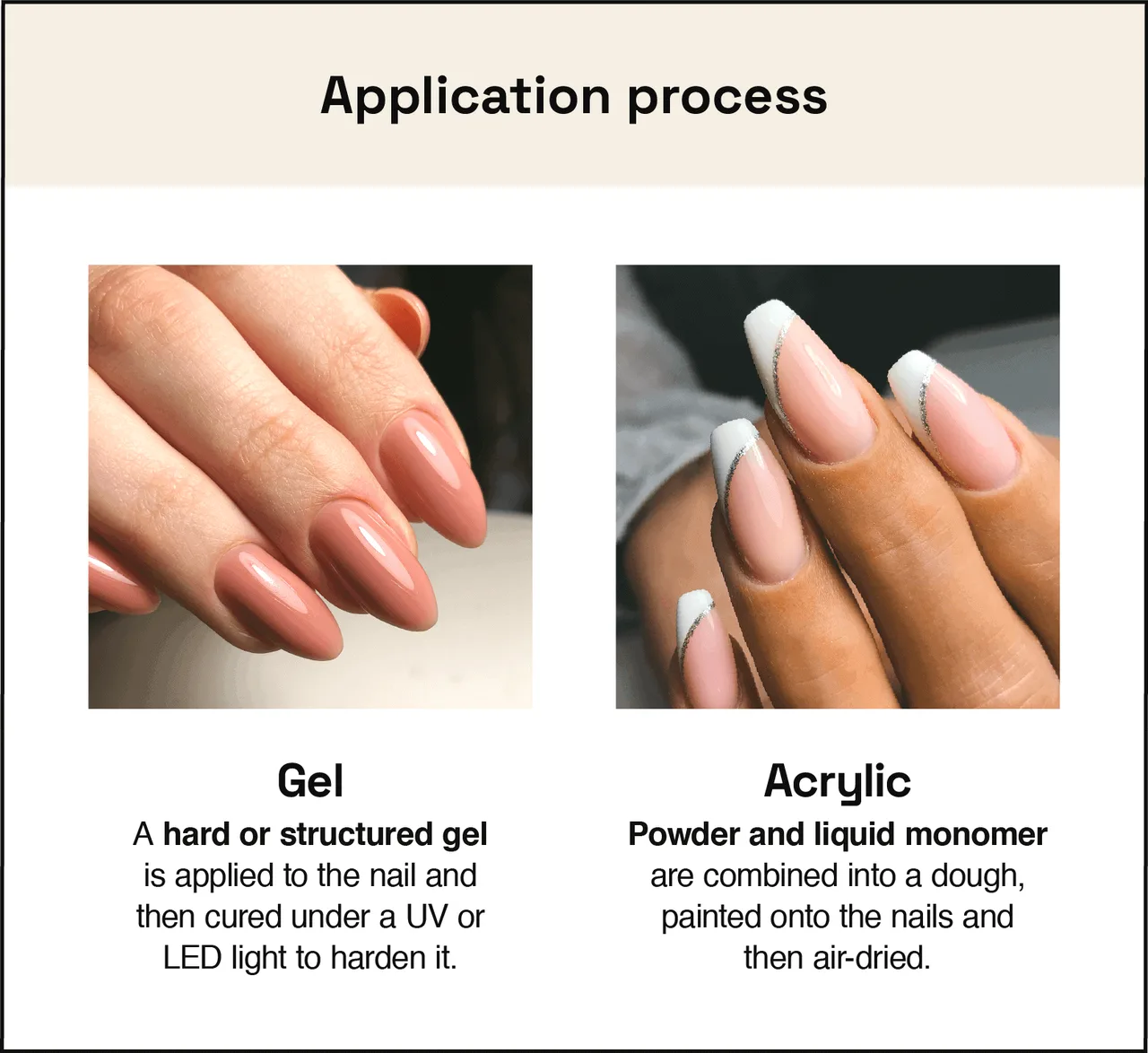
Gel nail formulations differ from acrylics primarily in their chemical composition, leading to distinct application methods, durability, and aesthetic outcomes. These differences influence the overall user experience and the final appearance of the nail enhancement. Gel nails cure under UV/LED light, while acrylics air-dry through a chemical reaction. This fundamental distinction affects both the application process and the removal procedure for each type of enhancement.
Which gel nail options are best for sensitive skin or allergies?
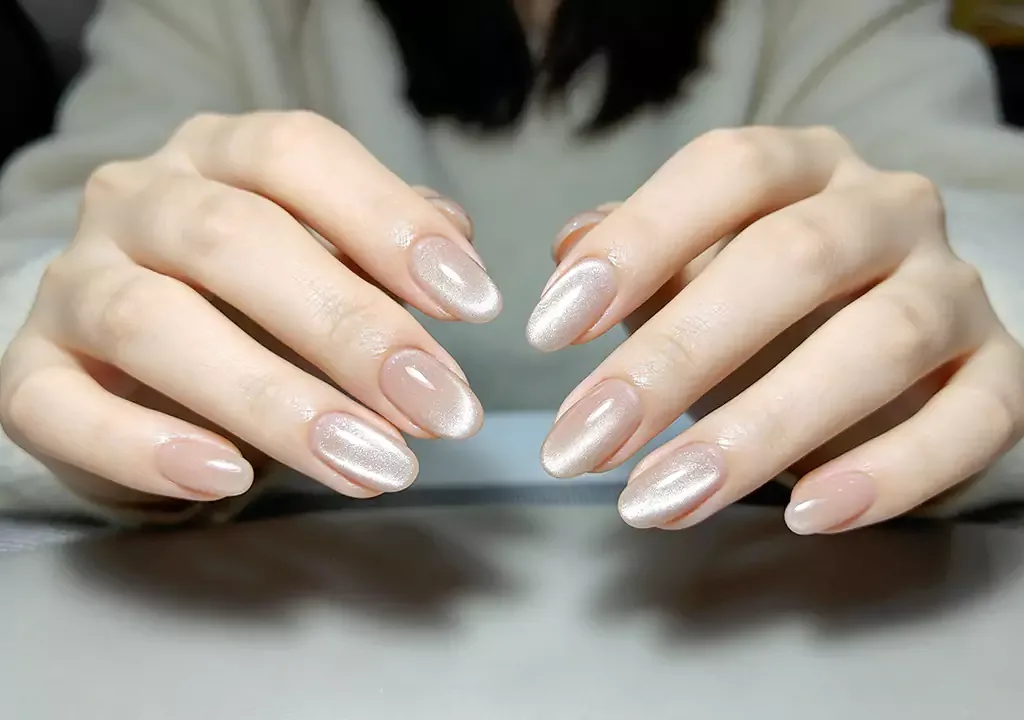
Hypoallergenic and “5-free” gel options are best for sensitive skin or allergies by minimizing exposure to common irritants. These formulations are specifically designed to reduce the risk of adverse reactions. Identifying gel nail products with hypoallergenic labels or “5-free” designations ensures a safer option for individuals with sensitivities.
Hypoallergenic gels exclude known allergens. “5-free” formulations typically omit formaldehyde, toluene, dibutyl phthalate (DBP), formaldehyde resin, and camphor. These are common irritants in many nail products. Selecting these specialized gel formulations prevents skin irritation, redness, and allergic responses, promoting overall nail and skin health for sensitive individuals.
How do advanced gel technologies impact nail longevity and appearance?
Advanced gel technologies enhance nail longevity and appearance through innovative formulations that improve adhesion, flexibility, and chip resistance. These advancements contribute to a longer-lasting manicure with a consistently polished look. Newer gel technologies often incorporate specialized polymers and bonding agents, which significantly increase the durability of the nail enhancement. This results in a stronger, more resilient layer that withstands daily wear and tear, reducing chipping and lifting.
What role do oligomers play in the durability of gel nail formulations?
Oligomers in gel nail formulations contribute to durability by forming a strong, cross-linked polymer network when cured. These macromolecules play a critical role in determining the final strength and flexibility of the nail enhancement. Oligomers are intermediate-sized molecules, larger than monomers but smaller than full polymers, and feature multiple reactive sites. During the curing process under UV or LED light, these reactive sites link together, creating a dense, three-dimensional network. This cross-linking provides the gel nails with their characteristic hardness, chip resistance, and long-lasting wear, directly impacting their overall longevity and ability to withstand daily stressors.
Are there innovative gel finishes beyond traditional options?
Yes, innovative gel finishes extend beyond traditional options, encompassing effects like cat-eye, magnetic, and temperature-changing gels. These advanced finishes provide unique visual dynamics and interactive qualities not found in standard glossy or matte applications. Such innovations cater to a broader range of artistic expressions, allowing for personalized and distinctive nail aesthetics. These specialized gels utilize various pigments and technologies to create their unique effects.
Conclusion
Gel nail formulations offer a diverse range of options, from various types like hard and soft gels to an array of finishes including glossy, matte, and innovative effects. These formulations not only provide aesthetic versatility but also contribute to nail health by offering a protective layer and greater flexibility, reducing damage compared to other enhancements. Understanding the distinct characteristics of each gel type, their benefits, and advanced technologies ensures a durable, comfortable, and personalized nail experience, catering to individual preferences and needs.