Fingernail extensions are artificial enhancements applied to natural nails, meticulously crafted to extend their length, enhance strength, and improve durability. These cosmetic additions offer an immediate transformation, making nails appear longer and more elegant.
Fingernail extensions provide benefits such as increased nail length and strength. However, improper application or removal can potentially damage natural nails. Therefore, proper application and diligent aftercare are essential for maintaining optimal nail health.
Barber Tall offers comprehensive resources on what fingernail extensions are, exploring their various types, application techniques, and associated benefits.
What are Fingernail Extensions?
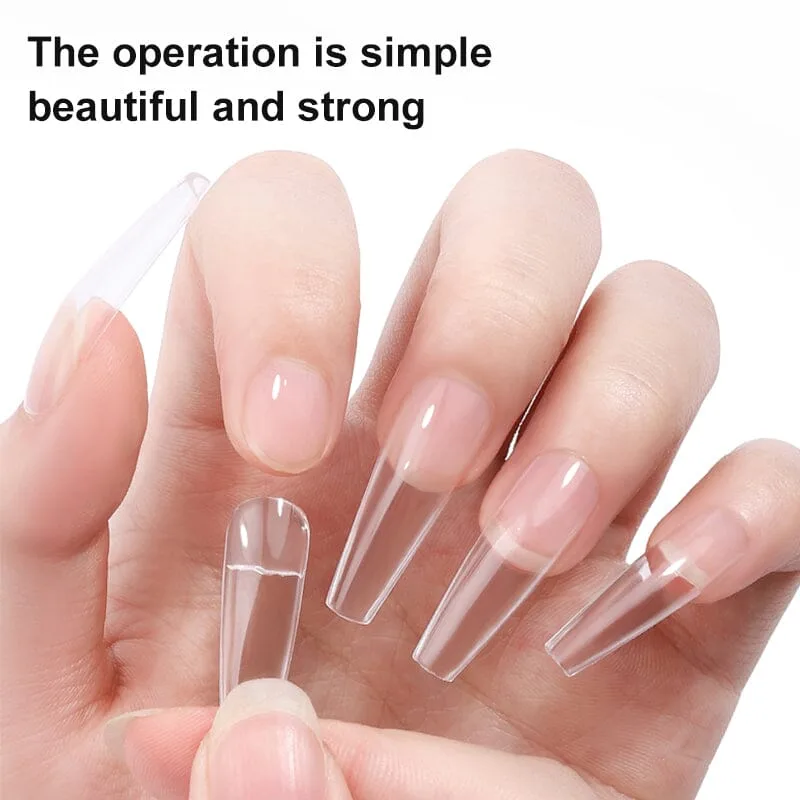
Fingernail extensions are artificial enhancements applied directly to natural nails, primarily for extending their length and improving their aesthetic appearance and durability. These cosmetic additions transform the look of natural nails, making them longer and stronger. Extensions serve both aesthetic and practical purposes, providing an immediate change to nail appearance while also offering increased resistance to breakage. Proper application techniques ensure a seamless blend with the natural nail, creating a sophisticated finish.
What are the Primary Types of Fingernail Extensions?
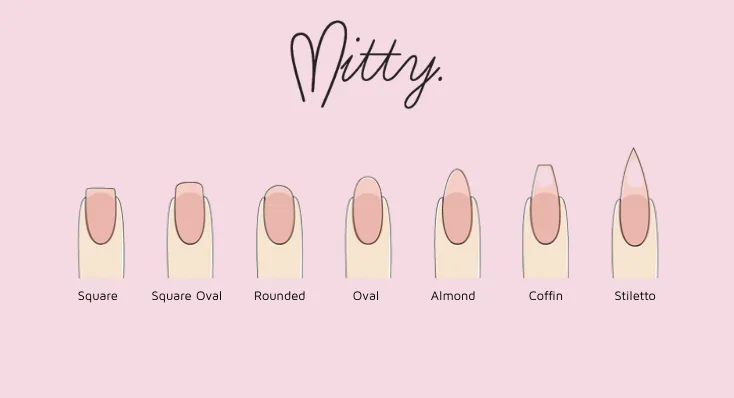
Fingernail extensions primarily come in three types: acrylic, gel, and fiberglass. Each type features a distinct chemical composition and application process. Understanding these main types is essential for selecting the most suitable extension method, offering various aesthetic and durability benefits tailored to individual preferences.
What are Acrylic Fingernail Extensions?
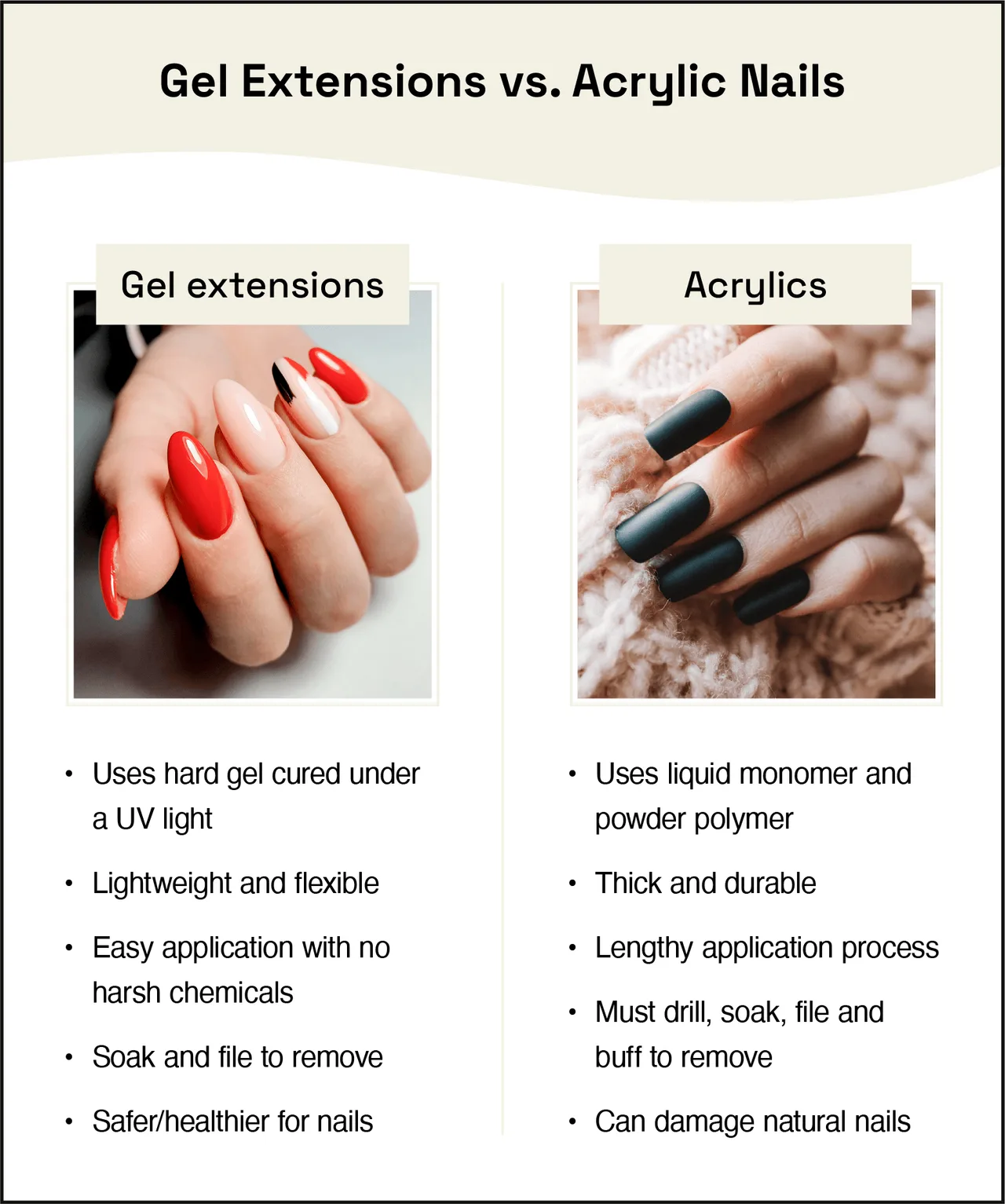
Acrylic fingernail extensions are artificial nails created by combining a liquid monomer and a powdered polymer, forming a durable protective layer over the natural nail. This type of extension is renowned for its strength and longevity. The combination of these two components results in a hard, protective layer that not only extends the natural nail’s length but also enhances its resilience against breakage and daily wear.
What are Gel Fingernail Extensions?
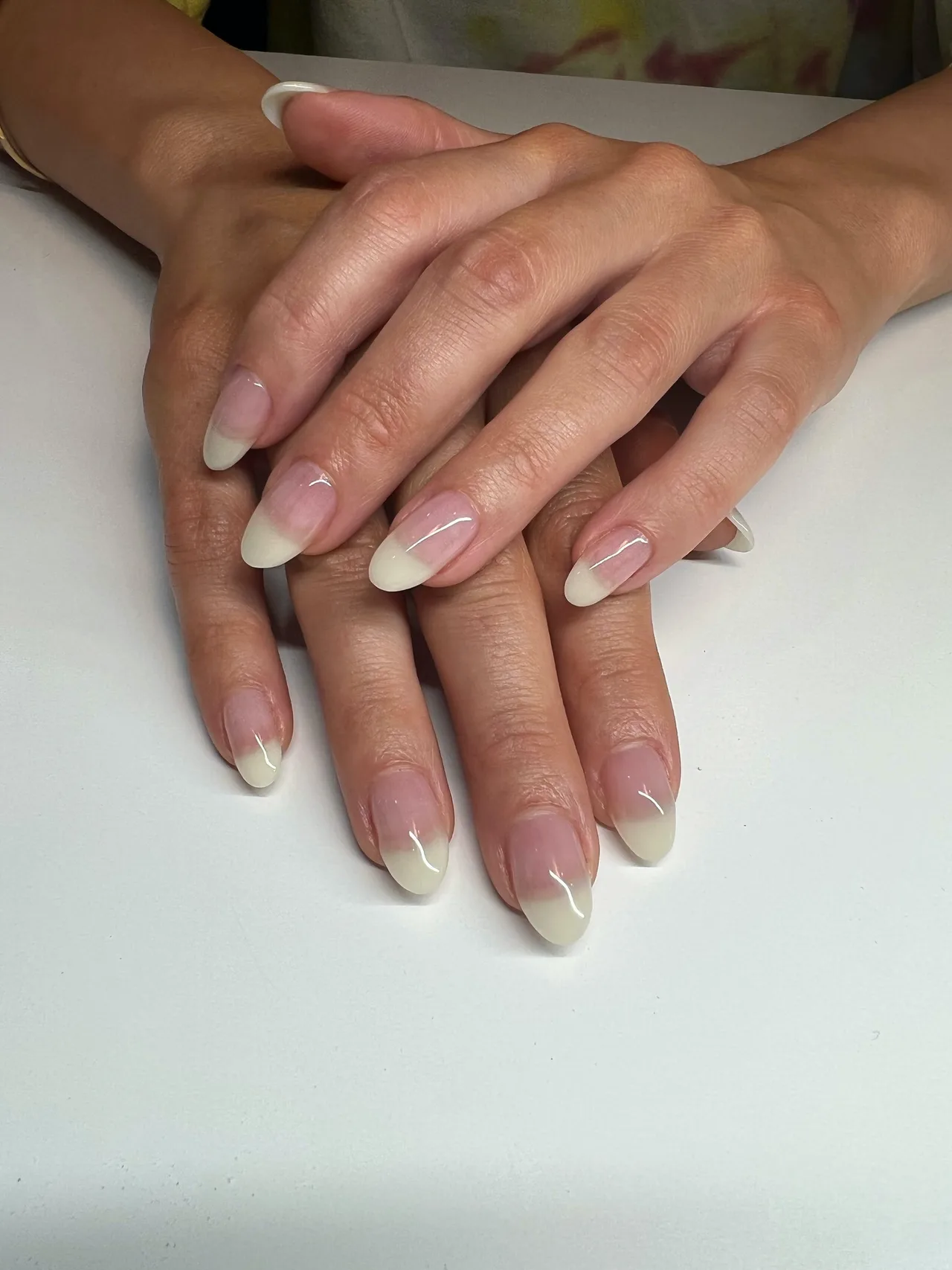
Gel fingernail extensions are artificial nail enhancements created using a gel-based polymer that hardens under ultraviolet (UV) or LED light. This type of extension offers a flexible yet durable finish. Gel extensions come in different forms, including hard gel and soft gel. Hard gels are strong and can be used to create length and shape, while soft gels are more flexible and often used for overlays or as a soak-off option. The curing process under UV or LED light is essential for the gel to solidify, providing a long-lasting and glossy finish.
What are Fiberglass Fingernail Extensions?
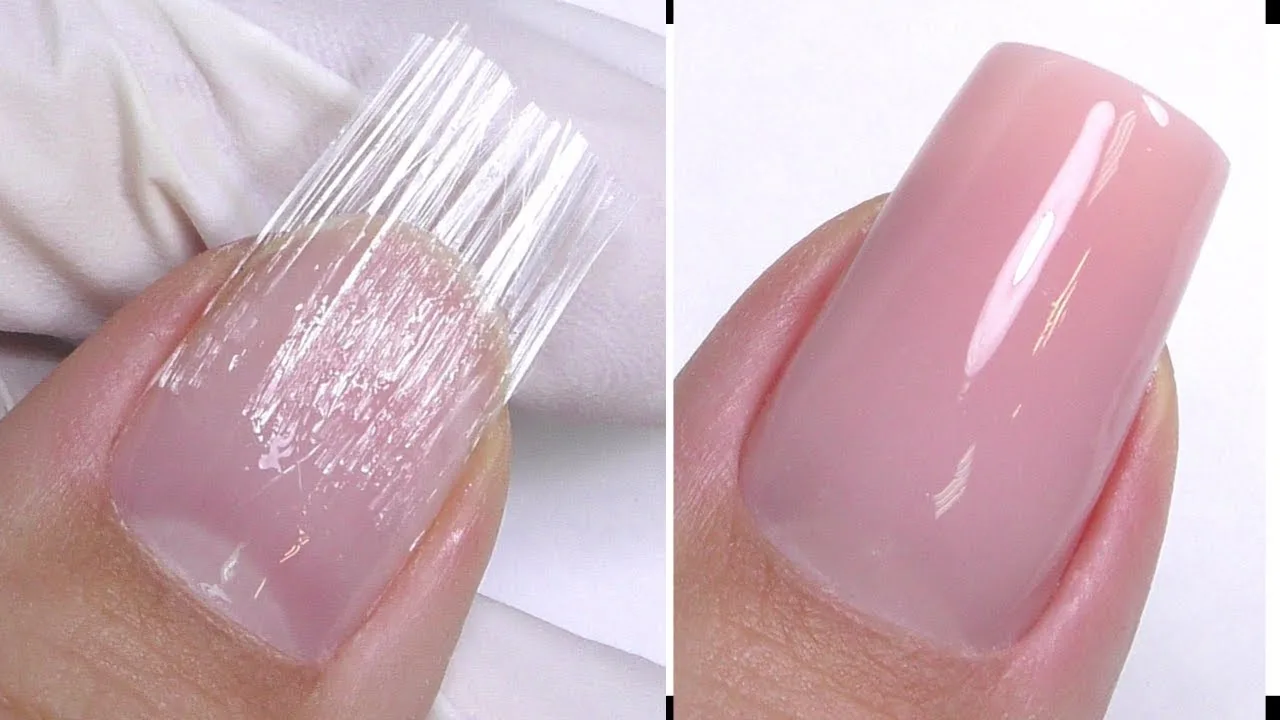
Fiberglass fingernail extensions are artificial nails created using thin, woven fiberglass silk or linen fabric, often applied with resin to add lightweight strength. This type of extension is notable for its natural appearance and minimal bulk. Fiberglass is primarily used for repairing natural nail breaks or cracks, and for adding an extra layer of strength without significant thickness. The application typically involves cutting the fiberglass fabric to fit the nail, adhering it with a specialized resin, and then activating it to cure, resulting in a strong yet flexible enhancement.
What Techniques are Used for Applying Fingernail Extensions?
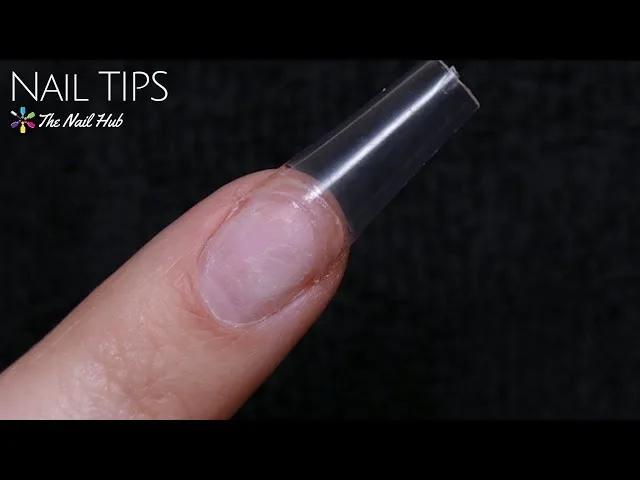
Various techniques are employed for applying fingernail extensions, primarily encompassing the utilization of tips, forms, or direct sculpting onto the natural nail. These methodologies dictate how the artificial material is shaped and affixed, influencing the extension’s overall appearance and longevity. Each technique presents distinct advantages, impacting the final aesthetic and structural integrity of the augmented nail.
How are Fingernail Extension Tips Applied?
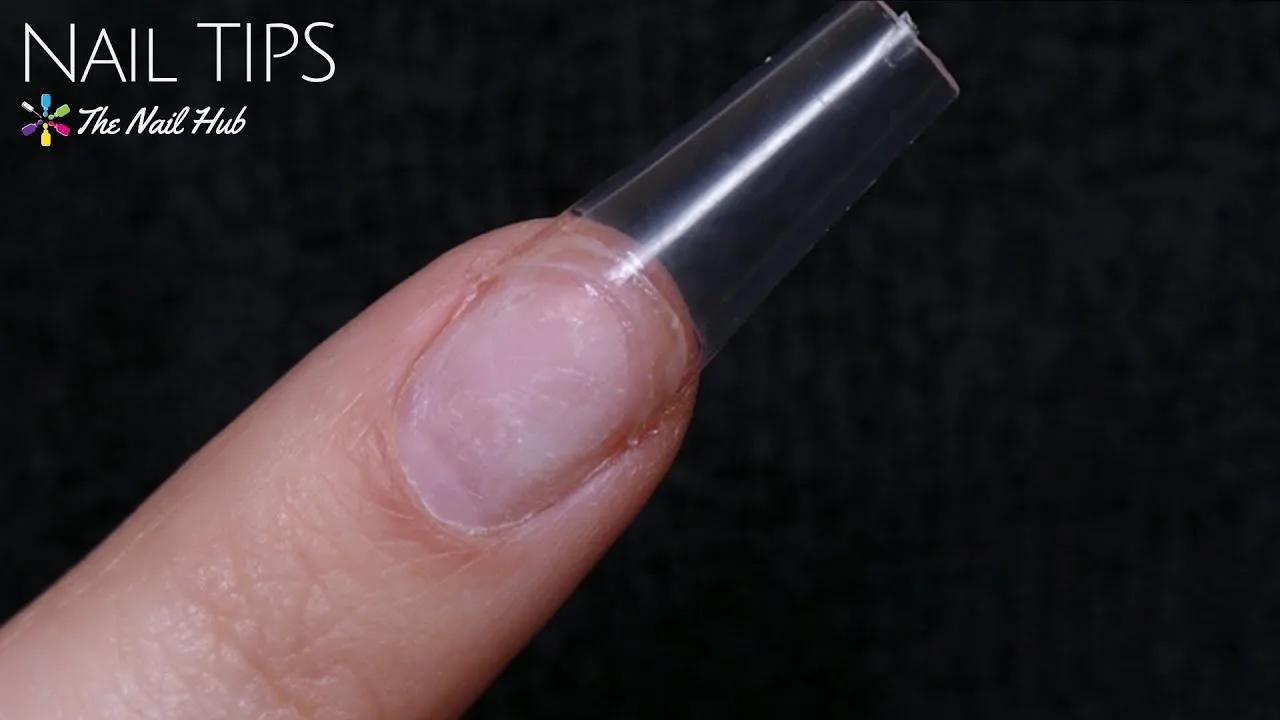
Applying fingernail extension tips involves adhering pre-formed, lightweight plastic extensions onto the natural nail to add immediate length and a desired shape. This technique serves as a foundational step for various nail enhancements, providing a stable base for subsequent layers of acrylic, gel, or dip powder. The process ensures a seamless transition between the natural nail and the extension, creating a natural-looking and durable result. Specific steps guide the application, guaranteeing proper adhesion and alignment for a long-lasting finish.
How are Fingernail Extension Forms Used?
Fingernail extension forms are used to sculpt artificial nails directly onto the natural nail, creating length and shape without needing pre-formed tips. This method provides a customized fit and a natural-looking enhancement. The forms act as a temporary guide, allowing the nail technician to build the extension material to the desired length and structure directly on the natural nail’s free edge. Once the material cures, the form is removed, revealing a sculpted, seamless extension.
What is the Sculpting Technique for Fingernail Extensions?
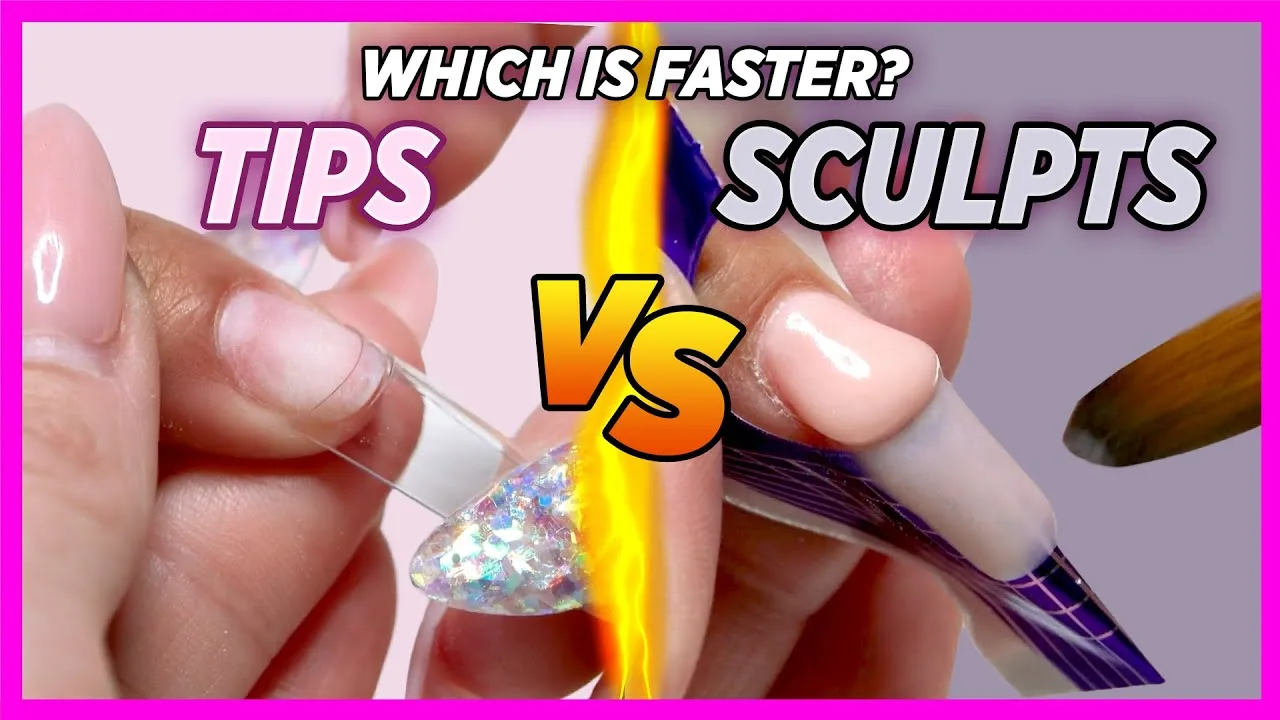
The sculpting technique for fingernail extensions involves freehand application of artificial nail material directly onto the natural nail, using a form as a guide to create customized length and shape. This method allows for significant personalization, as the nail technician builds the extension from scratch. The process details creating bespoke fingernail extensions by carefully shaping the material to achieve a desired aesthetic and structural integrity. This technique eliminates the need for pre-formed tips, offering greater flexibility in design.
What are the Benefits of Fingernail Extensions?
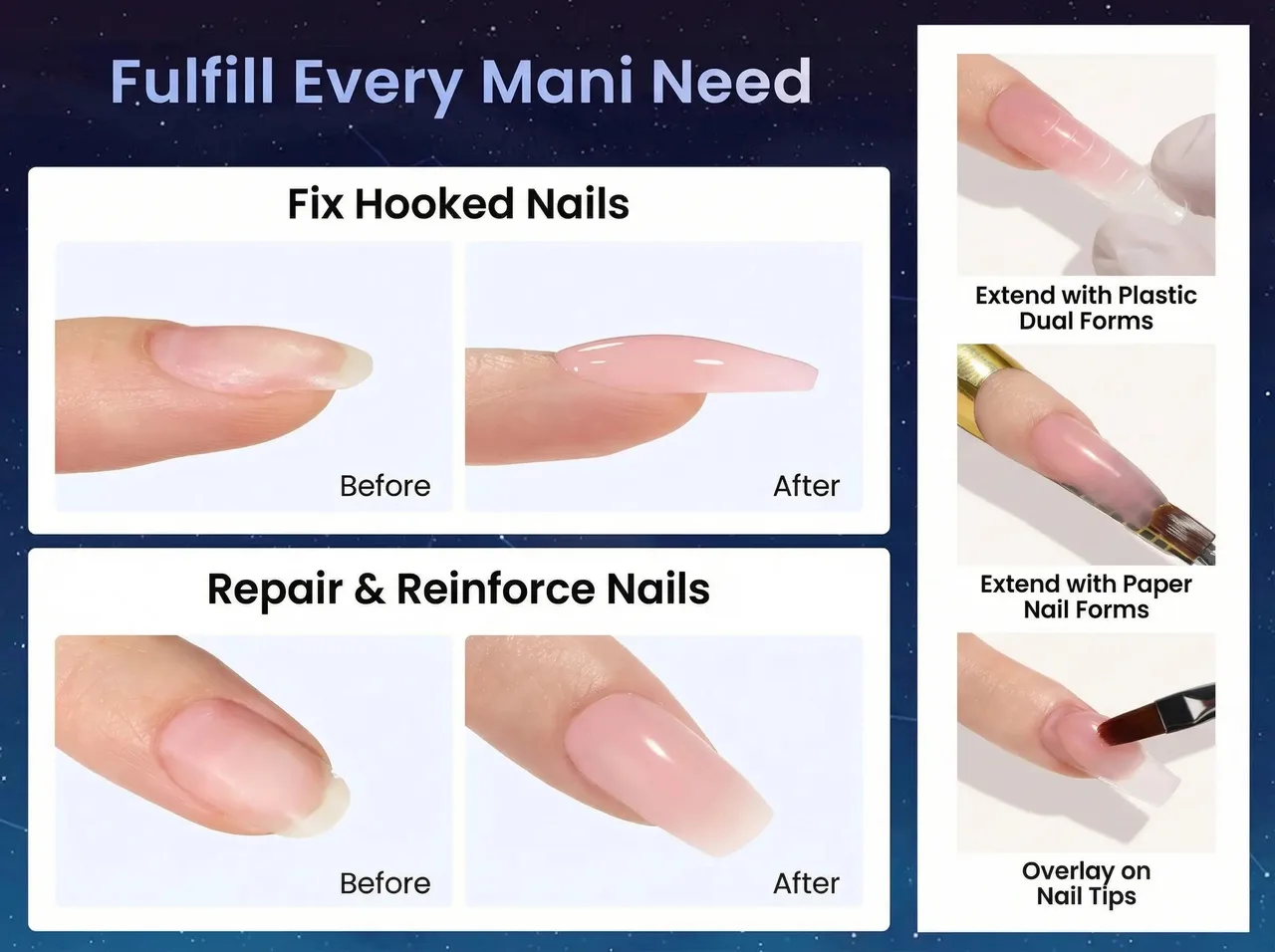
Fingernail extensions offer multiple advantages, including enhanced aesthetic appeal, increased nail strength, and versatile styling options. These enhancements transform the appearance of natural nails, providing both beauty and practical benefits. Understanding these benefits highlights why many individuals choose fingernail extensions for personal grooming and expression.
How do Fingernail Extensions Enhance Aesthetics?
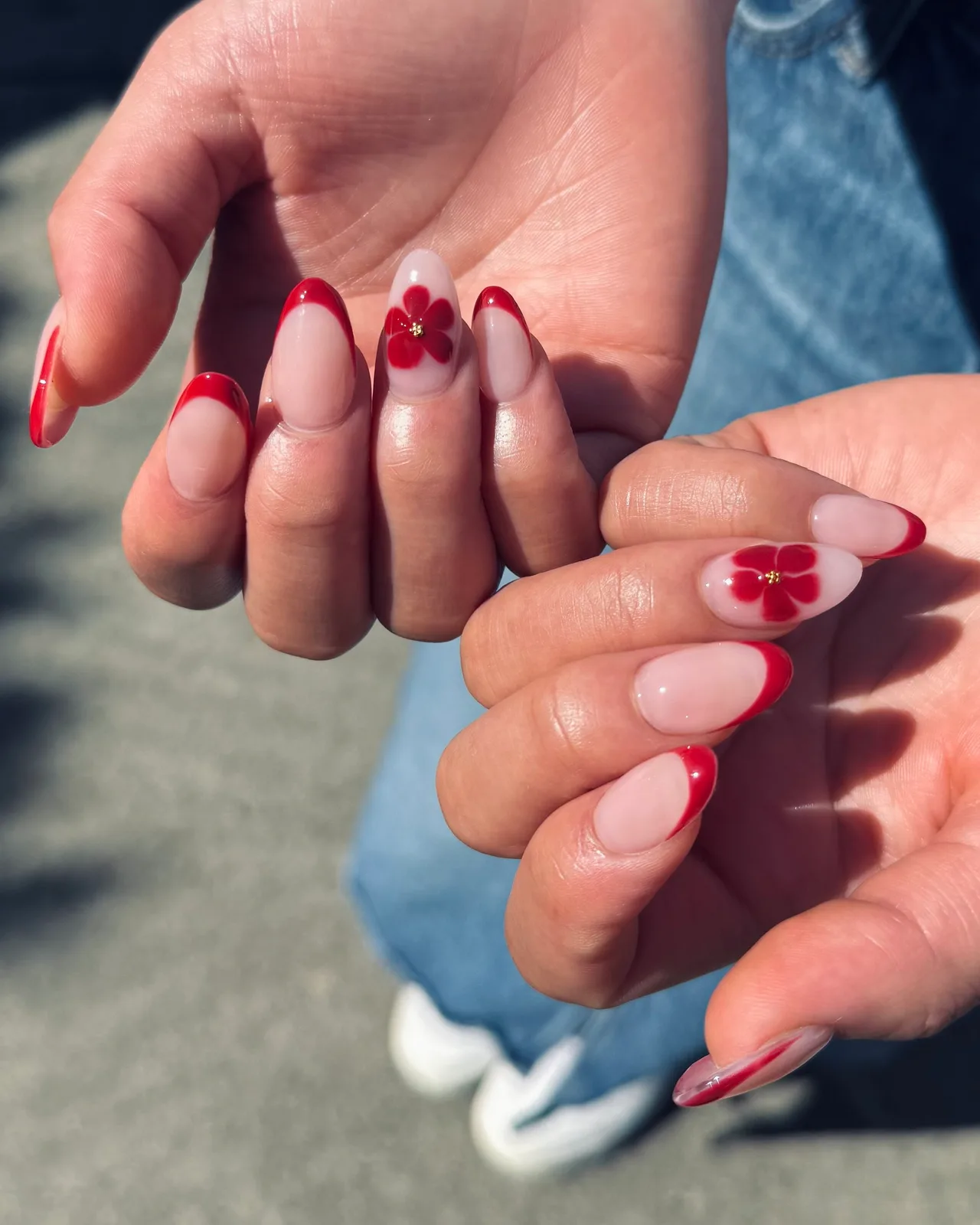
Fingernail extensions enhance aesthetics by offering versatile options for desired nail length, shape, and overall appearance. These enhancements provide a foundation for diverse styling choices, allowing individuals to achieve a polished look that natural nails alone may not offer. Extensions contribute to a sophisticated aesthetic by creating uniform and well-groomed nail presentations.
Do Fingernail Extensions Protect Natural Nails?
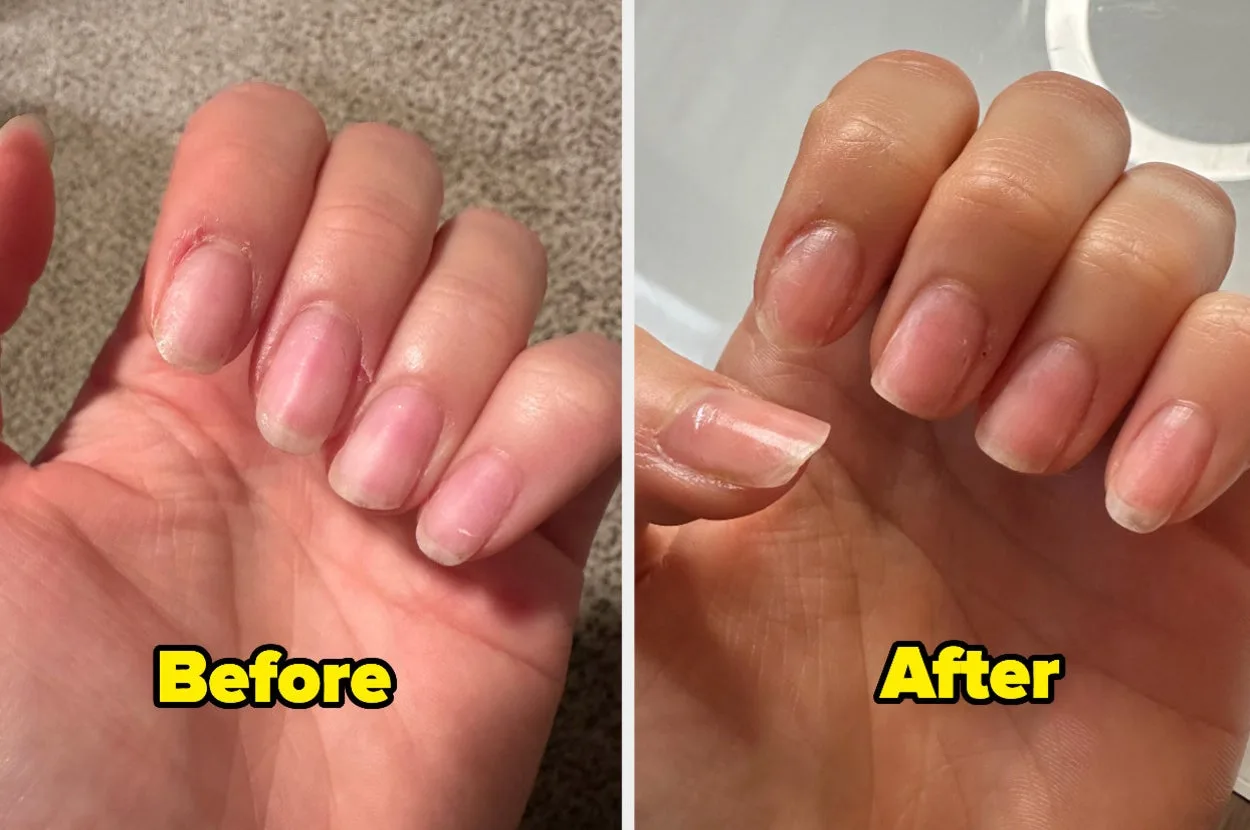
Fingernail extensions protect natural nails by providing a physical barrier that shields them from external damage and everyday stressors, promoting natural nail growth underneath. This protective layer prevents breakage, chipping, and splitting, which are common issues for brittle or weak natural nails. The barrier created by extensions allows the natural nails to grow undisturbed, reducing exposure to harsh chemicals and physical trauma. With proper application and maintenance, extensions support healthier natural nail development.
What are the Downsides of Fingernail Extensions?
Fingernail extensions come with several potential disadvantages, including the risk of damage to natural nails, allergic reactions, and maintenance requirements. These downsides present important considerations for individuals evaluating nail enhancements. Awareness of these issues enables users to make informed decisions regarding their nail health and overall experience.
What are the Potential Health Risks of Fingernail Extensions?
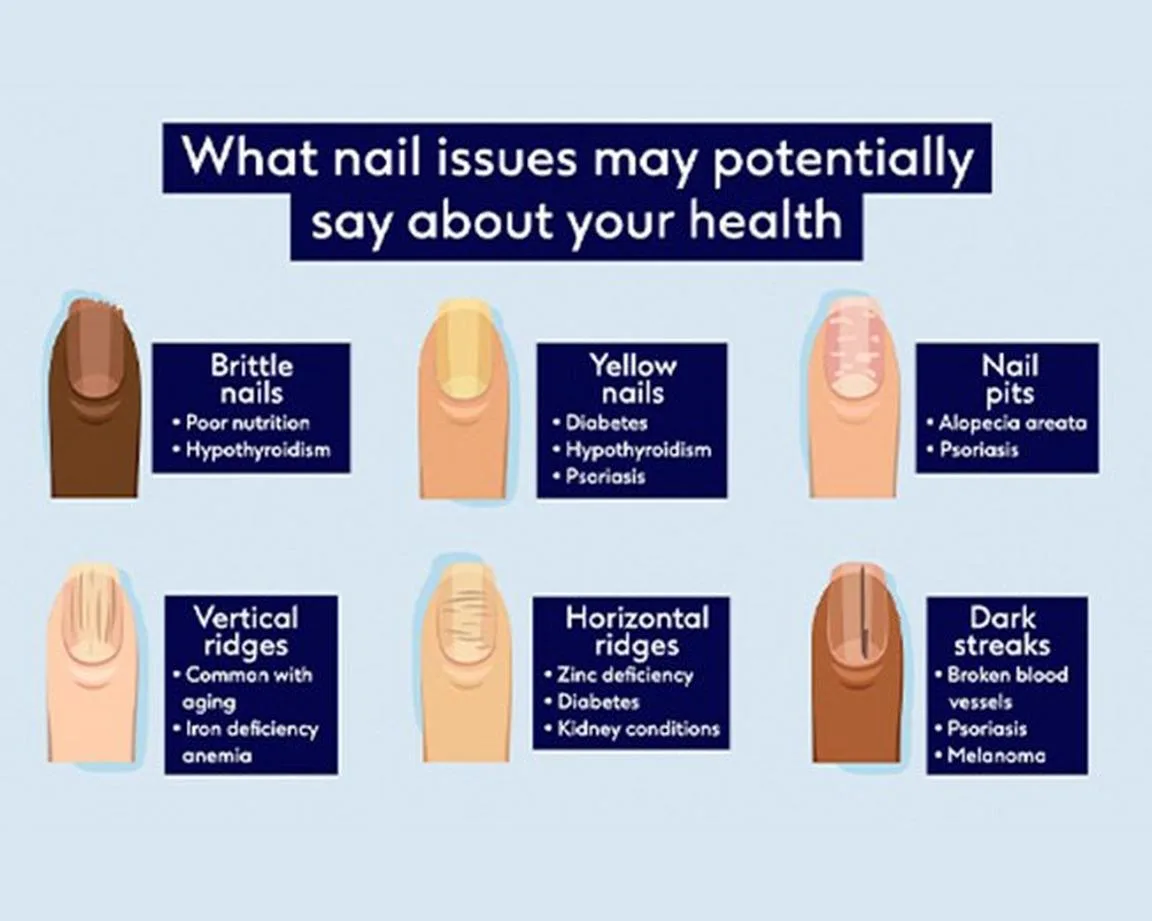
Fingernail extensions pose potential health risks, including infections, allergic reactions, and damage to natural nails. These issues often arise from improper application or maintenance. Understanding these problems helps individuals make informed decisions regarding nail enhancements.
One significant risk involves infections. Bacteria or fungi can become trapped between the natural nail and the extension, leading to redness, swelling, and pain. Allergic reactions to chemicals in extension products, such as monomers and polymers, also cause itching, burning, or skin irritation around the nails.
Furthermore, improper application techniques or forceful removal processes damage the natural nail bed. This can result in thinning, weakness, or even permanent distortion. Regular maintenance and adherence to proper hygiene protocols minimize these health risks.
What is the Maintenance Requirement for Fingernail Extensions?
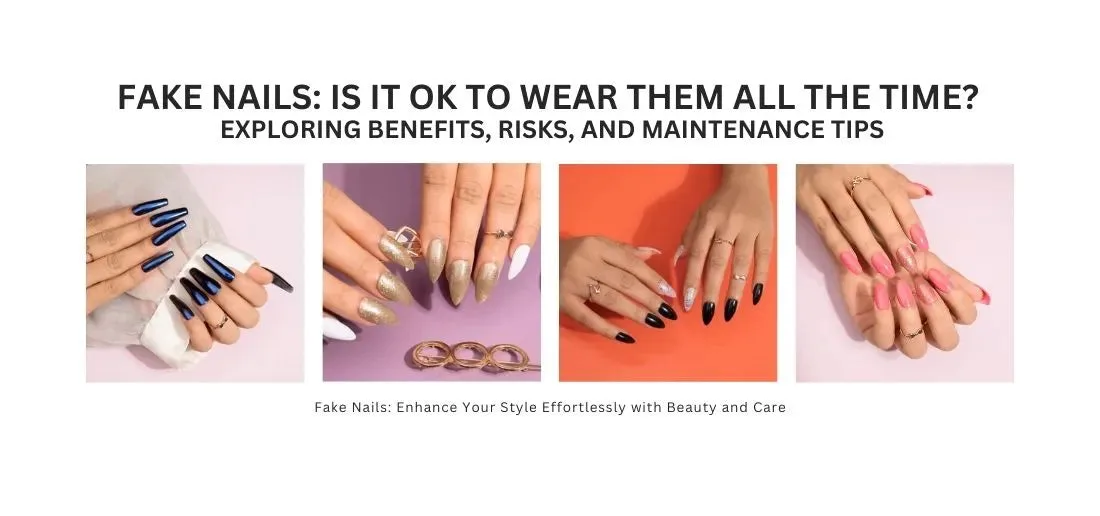
Fingernail extensions require consistent maintenance, including regular fills, timely repairs, and proper removal processes to preserve nail health and appearance. These ongoing care routines are essential for extending the lifespan of the enhancements and preventing damage to the natural nails. Neglecting maintenance often leads to lifting, breakage, or fungal infections. Consistent upkeep ensures the longevity and beauty of artificial nails, making proper maintenance crucial for optimal results.
How Do Fingernail Extensions Impact Dexterity and Daily Activities?
Fingernail extensions impact dexterity and daily activities by altering fine motor skills and influencing the execution of everyday tasks. These enhancements introduce a new dimension to hand movements, requiring adjustments in how individuals interact with objects and perform routine functions. The changes can range from subtle modifications in grip to more pronounced adaptations in precise manipulations, affecting various aspects of daily life.
How do Fingernail Extensions Affect Typing and Computer Use?
Fingernail extensions affect typing and computer use by requiring adjustments to finger placement and pressure, which can initially reduce typing speed and accuracy. These enhancements alter the natural feel and movement of fingers on keyboards and touchscreens. Users adapt to the added length and thickness, which often necessitates a lighter touch and a modified hand position to avoid striking incorrect keys or applying excessive force. The impact on dexterity is temporary for many, as individuals develop new habits for interacting with devices. However, some find that very long or unusually shaped extensions continue to pose challenges for precise actions.
Can Fingernail Extensions be Customized for Specific Lifestyles?
Yes, fingernail extensions can be customized for specific lifestyles by selecting appropriate lengths, shapes, and materials to suit various professions, hobbies, and personal preferences. This customization ensures that enhancements integrate seamlessly with daily routines and activities. Different styles offer varying levels of practicality and durability, allowing individuals to choose options that best align with their needs.
Conclusion
Fingernail extensions offer a transformative solution for enhancing nail aesthetics and strength, with popular types including acrylic and gel. Various application techniques, such as tips and sculpting forms, ensure customized length and shape. While providing benefits like increased durability and styling versatility, it is crucial to acknowledge potential downsides, including health risks from improper application and ongoing maintenance requirements. Ultimately, selecting the right type and ensuring diligent aftercare are essential for maintaining nail health and achieving desired aesthetic results.