Comparing various fake nail options like acrylic, gel, and dip powder involves understanding their distinct compositions and application methods. Each type offers unique benefits and drawbacks depending on desired aesthetics and lifestyle. Barber Tall provides insights into these differences, helping you choose the best fit.
Gel nails are generally considered among the best for durability and a natural look. Their flexible finish makes them less prone to chipping compared to traditional acrylics.
Dip powder nails are often cited as a healthy option due to their cyanoacrylate-based formula, odor-free application, and lack of UV light curing. This method can also strengthen natural nails.
Acrylic nails are frequently considered the least damaging when applied and removed correctly by a professional. Improper removal is the primary cause of nail damage across all fake nail types.
To further explore these options, let’s delve into what the different types of fake nails are, how they compare in terms of application and removal, and which offers the best durability and longevity.
What are the different types of fake nails?
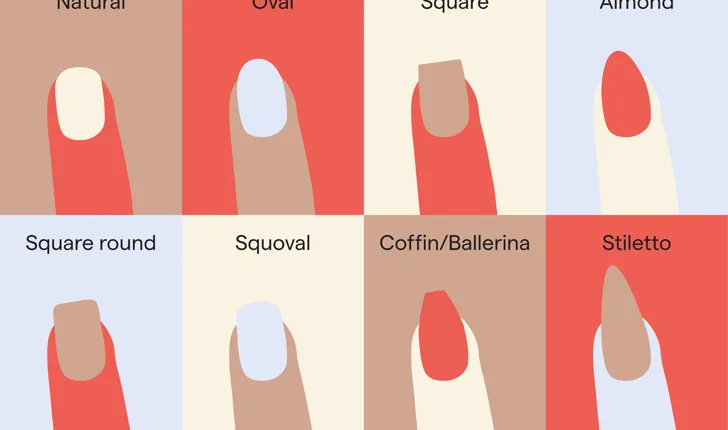
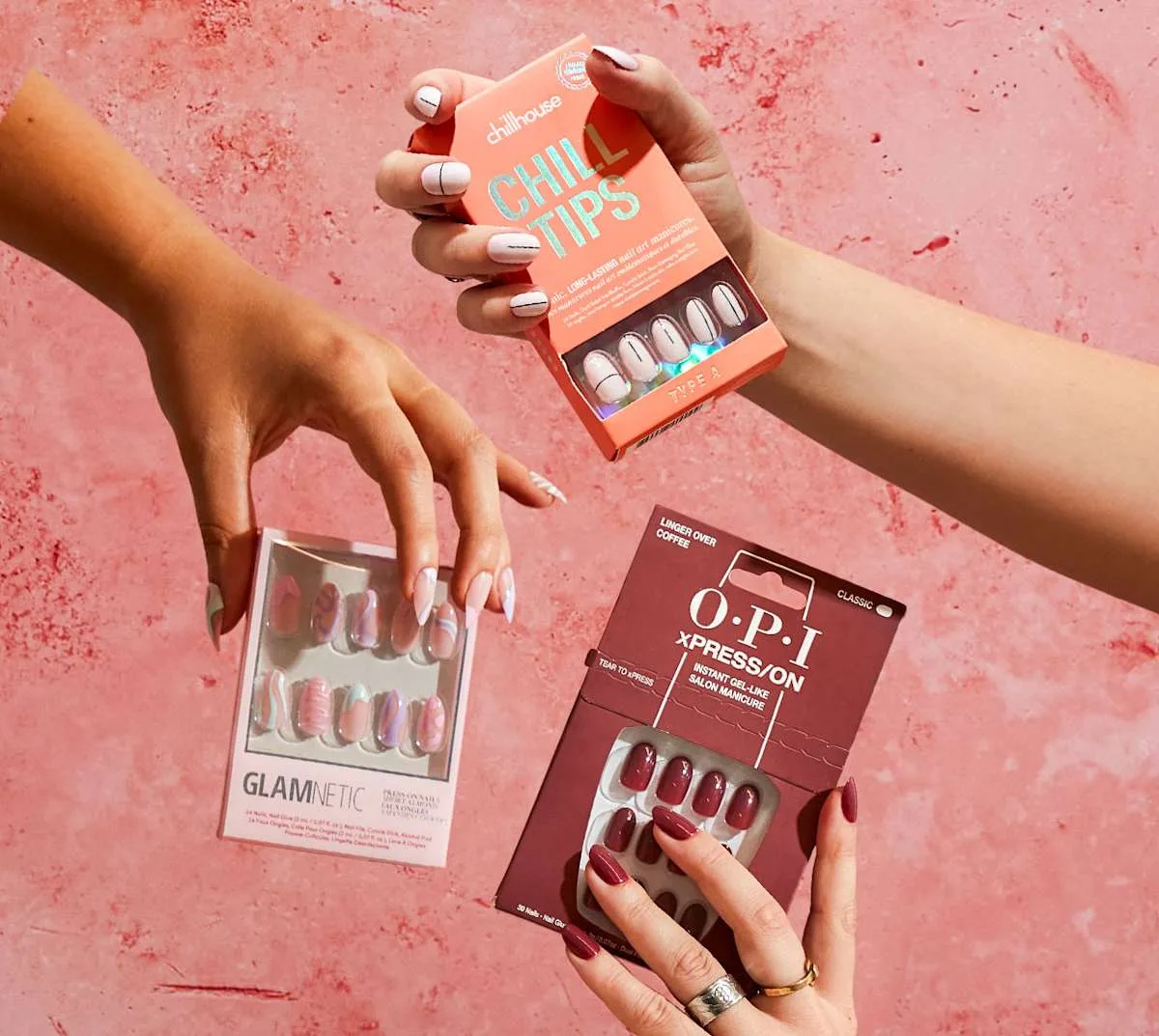
Fake nails encompass several primary types, including acrylic, gel, and dip powder, each with unique formulations and application processes. Various less common options also exist, catering to diverse preferences and requirements. Understanding these different types of fake nails is crucial for selecting the most suitable enhancement. These include traditional methods and newer alternatives that provide distinct finishes and wear characteristics.
How do acrylic, gel, and dip powder nails compare in terms of application and removal?
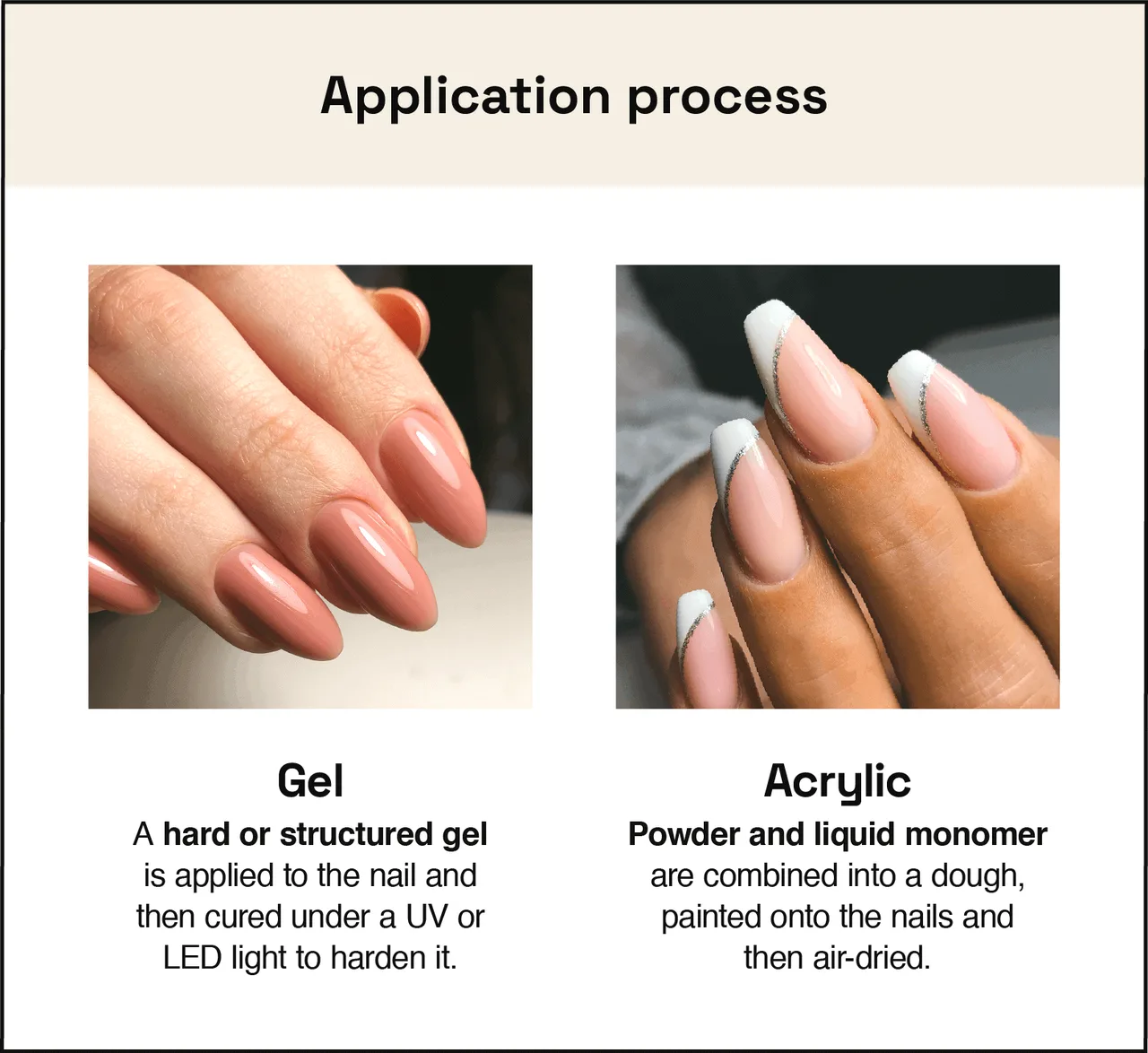
Acrylic, gel, and dip powder nails differ significantly in their application and removal processes, each involving distinct chemical reactions and physical techniques. These variations impact the time required, potential for damage, and overall user experience. Understanding these procedural differences is essential for informed decision-making regarding fake nail options.
Acrylic nails combine a liquid monomer and a powder polymer to create a hard protective layer, which cures through air exposure. Removal involves soaking the nails in acetone until the material softens and can be gently pushed off. Gel nails require several layers of gel polish cured under a UV or LED light. Their removal typically involves filing down the top coat and then soaking in acetone or gently peeling them off, depending on the gel type. Dip powder nails are applied by brushing on a base coat, dipping the nail into a colored powder, and then sealing it with an activator and top coat, without UV light. Removal is similar to acrylics, requiring acetone soaking to dissolve the layers.
Which type of fake nails is the best for durability and longevity?
Gel nails generally offer the best durability and longevity among fake nail options due to their flexible finish and strong adhesion. This flexibility helps them resist chipping and breaking more effectively than other types. Understanding the wear time and resistance of each fake nail type is crucial for choosing the option that best suits individual needs and activity levels. Gel nails, with proper application and care, can maintain their integrity and appearance for several weeks, creating a long-lasting, high-gloss, chip-resistant finish.
Acrylic nails provide considerable durability, lasting for Acrylic nails generally last for several weeks. but their rigid nature makes them more susceptible to cracking or breaking under impact. Dip powder nails are also noted for their strong wear, often lasting Dip powder nails are said to be more durable and better for your nails, creating a durable, chip-resistant finish that can last up to 3-4 weeks. (Source: Byrdie Beauty on Facebook). Their resistance to chipping is a key benefit, though they can become brittle over time.
What are the aesthetic differences between acrylic, gel, and dip nails?
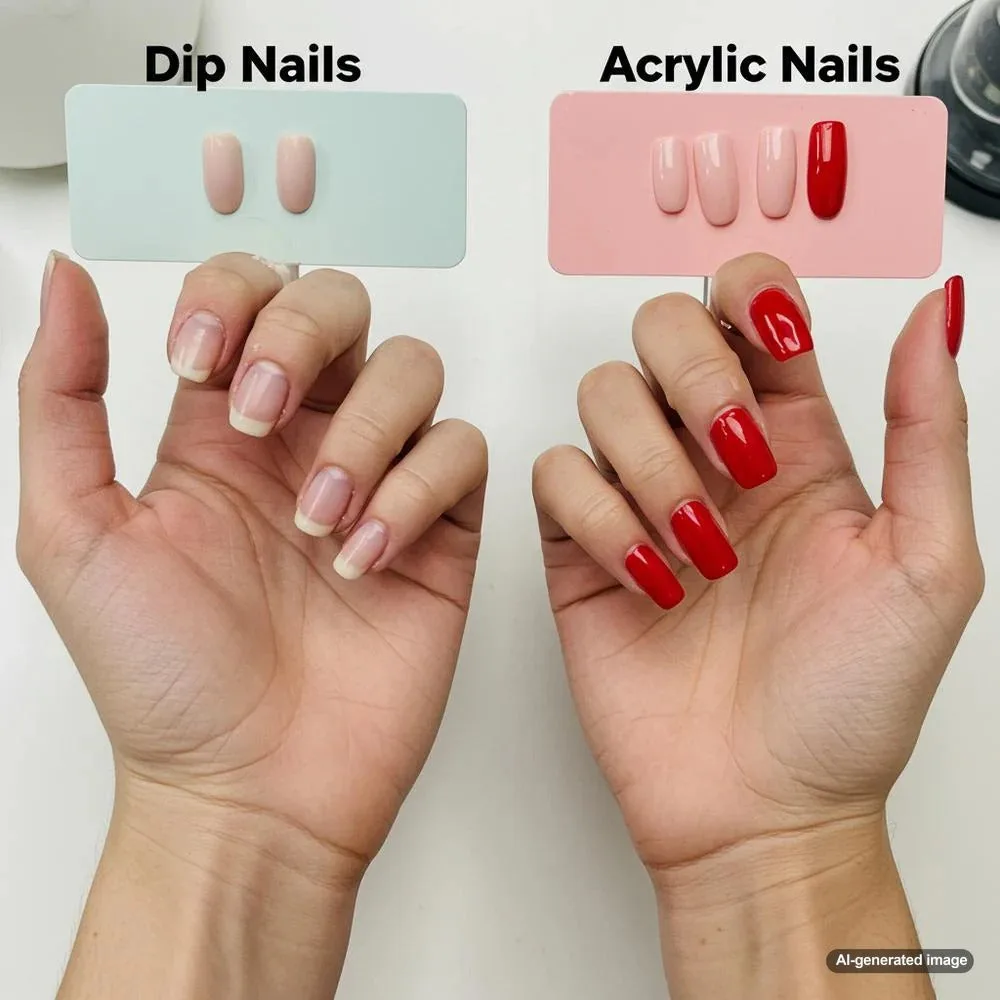
Acrylic nails typically feature a thicker, less flexible finish with a classic high-gloss appearance, while gel nails offer a natural look with a flexible, high-shine finish. Dip powder nails provide a durable, often matte or slightly textured aesthetic, distinguishing them from the smoother finishes of acrylic and gel. These distinctions in finish contribute significantly to the overall aesthetic of each fake nail type. Acrylics create a robust, uniform surface, often favored for length and intricate designs. Gel nails, known for their versatility, can range from sheer and natural to vibrant and opaque, maintaining a glossy sheen. Dip powder nails are appreciated for their strength and lighter feel, often resulting in a more subtle, yet polished look.
Which type of fake nails is the healthiest option for natural nails?
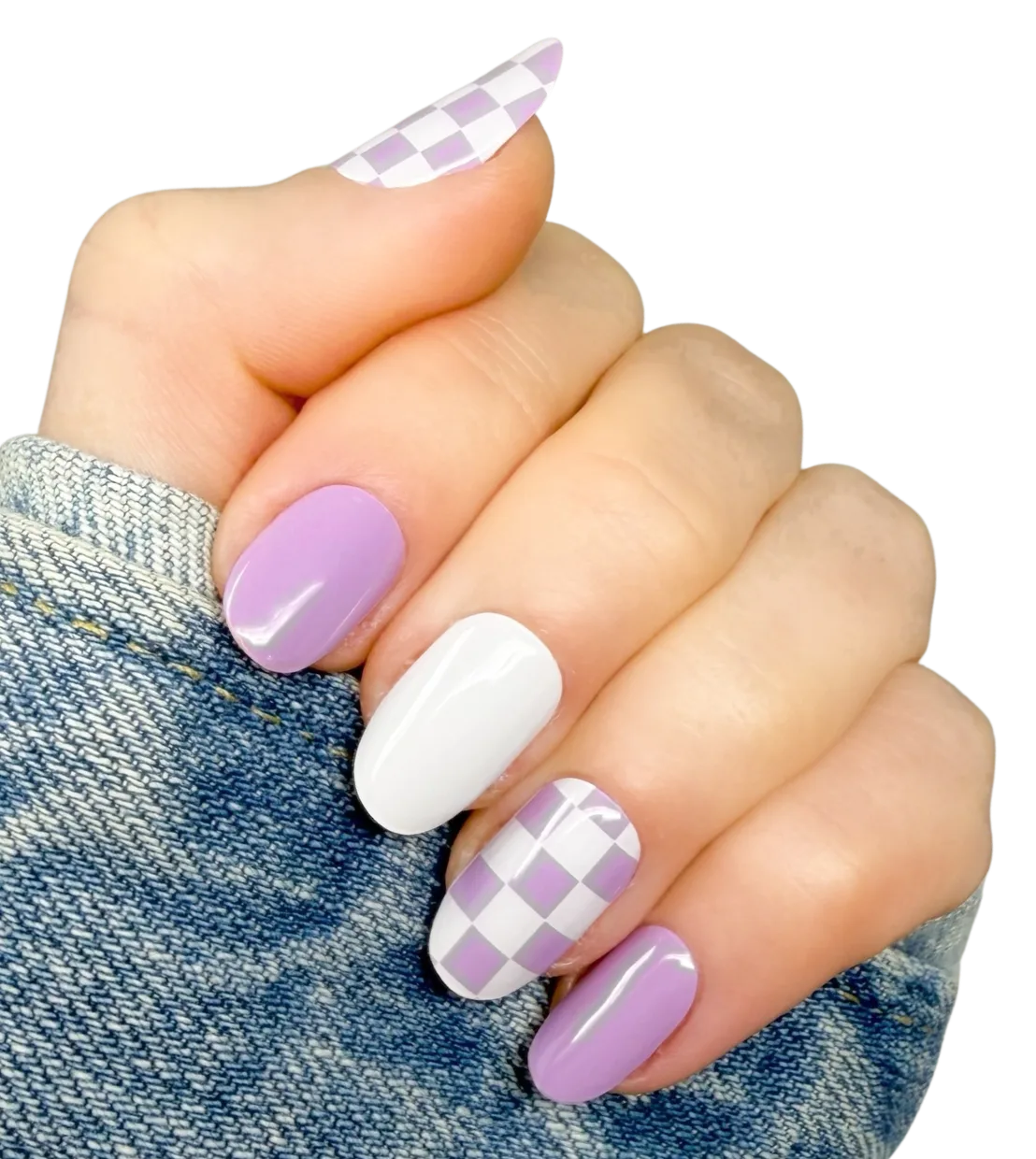
Dip powder nails are often considered a less damaging option for natural nails, partly due to their application process. This method typically avoids harsh chemicals and UV light exposure, which can contribute to nail damage. Understanding the potential impact of each fake nail type on natural nail health is crucial for making an an informed decision. While all fake nail applications carry some risk of damage, proper application and removal are key to minimizing adverse effects. Dip powder applications typically involve an odor-free adhesive and finely milled powder, creating a durable layer without the strong fumes associated with acrylics or the UV curing of gels. Acrylics can be damaging if not applied and removed correctly, often leading to thinning or breakage of the natural nail. Gel nails, while flexible, still require UV or LED light exposure for curing, which Using UV/LED nail lamps raises concerns about potential long-term skin damage and nail weakening, as many studies show UV radiation can cause DNA damage and different lamps can have varying UV intensities, emphasizing the importance of protection. (Source: Cổng Thông tin điện tử Kiểm định chất lượng hàng hóa).
Are there differences in cost and maintenance for various fake nail options?
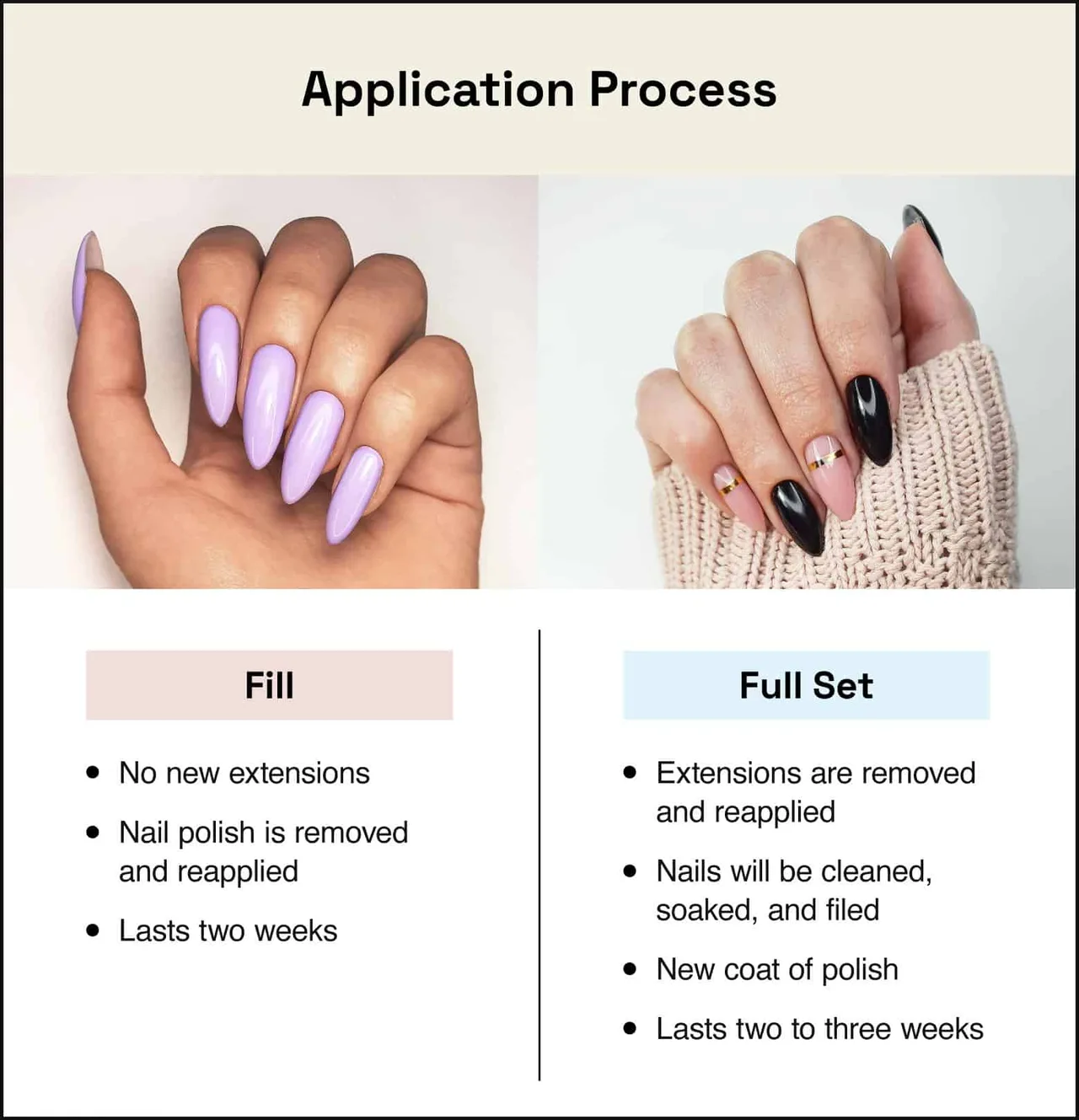
Yes, significant differences exist in both the initial cost and ongoing maintenance requirements for various fake nail options. These variations influence the overall expense and time commitment associated with each type. Understanding these financial and practical considerations helps in choosing the most suitable fake nail option for individual budgets and lifestyles.
Acrylic nails generally have a lower initial cost but may require more frequent fills. According to World Nail School Việt Nam, the average cost for a set of Acrylic Sculpting (đắp bột – điêu khắc form) ranges from $50 to $90. Maintenance involves fills every Acrylic nail fills typically last two to three weeks, with sessions costing around $20 to $40. Gel nails often have a higher upfront cost due to the materials and specialized curing process. Initial gel applications can range from $35 to $75, with fills priced between $30 and $50 every two to four weeks. Dip powder nails fall in a similar price range to gels for initial application. The cost for dip powder application is typically $55 and up, with no fill options. (Source: Nail Ink & Spa). The longevity and specific care routines for each type also impact long-term maintenance costs, including potential repair or removal expenses.
How do fake nails differ in flexibility and weight?
Fake nails differ in flexibility and weight, with gel nails offering the most flexibility and a lighter feel, while acrylics are more rigid and heavier. These differences impact the wearer’s comfort and the naturalness of the nail enhancement. Gel nails provide a pliable finish, closely mimicking the natural nail’s movement. In contrast, acrylic nails create a very hard, unyielding surface, which can feel more substantial. Dip powder nails fall in between, offering a strong yet relatively lightweight and flexible alternative, providing a balance of durability and comfort.
Choosing Your Ideal Fake Nails
Selecting the best fake nail option—acrylic, gel, or dip powder—depends on prioritizing factors like durability, natural appearance, application process, and potential impact on nail health. While gel nails generally offer superior durability and a flexible finish, dip powder nails are often considered the healthiest due to their non-toxic application. Acrylics provide a rigid, classic look, often at a lower initial cost. Ultimately, understanding these distinctions ensures you choose the most suitable enhancement for your aesthetic preferences and lifestyle needs.