Nails can indicate overall health, reflecting nutritional status and potential underlying conditions. Healthy nails are typically smooth, consistent in color, and free of ridges or discoloration.
Selecting the right type of nail enhancement is crucial for achieving desired aesthetic outcomes and maintaining nail integrity. Common enhancements include gel, acrylic, and dip powder, each offering distinct advantages in durability and appearance.
The impact of various nail enhancements on natural nail health varies significantly depending on application, removal, and aftercare. Improper techniques can lead to thinning, brittleness, or fungal infections, while proper care supports nail strength and growth.
Understanding the diverse types of nails and their enhancements is essential for informed choices, ensuring both beauty and well-being. This guide explores the primary types of nails used for enhancements and how different enhancements impact nail health, providing insights for anyone seeking professional nail services.
What are the primary types of nails used for enhancements?
The primary types of nails used for enhancements include natural nails, acrylics, gels, and dip powders, each offering unique characteristics for various aesthetic and durability needs. These distinct categories underpin the foundation of nail enhancements. This section will broadly introduce these nail types, setting the stage for a deeper exploration of their individual properties and applications.
What are the characteristics of natural nails
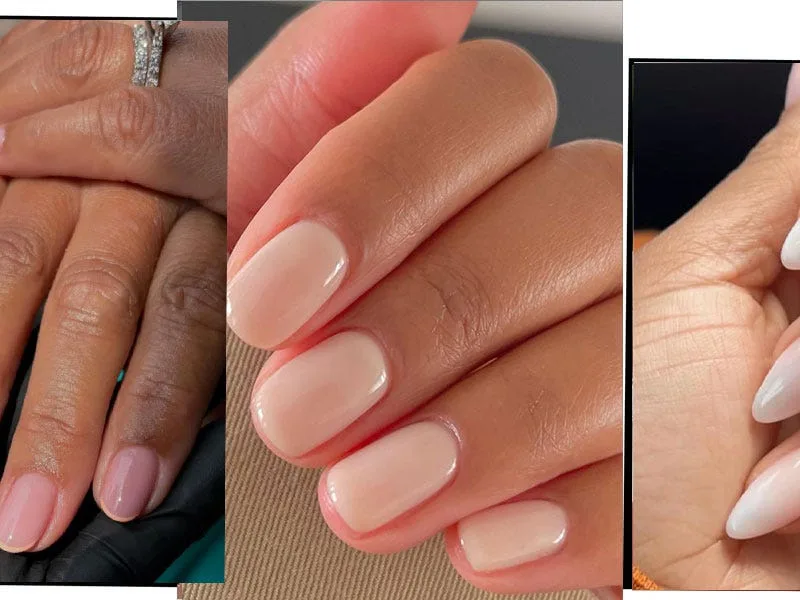
Natural nails are characterized by a strong, translucent nail plate composed of keratin, growing from the matrix at the base of the nail bed. Their basic structure includes the nail plate, nail bed, cuticle, and free edge. All these components contribute to their protective function. Understanding these intrinsic characteristics is fundamental to appreciating their role in both health and aesthetics.
Fingernails tend to grow at an average of 3.5 millimeters per month. This can vary based on factors such as age, nutrition, and overall health. Maintaining healthy natural nails involves proper hydration, a balanced diet rich in vitamins and minerals, and protection from harsh chemicals or physical trauma. They are permeable, allowing for the absorption of some substances.
What are the differences between acrylic and gel nail enhancements?
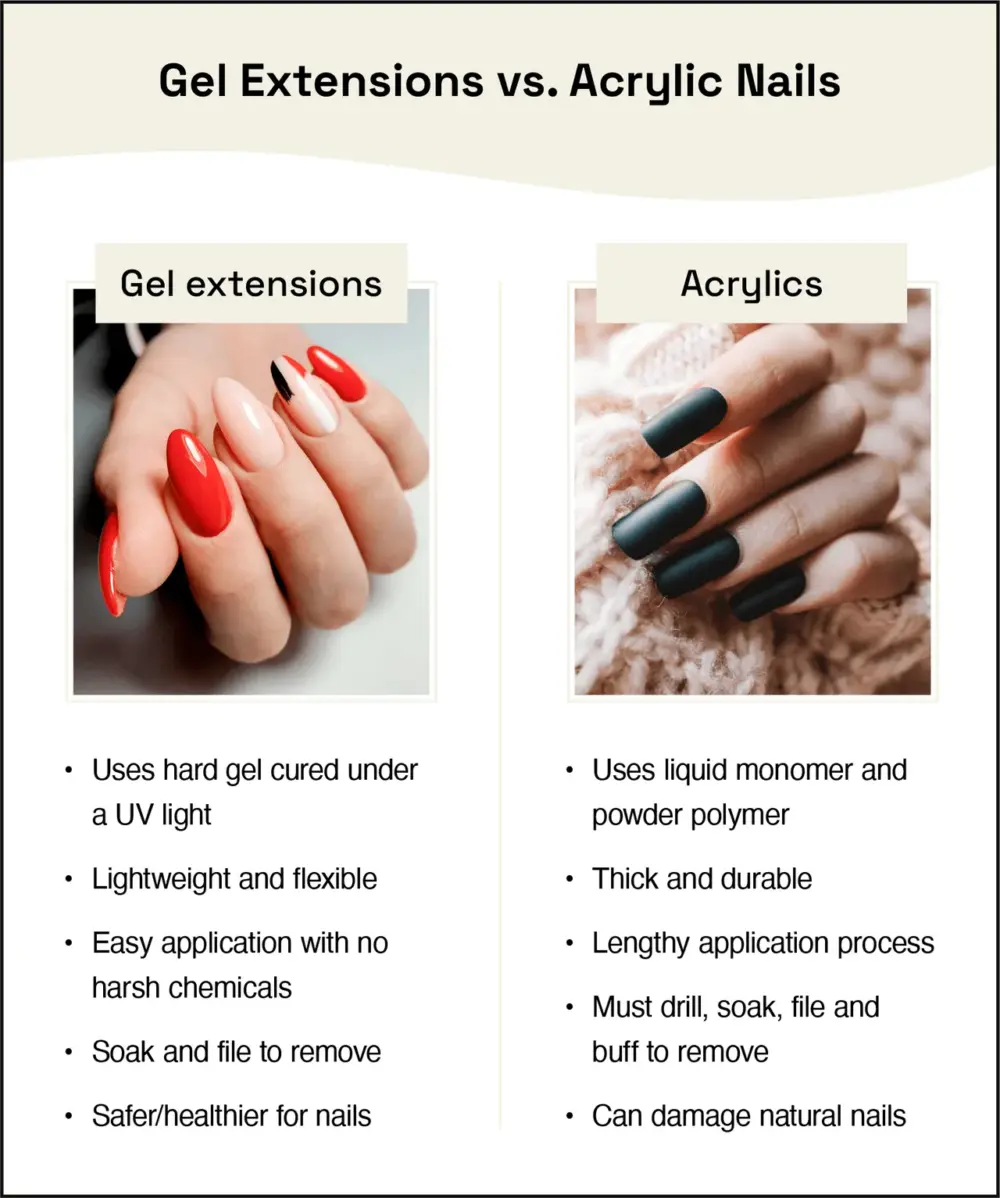
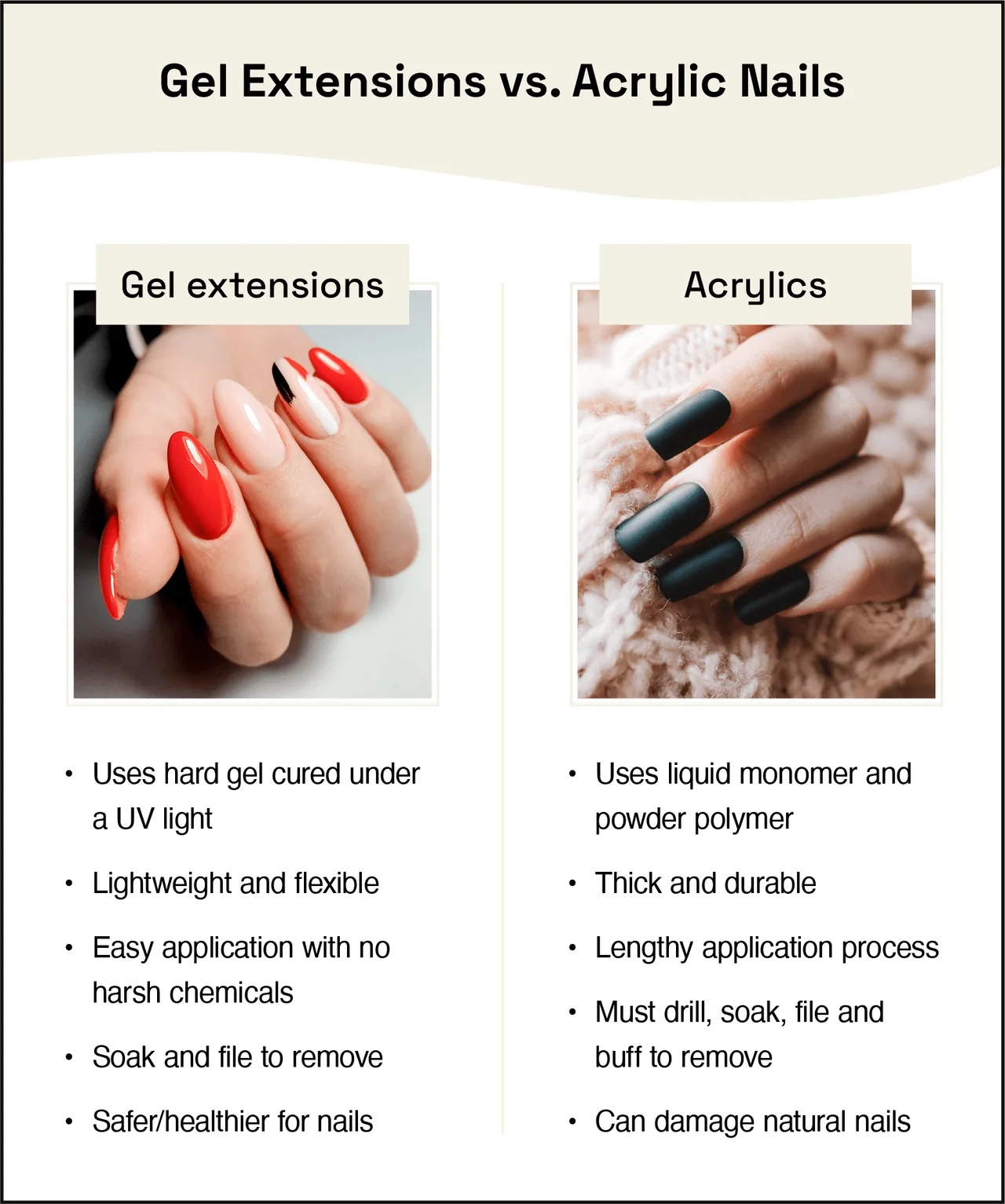
Acrylic and gel nail enhancements differ significantly in their application process, durability, removal methods, and final appearance. These distinctions are crucial for clients to consider when selecting a nail enhancement. While both offer strength and aesthetic appeal, their characteristics cater to different preferences and needs.
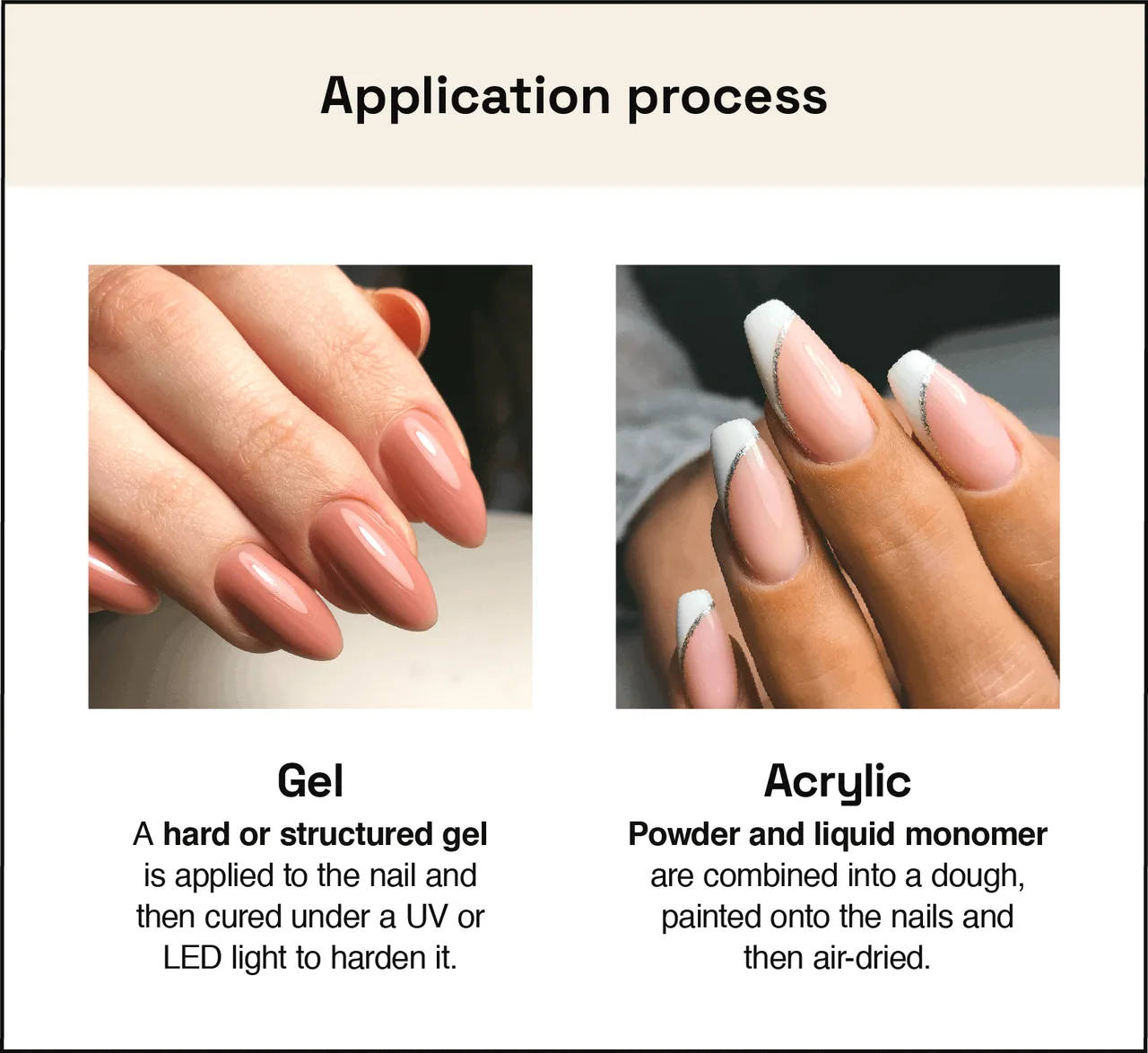
Acrylic nails involve mixing a liquid monomer with a powdered polymer to create a hard protective layer, which air-dries to a rigid finish. They are known for their exceptional durability, often lasting three to four weeks without chipping, but can appear thicker and less flexible than natural nails. Removal typically requires soaking in acetone, which can be drying to natural nails. In contrast, gel nails use a pre-mixed polymer gel that hardens under UV or LED light, providing a more flexible and natural-looking finish. Gel enhancements typically last for two to three weeks and offer a high-gloss shine. Removal involves either soaking or filing, depending on the gel type, and is generally considered less damaging than acrylic removal.
How do dip powder nails compare to other enhancement types?
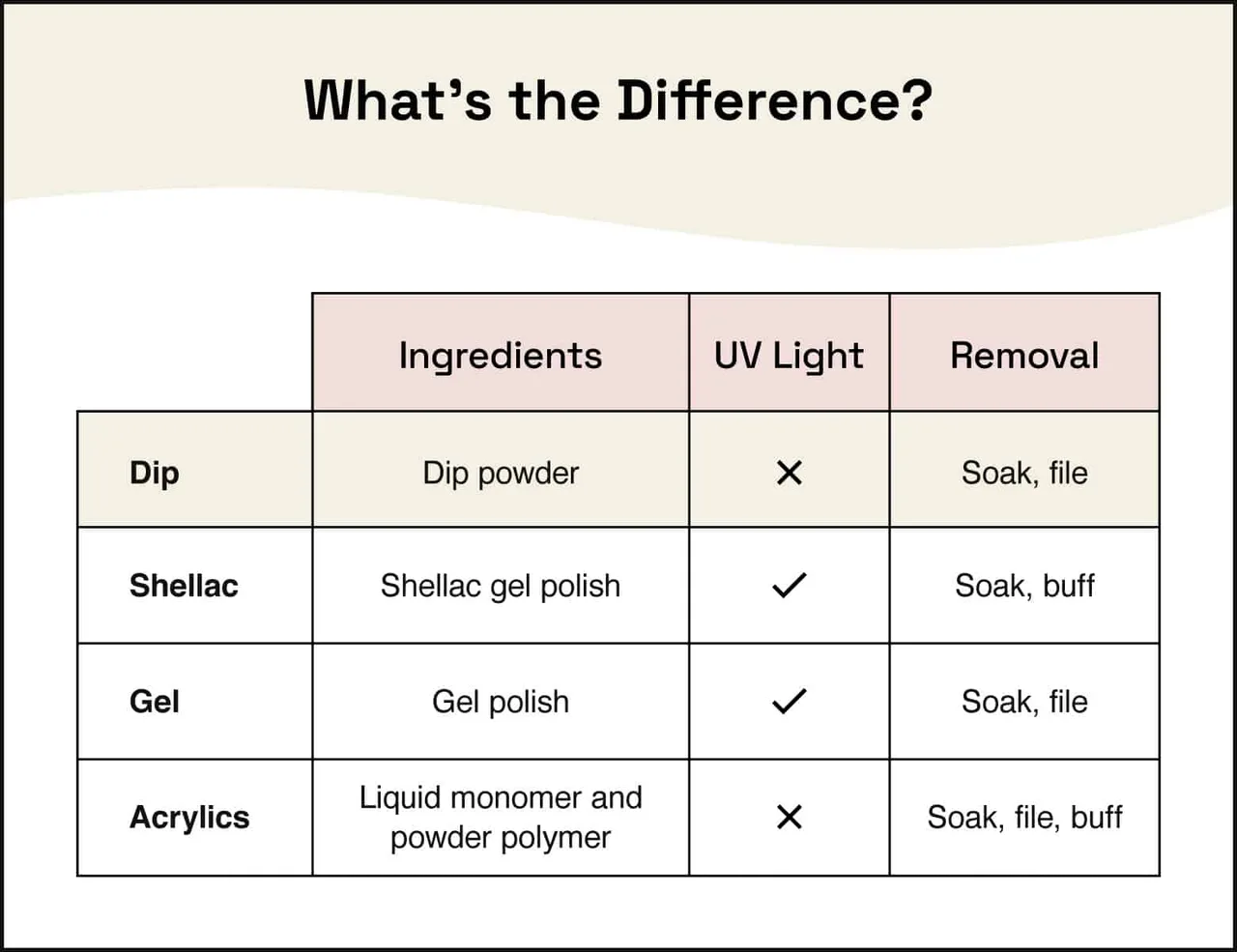
Dip powder nails offer a unique combination of durability and a lightweight feel, contrasting with the application and removal processes of both gel and acrylic enhancements. This distinct approach provides an alternative for individuals seeking a different aesthetic and wear experience. Dip powder application involves applying a base coat, dipping the nail into a colored powder, and then sealing it with an activator and top coat, eliminating the need for UV/LED light curing. These nails typically last for three to four weeks, comparable to acrylics in terms of wear time. Removal often involves soaking in acetone, similar to acrylics, but the process is generally considered less abrasive than filing off hard gels. Unlike traditional gels, dip powders do not provide the same level of flexibility, yet they are less prone to chipping than regular polish.
How do different nail enhancements impact nail health?
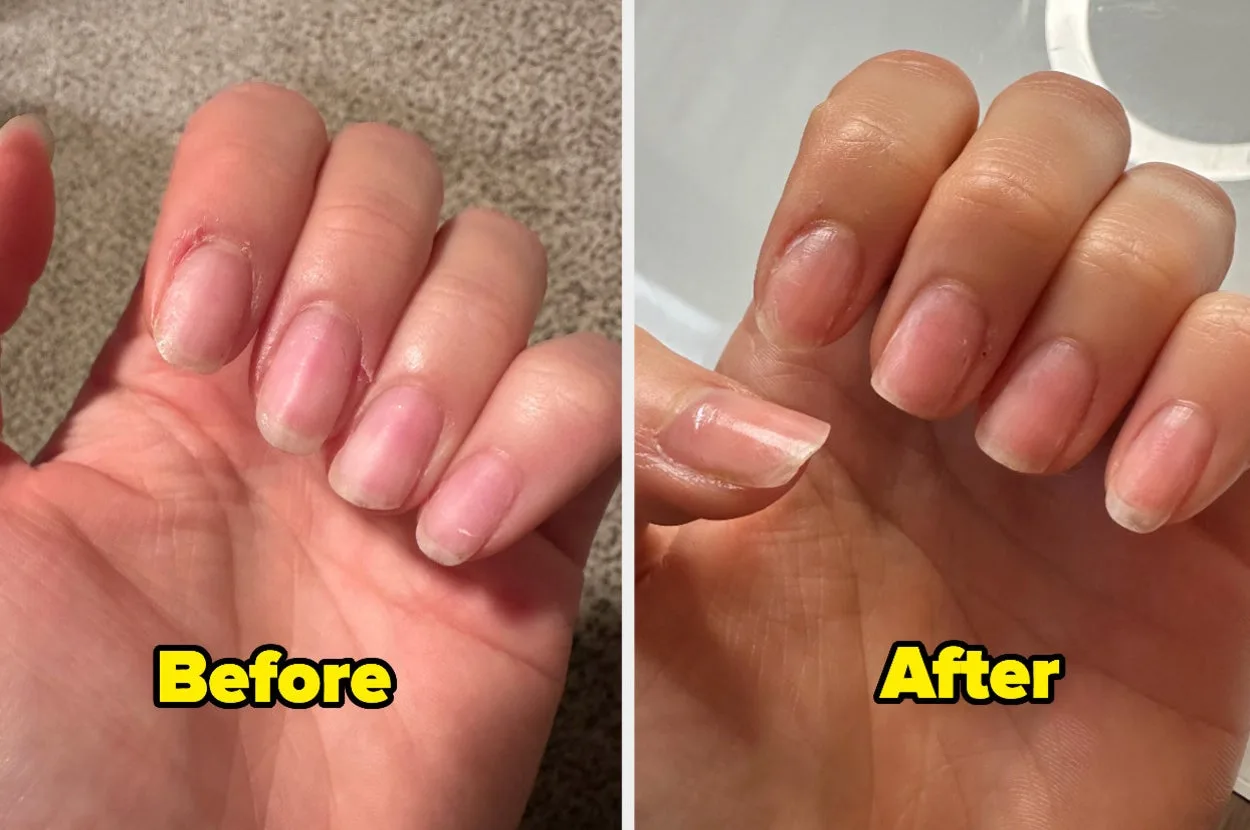
Different nail enhancements impact nail health through potential damage from improper application and removal, alongside benefits derived from proper techniques and aftercare. Understanding these factors is crucial for minimizing risks and maximizing the health of natural nails. This section explores the specific ways various enhancements affect nail integrity, highlighting both adverse effects and protective aspects.
Can frequent nail enhancements damage natural nails?
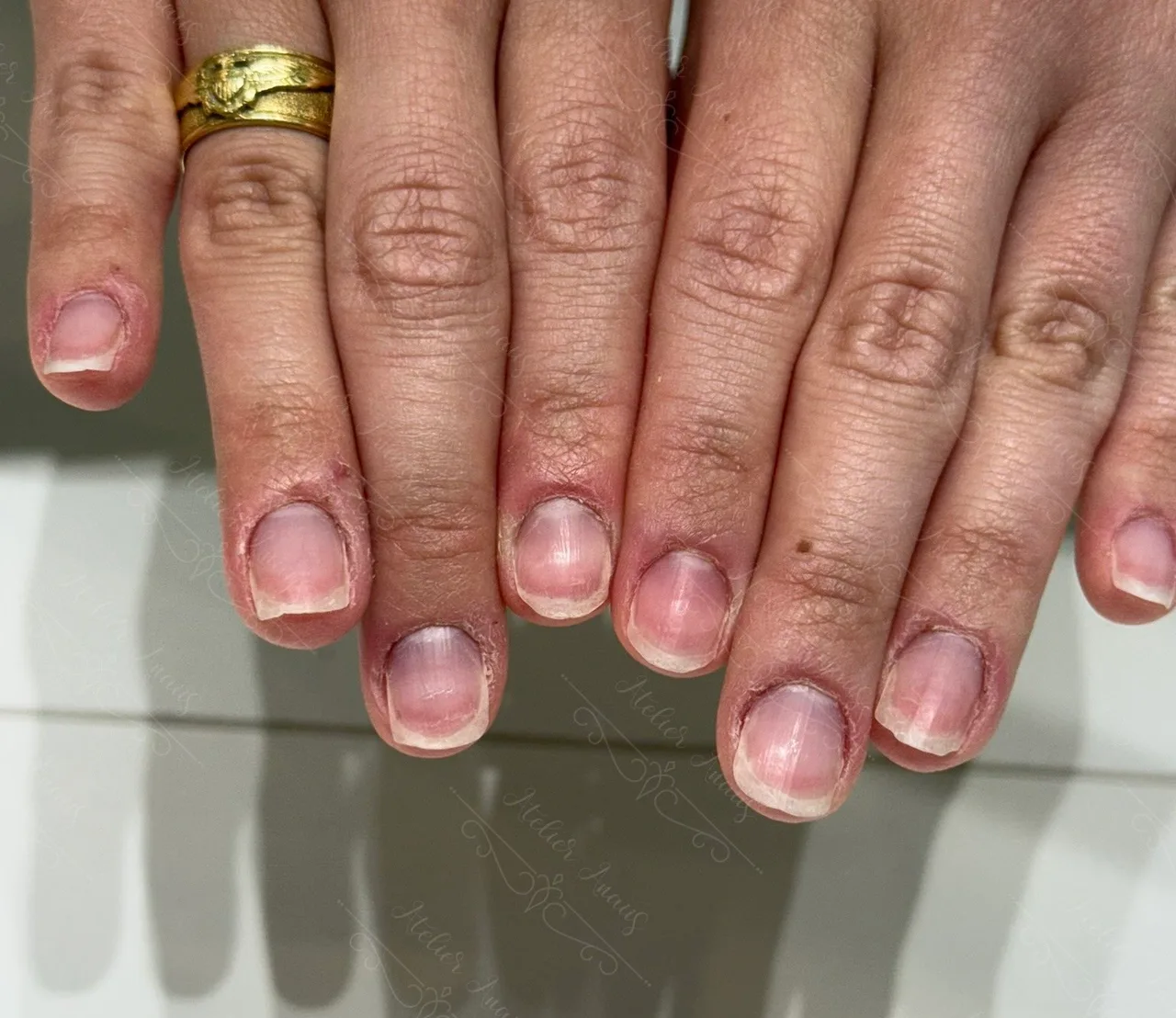
Yes, frequent nail enhancements can damage natural nails through thinning, breakage, and increased susceptibility to infections if not applied or removed correctly. This impact on nail health is a significant concern for individuals who regularly opt for these cosmetic treatments.
Improper application techniques lead to mechanical trauma. Examples include excessive filing or harsh adhesive use, which compromises the nail plate’s integrity. Frequent exposure to certain chemicals during the enhancement process, especially during removal, dehydrates and weakens the natural nail, causing it to become brittle and prone to breakage. Poor sanitation practices in nail salons also increase the risk of fungal or bacterial infections. Regular breaks from enhancements and consistent moisturizing routines are essential for supporting natural nail recovery and strength.
What are the best practices for maintaining nail health with enhancements?
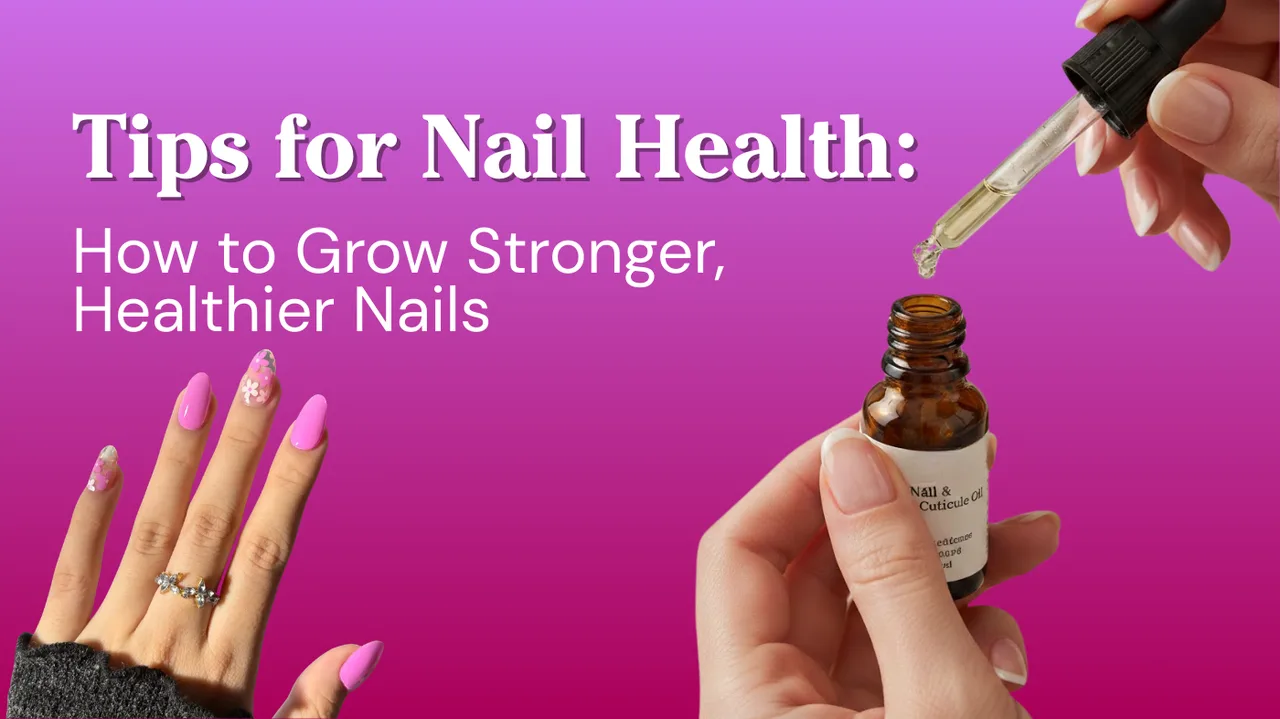
Maintaining nail health with enhancements involves a combination of proper care, consistent hydration, and professional removal to mitigate potential damage. These practices are essential for preserving the integrity of natural nails while enjoying the aesthetic benefits of enhancements. Effective maintenance minimizes issues such as thinning, brittleness, and infections, ensuring overall nail well-being. Proper hydration of both nails and cuticles prevents dryness and cracking. Professional removal by trained technicians avoids trauma to the nail plate, contrasting with at-home methods that often lead to damage. Regular breaks from enhancements also allow natural nails to recover and strengthen.
What are emerging trends in nail enhancement applications?
Emerging trends in nail enhancement applications encompass innovative techniques and unique materials beyond traditional options, providing diverse aesthetic and functional possibilities. These advancements cater to evolving client demands for personalization and specialized nail care. This section explores some unique and rare nail enhancement types and their applications, showcasing the expanding landscape of nail artistry.
What are ‘builder gel’ nails and how are they used?
Builder gel nails are a type of gel enhancement used to create nail extensions and add strength to natural nails, offering a durable and flexible alternative to traditional acrylics. This specialized gel provides a versatile option for various nail enhancements. It can be sculpted to create length, build an apex for added strength, and repair damaged nails. Builder gel hardens under UV or LED light, forming a strong, protective layer. It is often favored for its natural look and feel, as well as its ability to promote natural nail growth underneath the enhancement.
Are ‘apres gel-x’ nails a safe and durable alternative?
Yes, Apres Gel-X nails are a safe and durable alternative, offering a lightweight feel and easy removal that minimizes damage to natural nails. This innovative system provides a full-coverage tip that is adhered with a gel product, then cured under an LED light. They combine the durability of traditional gel enhancements with a gentler application and removal process. The process avoids harsh chemicals and excessive filing, contributing to better nail health compared to some other enhancement types.
Conclusion
Understanding the distinct types of nails used for enhancements and their varying impacts on natural nail health is crucial for making informed decisions. While natural nails provide a foundational structure, enhancements like acrylics, gels, and dip powders each offer unique characteristics in terms of application, durability, and appearance. Frequent enhancements, if improperly applied or removed, can lead to thinning and damage; however, proper care, professional removal, and maintaining hydration are essential practices for preserving nail integrity. Emerging trends such as builder gel and Apres Gel-X also provide durable and safer alternatives, reflecting a continuous evolution in nail artistry and care.