Nail extensions are artificial enhancements applied over natural nails to add length, strength, or change their shape. Common types include gel, acrylic, and fiberglass extensions, each offering distinct finishes and application methods.
The longevity of nail extensions varies significantly. Durations are influenced by the type, application quality, and individual aftercare. Regular maintenance is crucial for extended wear.
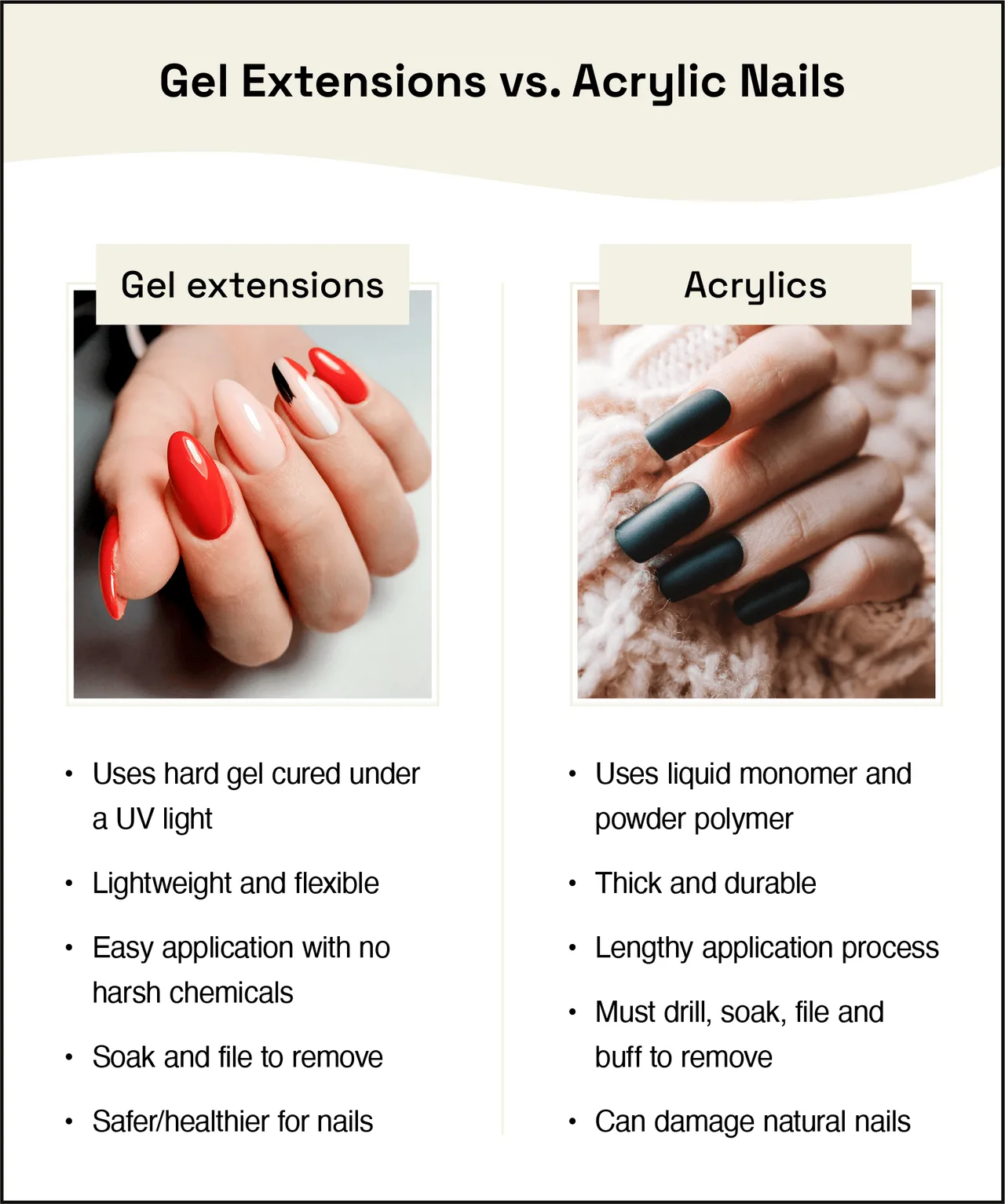
The primary distinction between nail extensions and acrylics is that acrylics are a specific type of nail extension, made from a liquid monomer and powdered polymer that hardens when exposed to air. Not all nail extensions are acrylics, but all acrylics are a form of nail extension.
What are the common types of nail extensions?
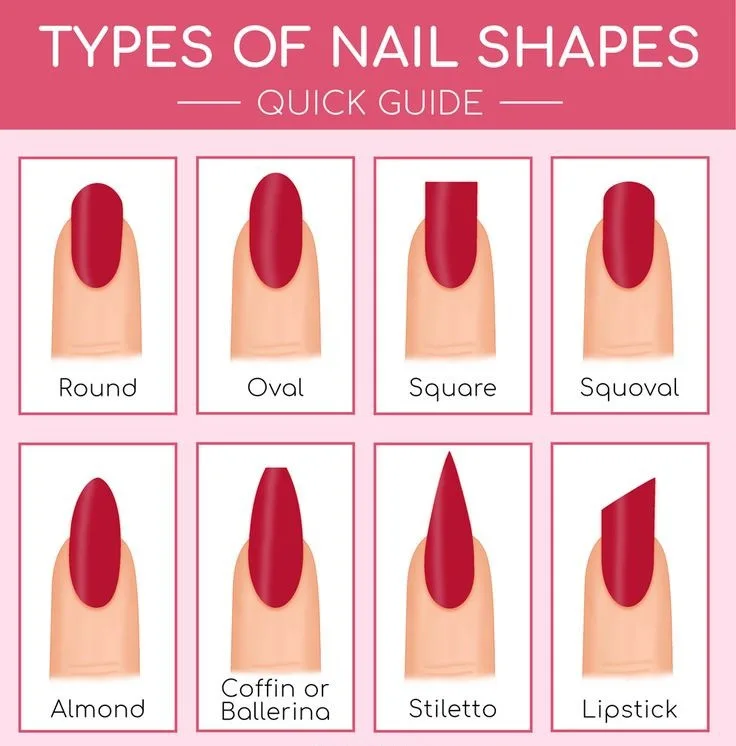
The common types of nail extensions include gel, acrylic, and fiberglass, each designed to offer distinct benefits and aesthetic outcomes. These primary categories provide various options for enhancing natural nails in terms of length, strength, and appearance. Understanding these types helps individuals choose the most suitable option for their desired look and lifestyle.
What are acrylic nail extensions?
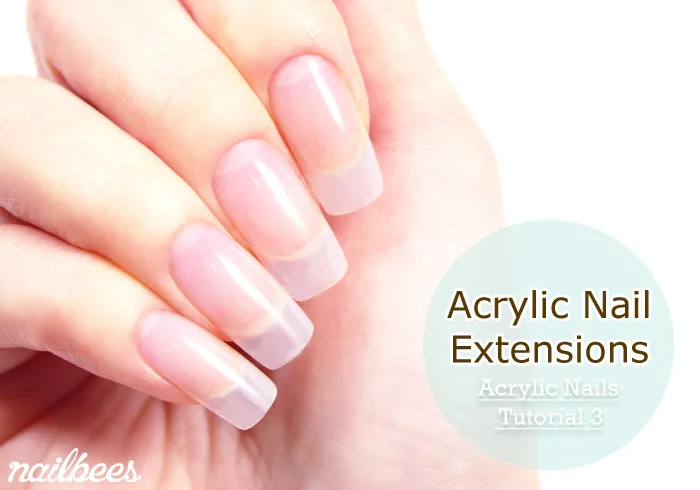
Acrylic nail extensions are created by combining a liquid monomer and a powdered polymer, forming a durable protective layer over natural nails. This mixture hardens upon air exposure, creating a strong and versatile nail enhancement. Understanding the composition and application process of acrylics provides insight into their popularity as a nail extension option.
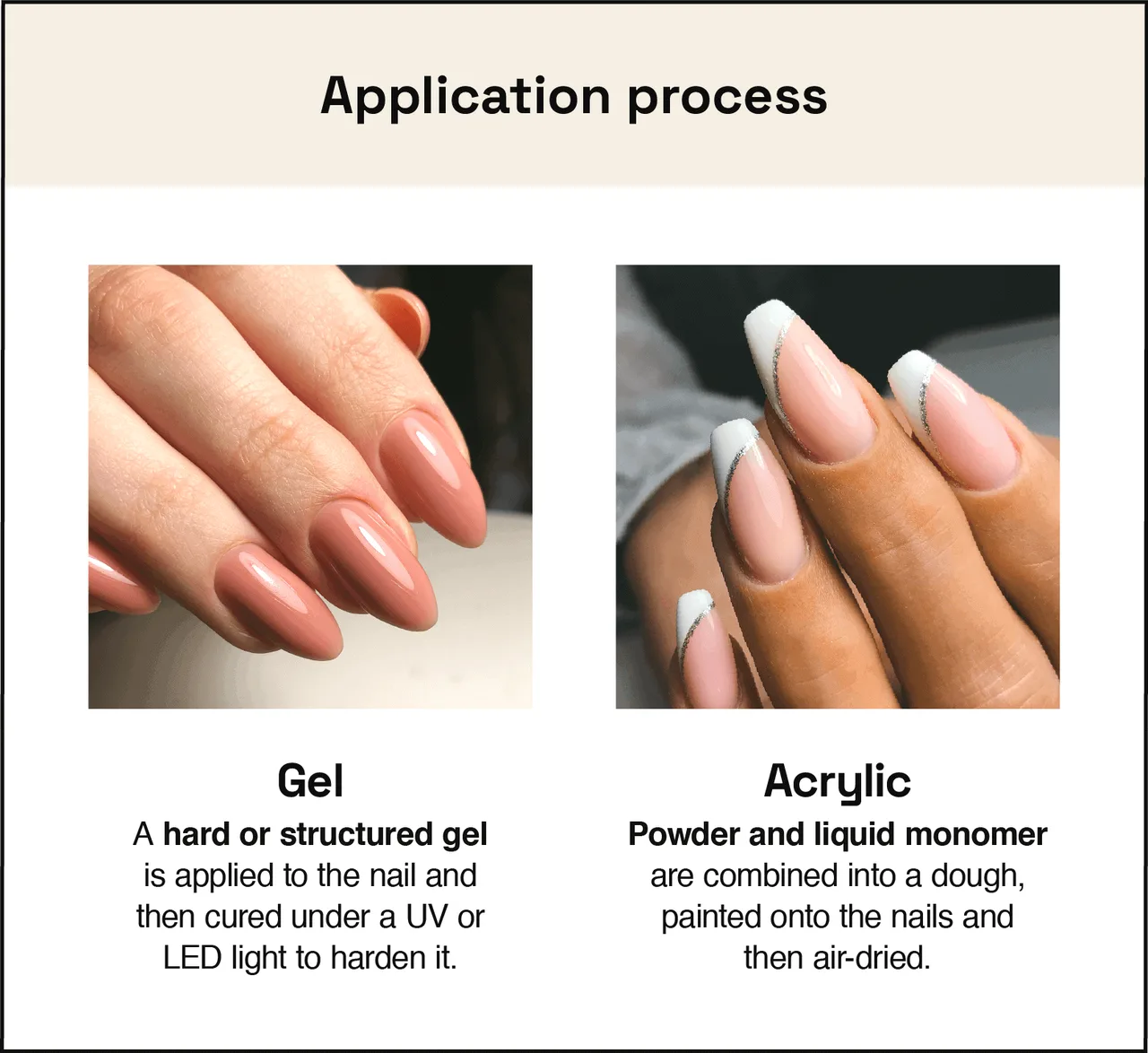
The application process involves mixing the liquid monomer with the powdered polymer to create a bead of acrylic. This bead is then applied to the natural nail and sculpted into the desired shape and length using a brush. The acrylic material air-dries and hardens within several minutes without the need for a UV/LED lamp, distinguishing it from gel extensions. Acrylics are recognized for their strength and durability, making them a popular choice for those seeking long-lasting nail enhancements.
What are gel nail extensions?
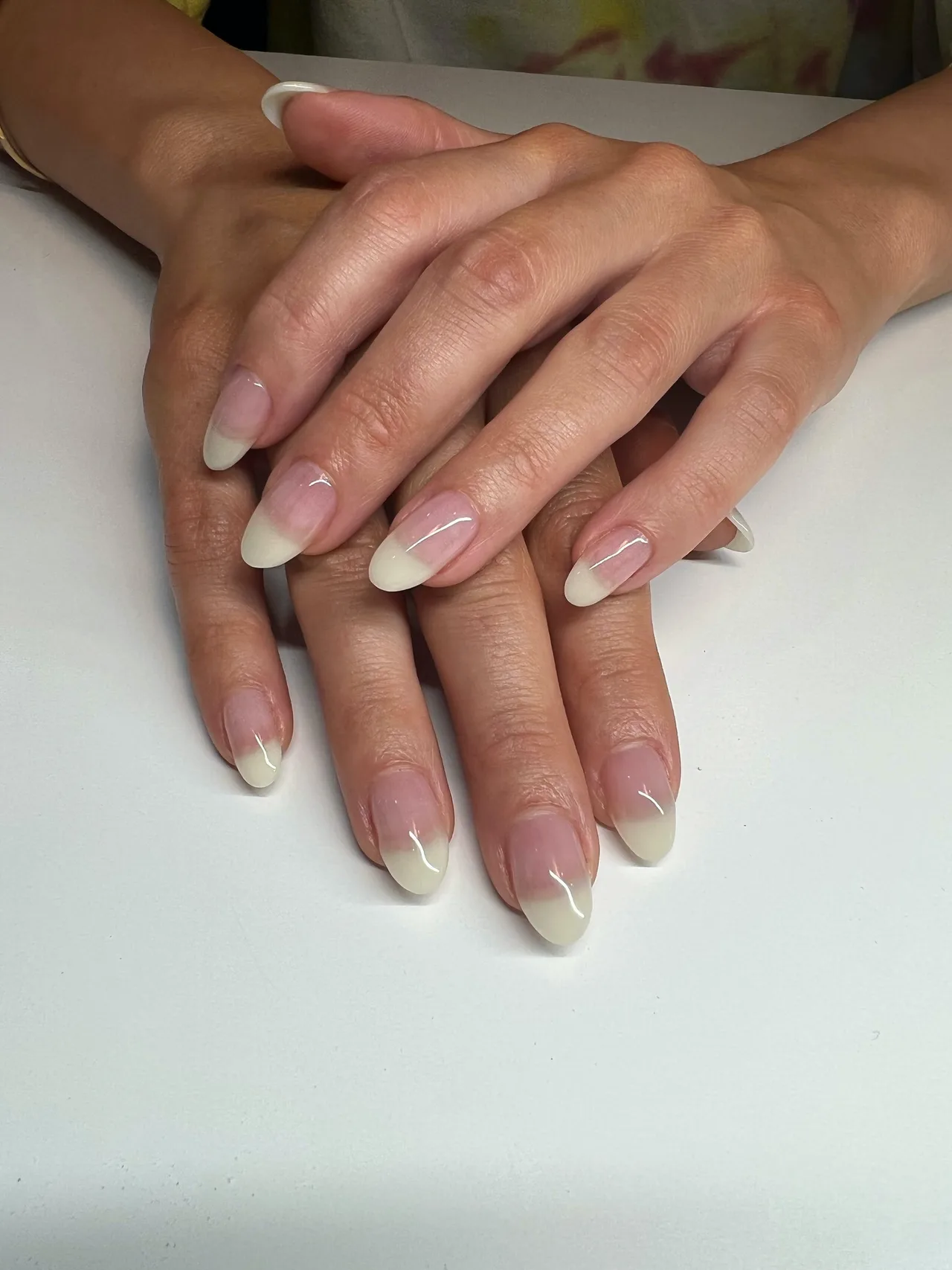
Gel nail extensions are created using a gel-based product cured under a UV or LED lamp to form a strong, glossy, and flexible enhancement over natural nails. This method ensures a durable and aesthetically pleasing finish. Their composition and curing process highlight their distinct advantages.
What are fiberglass nail extensions
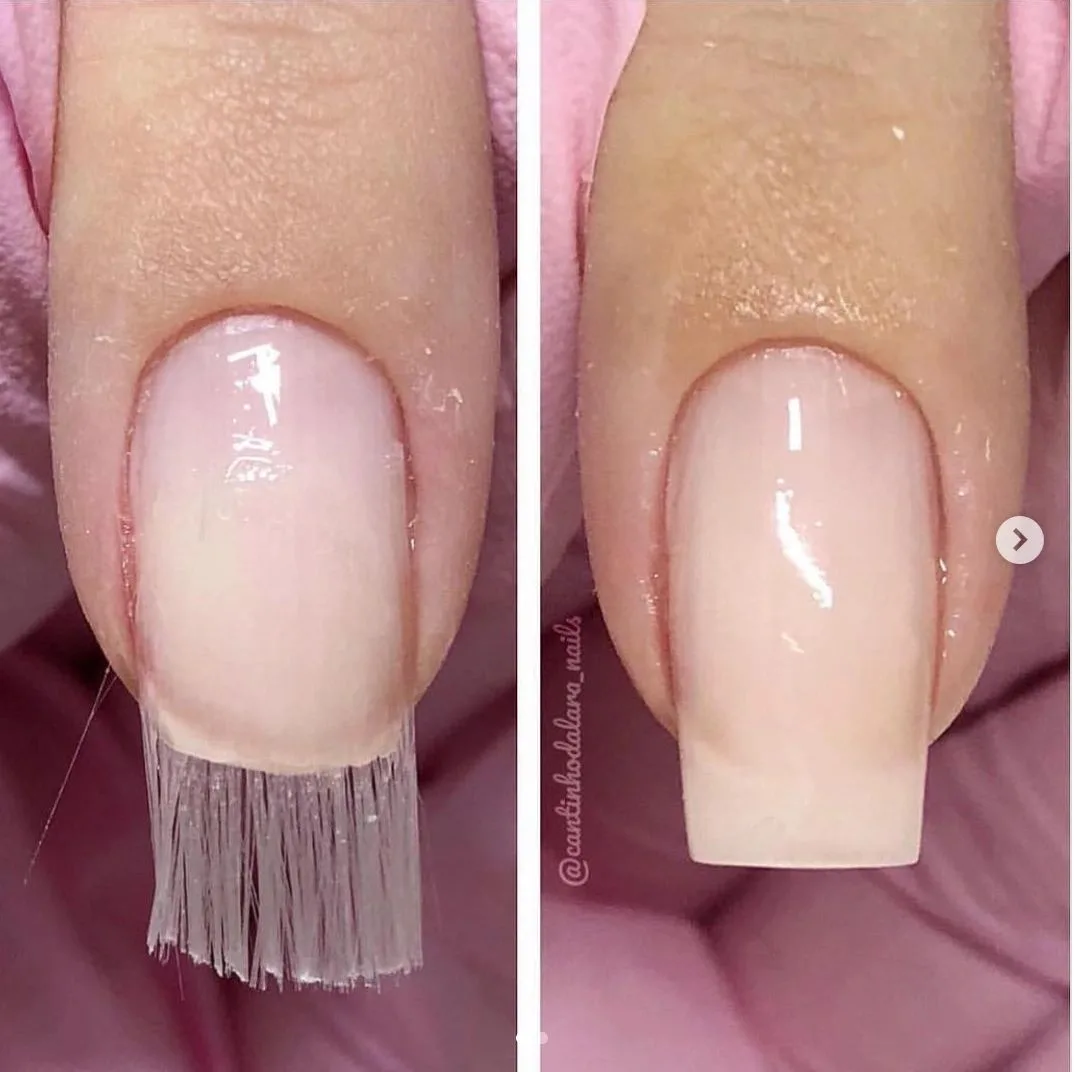
Fiberglass nail extensions are lightweight enhancements created by applying finely cut fiberglass or silk pieces onto the natural nail, sealed with resin or gel. This method provides a clear, thin, and durable layer. These extensions are primarily used for nail repair, strengthening weak nails, or adding a subtle extension without significant bulk. They offer a flexible and natural-looking finish.
How long do nail extensions typically last?
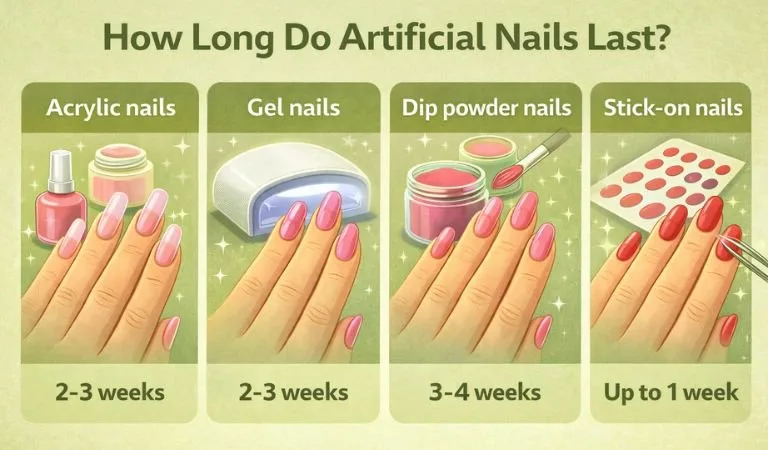
Nail extensions typically last for several weeks. The exact duration depends on the type of material used, the quality of the application, and the wearer’s aftercare practices. These factors significantly influence their wear and longevity.
Does proper application affect the longevity of nail extensions?
Yes, proper application significantly affects the longevity of nail extensions by ensuring a strong bond and preventing premature lifting or damage. Professional application techniques contribute to their durability. This is due to several key factors that influence the overall wear time and structural integrity of the extensions. A skilled technician applies the products correctly, which is critical for extension lifespan.
What role does daily activity play in the lifespan of nail extensions?
Daily activities significantly impact the lifespan of nail extensions by subjecting them to wear and tear, influencing how long they remain intact and aesthetically pleasing. The extent of this impact depends on the intensity and frequency of certain habits and tasks. Understanding these influences helps in prolonging the life of nail extensions. Everyday actions such as typing, washing dishes, or engaging in sports introduce stress to the extensions, potentially leading to chipping, lifting, or breakage. Consistent exposure to water, harsh chemicals, or physical impacts weakens the bond between the extension and the natural nail, thereby reducing their overall longevity.
What is the difference between nail extensions and acrylics?
Acrylics are a specific type of nail extension, while nail extensions encompass a broader category of artificial enhancements applied to natural nails. This means all acrylics are nail extensions, but not all nail extensions are acrylics. The primary distinction lies in their classification, with acrylics being a subset of the larger group of nail extension options. Understanding this relationship clarifies that these terms are not interchangeable but rather represent a hierarchical classification within nail enhancements.
How should you care for your nail extensions to maximize their lifespan?
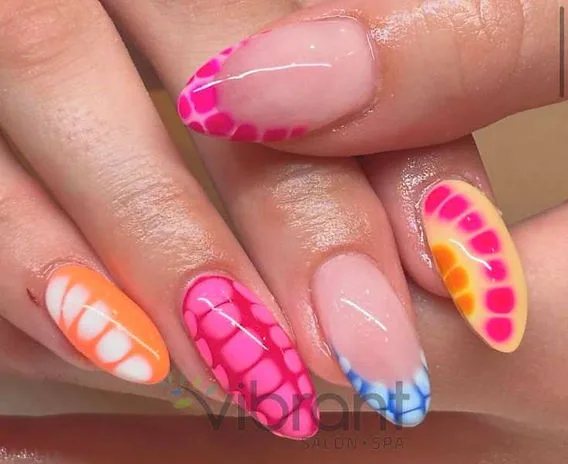
Maximizing the lifespan of nail extensions involves a comprehensive care routine focusing on protection, maintenance, and gentle handling. This approach ensures their durability and aesthetic appeal over time. Implementing these practices minimizes damage and prolongs the period between salon visits.
What are the essential daily care tips for nail extensions?
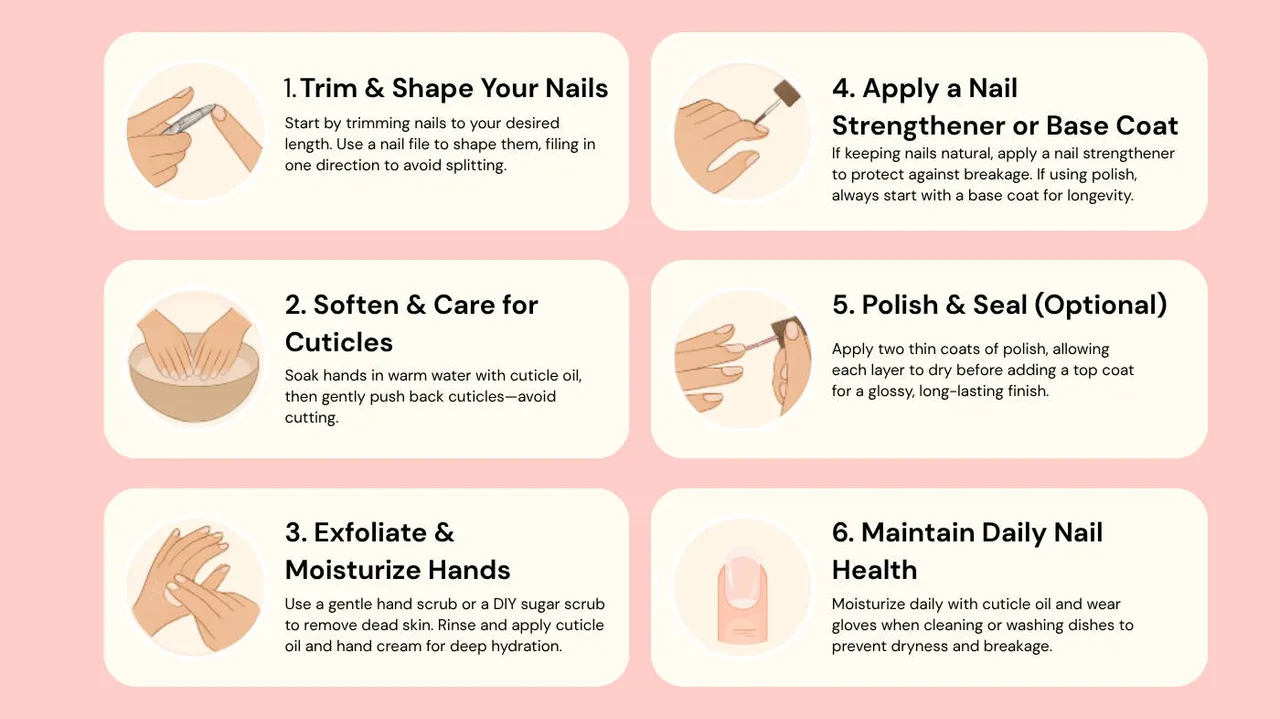
Maximizing the lifespan of nail extensions requires consistent daily care, focusing on protection and gentle treatment. This approach minimizes damage and maintains their aesthetic appeal over time. Proper daily care practices are crucial for the long-term durability of nail extensions.
When should you get fills or rebalances for your nail extensions?
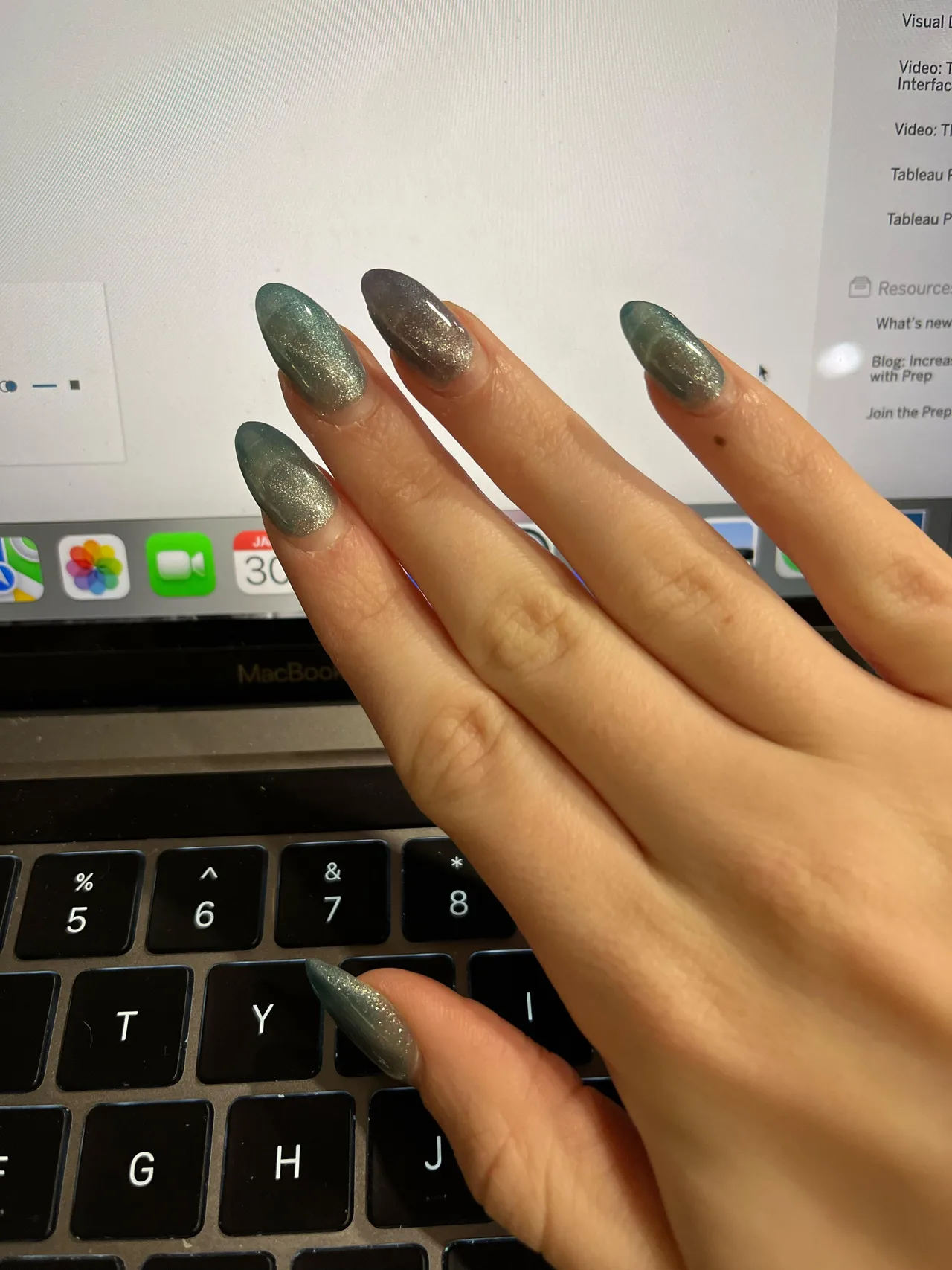
Regular professional maintenance for nail extensions typically involves fills or rebalances to maintain their integrity and appearance. This schedule ensures the extensions remain strong and aesthetically pleasing. Adhering to this routine prevents lifting, breakage, and other issues that compromise the longevity and look of the enhancements. The frequency of these appointments depends on the rate of natural nail growth and the specific type of extension. Regular maintenance appointments involve filling the gap created by natural nail growth and rebalancing the nail’s structure to prevent stress points.
How can you safely remove nail extensions at home?
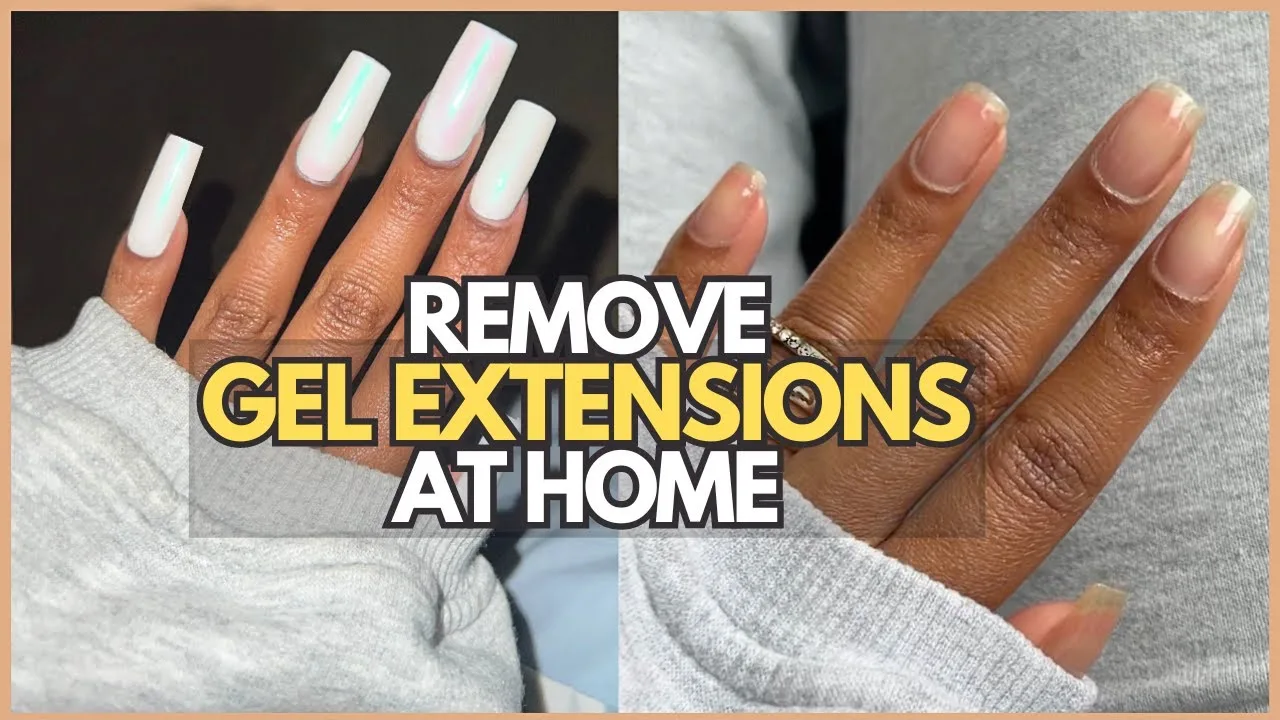
Safely removing nail extensions at home involves a gentle, multi-step process to prevent damage to natural nails. This method helps maintain the integrity of the underlying nail plate. Proper technique avoids peeling or forcing the extensions, which can cause significant harm.
Are there any advanced techniques for nail extension customization?
Yes, advanced techniques for nail extension customization exist, extending beyond basic colors and shapes to include intricate designs and specialized finishes. These methods allow for greater personalization and unique aesthetic expressions. Exploring these advanced options provides clients with diverse ways to enhance their nail extensions, tailoring them to individual preferences and styles.
What are encapsulation techniques in nail extensions?
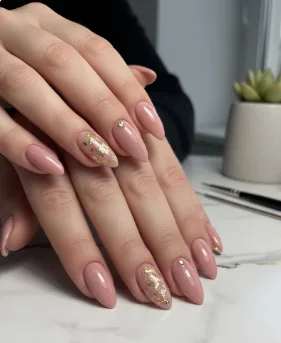
Encapsulation techniques in nail extensions involve embedding decorative elements like glitter, dried flowers, or foils within the layers of the nail enhancement. This method creates a smooth, sealed finish that protects the embedded items. It allows for advanced customization beyond surface-level designs.
How is 3D nail art applied to extensions?
3D nail art is applied to extensions by sculpting raised designs directly onto the nail surface using specialized acrylic or gel products. This process creates a tactile and visually striking effect. The application method involves several detailed steps to achieve the desired three-dimensional look.
Conclusion
Nail extensions offer diverse options, including gel, acrylic, and fiberglass, each providing unique benefits and aesthetic outcomes. Their longevity is influenced by the type, application quality, and meticulous aftercare. While acrylics are a specific form of nail extension, the broader category encompasses various enhancements designed to add length, strength, or reshape natural nails. Proper care, including regular fills and gentle handling, is crucial for maximizing their lifespan and maintaining their appeal, allowing for advanced customization through techniques like encapsulation and 3D nail art.