Acrylic nail types are categorized by their chemical composition, application techniques, and aesthetic factors like shape and finish. Understanding these distinctions is essential for selecting the appropriate style and appreciating diverse market options.
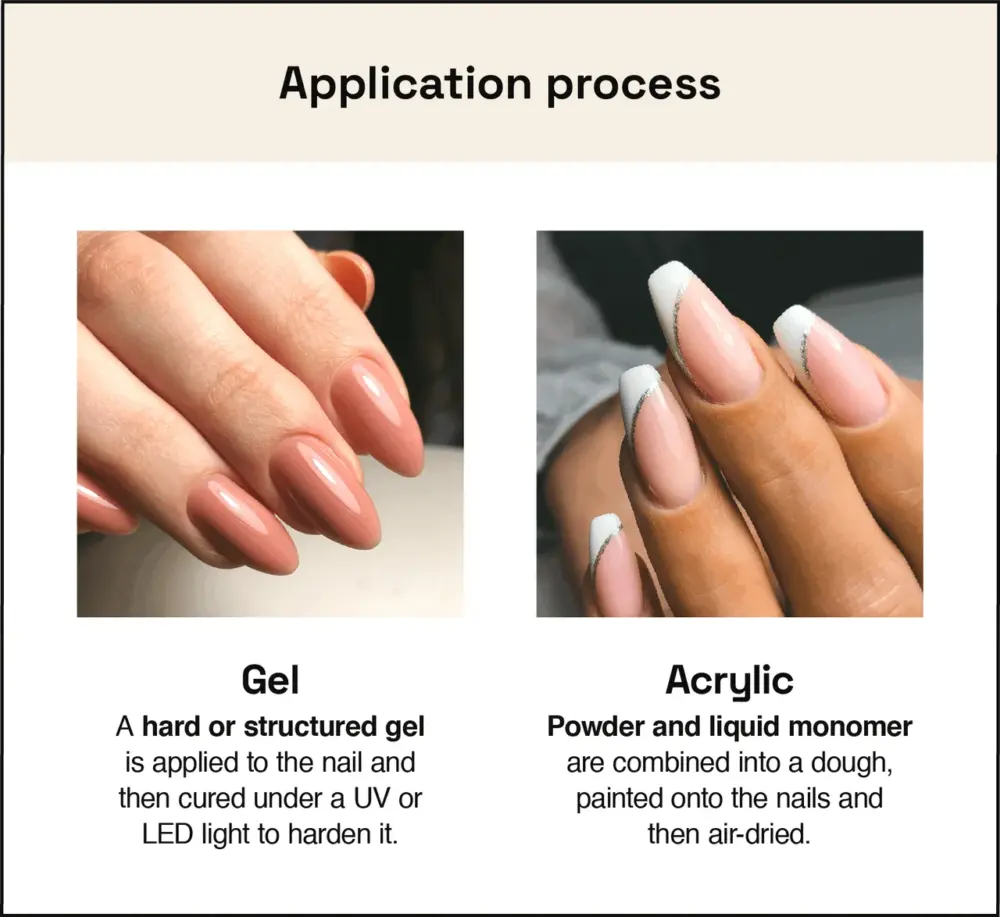
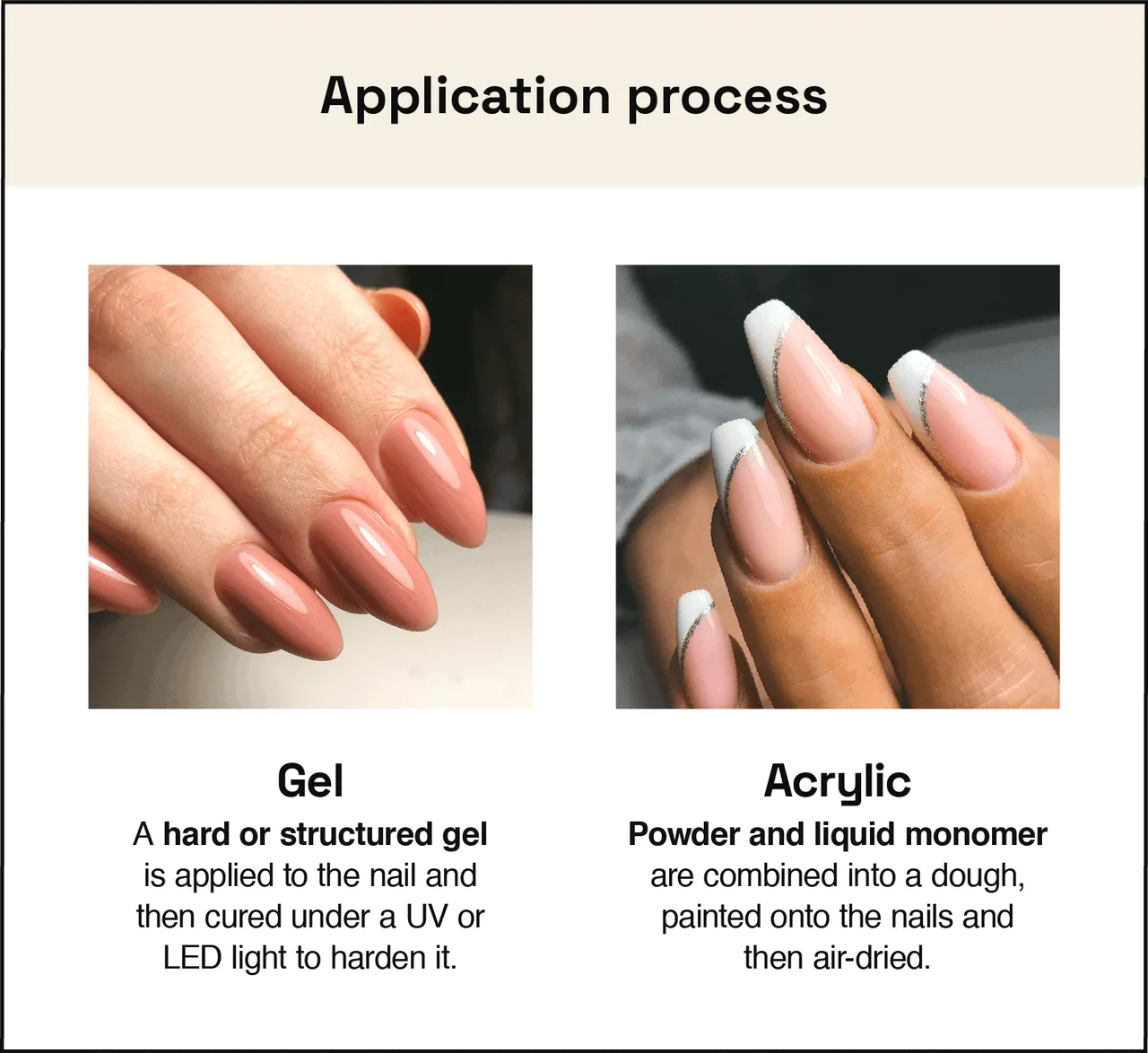
This comprehensive classification aids in differentiating various acrylic nail sets. Acrylic nails differ from gel nails primarily in their curing process and removal method, with acrylics air-drying and gels requiring UV light. Acrylics are generally harder and more durable, while gels offer greater flexibility and a glossy finish. These characteristics impact their suitability for various preferences.
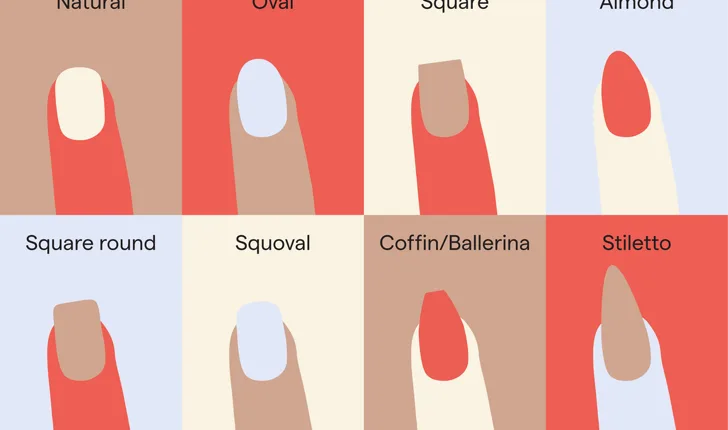
Acrylic nail shapes vary widely, including square, oval, coffin, and stiletto, each influencing the nail’s aesthetic and perceived length. The chosen shape significantly impacts the overall categorization of a nail set, defining its visual style. This variety allows for diverse personal expression.
To begin, let’s explore the primary characteristics Barber Tall uses to categorize acrylic nails.
What are the primary characteristics used to categorize acrylic nails?
Acrylic nail categorization relies on fundamental characteristics like strength, flexibility, appearance, and durability, which define their functional and aesthetic properties. These attributes form the core criteria for distinguishing various acrylic nail types. Understanding these properties provides a comprehensive view of their diverse applications and user benefits. The discussion below details each of these fundamental characteristics in greater depth.
What are the common application methods for different types of acrylic nails?
The common application methods for different types of acrylic nails include dipping, sculpting, and overlays, each offering distinct finishes and durability. These techniques influence the final appearance and strength of the acrylic set. Understanding these methods assists in categorizing and selecting the most suitable application.
Dipping involves applying a base coat, then dipping the natural nail into a colored powder, which hardens to form the acrylic layer. Sculpting utilizes a brush to mold a liquid monomer and powder polymer mixture directly onto the nail, creating extensions or enhancements. Overlays apply a layer of acrylic directly over the natural nail or an existing tip, adding strength and a smooth finish without extending the length.
How do acrylic nails compare to gel nails in terms of categorization and properties?
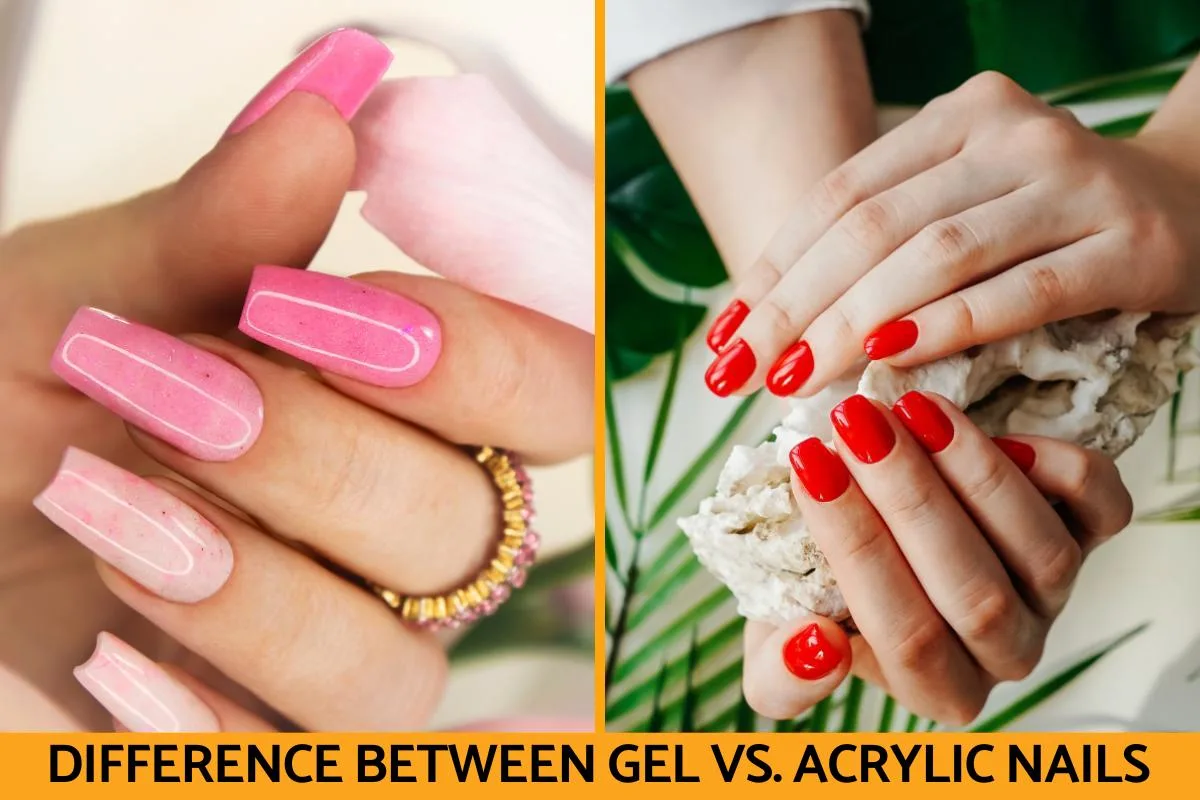
Acrylic nails and gel nails differ significantly in their chemical composition, application, and removal processes, influencing their categorization and distinct properties. Acrylics are formed by mixing a liquid monomer and powder polymer, air-drying to a hard finish, whereas gels are pre-mixed polymers cured under UV or LED light, resulting in a flexible, glossy finish. These fundamental differences determine their suitability for various aesthetic and durability needs.
What are the various shapes available for acrylic nails, and how do they influence categorization?
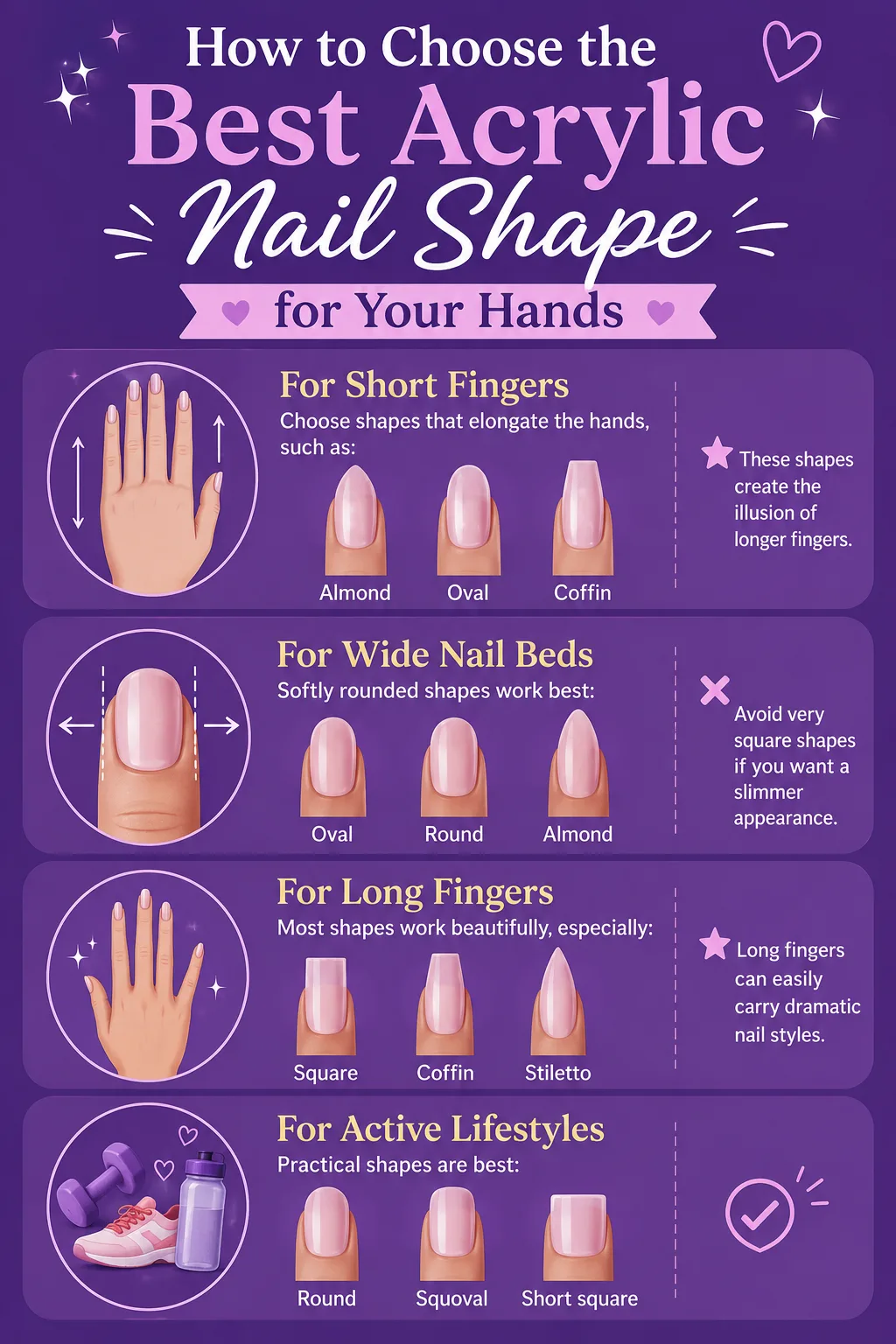
Acrylic nails come in various shapes like square, coffin, stiletto, and almond, each defining the nail’s aesthetic and durability. These shapes significantly impact the overall visual style and categorization of acrylic nail sets. Understanding the characteristics of each shape helps in selecting the most appropriate option. The chosen shape defines the perceived length and overall elegance of the nails. For example, square shapes offer a bold, classic look, while stiletto shapes create a dramatic, elongated appearance. Coffin and almond shapes provide a balance between practicality and refined aesthetics.
What are the best types of acrylic nails for different preferences and lifestyles?
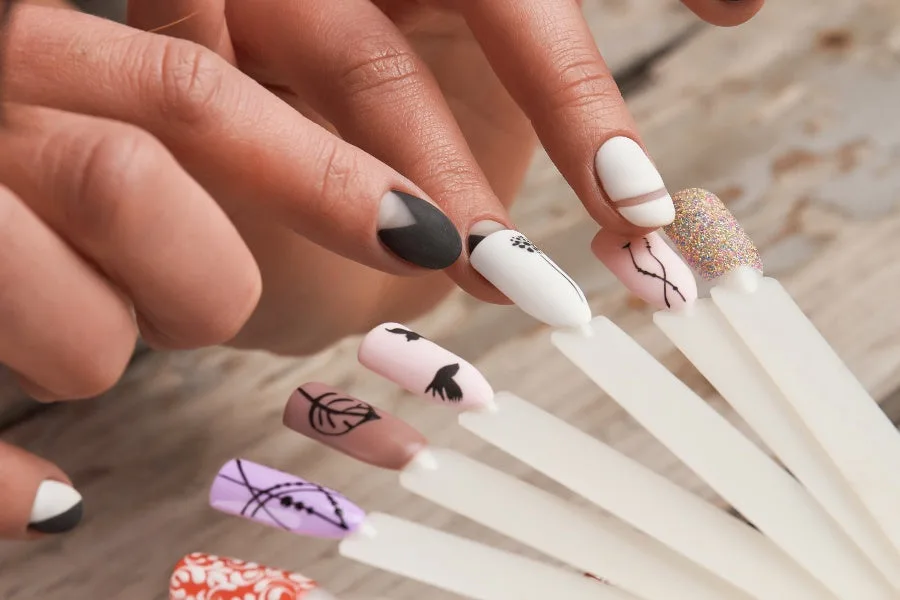
The best types of acrylic nails depend on desired longevity, natural look, strength, and ease of maintenance. Selecting the appropriate acrylic type involves considering individual needs and aesthetic goals. This ensures the chosen style aligns with daily activities and personal taste.
The following recommendations highlight suitable options based on these criteria. Careful consideration of these factors leads to a satisfying and personalized acrylic nail experience.
What role do less common polymer and monomer ratios play in advanced acrylic nail categorization?
Less common polymer and monomer ratios create unique acrylic properties and specialized nail types by altering the final product’s hardness, flexibility, and curing time. These variations move beyond standard formulations, yielding diverse functional and aesthetic outcomes. Adjusting these ratios allows for customization, catering to specific client needs or advanced application techniques. For example, a higher monomer-to-polymer ratio can result in a more flexible, self-leveling acrylic, while a lower ratio produces a harder, faster-setting product. Understanding these nuanced formulations is essential for advanced acrylic nail categorization.
Conclusion
In conclusion, categorizing acrylic nails involves understanding their chemical composition, diverse application methods, and various aesthetic shapes. These factors, alongside comparisons to gel nails and the influence of polymer-monomer ratios, define their strength, flexibility, and overall appearance. This comprehensive classification ensures informed choices, aligning nail types with individual preferences and lifestyle needs for optimal durability and style.