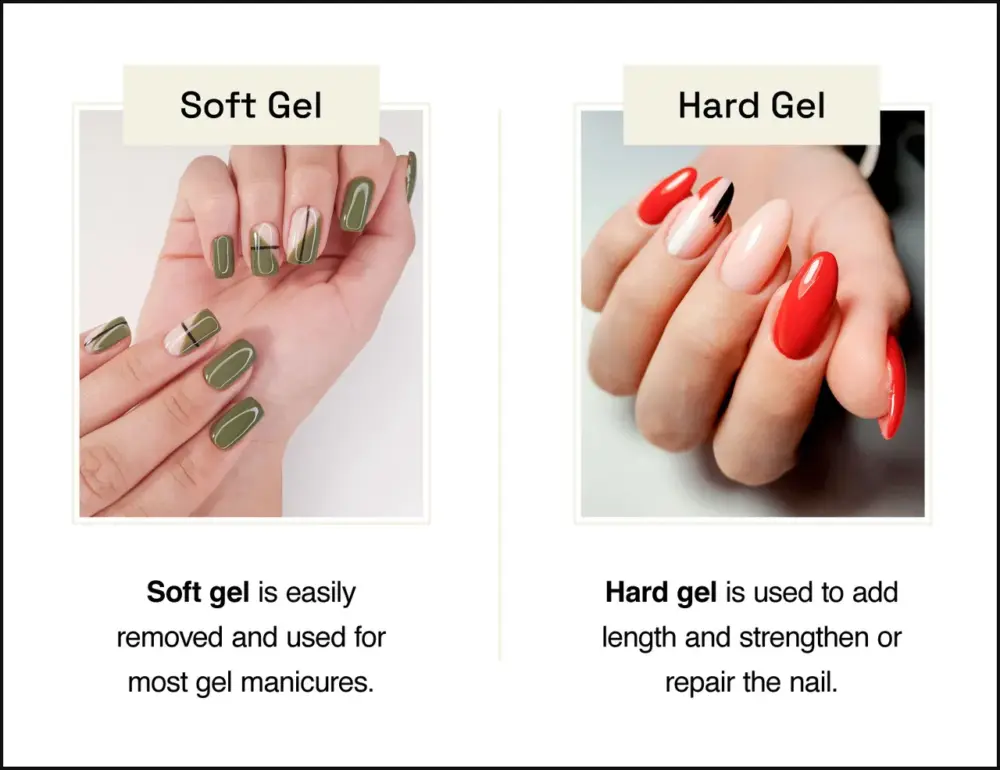
Gel and acrylic nails are popular artificial nail enhancements. Choosing between them depends on desired aesthetics, durability, and lifestyle.
What are Gel Nails?
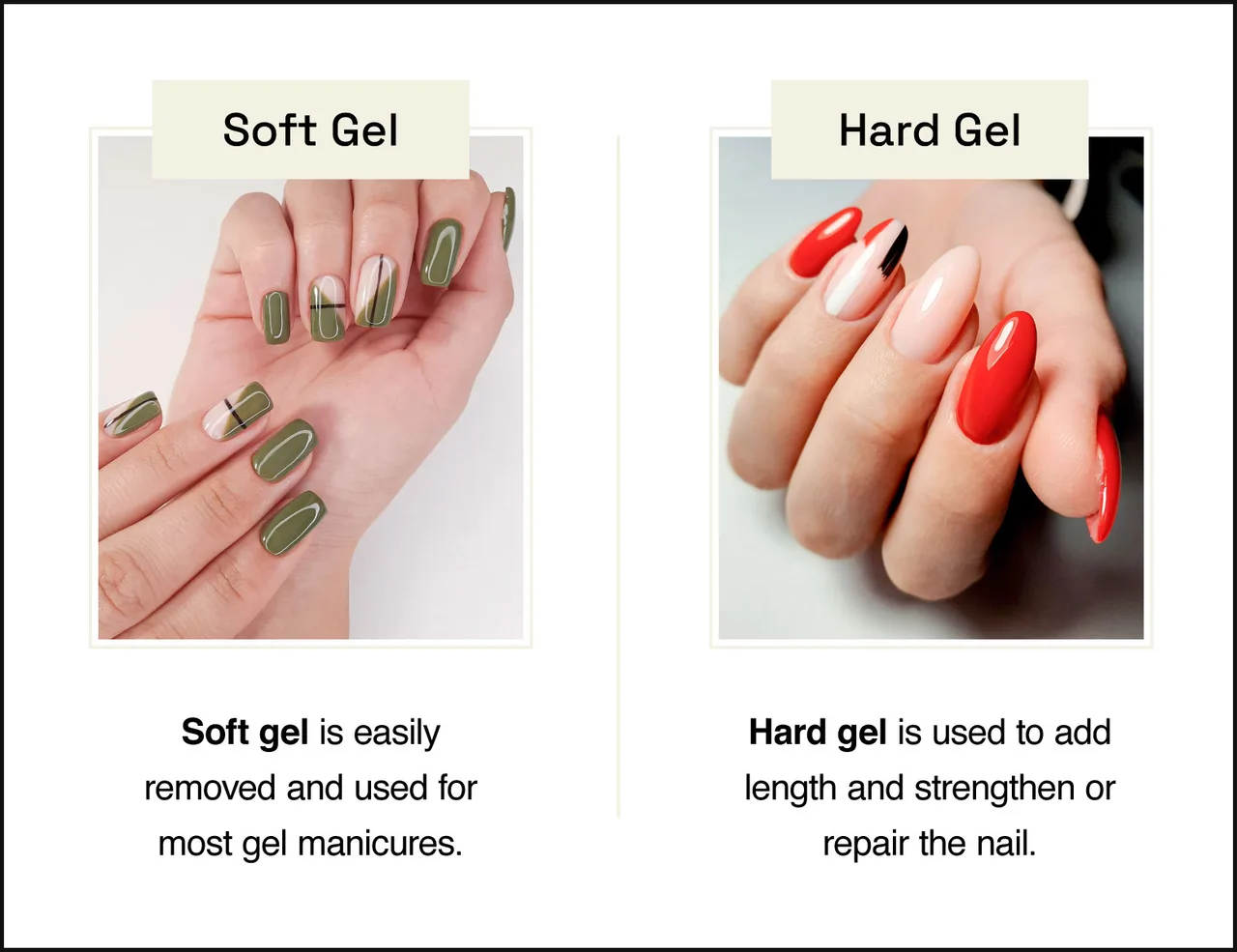
Gel nails are a type of artificial nail enhancement created by applying a liquid gel that cures under UV or LED light, resulting in a durable and flexible finish. This process defines gel nails by their composition and application. Gel nails involve three main components: a base coat, color coat, and top coat. Each layer requires curing under a specialized light source. The application often includes shaping and buffing the natural nail before applying the gel, followed by multiple thin layers to achieve the desired look and strength. This curing process differentiates gel nails from other nail enhancements.
What are Acrylic Nails?
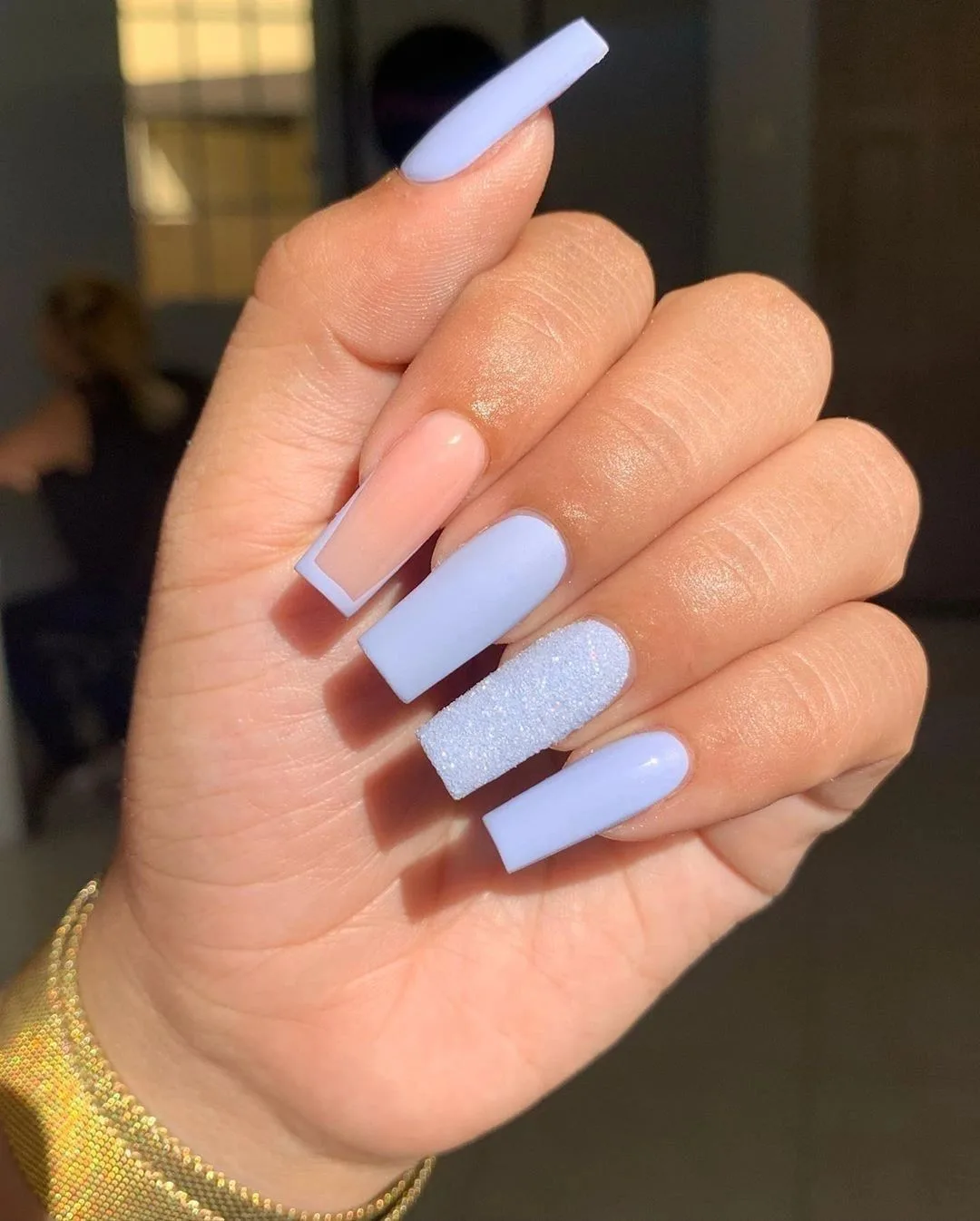
Acrylic nails are a type of artificial nail enhancement created by combining a liquid monomer and a powdered polymer, forming a hard protective layer that air-dries without UV light. This process defines acrylic nails by their unique chemical reaction and application. Acrylic nail application involves mixing the liquid and powder to create a bead, which is then applied to the natural nail and shaped. As the mixture air-dries, it hardens into a durable surface. This method allows for significant length extension and strength.
What are the key differences between Gel and Acrylic Nails?
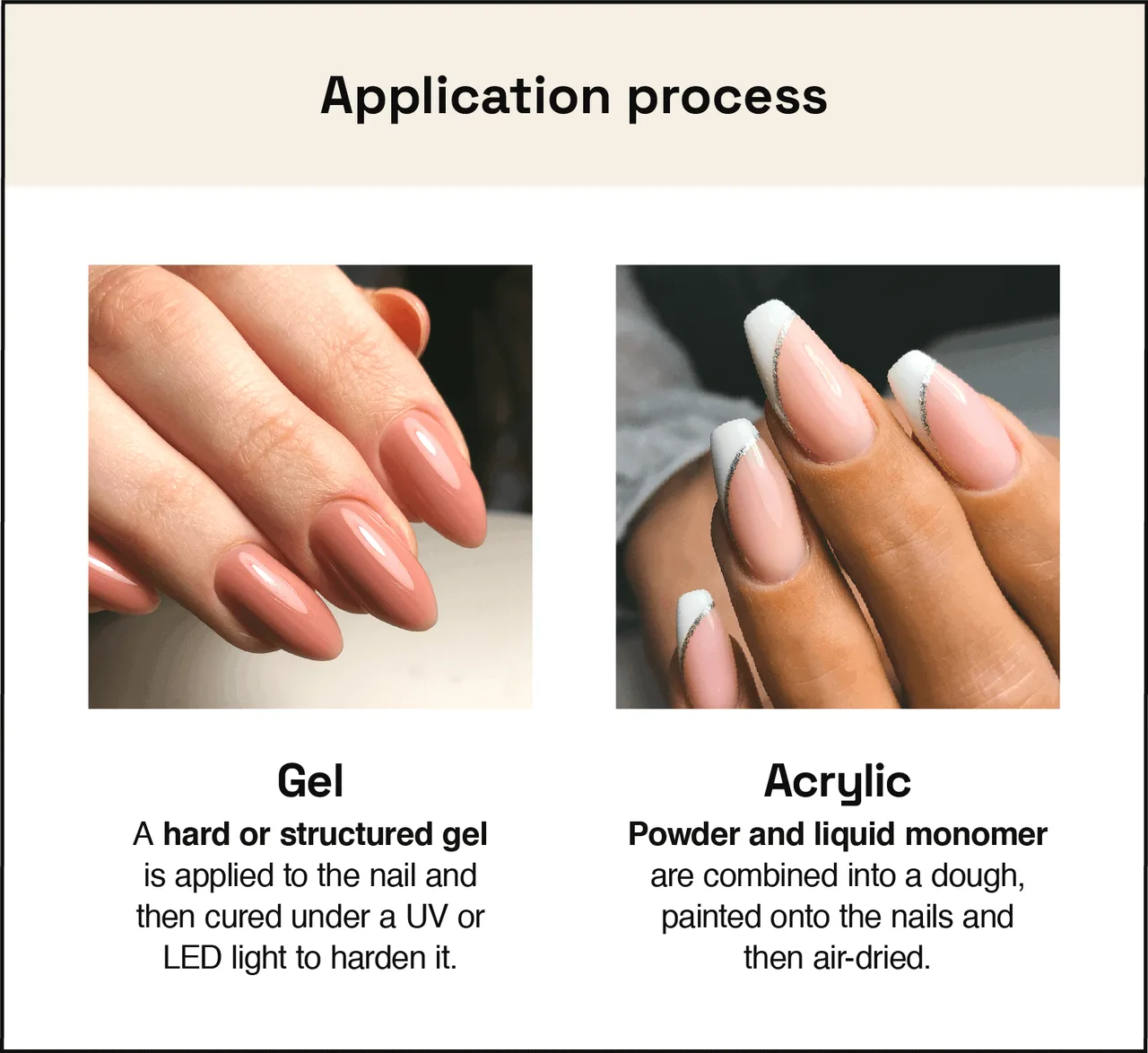
Gel and acrylic nails differ significantly in durability, appearance, application, removal, and cost, each offering distinct advantages. These differences guide individuals in choosing the best nail enhancement for their needs.
Gel nails provide a more natural and flexible look, often preferred for their glossy finish. The application of gel nails involves multiple layers of liquid gel cured under UV or LED light. Removal for gel nails often involves soaking, causing less potential damage to the natural nail.
Acrylic nails are known for their exceptional strength and durability, making them ideal for significant length extensions and intricate designs. Their application requires mixing a liquid monomer and powdered polymer, which then air-dries to a hard finish. Acrylic removal typically involves soaking in acetone, which can be more drying to the natural nails.
In terms of cost, Gel nails typically have a higher initial application cost than acrylic nails. Gel nails may require less frequent fills, often every 2–4 weeks, compared to acrylics which typically need fills every 2–3 weeks.
Which type of nail enhancement is best for you: Gel or Acrylic?
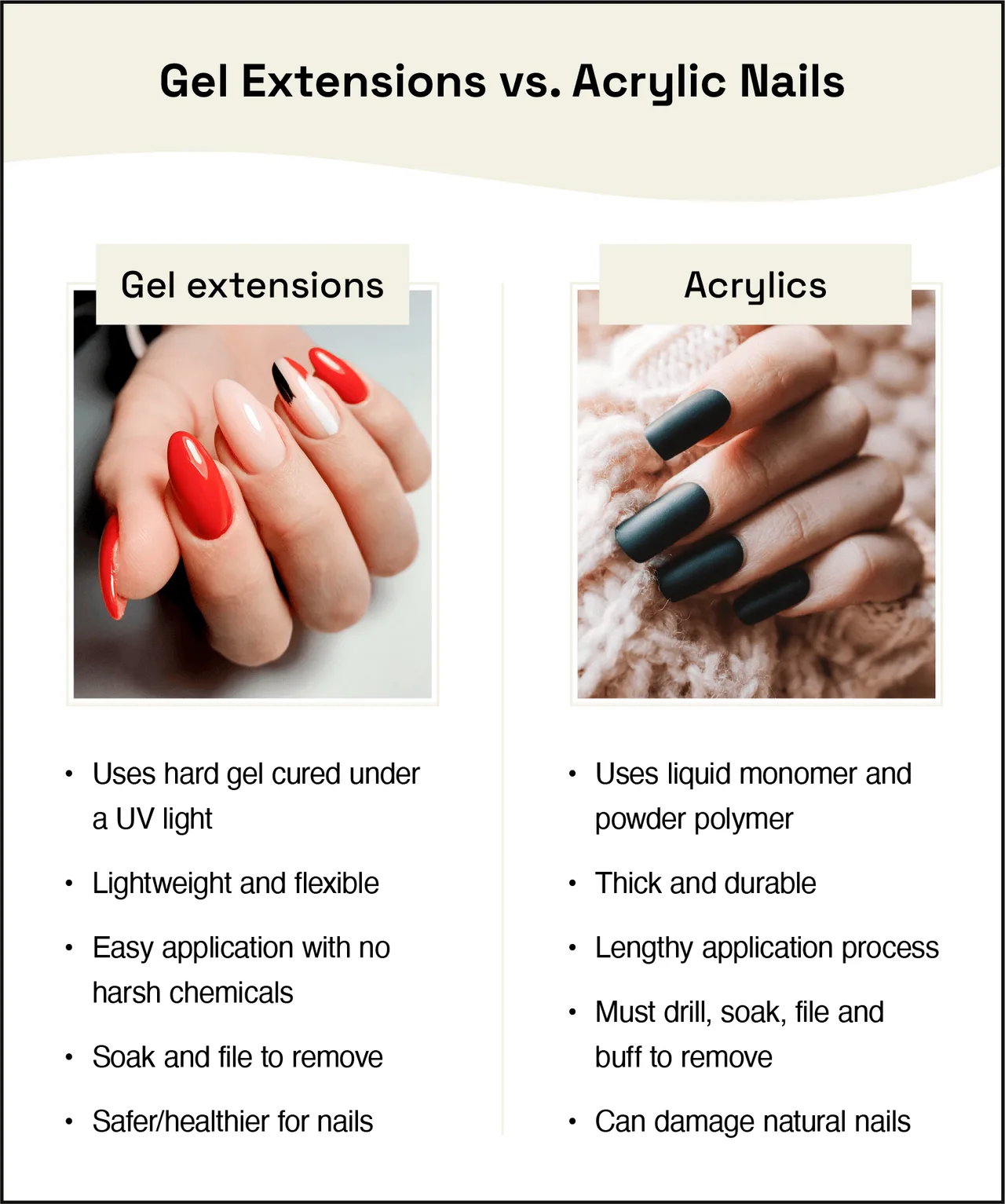
Choosing between gel and acrylic nails involves evaluating individual needs, lifestyle, and aesthetic preferences. This guidance helps in making an informed decision about the best nail enhancement. Considering factors such as desired durability, natural appearance, and maintenance commitment assists in selecting the appropriate option. For example, individuals seeking a more flexible and natural look often prefer gel nails. Conversely, those requiring extreme strength and length extension typically find acrylic nails more suitable.
What are the common misconceptions about Gel and Acrylic Nails?
Common misconceptions about gel and acrylic nails revolve around their perceived damage, application time, and natural appearance. These misunderstandings often stem from outdated information or improper application/removal techniques. While some believe artificial nails inherently damage natural nails, damage typically results from incorrect application, aggressive filing, or improper removal, rather than the products themselves. Another misconception is that gel nails are always more natural-looking or that acrylics are exclusively for extreme length; in reality, both can achieve various looks depending on the technician’s skill and client’s preference, with gel often providing a high-gloss finish and acrylic known for its robust strength.
Conclusion
Ultimately, choosing between gel and acrylic nails depends on individual preferences for appearance, durability, and maintenance. Gel nails offer a natural, flexible feel with a quicker application and removal process, ideal for those prioritizing a glossy finish. Conversely, acrylic nails provide exceptional strength and are perfect for significant length extensions, though they may require more frequent fills. Both enhancements can achieve various looks, and proper application and removal are crucial to prevent damage to natural nails, ensuring a satisfying and long-lasting result.