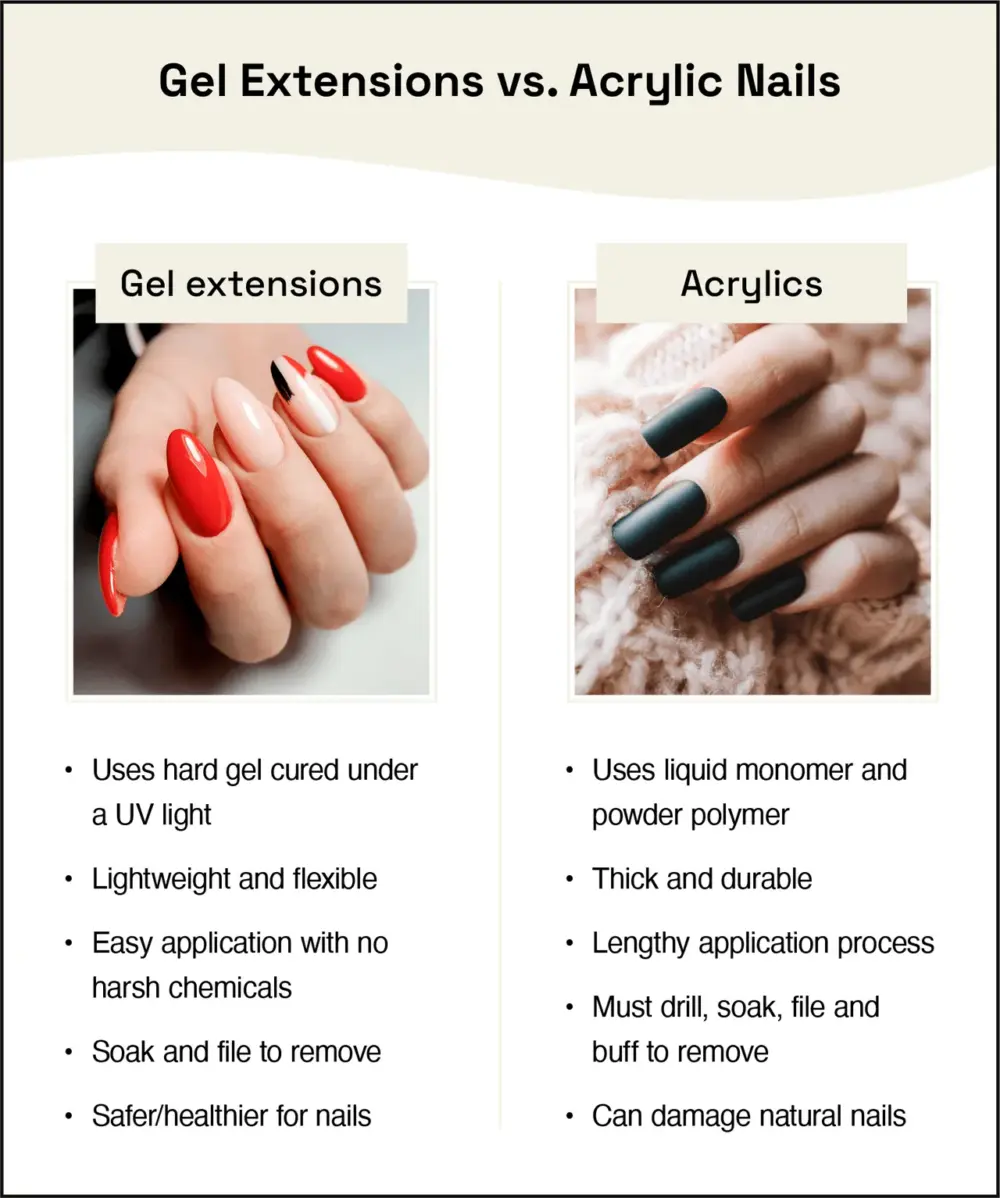
Gel nails offer flexibility and a glossy finish, while acrylic nails provide superior strength and durability for those seeking a more robust option.
What are the pros and cons of gel versus acrylic nails?
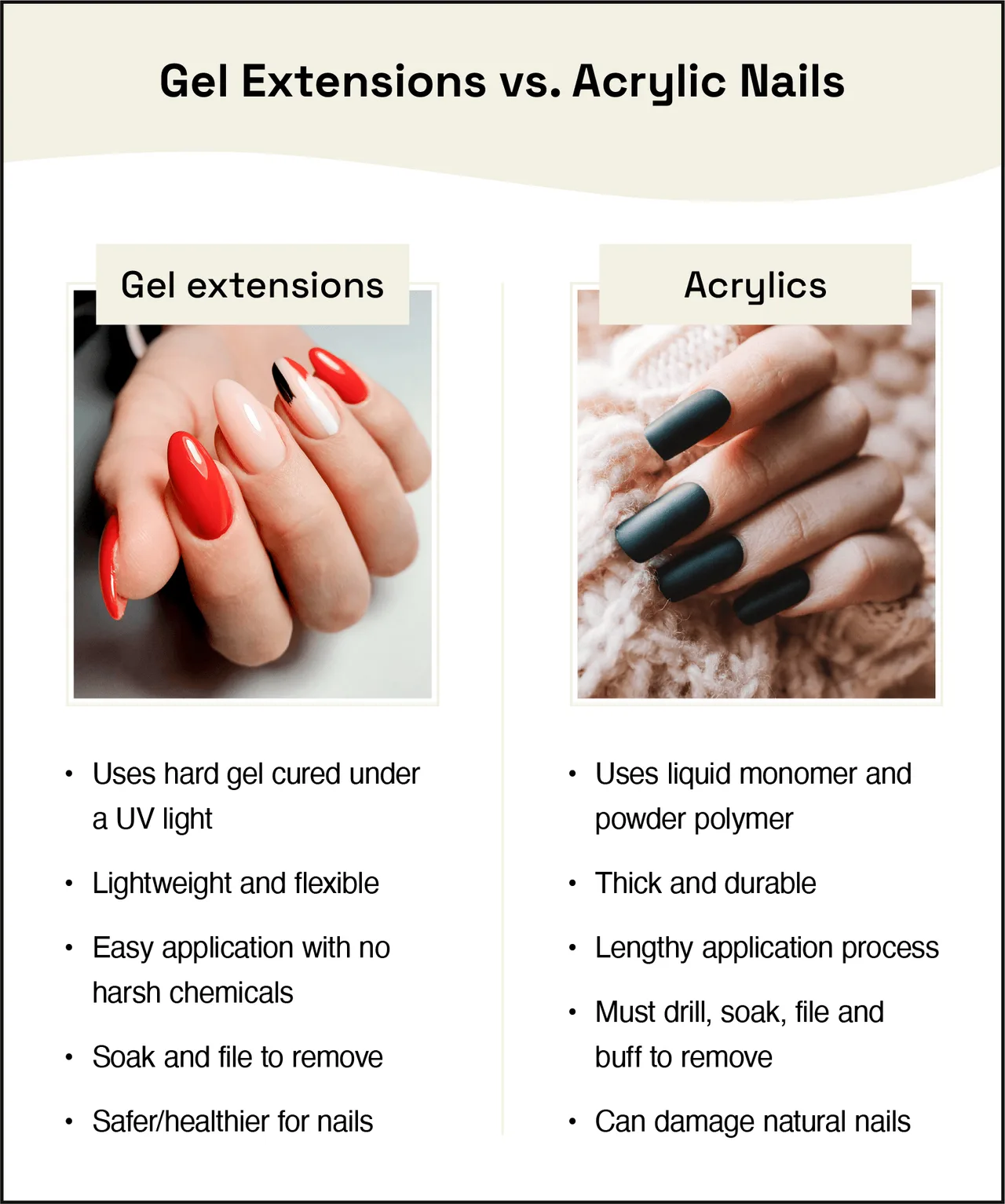
Gel nails offer flexibility and a high-gloss finish, while acrylic nails provide superior strength and durability. Each option has distinct advantages and disadvantages depending on individual preferences and lifestyle. This section explores the benefits and drawbacks of both gel and acrylic nails.
What are the disadvantages of gel nails?
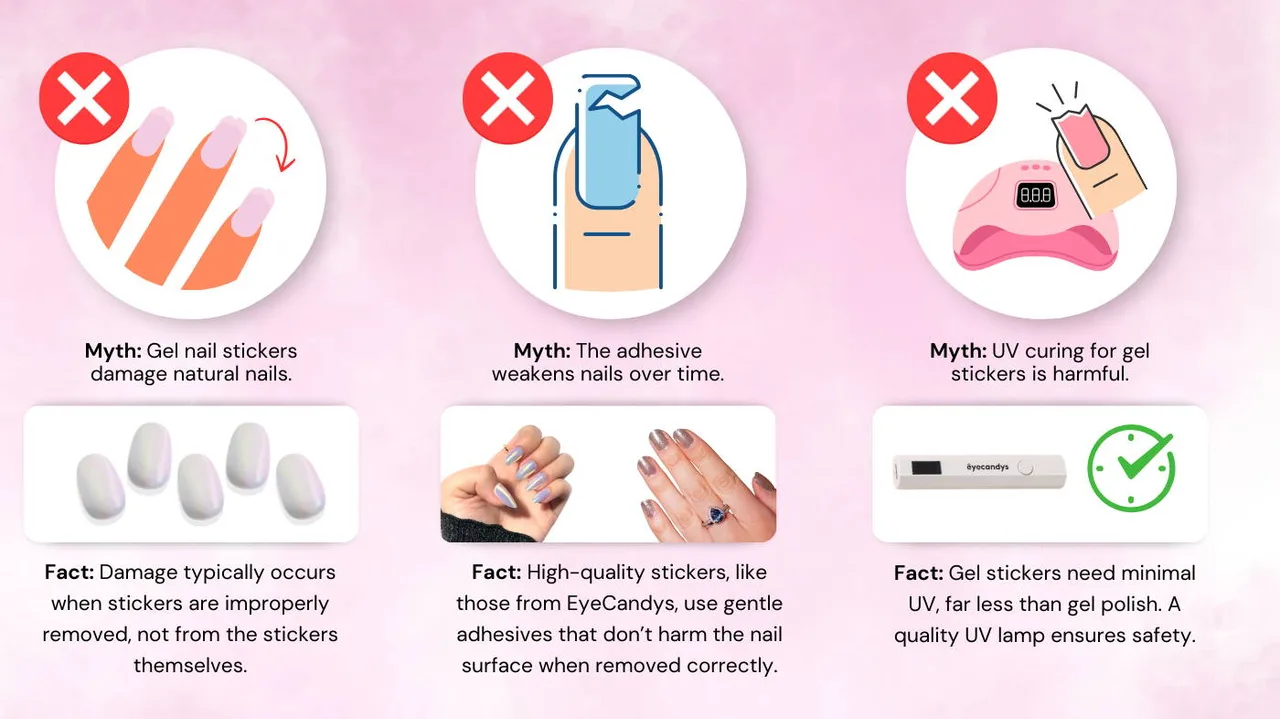
Gel nails present disadvantages such as higher initial costs and potential damage from improper removal. Understanding these drawbacks helps manage expectations and maintain nail health. While offering a glossy finish, these issues highlight considerations for users. Specific drawbacks involve the curing process and longevity challenges under certain conditions.Gel nails require UV or LED light for curing, potentially exposing skin to harmful radiation that can lead to cell damage and mutations, according to Nguyen Tri Phuong Hospital. Additionally, improper removal, such as peeling or excessive filing, can significantly weaken natural nails. Gel nails are also more prone to lifting at the edges if the application lacks precision, leading to moisture entrapment and potential infections. Gel nails can be more expensive than acrylics, both for the initial application and for removal, according to Shore Beauty School. This higher cost reflects the specialized products and application techniques involved. Gel nails can be less durable for those who engage in activities that put significant stress on their hands, making them more susceptible to chipping or breakage. These factors contribute to the overall disadvantages when considering gel nail options.
Which nail option is the healthiest: gel or acrylic?
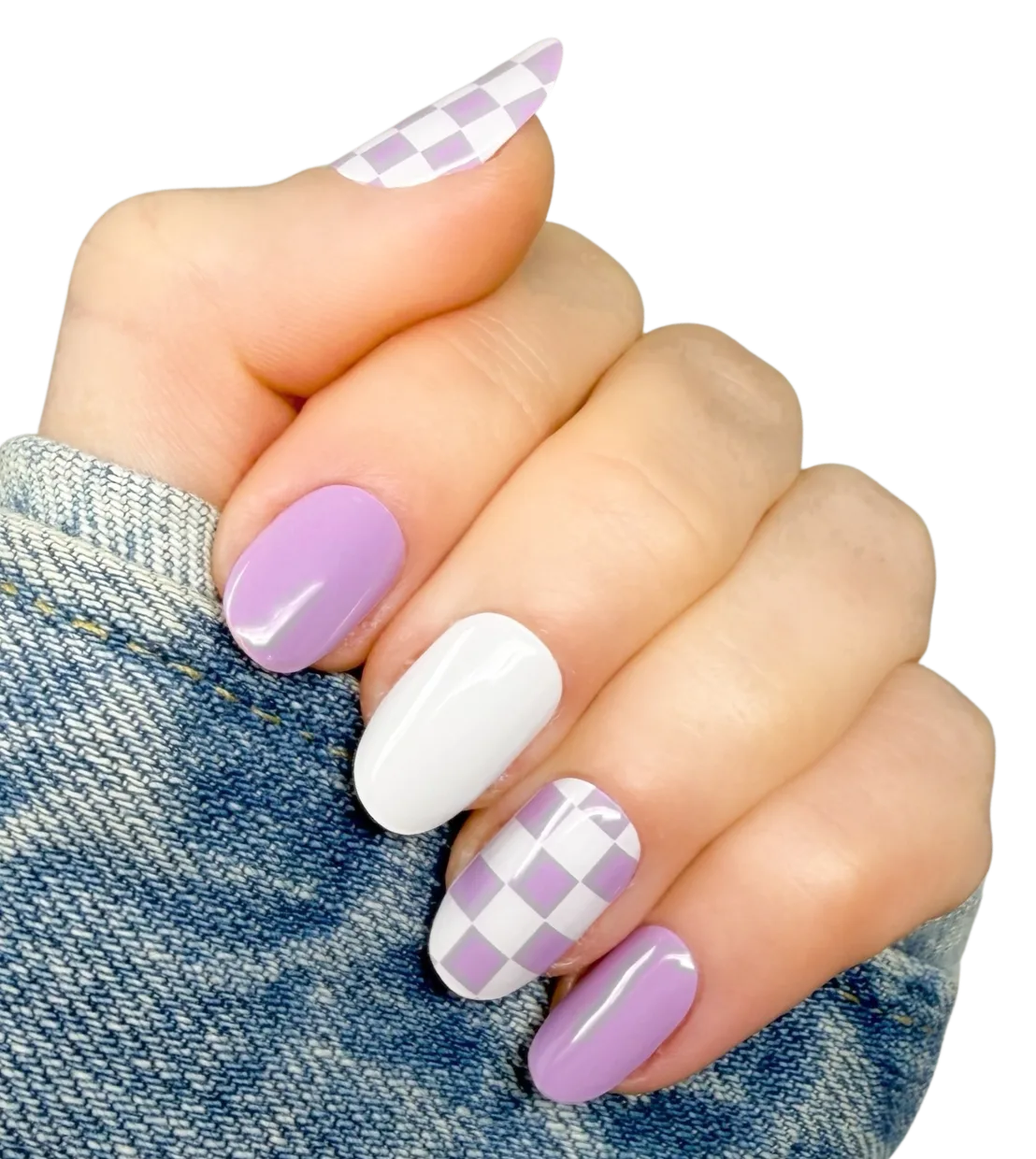
Both gel and acrylic nails have distinct health implications. Gel nails are often considered healthier due to their flexible nature and reduced chemical exposure during application, while acrylics offer superior strength but can involve harsher chemicals and removal processes. Proper application and removal techniques are crucial for minimizing potential health risks associated with both.
Gel nails involve a curing process under UV or LED light, which carries the risk of skin exposure to harmful radiation that can lead to cell damage and mutations, according to Nguyen Tri Phuong Hospital. Conversely, Acrylics are known for strong chemical fumes during application, which can be irritating, as highlighted by the CDC/NIOSH report on chemical exposure. Removal for both requires careful handling; Improper gel removal can lead to thinning and weakening of natural nails. whereas acrylic removal often involves soaking in acetone for extended periods, which can dry out and damage nails, according to the CDC/NIOSH report.
How do gel and acrylic nails cater to different nail needs?
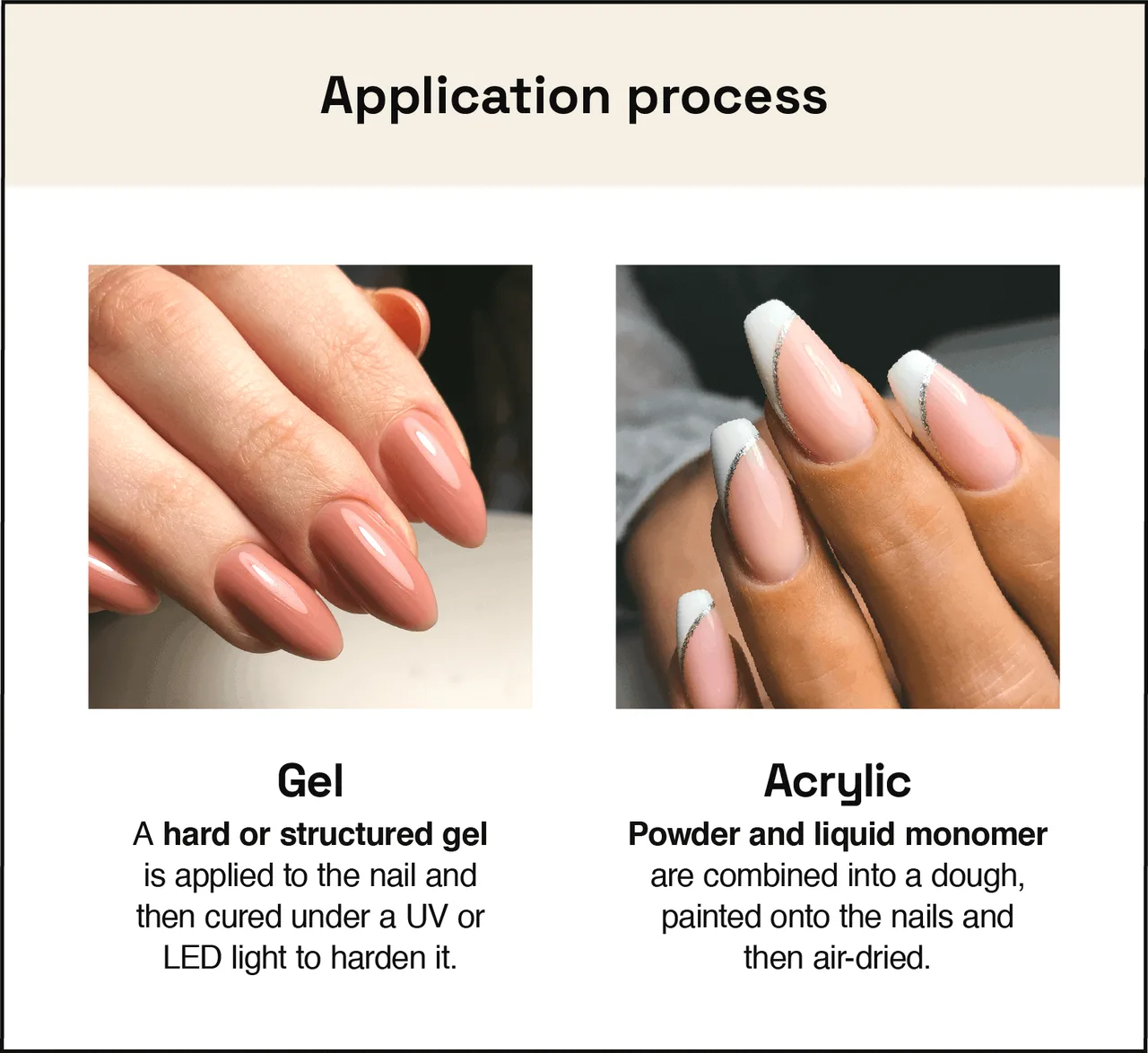
Gel and acrylic nails serve diverse needs by offering distinct properties. Gel nails provide flexibility for natural feel, while acrylics offer superior strength and durability. This allows clients to choose based on their lifestyle, desired aesthetics, and specific nail concerns. Understanding these differences is key to an optimal selection.
Is gel better than acrylic for weak or brittle nails?
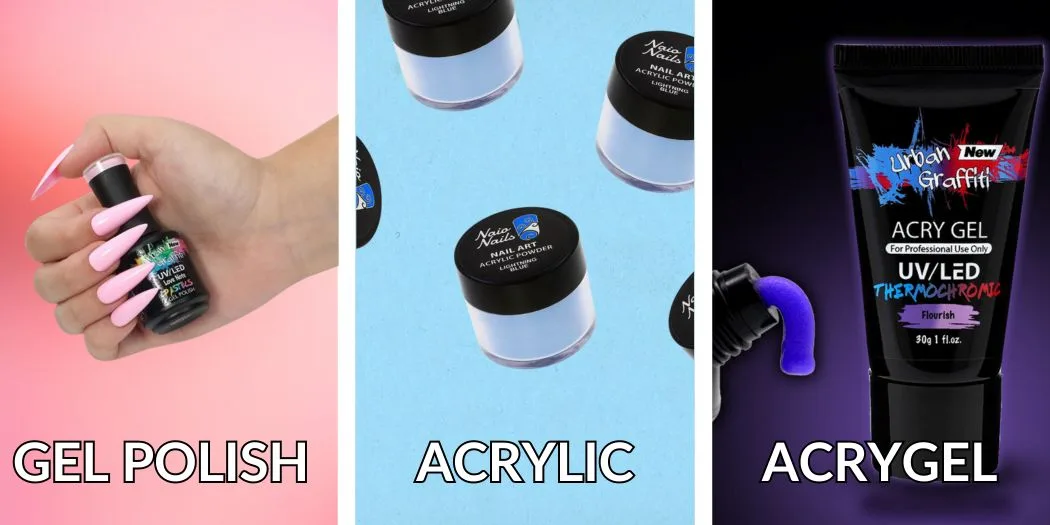
Gel nails are superior to acrylics for weak or brittle nails. They provide a flexible, protective layer, applied without extensive buffing or harsh chemicals. This reinforces the natural nail and minimizes damage. Gel nails move with the natural nail, reducing stress and breakage, unlike rigid acrylics that can lift when the natural nail flexes. The flexibility of gel also prevents additional strain on already compromised nails. Furthermore, gel nail removal often involves soaking rather than harsh filing, which reduces the risk of further weakening natural nails.
Which is more durable for active lifestyles: gel or acrylic?
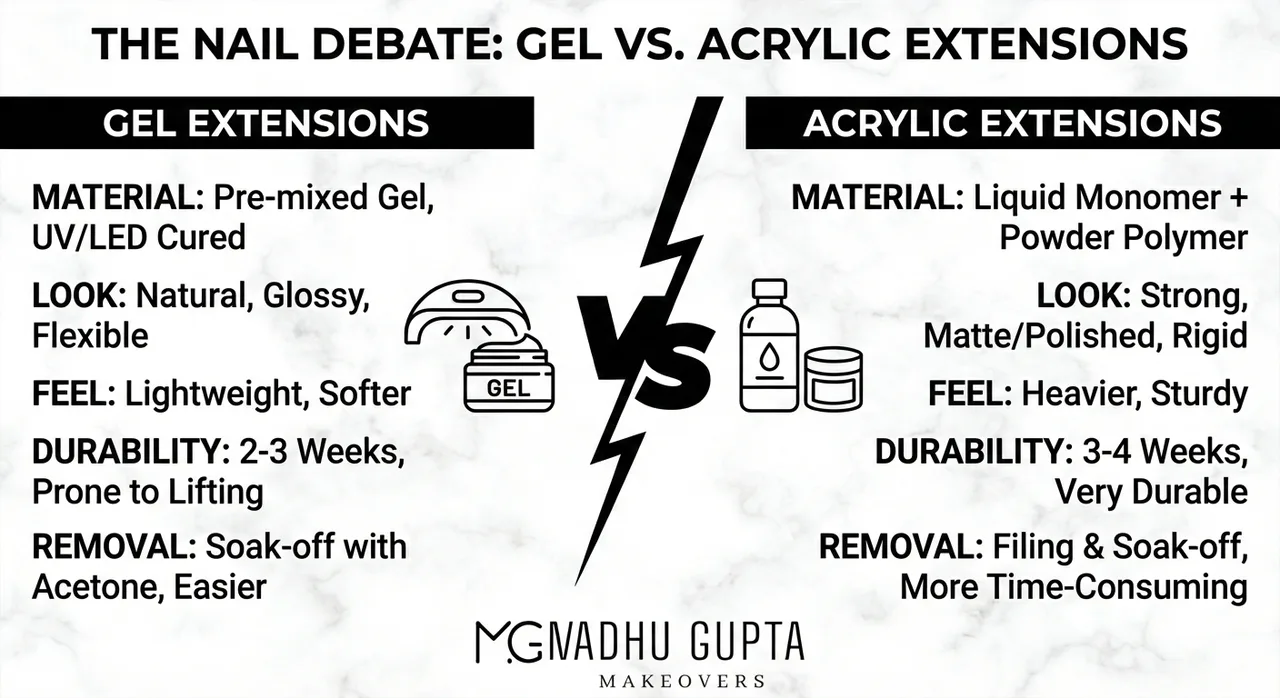
Acrylic nails are more durable for active lifestyles than gel nails. They offer superior strength and resilience against impacts and daily wear. This makes them particularly suitable for individuals whose hands experience frequent stress. Acrylics are less prone to chipping or breaking under demanding conditions due to their rigid composition. They provide a harder protective layer that withstands activities involving repetitive hand movements or potential blunt force. Gel nails, while flexible, may not offer the same level of resistance to heavy impact or constant friction, potentially leading to premature lifting or damage in highly active environments.
Which offers a more natural look: gel or acrylic?
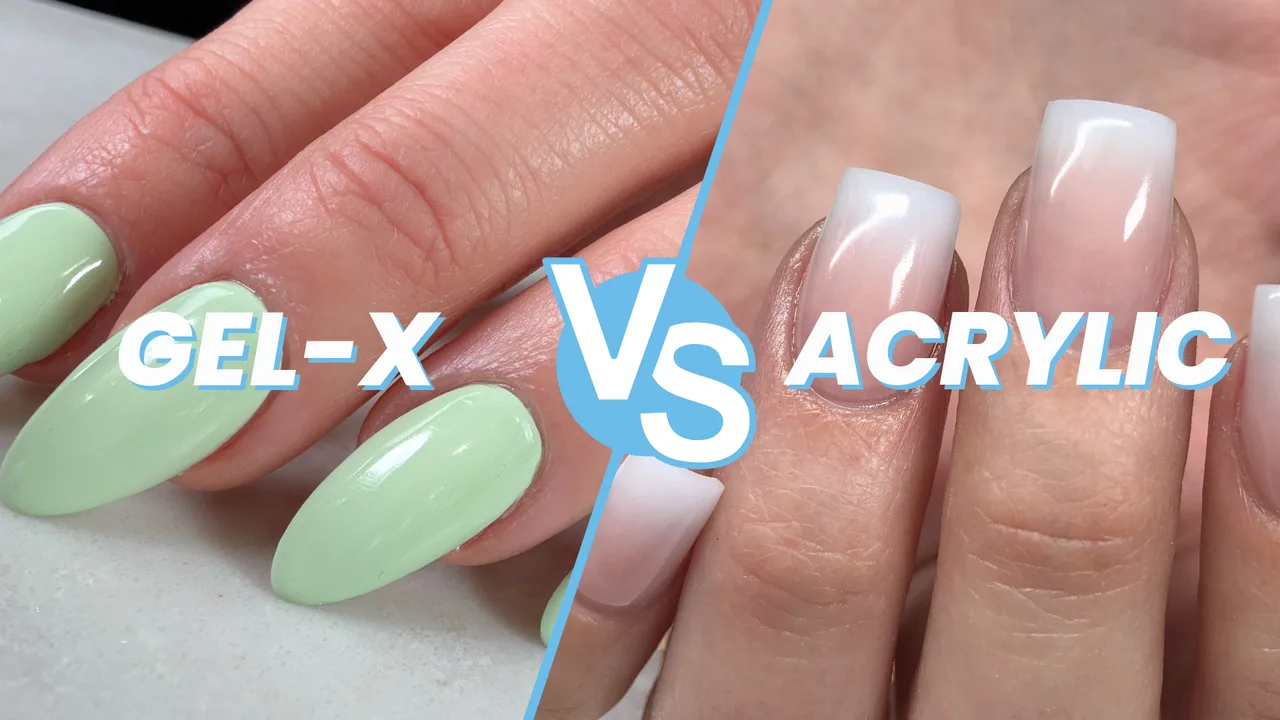
Gel nails offer a more natural look due to their flexible, thinner application and glossy finish that mimics healthy natural nails. This results in a less bulky and more refined aesthetic. Gel nails provide a clear or translucent finish, allowing for a subtle enhancement that blends seamlessly with the natural nail bed. Their inherent flexibility also creates a natural feel, reducing the rigid sensation often associated with other nail enhancements. The smooth, high-gloss surface of gel nails closely resembles the sheen of well-maintained natural nails.
What are the potential allergic reactions to gel and acrylic nail products?
Potential allergic reactions to gel and acrylic nail products include contact dermatitis and respiratory issues. These reactions encompass common irritations and, less frequently, more severe systemic responses. Understanding these potential adverse effects is crucial for both users and technicians. These responses relate to the chemical composition of the products, which differ significantly between gel and acrylic systems. Both product types contain acrylates and methacrylates, known allergens. Exposure to these chemicals can lead to allergic contact dermatitis, characterized by redness, itching, and swelling on the skin surrounding the nails. Additionally, Inhalation of the strong fumes from acrylic monomers can trigger respiratory symptoms like asthma or rhinitis in sensitive individuals. Less common but severe reactions include anaphylaxis, though this is rare. Proper ventilation and professional application are essential to minimize exposure risks.
Conclusion
Ultimately, choosing between gel and acrylic nails depends on individual needs and lifestyle. Gel nails offer a natural, flexible, and glossy finish, making them suitable for weak nails, though they involve higher costs and UV/LED light exposure. Acrylic nails provide superior strength and durability, ideal for active lifestyles, but come with strong chemical fumes and can be harsher on natural nails during removal. Both options have distinct pros and cons regarding health, durability, and appearance, making an informed decision crucial for optimal nail care.