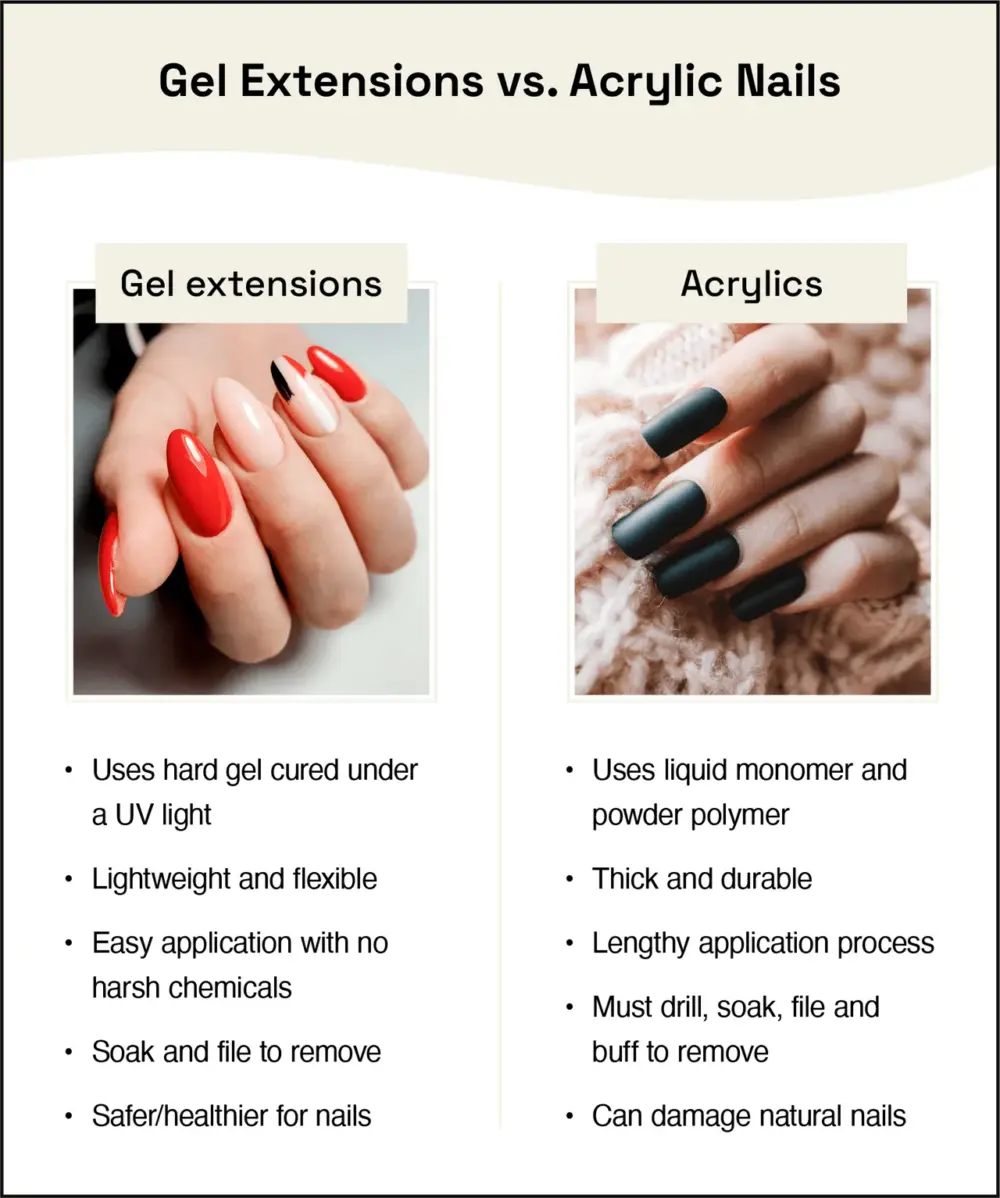
Gel nail enhancements are durable nail coatings applied to natural nails or extensions using a gel-based product and cured under UV or LED light. They provide strength and a glossy finish, lasting for weeks without chipping. This popular beauty treatment offers a versatile way to enhance nail appearance and longevity.
Gel nails offer several advantages, including their long-lasting wear and high-gloss finish, while common disadvantages involve the removal process and potential nail damage if improperly applied or removed. They are known for their chip-resistant quality and ability to protect natural nails.
Gel nails differ from regular nail polish primarily in their application, durability, and curing method. Unlike air-drying regular polish, gel polish requires curing under UV or LED light, resulting in a significantly longer-lasting and more resilient finish.
This article delves into the definition, pros, cons, and comparison of gel nails with regular nail polish.
What are Gel Nail Enhancements?
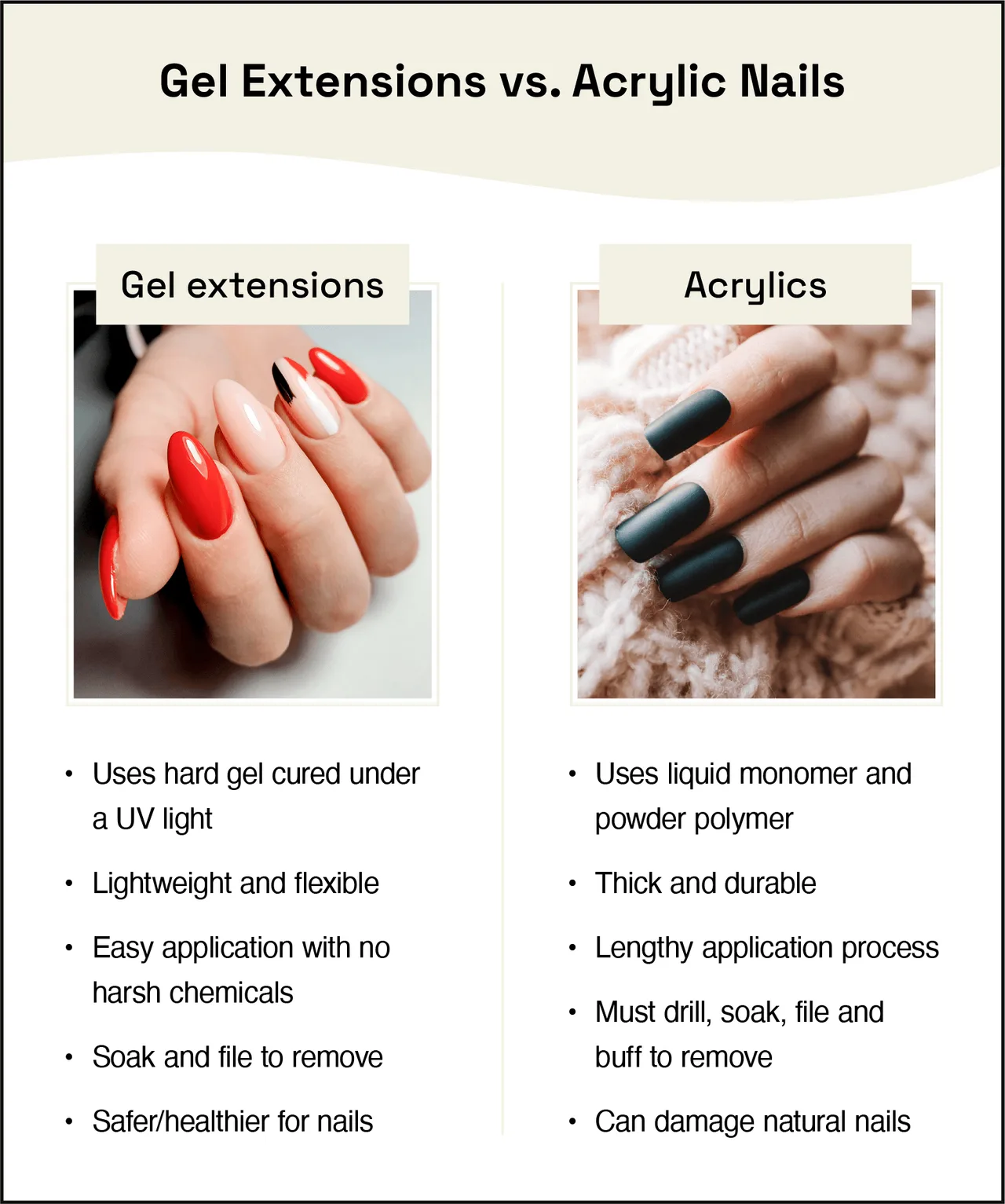
Gel nail enhancements are a type of nail overlay created from a gel-based polymer, applied to natural nails or extensions, and cured under UV or LED light. These enhancements primarily serve to add length, strength, or color, offering a durable and glossy finish. Gel nails distinguish themselves from traditional nail polish through their unique chemical composition and the required light-curing process, which ensures a longer-lasting wear. Their primary purpose is to enhance the aesthetic and resilience of natural nails, providing a protective layer that resists chipping and breakage.
What are the advantages and disadvantages of gel nails?
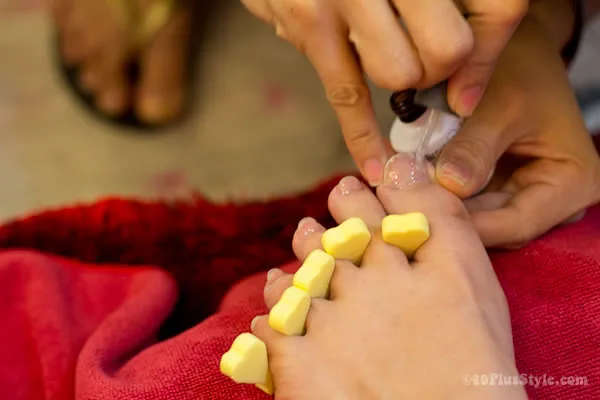
Gel nails offer several advantages, such as high durability and a natural appearance, but also have disadvantages, including a complex removal process and potential for nail damage if not properly managed. They are celebrated for their long-lasting wear and chip-resistant qualities. These benefits and drawbacks shape the overall experience of using gel nail enhancements.
Among the advantages, they can last for an extended period without chipping or peeling. Their flexible nature allows them to bend without breaking, mimicking the feel of natural nails. Additionally, the application results in a high-gloss finish that maintains its shine throughout the wear period. However, drawbacks exist, including a removal process that typically requires professional soaking and can be time-consuming. Improper application or removal can also lead to thinning or weakening of the natural nail plate.
How do gel nails compare to regular nail polish?
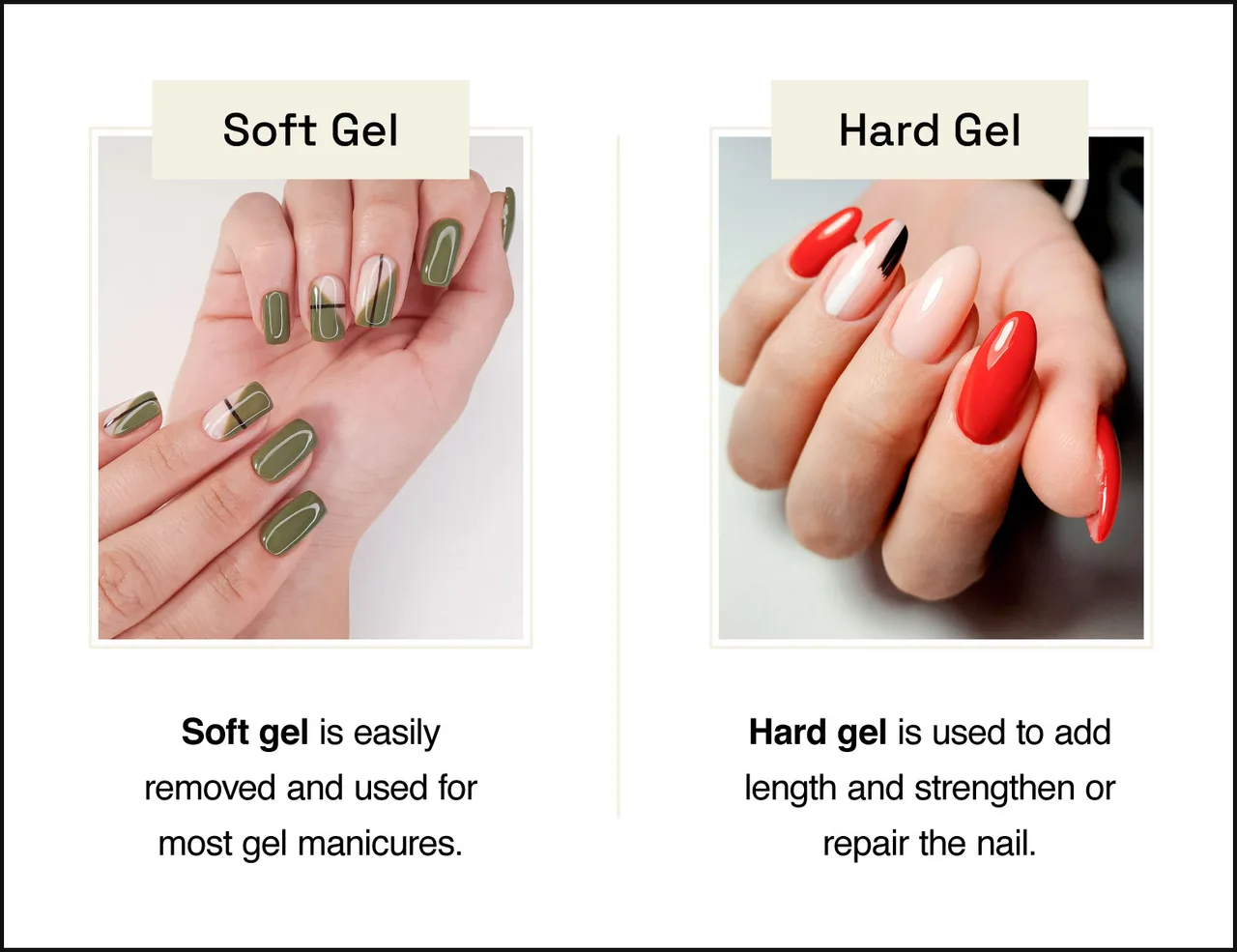
Gel nails outperform regular nail polish in terms of durability and wear time, while regular polish offers advantages in simpler self-application and removal. Gel nails require curing under UV or LED light for a chip-resistant finish. Regular polish air-dries and generally has a shorter wear time.
Key distinctions between gel nails and regular nail polish include their application process, drying time, finish, and removal. Gel polish needs light curing, which bonds it to the nail for extended wear, providing a glossy, resilient finish. Regular polish, in contrast, dries naturally, offers less resistance to chipping, and is easier to remove with standard nail polish remover. The choice between them often depends on desired wear time and maintenance commitment.
Can you apply gel nails at home?
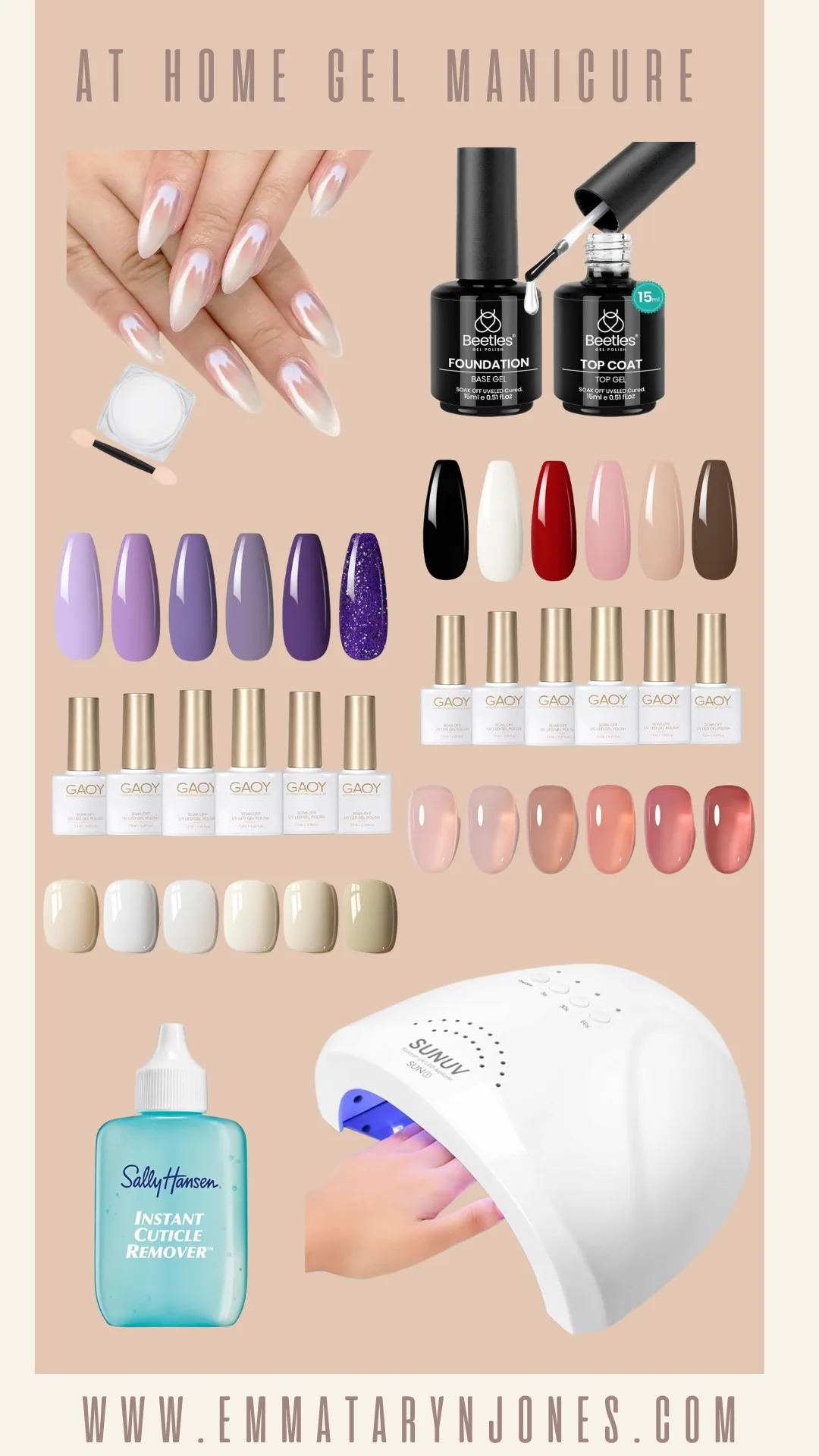
Yes, you can apply gel nails at home, but the process requires specific tools and careful adherence to application steps for optimal results. DIY gel nail application involves several key stages, from nail preparation to curing under specialized light. Successfully applying gel nails at home involves understanding these steps and having the necessary equipment. This approach offers convenience but demands precision to avoid common issues. Home application allows for personal customization and can be a cost-effective alternative to salon visits. However, proper technique is crucial for both aesthetic outcomes and nail health.
What are the different types of gel nail finishes?
Gel nail finishes offer various aesthetic options, each providing a distinct visual effect. Understanding these types helps achieve the desired look for gel nail enhancements.
- Glossy: This finish creates a shiny, reflective surface that enhances the natural beauty of the nail. It is a classic choice, offering a polished and sophisticated appearance.
- Matte: In contrast, a matte finish provides a non-reflective, velvety surface. This modern and understated option offers a sophisticated and elegant look.
- Glitter: For those seeking a more vibrant style, glitter finishes incorporate sparkle and shimmer directly into the gel. This creates a striking and eye-catching appearance.
- French: The French finish features a natural or sheer base with a distinct, contrasting tip, traditionally white. This timeless style offers an elegant and clean aesthetic.
How do gel nails contribute to nail art and design?
Gel nails contribute to nail art and design by serving as a versatile canvas, facilitating intricate techniques like encapsulation, ombre, and 3D designs. Gel’s unique properties make it a preferred medium for complex nail art compared to traditional polishes. This allows for extensive creative expression and durable artistic enhancements. Gel polish’s viscosity and extended working time before curing enable artists to precisely manipulate colors and add detailed elements without premature drying. Its strength also supports embedding various decorative elements directly into the design.
Conclusion
Gel nail enhancements offer a durable, glossy, and versatile solution for enhancing natural nails, setting them apart from regular polish with their unique application and extended wear. While providing benefits like chip resistance and flexibility, proper application and removal are crucial for maintaining nail health. Understanding the types of finishes and their role in nail art further highlights their appeal, making them a popular choice for long-lasting aesthetic and resilient nail solutions, whether applied professionally or at home with the right tools.