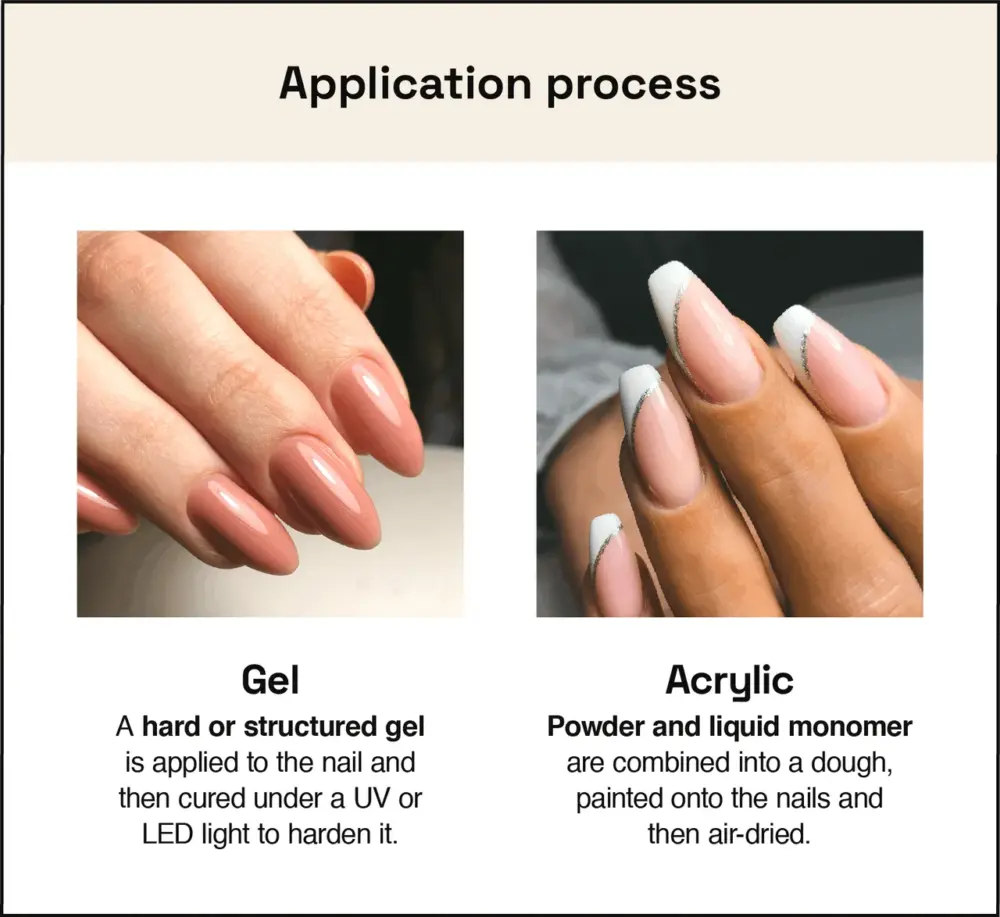
Gel and acrylic nails differ mainly in chemical composition, application, finish, and removal. Understanding these core distinctions is crucial for choosing the right nail enhancement. Both options offer long-lasting wear, with variations in flexibility, strength, and potential health implications. This guide provides a comprehensive comparison to help you decide.
What are the core differences between gel and acrylic nails?
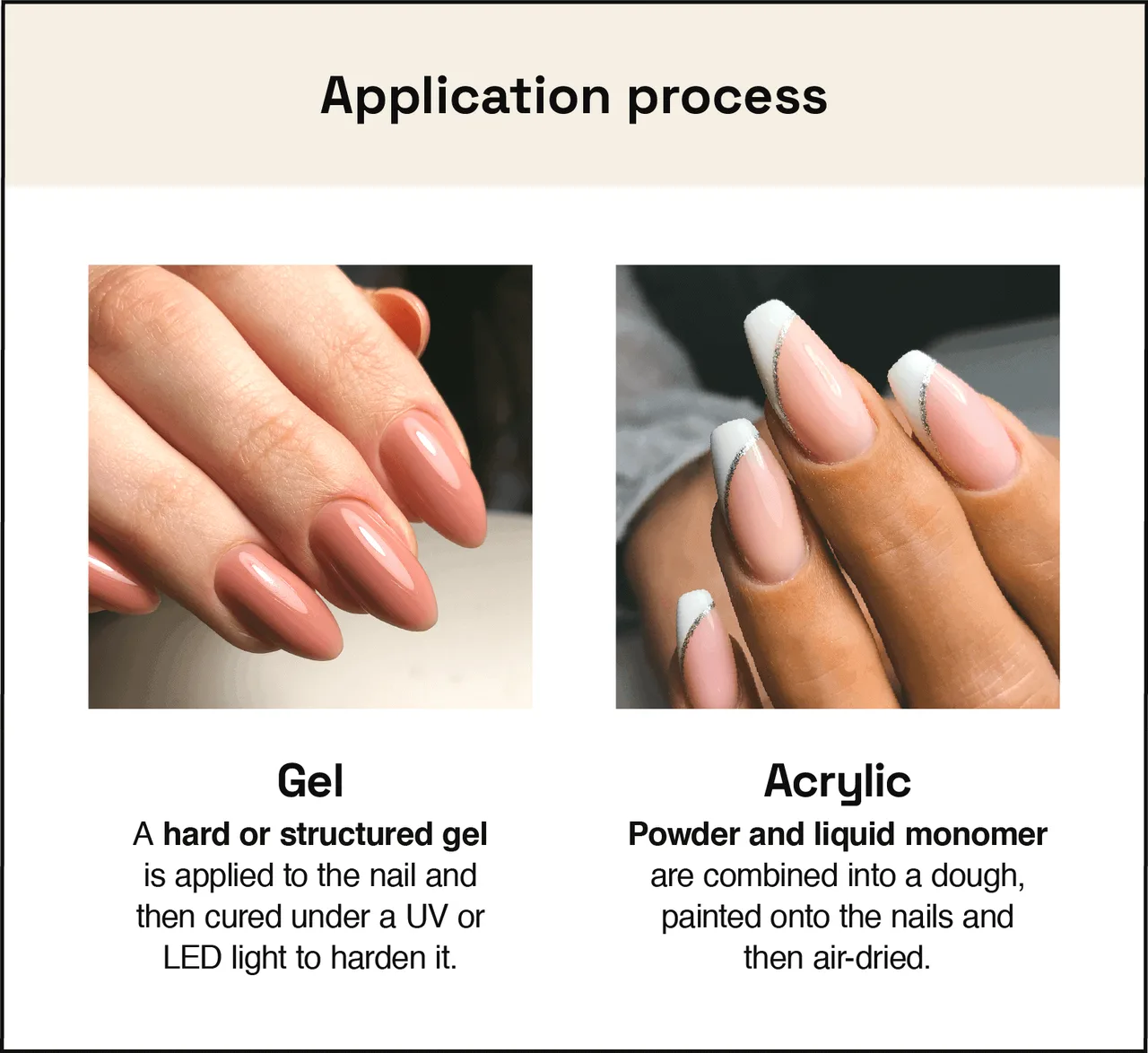
Gel and acrylic nails fundamentally differ in their chemical composition, application process, and curing methods. Gel nails utilize a pre-mixed polymer gel that requires UV or LED light to cure, while acrylic nails combine a liquid monomer and powdered polymer that air-dries to a hard, durable finish. These core distinctions lead to unique characteristics in terms of flexibility, odor, and removal, influencing their suitability for different preferences and nail needs.
What are the health implications of gel and acrylic nails?
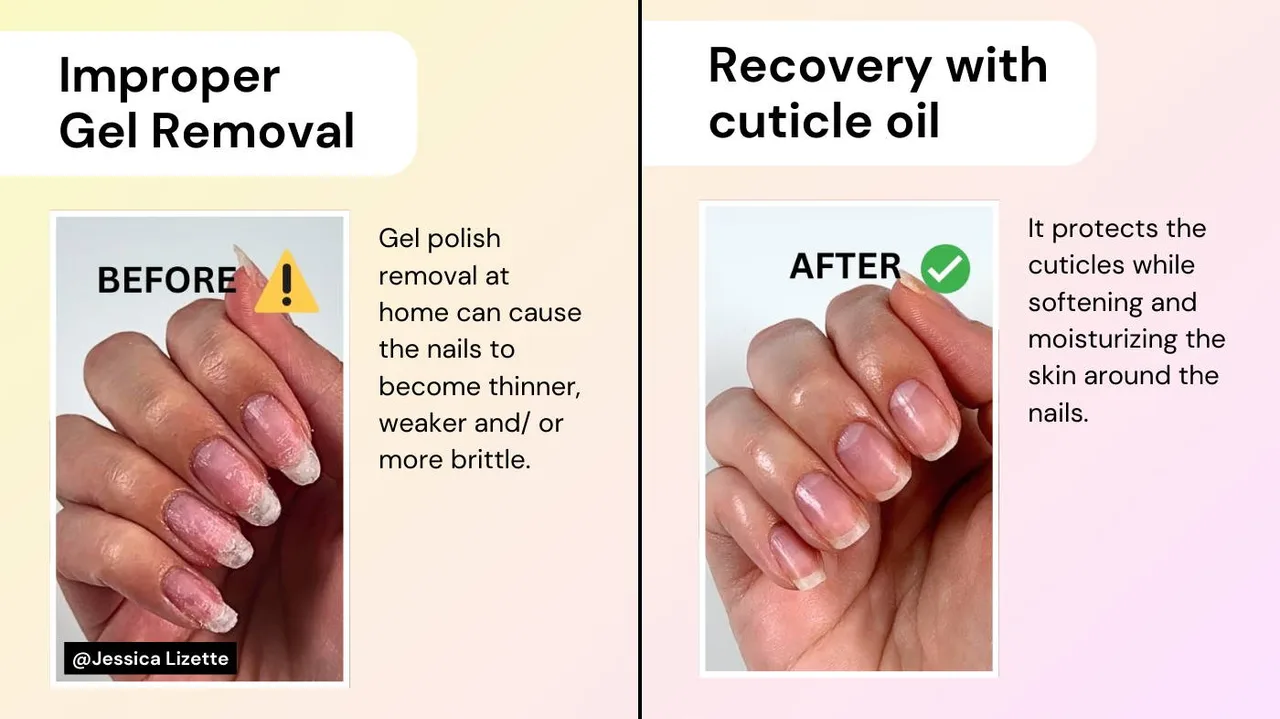
Gel and acrylic nails pose health implications including allergic reactions, nail plate damage, and chemical fume exposure. These risks stem from their distinct chemical compositions and application methods. Understanding these factors helps minimize risks and maintain nail health. The following sections explore specific concerns for each type.
Are there specific health concerns associated with gel nails?

Yes, gel nails pose health concerns primarily related to UV/LED light exposure, allergic reactions, and potential nail plate damage. These issues stem from the curing process and chemical composition of gel products. Understanding these factors helps minimize risks and maintain nail integrity. Specific concerns for gel nails include UV radiation exposure, which presents potential long-term risks, and certain ingredients in gel formulations can trigger contact dermatitis in sensitive individuals. Additionally, improper application or aggressive removal methods may weaken the natural nail plate over time.
Are there specific health concerns associated with acrylic nails?
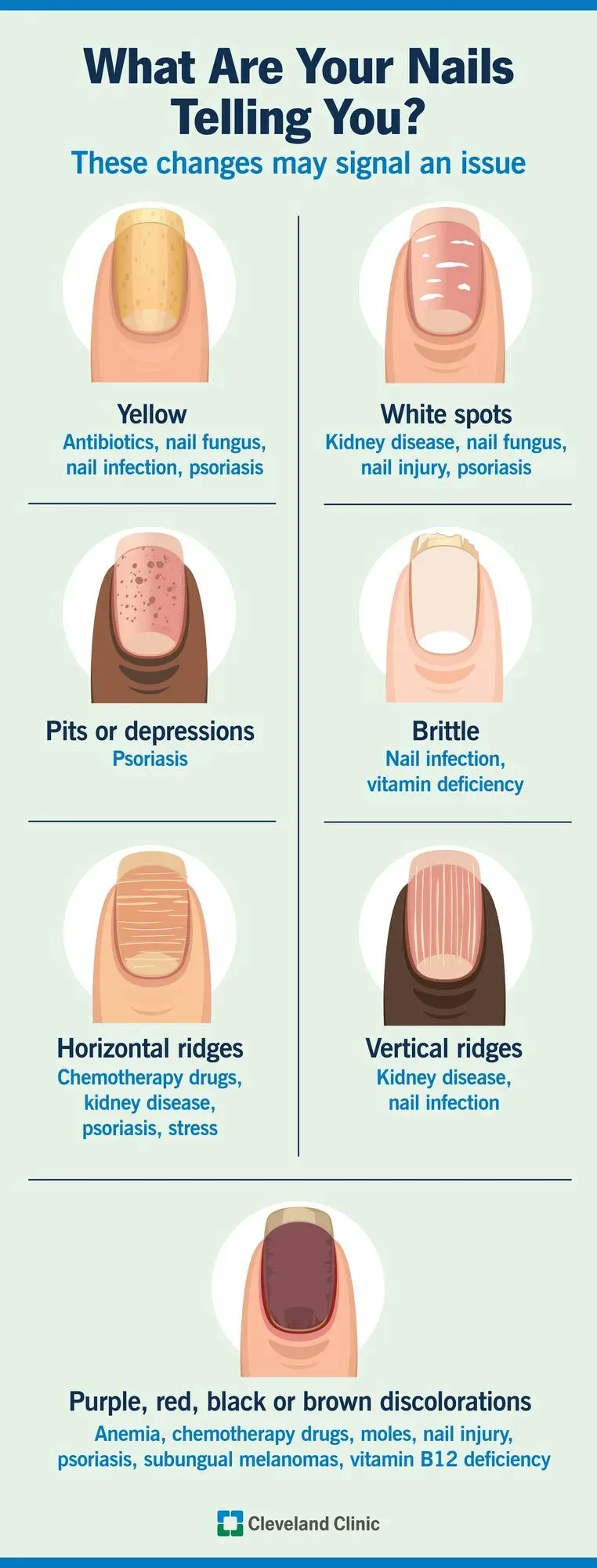
Yes, acrylic nails pose health concerns related to chemical fumes, allergic reactions, and damage to natural nails. These issues arise from the chemicals used in the liquid monomer and powdered polymer, as well as the application and removal processes. The primary health concern with acrylic nails involves the strong fumes released during application, which contain volatile organic compounds (VOCs) that can cause respiratory irritation, headaches, and nausea. Additionally, some individuals may develop contact dermatitis due to an allergic reaction to ingredients like methyl methacrylate (MMA), a common component in acrylic liquid. Improper application, such as excessive filing of the natural nail, or aggressive removal methods, like prying or tearing off the enhancements, can also lead to significant thinning and weakening of the nail plate.
How do gel and acrylic nails compare in terms of durability and longevity?
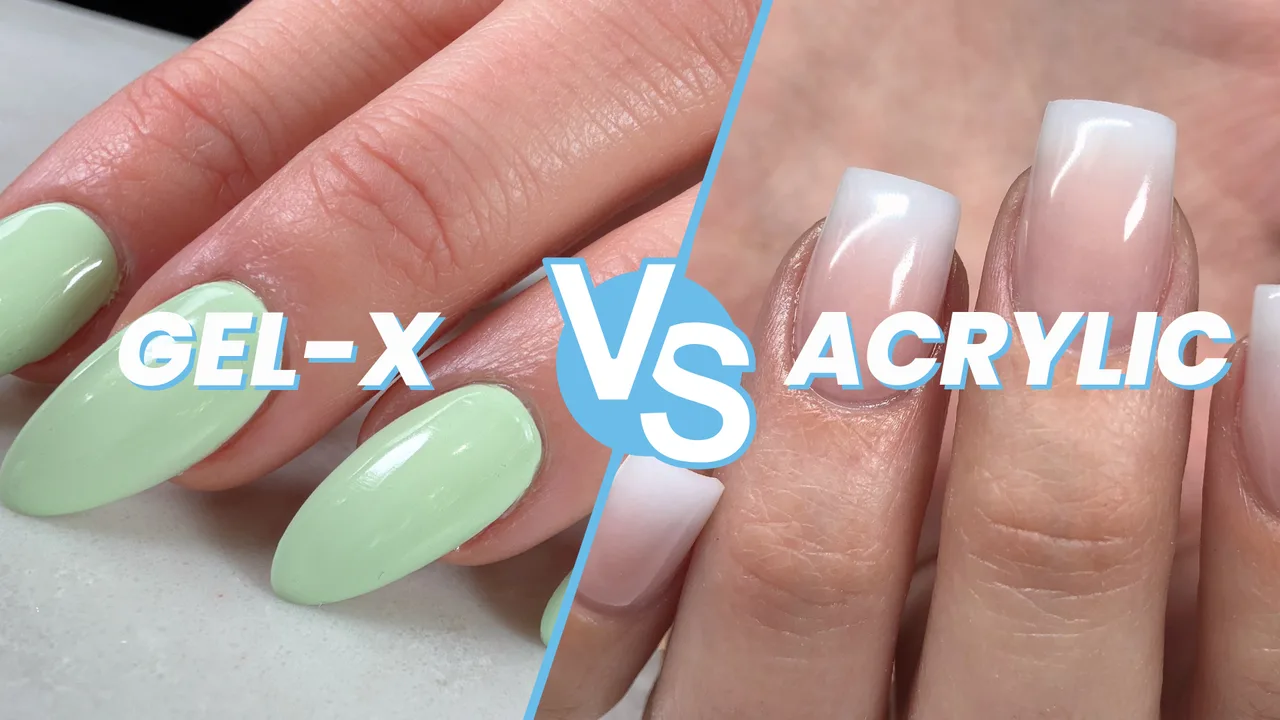
Gel and acrylic nails differ in durability and longevity, primarily concerning strength and chip resistance. Acrylic nails are generally known for their superior hardness and impact resistance, making them highly durable against daily wear. Gel nails, conversely, offer greater flexibility and often present a glossier finish, which influences their resilience to chipping and overall wear over time. The choice between them depends on specific lifestyle demands and aesthetic preferences.
Which nail enhancement is more durable: gel or acrylic?
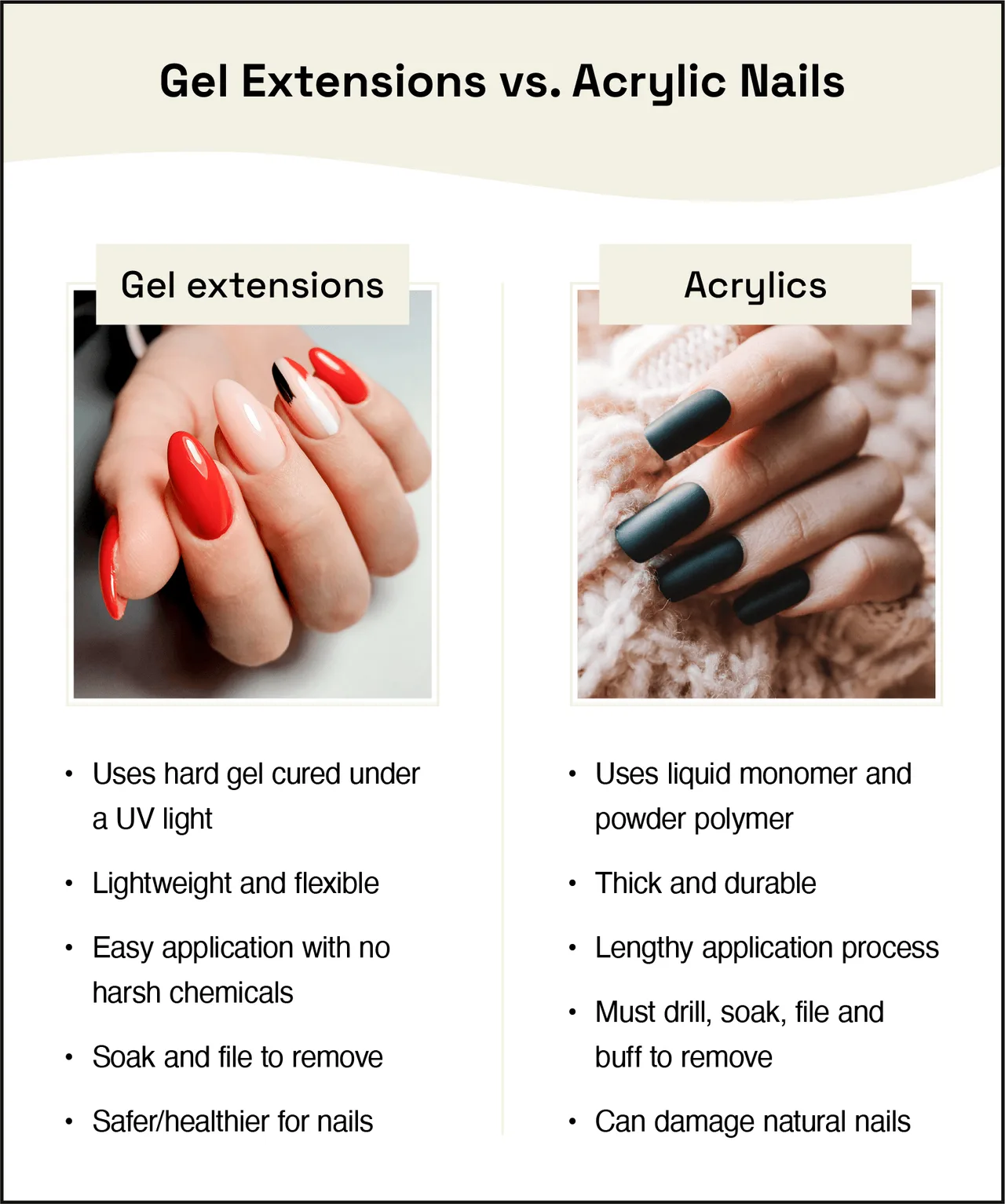
Acrylic nails are generally more durable and resistant to breakage than gel nails due to their superior hardness and rigidity. Gel nails offer greater flexibility, which can make them less prone to snapping but also less resistant to significant impact or heavy-duty wear. This difference in material properties directly influences how each type withstands daily activities and potential stressors.
What is the typical longevity of gel nails?
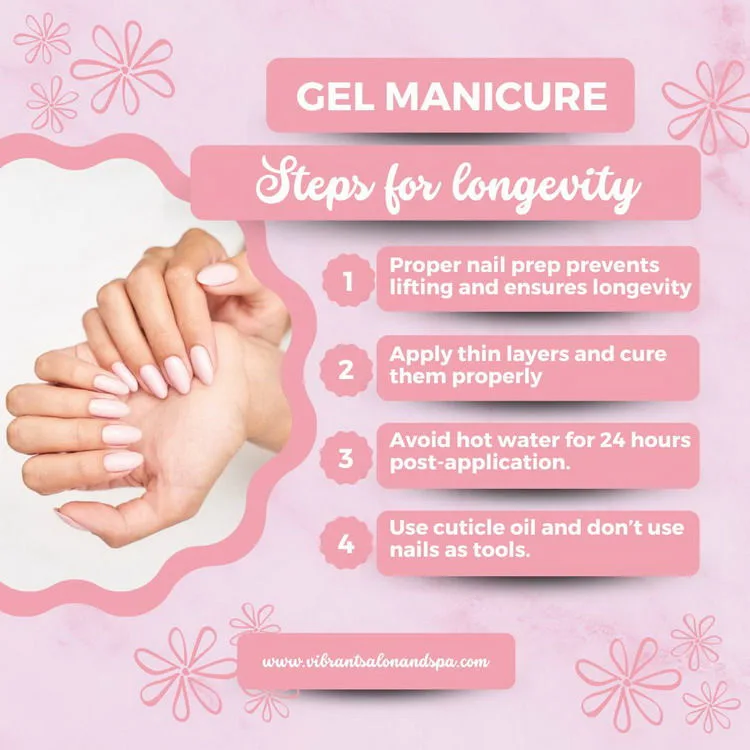
Gel nails typically last for approximately two to three weeks before requiring maintenance or removal. This longevity depends on factors such as natural nail growth, the quality of the application, and the individual’s daily activities. While gel nails are known for their flexibility, they still benefit from regular upkeep to maintain their appearance and prevent lifting.
What is the typical longevity of acrylic nails?
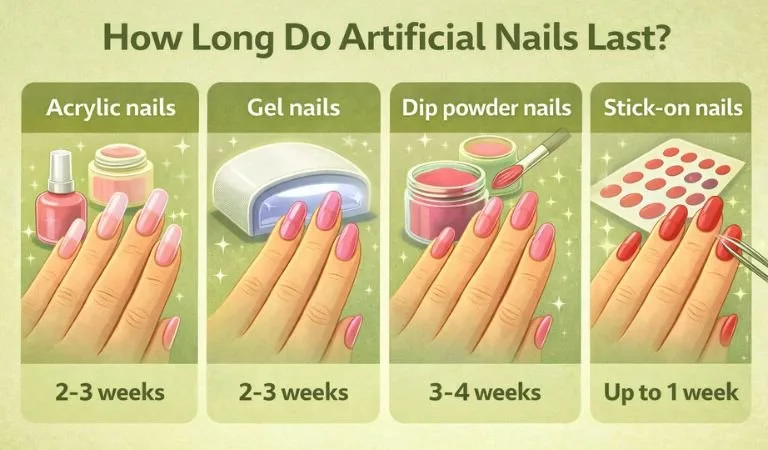
Acrylic nails typically last for approximately three to four weeks before requiring maintenance or removal. This longevity makes them a popular choice for those seeking a durable and low-maintenance nail enhancement. The lifespan of acrylic nails depends on the rate of natural nail growth and the individual’s daily activities. Regular fills are essential to maintain the integrity and appearance of acrylic nails, addressing the growth gap and any potential lifting. Proper application and aftercare significantly extend their wear. The typical lifespan of acrylic nails is 2–4 weeks.
How do the cost and application process differ between gel and acrylic nails?
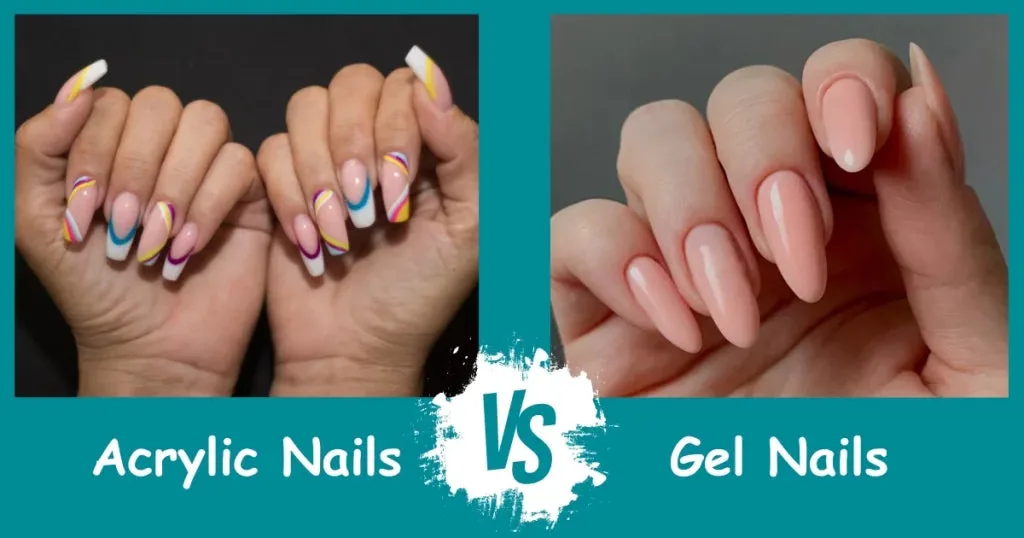
Gel nails cost more due to specialized UV curing, while acrylics feature a more complex application. These distinctions influence initial investment and overall experience. The following sections explore specific cost factors and application steps for both gel and acrylic nails.
What is the average cost of gel nail application and maintenance?
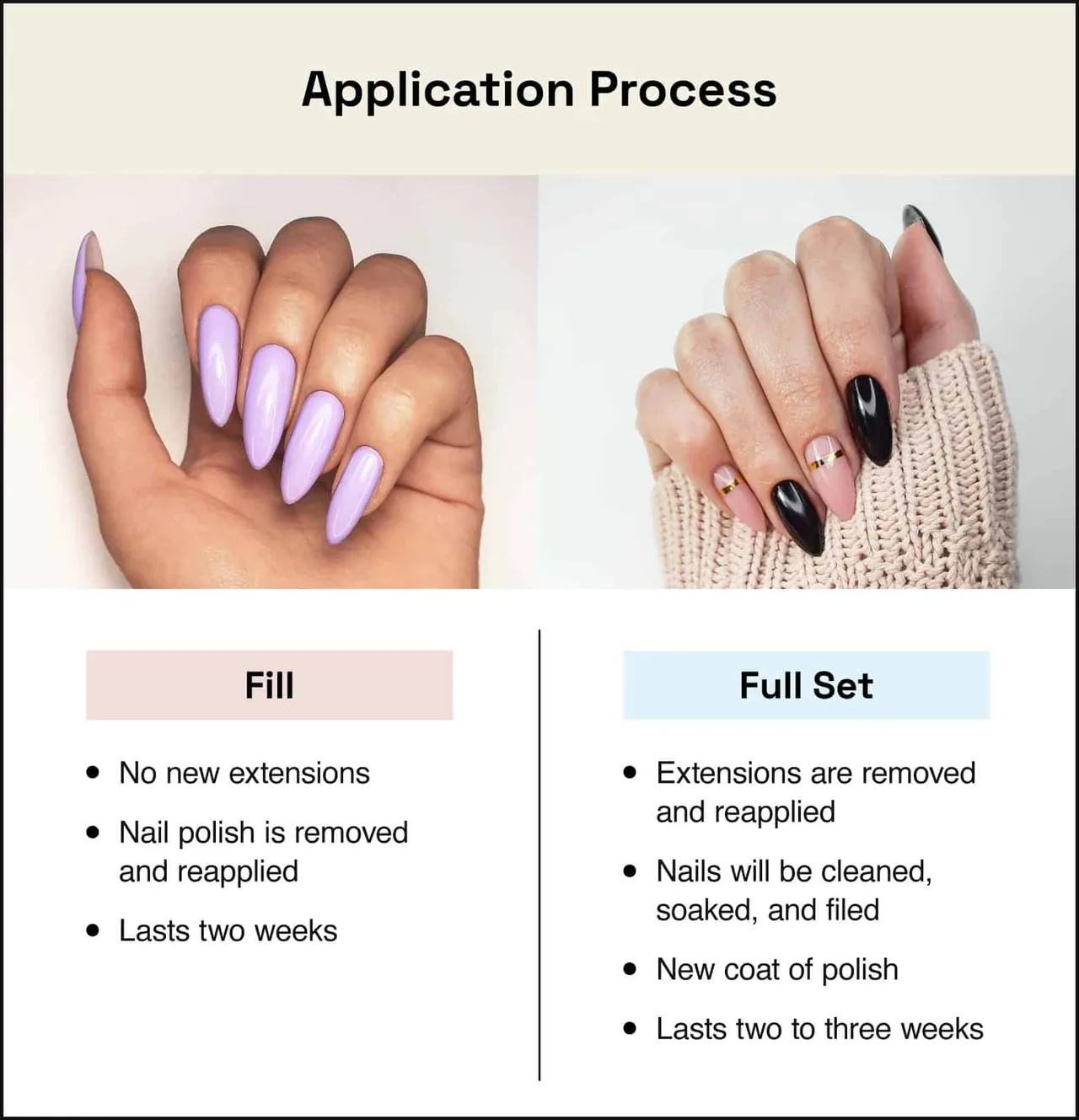
The average cost for an initial gel nail application typically ranges from $35 to $65, while maintenance services like fills or repairs usually cost between $25 and $45. This pricing structure reflects the materials, specialized equipment, and technician’s expertise required for gel nail services. Several factors influence the exact cost, including the salon’s location, the technician’s experience, and any additional designs or treatments. Initial full sets often involve a higher fee due to the more extensive application process. Regular maintenance is necessary to keep gel nails looking their best and prevent lifting or damage, contributing to ongoing expenses. These costs can vary significantly, so it is advisable to confirm pricing with your chosen salon or nail professional before booking an appointment.
What is the average cost of acrylic nail application and maintenance?
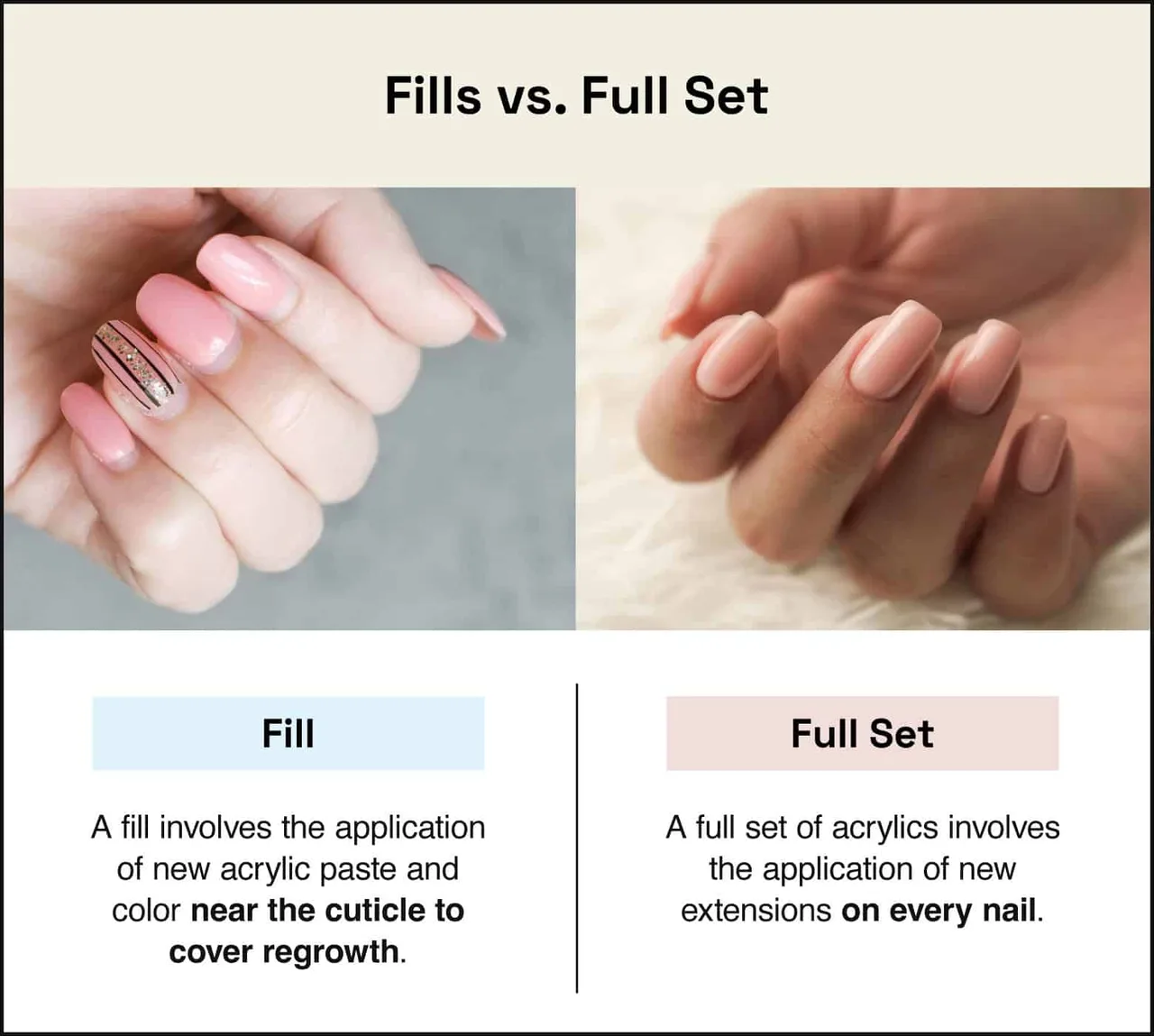
The average cost for an initial acrylic nail application typically ranges from $30 to $60, while maintenance services like fills usually cost between $20 and $40. This pricing reflects the materials, technician’s labor, and the complexity of the application process. Several factors influence the exact cost, including the salon’s location, the technician’s experience, and any additional designs or enhancements. Initial full sets are generally more expensive due to the comprehensive application. Regular fills are essential to maintain acrylic nails as the natural nail grows, addressing gaps and preventing lifting.
What are the steps involved in applying gel nails?
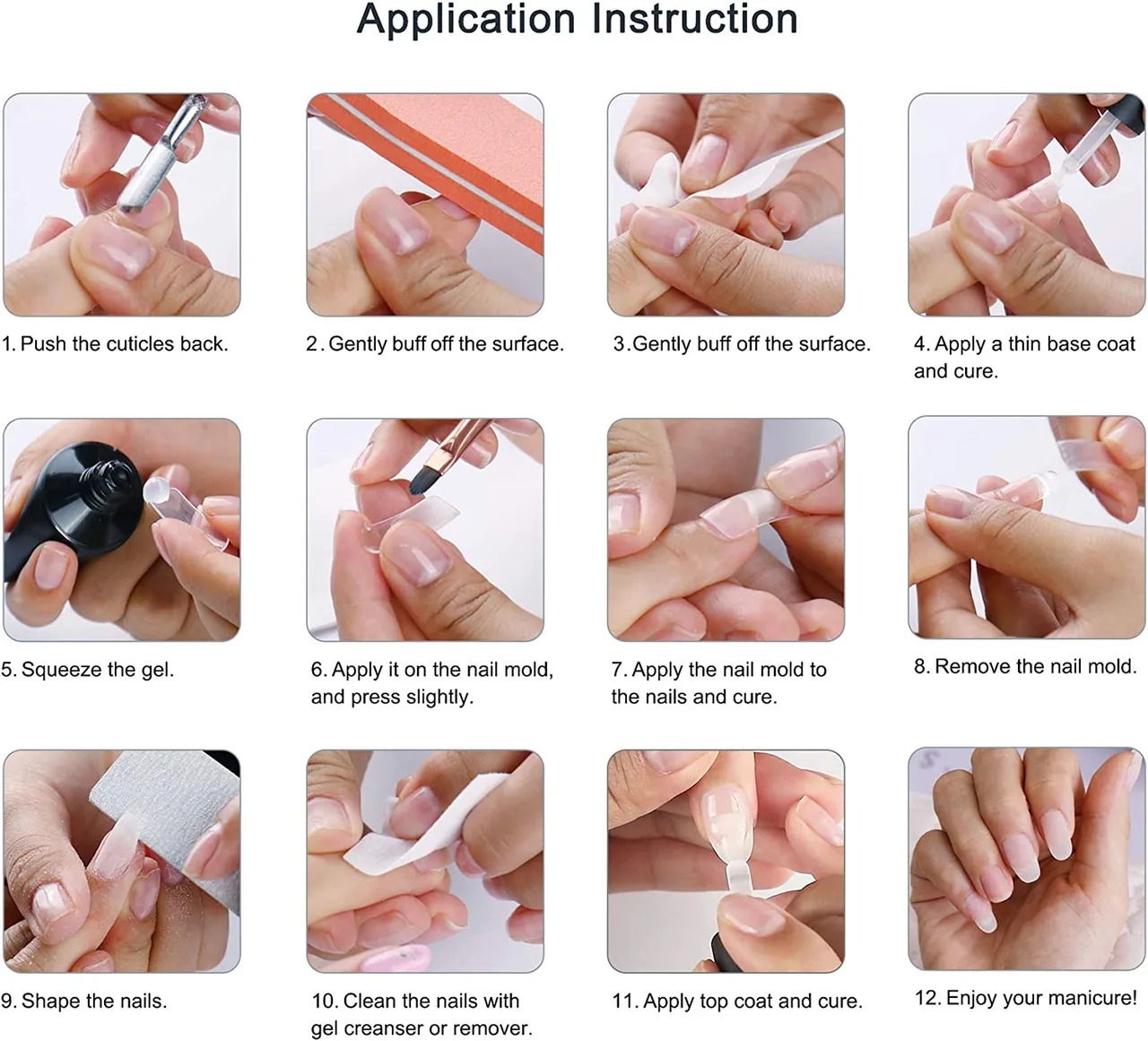
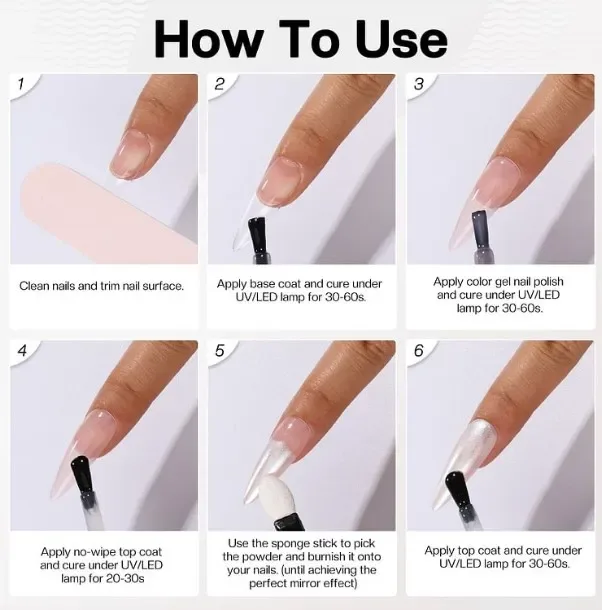
Applying gel nails involves a structured, multi-step process that typically begins with nail preparation and concludes with curing under UV or LED light to achieve a durable, glossy finish. This method distinguishes itself through the use of gel-based polymers, which require light exposure to harden, contrasting with air-drying acrylics. Understanding these steps is crucial for both technicians ensuring proper application and clients seeking to comprehend the process. The application generally includes prepping the natural nail, applying base, color, and top coats, and curing each layer.
What are the steps involved in applying acrylic nails?
Applying acrylic nails involves a comprehensive multi-step process, combining a liquid monomer and powdered polymer to create a durable, air-dried enhancement. This method requires careful preparation and precise application techniques to ensure proper adhesion and a long-lasting finish. The application typically includes preparing the natural nail, applying a primer, sculpting the acrylic, and finishing with shaping and buffing.
Are there advanced techniques or recent innovations in gel and acrylic nail technology?
Yes, advanced techniques and recent innovations have emerged in both gel and acrylic nail technology, focusing on enhanced application methods, refined product formulations, and technological advancements. These developments aim to improve durability, reduce health risks, and expand aesthetic possibilities. The evolution of these technologies offers a broader range of options for technicians and clients, leading to more customized and safer nail enhancements.
What are some unique attributes of builder gel applications?
Builder gel applications feature unique attributes that distinguish them from standard gel, primarily offering enhanced strength, versatility for sculpting, and often a thicker viscosity. These specific characteristics allow builder gel to create more durable extensions and provide structural support, making it suitable for repairing broken nails or building intricate shapes. Its thicker consistency also aids in controlled application, allowing technicians to sculpt and cure the product without excessive spreading.
Are there rare attributes associated with specialized acrylic monomer formulas?
Yes, specialized acrylic monomer formulas feature rare attributes that offer distinct properties and benefits beyond conventional options. These less common formulations focus on enhancing specific aspects like flexibility, adhesion, or odor reduction, tailoring the acrylic system to unique needs. Such specialized monomers can improve the overall performance and aesthetic outcome of acrylic nail enhancements.
Conclusion
Choosing between gel and acrylic nails depends on individual priorities and desired outcomes. While acrylics offer superior strength and longevity, gels provide flexibility and a glossier finish. Understanding these core differences ensures an informed decision, aligning the nail enhancement with specific lifestyle demands and aesthetic preferences for optimal results and nail health.