Artificial nails are categorized by their distinct materials and application methods, offering various aesthetic and functional benefits. These distinctions are crucial for understanding their composition and how they adhere to natural nails.
Different artificial nail types vary in durability, impacting how long they last and their resistance to daily wear. Understanding these differences helps in selecting the most suitable option for individual needs.
The durability of artificial nails influences potential damage, with some types being more prone to chips, cracks, or lifting than others. This directly affects maintenance requirements and overall nail health.
This Barber Tall guide will explore the primary materials, application processes, and comparative durability of various artificial nail types.
What are the primary materials used in artificial nails?
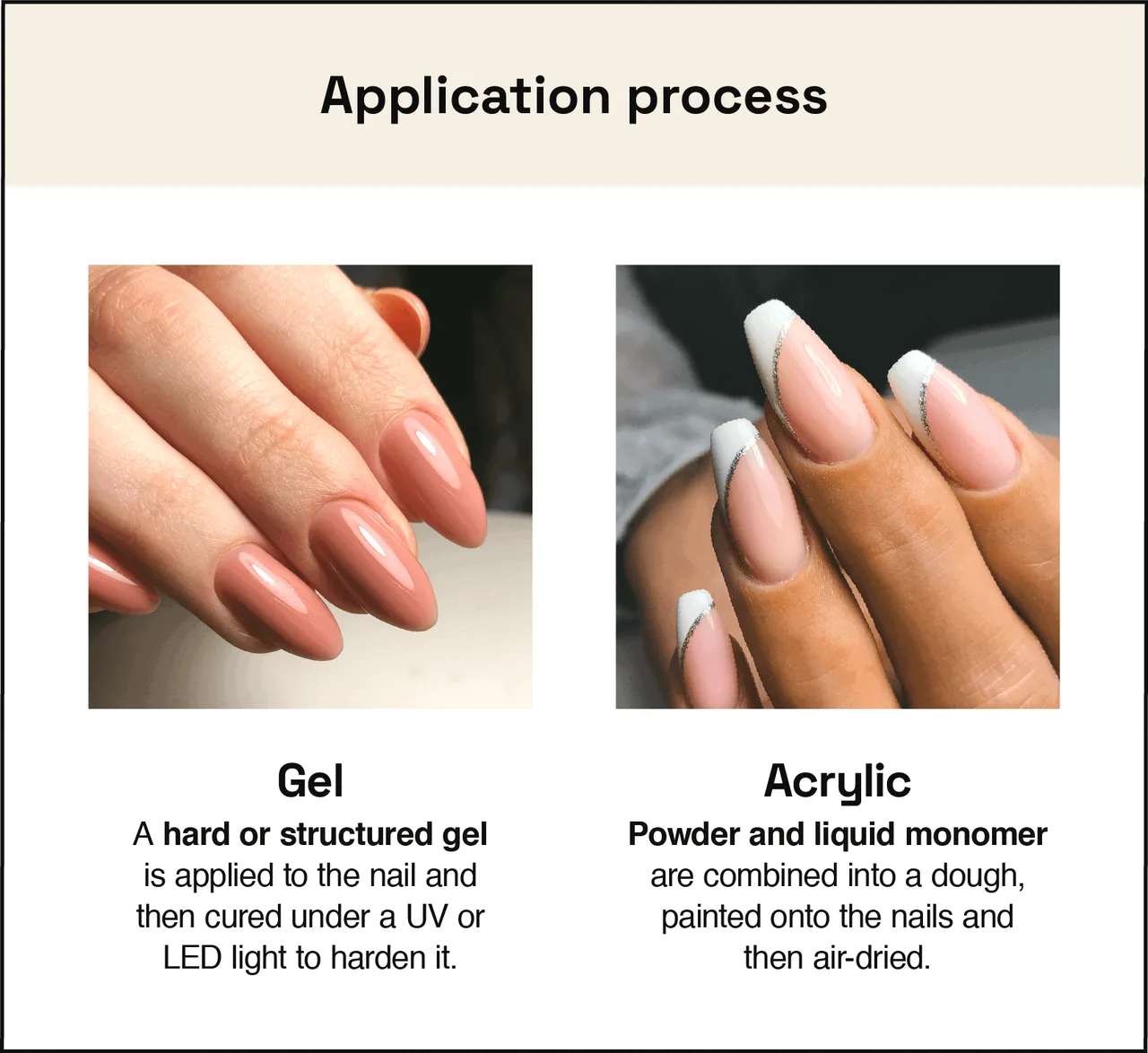
Artificial nails primarily use acrylic, gel, or dip powder as their core materials, each distinguished by its fundamental composition. These materials form the base for various artificial nail types, laying the groundwork for how they are categorized. Acrylic nails combine a liquid monomer with a powdered polymer to create a hard protective layer. Gel nails consist of a pre-mixed polymer gel that cures under UV or LED light, forming a durable coating. Dip powder nails involve applying a resin base coat followed by dipping the nail into a finely milled colored powder, which then hardens with an activator. Each material offers distinct characteristics that define the initial categorization of artificial nails.
How are different artificial nail types applied?
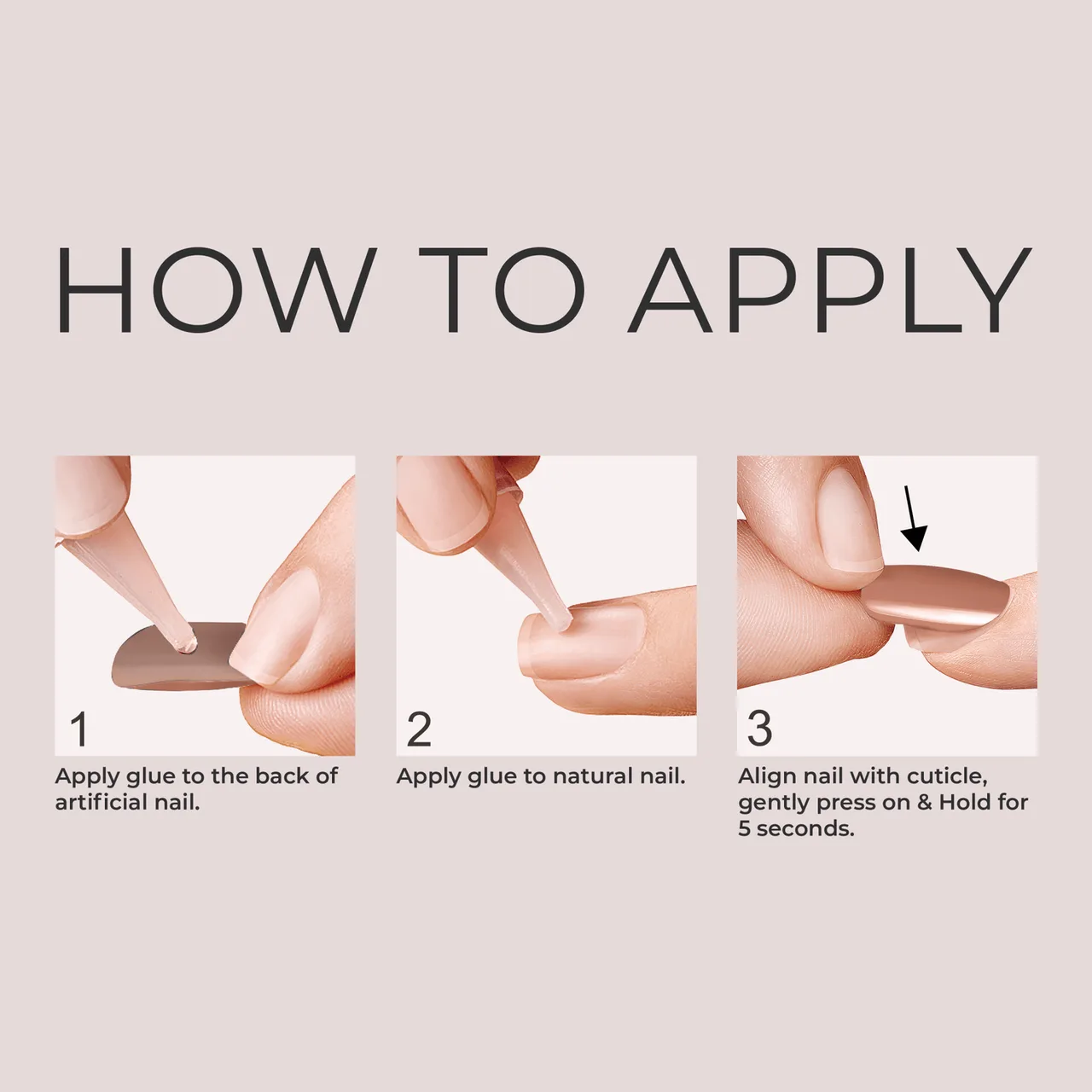
Different artificial nail types are applied through distinct multi-step processes, each involving specific tools and curing methods that serve as primary categorizers. These application methods directly differentiate how materials are transformed into durable nail enhancements. The procedures for acrylic, gel, and dip powder nails each involve unique sequences and specialized equipment, highlighting the distinct ‘how-to’ aspect of their categorization.
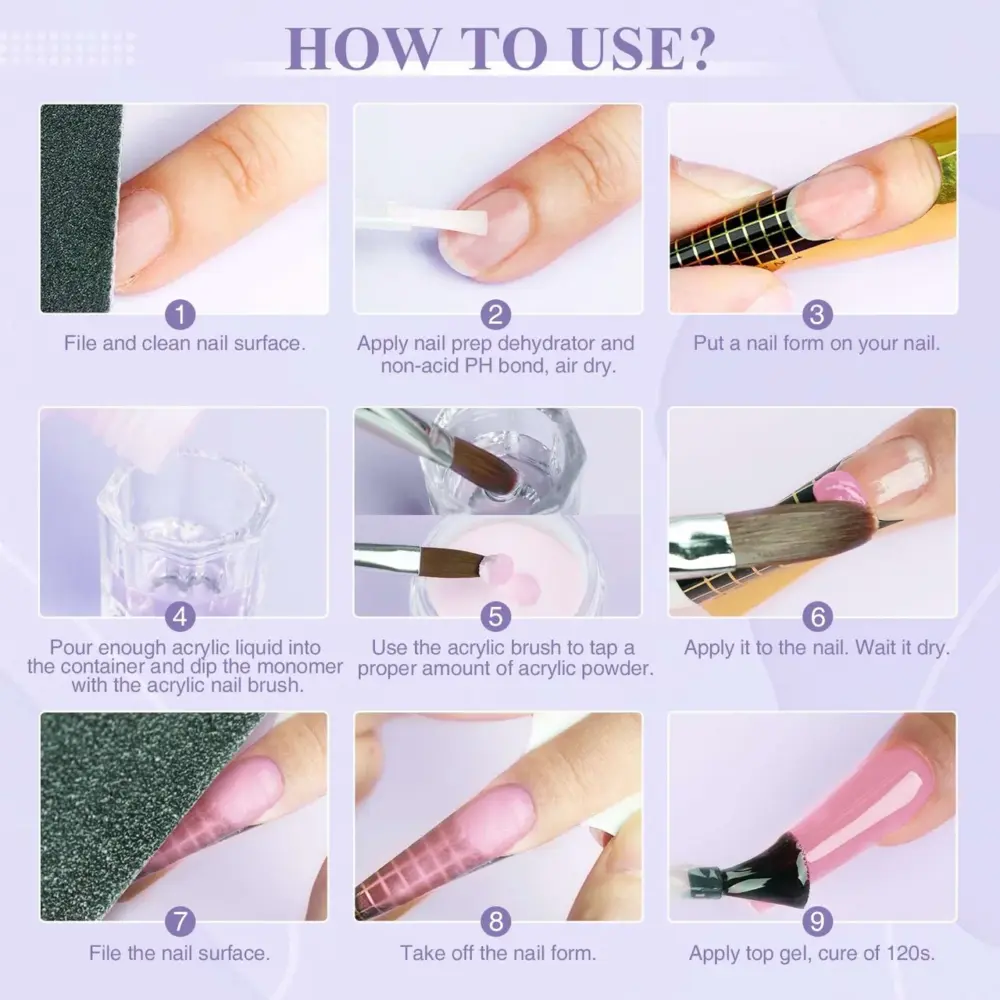
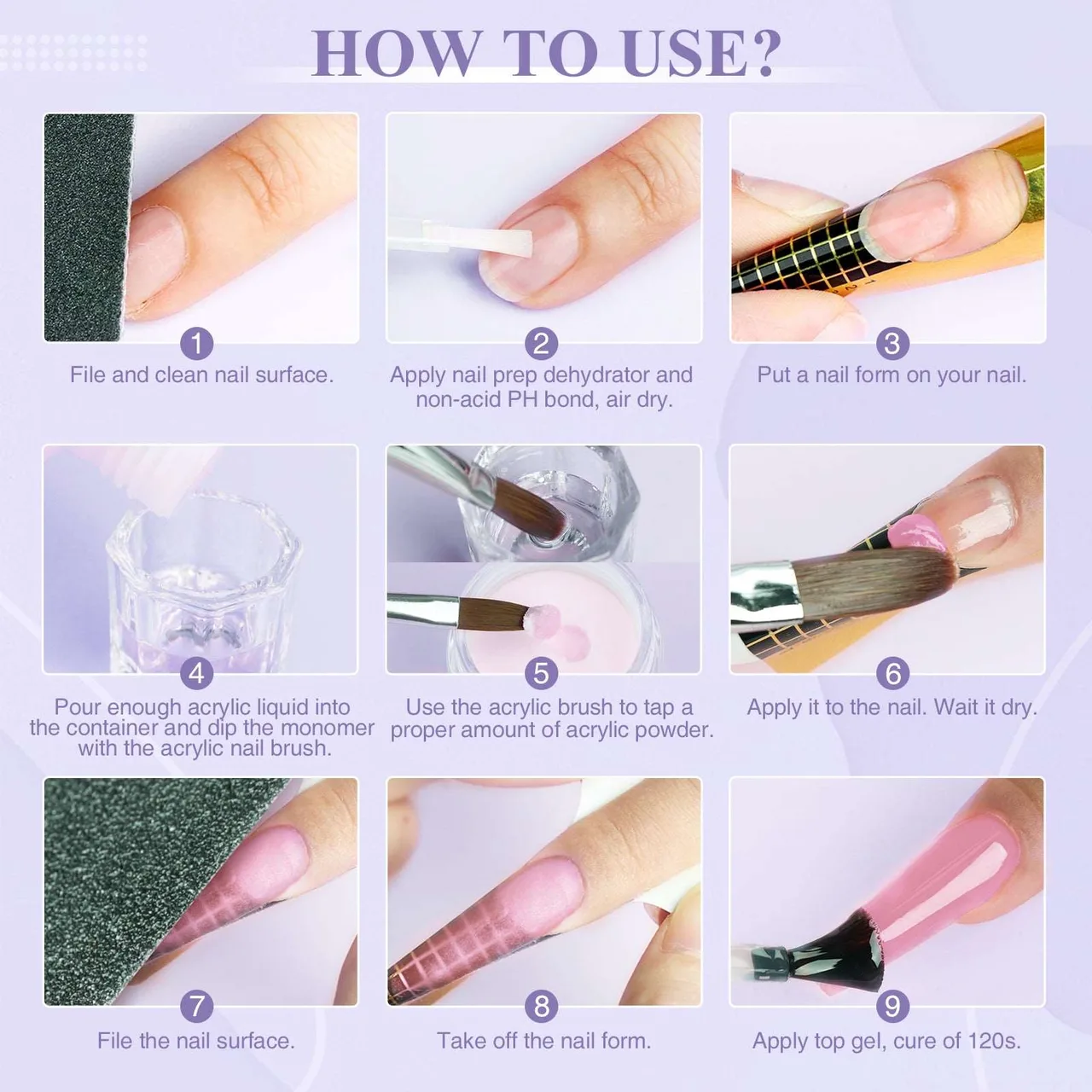
Acrylic nails are typically sculpted by hand-mixing a liquid monomer with a powdered polymer directly on the nail or tip, then shaping the pliable mixture with a brush before it air-dries and hardens. Gel nails involve applying a pre-mixed gel in layers, which then cures and hardens under a UV or LED lamp, often requiring multiple coats and curing cycles. Dip powder nails are applied by first brushing a resin base coat onto the natural nail, then dipping the nail into a finely milled powder, and finally sealing it with an activator and a top coat.
How does the durability of artificial nails compare across different types?
The durability of artificial nails varies significantly across different types, with acrylic nails typically offering the longest wear time and highest resistance to damage. This variation in longevity and resilience serves as a key categorizing factor among artificial nail enhancements. Acrylic nails are renowned for their strength and chip resistance, often lasting up to 3-4 weeks with proper maintenance. Gel nails provide a flexible, glossy finish that resists chipping but can be more prone to breaking than acrylics, typically enduring for 2-3 weeks. Dip powder nails offer a middle ground in terms of durability, providing strength comparable to acrylics while being more flexible than traditional gels, generally lasting 3-4 weeks. These differences in wear time, chip resistance, and overall strength directly influence the categorization and suitability of each artificial nail type for various lifestyles.
Can artificial nails cause damage to natural nails?
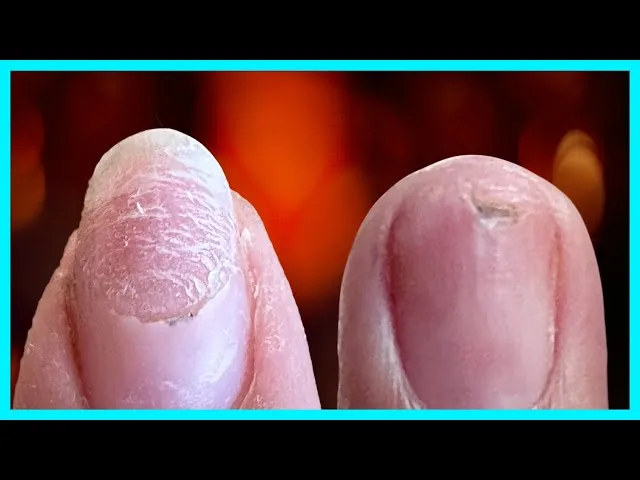
Yes, artificial nails can cause damage to natural nails, primarily due to improper application, removal, or maintenance practices. The potential for damage arises from several factors that directly impact nail health and integrity. Incorrect application, such as excessive filing or inadequate preparation, weakens the natural nail plate, making it more susceptible to thinning or breakage. Similarly, aggressive or improper removal techniques, like prying or peeling, can strip away layers of the natural nail, leading to significant damage and discomfort. Poor maintenance, including neglecting fills or repairs, also compromises the structural integrity of both the artificial and natural nail, increasing the risk of lifting, infections, or fungal growth. While some artificial nail types might inherently pose slightly different risks, the primary cause of damage is procedural rather than material-dependent.
What are less common or emerging artificial nail technologies?
Less common or emerging artificial nail technologies involve specialized advanced polymers and unique application techniques that differentiate them from traditional acrylic, gel, and dip powder systems. These innovations broaden the scope of artificial nail categorization by introducing niche attributes beyond mainstream offerings. This section explores several of these unique advancements, highlighting their distinct materials and methods. Technologies such as advanced polymer blends and specialized sculpting methods represent the next wave in nail enhancements, moving beyond conventional formulations to offer enhanced properties or application experiences.
Are there hypoallergenic options within artificial nail categories?
Yes, hypoallergenic options exist within artificial nail categories, primarily through specific gel and dip powder formulations designed to minimize allergic reactions. These specialized products address user sensitivities by utilizing ingredients that are less likely to trigger adverse responses. The availability of such options expands the utility of artificial nails for individuals with sensitivities. Hypoallergenic formulations often exclude common irritants like certain acrylates or formaldehyde resins, which are frequent causes of contact dermatitis.
Conclusion
Artificial nails are primarily categorized by their core materials—acrylic, gel, and dip powder—each with distinct application methods and varying durability. Understanding these differences is crucial for selecting the most suitable type, as their longevity, resistance to damage, and potential impact on natural nails vary. While innovations continue to emerge, proper application and maintenance are key to maximizing the benefits and minimizing risks associated with any artificial nail enhancement, ensuring both aesthetic appeal and nail health.