A gel is a semi-solid colloidal system. In this system, a liquid is dispersed throughout a solid network. This unique structure gives gels their characteristic viscosity and elasticity, making them useful in various applications.
The primary use of gel is to provide a stable, viscous, or semi-solid medium for various applications, ranging from personal care to medical and industrial fields. Their unique rheological properties make them ideal for controlled release, lubrication, and structural support.
At Barber Tall, we delve deeper into the fundamental question: What is Gel?
What is Gel?
A gel is a semi-solid colloidal system where a liquid phase is dispersed and trapped within a solid, three-dimensional network, exhibiting elastic properties and a jelly-like consistency. This unique structure distinguishes gels from true solids and liquids, positioning them as a distinct state of matter. Gels are typically composed of a gelling agent, often polymers or proteins, and a liquid medium. Factors such as temperature, pH, and the concentration of the gelling agent influence gel formation and stability. Common examples include hair gel, jelly, and contact lenses.
What are the Uses of Gel?
Gels are widely utilized across various industries, serving as essential components in food, pharmaceuticals, cosmetics, and scientific research due to their unique properties. These applications leverage gels’ ability to create stable, semi-solid mediums for diverse purposes. In the food industry, gels act as thickeners and texturizers in products like jellies and desserts. Pharmaceuticals employ gels in drug delivery systems and topical medications, facilitating controlled release and targeted application. Cosmetics utilize gels extensively in hair products and skincare for their styling and moisturizing benefits. In scientific research, gels are crucial for techniques such as electrophoresis and chromatography, enabling the separation and analysis of biomolecules.
What are the Different Types of Gel?
Gels are categorized based on their composition, structure, and properties, encompassing diverse forms such as hydrogels, organogels, xerogels, and aerogels, each exhibiting unique characteristics and applications. These classifications help in understanding the wide range of gel functionalities across various industries. For instance, hydrogels are hydrophilic polymer networks that swell in water, commonly used in contact lenses and drug delivery systems. Organogels, conversely, are composed of a liquid organic phase trapped within a solid network, finding applications in cosmetics and food. Xerogels are solid materials obtained by drying a gel with minimal shrinkage, while aerogels are highly porous, ultralight materials derived from gels, known for their insulating properties. Other subclasses include supramolecular gels, formed by non-covalent interactions, and thixotropic gels, which become fluid under shear stress and solidify when at rest, often seen in paints and drilling fluids.
What are Gel Nails?
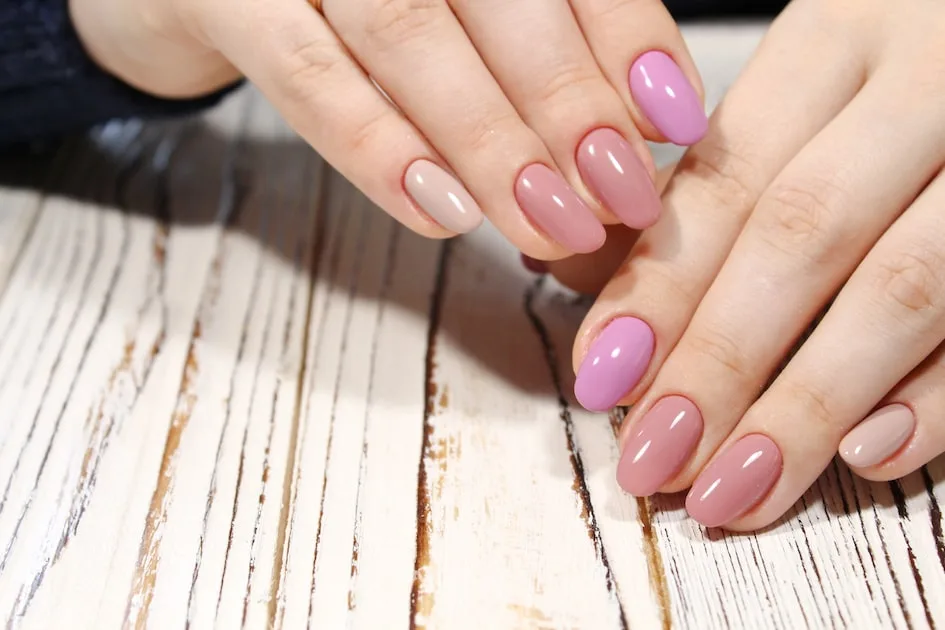
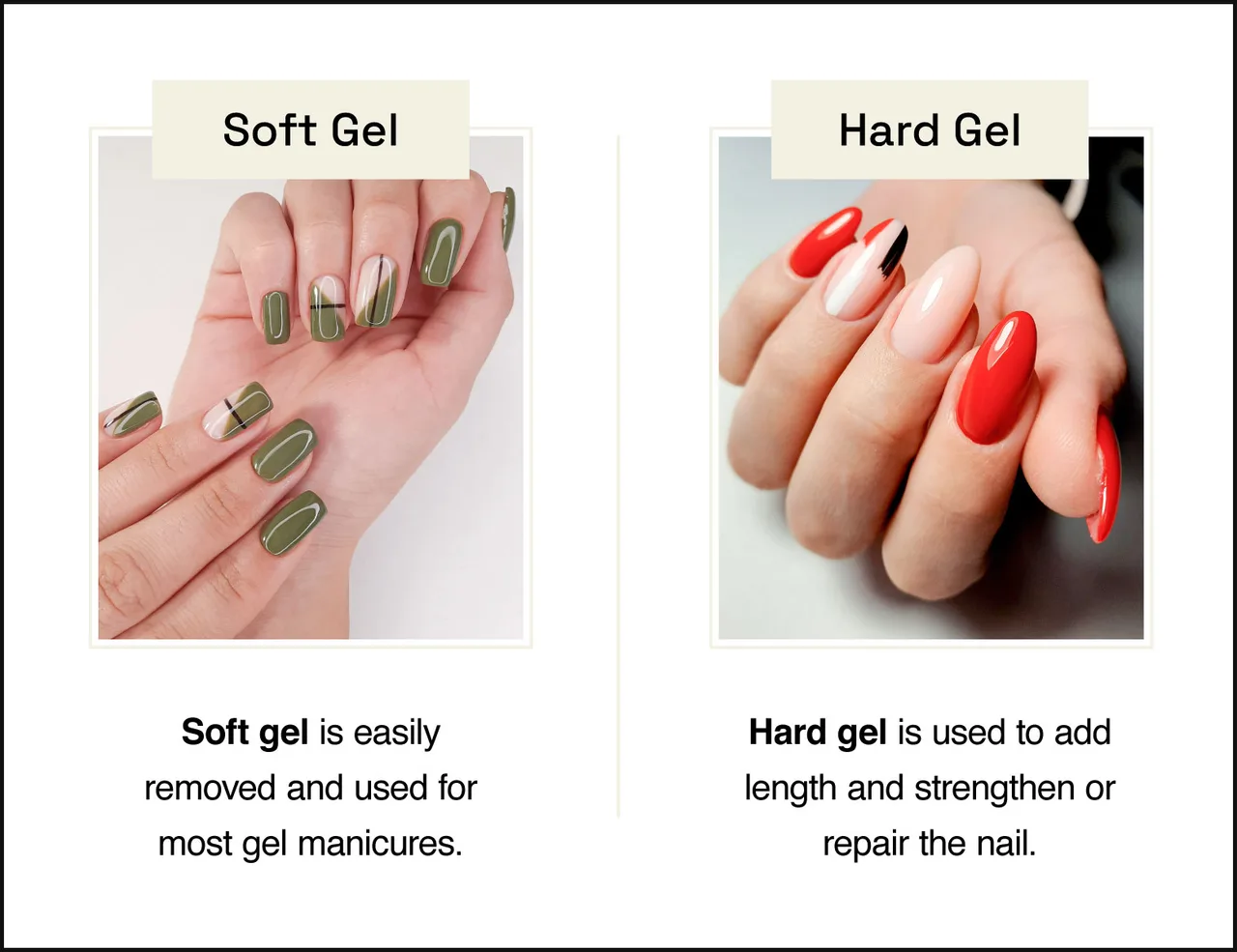
Gel nails are a nail enhancement created by applying a gel-based product that is cured under UV or LED light, offering a durable and glossy finish distinct from traditional acrylics or regular polishes. This process forms a strong, chip-resistant layer that adheres to the natural nail. Gel nail products typically consist of an oligomer, a short-chain polymer, and photoinitiators, which react to light to harden the gel. The application involves prepping the nail, applying base coat, color coats, and a top coat, with each layer cured under a specialized lamp. Benefits include a natural look, flexibility, and extended wear time. However, potential drawbacks include the need for proper removal to prevent nail damage and the initial investment in UV/LED lamps and gel products. There are various types, including hard gels, which are very strong and require filing for removal, and soft gels (also known as gel polish), which are more flexible and can be soaked off.
What is Gel Made Of?

Gels are primarily composed of a gelling agent, which forms a solid network, and a liquid phase, typically water or organic solvents, that is trapped within this network. The gelling agents are crucial for establishing the gel’s unique semi-solid structure. These agents interact to create a three-dimensional matrix that immobilizes the liquid, preventing it from flowing freely. This interaction can involve various mechanisms, including physical entanglement, hydrogen bonding, and covalent cross-linking, which collectively contribute to the gel’s stability and mechanical properties. Common gelling agents include natural polymers like polysaccharides (e.g., agar, gelatin, pectin) and proteins (e.g., collagen), as well as synthetic polymers (e.g., polyacrylamide, carbomer).
Can Gels Exhibit Smart Behavior?
Yes, gels can exhibit smart behavior, changing their properties in response to external stimuli. These are known as smart gels or responsive gels, and they adjust their volume, shape, or mechanical strength when exposed to specific environmental cues. Such behavior is crucial for their advanced applications across various technological fields. Smart gels operate through internal structural changes triggered by stimuli like temperature, pH levels, electric fields, or light. This responsiveness stems from the specialized polymers within their network that interact dynamically with the surrounding environment. Their ability to precisely alter properties makes them valuable in applications such as biosensors, where they detect specific biological molecules, and in actuators, functioning as microscopic switches or pumps. Additionally, smart gels are explored in controlled drug delivery systems, releasing therapeutic agents in response to physiological changes within the body.
Conclusion
In summary, a gel is a unique semi-solid colloidal system where a liquid is trapped within a solid network, giving it characteristic viscosity and elasticity. Composed primarily of a gelling agent and a liquid phase, gels find extensive applications across various industries, from food and pharmaceuticals to cosmetics and scientific research. Different types of gels, such as hydrogels and organogels, offer diverse functionalities, while innovations like smart gels further expand their potential by responding to external stimuli. From everyday products to advanced technological solutions, gels play a crucial role due to their versatile properties and adaptable structures.