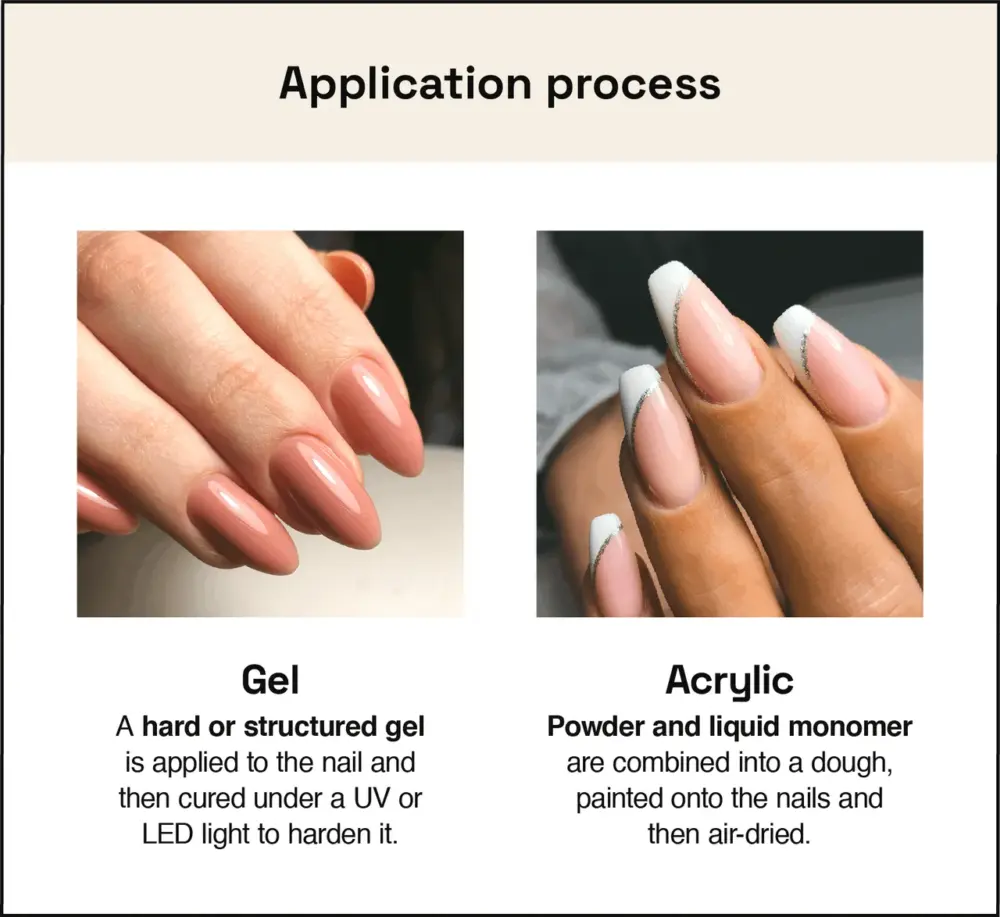
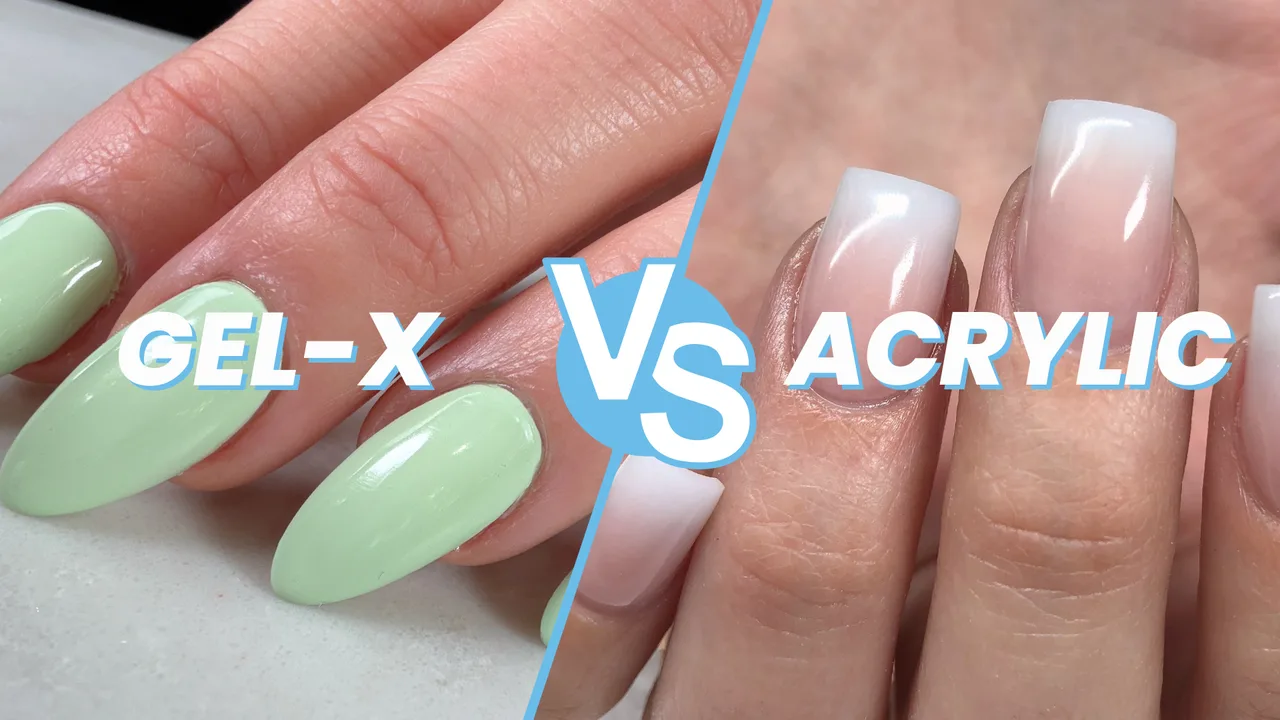
Gel and acrylic nails differ mainly in their chemical composition and application. These distinctions impact their flexibility, appearance, and removal process. While both enhance nail aesthetics, understanding these core differences is crucial for choosing the right option.
Regarding health and safety, gel nails typically involve curing under UV/LED light. Exposure to UV/LED light is a consideration, though studies suggest a very low risk of skin cancer from professional nail lamps. Acrylic liquid products can be harmful and emit fumes that can be inhaled, according to Purex, a manufacturer of fume extraction systems. Proper ventilation and professional application are key to minimizing risks with either choice.
When comparing cost and longevity, acrylic nails are often more budget-friendly initially but may require fills more frequently. Gel nails can have a higher upfront cost but may last longer without chipping. The overall value depends on maintenance and desired wear time.
To fully understand these options and help you make an informed decision, Barber Tall explores the main differences between gel and acrylic nails, their health and safety concerns, and a comparison of their cost and longevity.
What are the main differences between gel and acrylic nails?
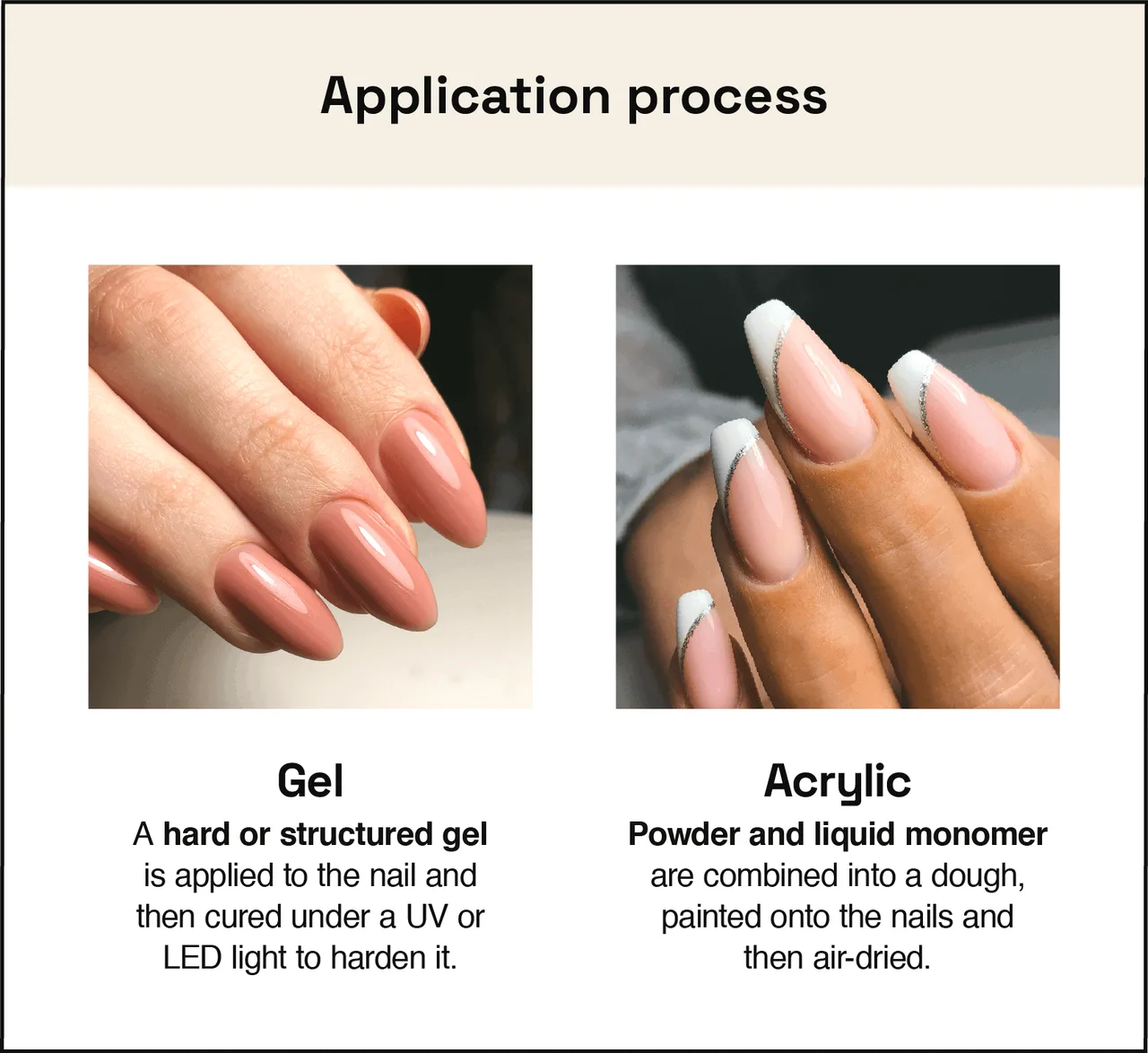
Gel nails and acrylic nails differ fundamentally in their chemical makeup and application. This affects their flexibility, appearance, and removal process.
Gel nails are created from a gel polymer that requires UV or LED light to cure and harden, resulting in a flexible and glossy finish. In contrast, acrylic nails are formed by mixing a liquid monomer with a powdered polymer, creating a hard, protective layer that air-dries naturally.
What are the health and safety concerns associated with gel and acrylic nails?
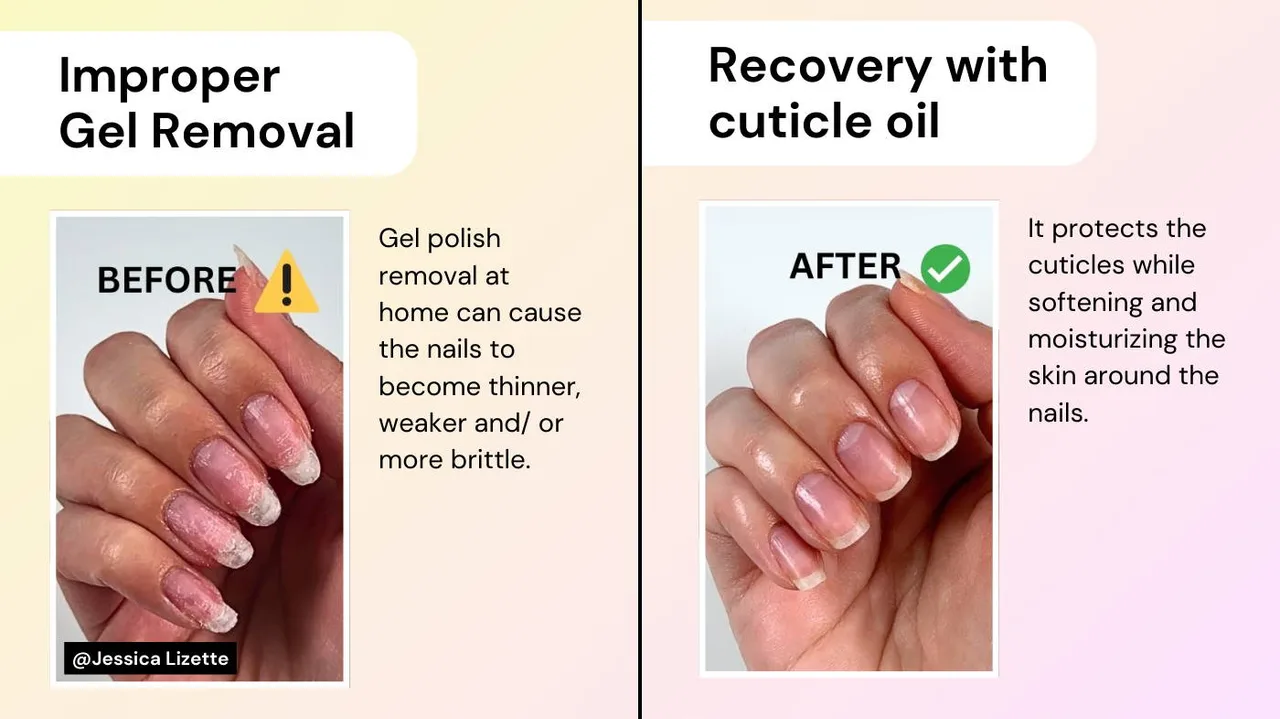
Gel and acrylic nails present distinct health and safety considerations, primarily revolving around chemical exposure, application techniques, and curing processes. Gel nails utilize UV or LED light for curing, and exposure to these lights is a consideration. Acrylics involve mixing liquid monomers and powdered polymers that release fumes during application. Both types require specific safety measures to minimize potential risks to clients and technicians.
Are there any allergic reactions commonly associated with gel or acrylic nails?
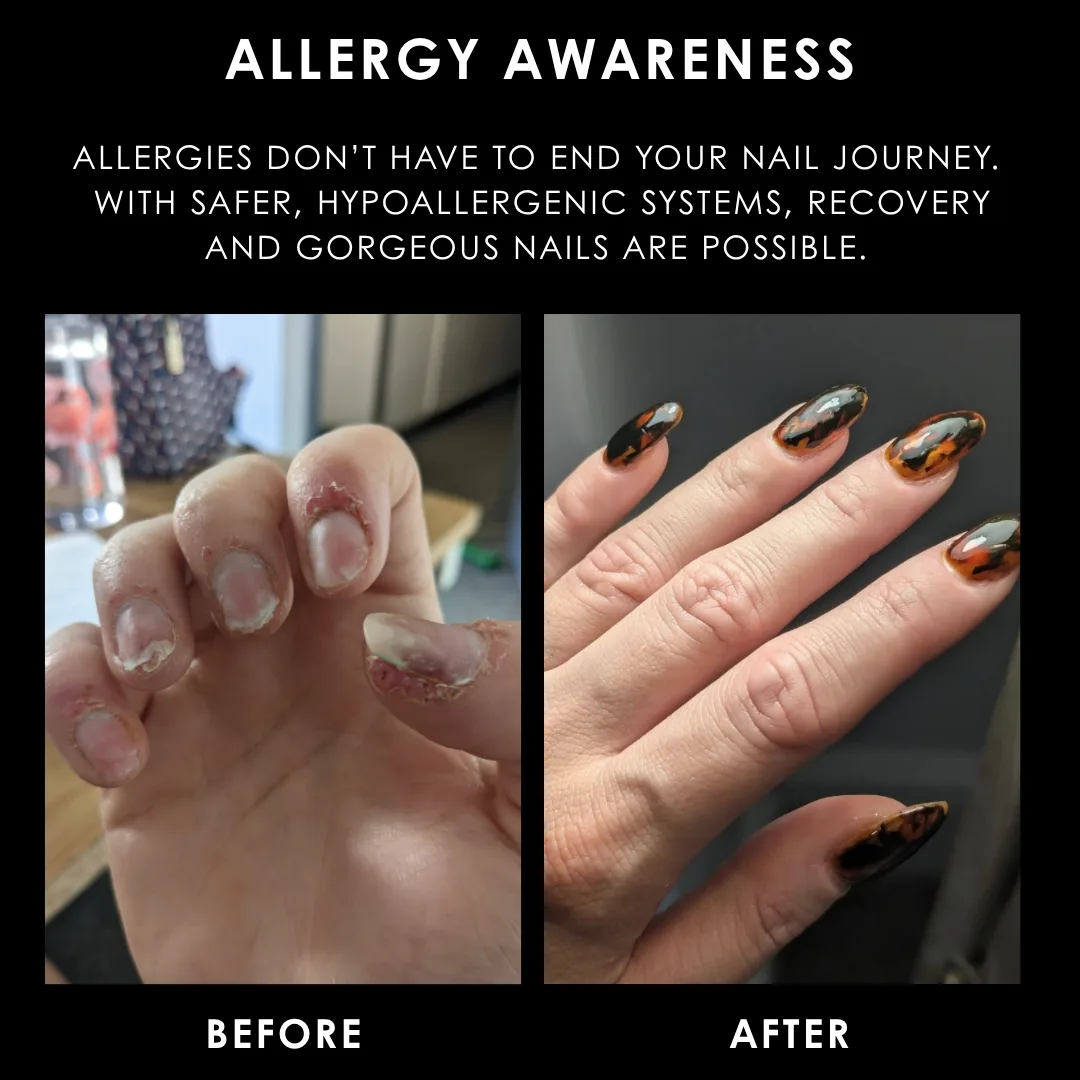
Yes, allergic reactions are commonly associated with both gel and acrylic nails, primarily due to various chemical components used in their application. These reactions stem from specific ingredients in the products, leading to a range of symptoms from mild irritation to more severe responses. Identifying the common allergens and symptoms for each nail type helps users make informed decisions and take preventative measures.
How do the cost and longevity of gel and acrylic nails compare?
Gel nails generally have a higher initial cost, but acrylic nails often require more frequent maintenance, influencing overall long-term expenses and wear time. The financial implications and durability of each nail type are key factors in decision-making. Both gel and acrylic options offer distinct value propositions based on initial investment, maintenance frequency, and expected lifespan, which vary considerably.
Which type of nail typically lasts longer, gel or acrylic?
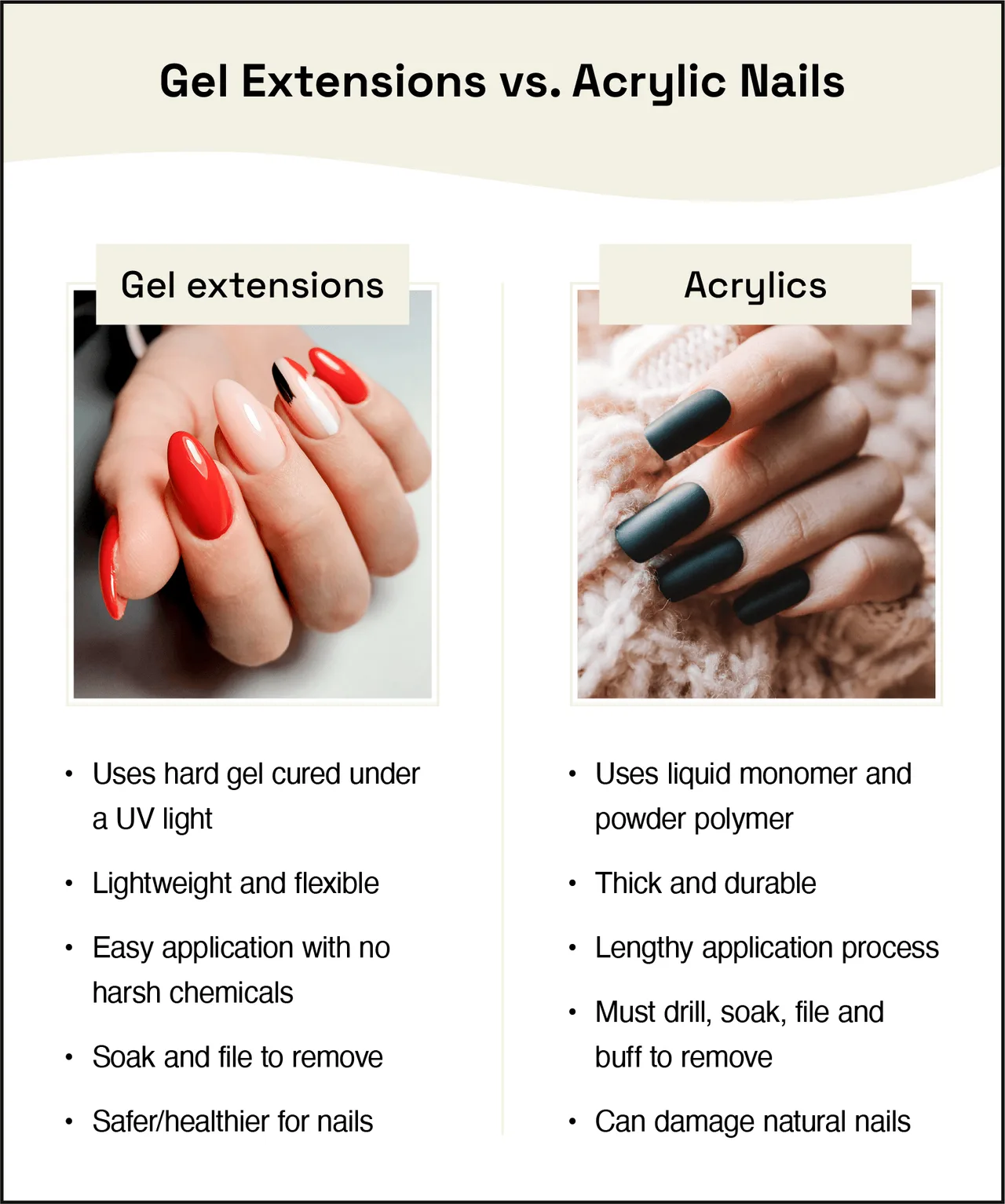
Gel nails typically last longer than acrylic nails, although factors such as lifestyle and nail care practices significantly influence the longevity of both. While acrylics are known for their durability and resistance to breakage, gel nails often maintain their shine and chip-free appearance for an extended period. The overall wear time depends on how well they are maintained and the specific product formulations used.
What is the application process for gel and acrylic nails?
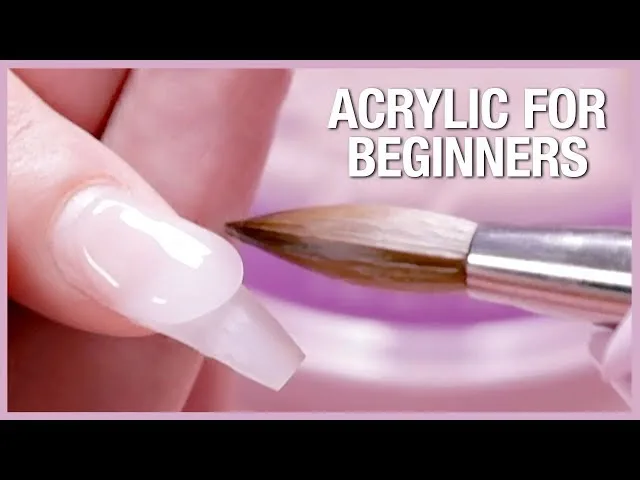
Gel and acrylic nails undergo distinct application processes, with gel nails requiring UV/LED light for curing and acrylics involving a chemical reaction that air-dries. These varied procedures influence the final appearance, durability, and removal method, highlighting the fundamental differences in their creation. Understanding these steps clarifies how each type of nail enhancement is formed.
How is the removal process different for gel and acrylic nails?
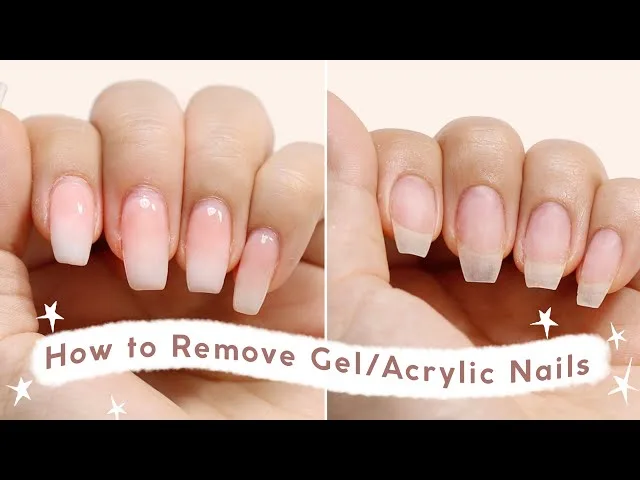
The removal processes for gel and acrylic nails differ significantly, with gel nails typically involving soaking and gentle filing, while acrylics require more extensive soaking in acetone. These distinct methods reflect their unique chemical compositions and curing processes. Understanding these steps ensures safe and effective removal for each type of nail enhancement.
What is the role of UV/LED light in gel nail application?
UV/LED light is essential in gel nail application because it cures and hardens the gel polymer, transforming it from a liquid to a solid state. This light energy initiates a chemical reaction within the gel, a process known as polymerization.
Proper curing of gel nails ensures their durability, shine, and adhesion to the natural nail. Without UV/LED light, gel nails would remain in their soft, unset form.
Can gel nails be applied without UV/LED light?
No, gel nails cannot be applied without UV/LED light because the light energy is essential for curing the gel polymer into a hardened state. The application process for gel nails relies entirely on this photochemical reaction, which transforms the liquid gel into a durable, solid layer. Without exposure to UV or LED light, the gel remains unset, making it impossible to achieve the desired long-lasting and chip-resistant finish. While there are some alternative nail products that do not require light, these are not true gel nails and function differently.
Conclusion
Ultimately, while both gel and acrylic nails enhance nail aesthetics, they fundamentally differ in chemical composition, application, and removal processes. Gel nails require UV/LED light for curing and offer a flexible, glossy finish with potentially higher initial costs and longer wear. In contrast, acrylics, formed by a liquid monomer and powder polymer, air-dry to a hard protective layer, often with a lower initial cost but potentially more frequent maintenance. Both present unique health and safety considerations, and understanding these distinctions is crucial for making an informed choice based on desired longevity, appearance, and maintenance.