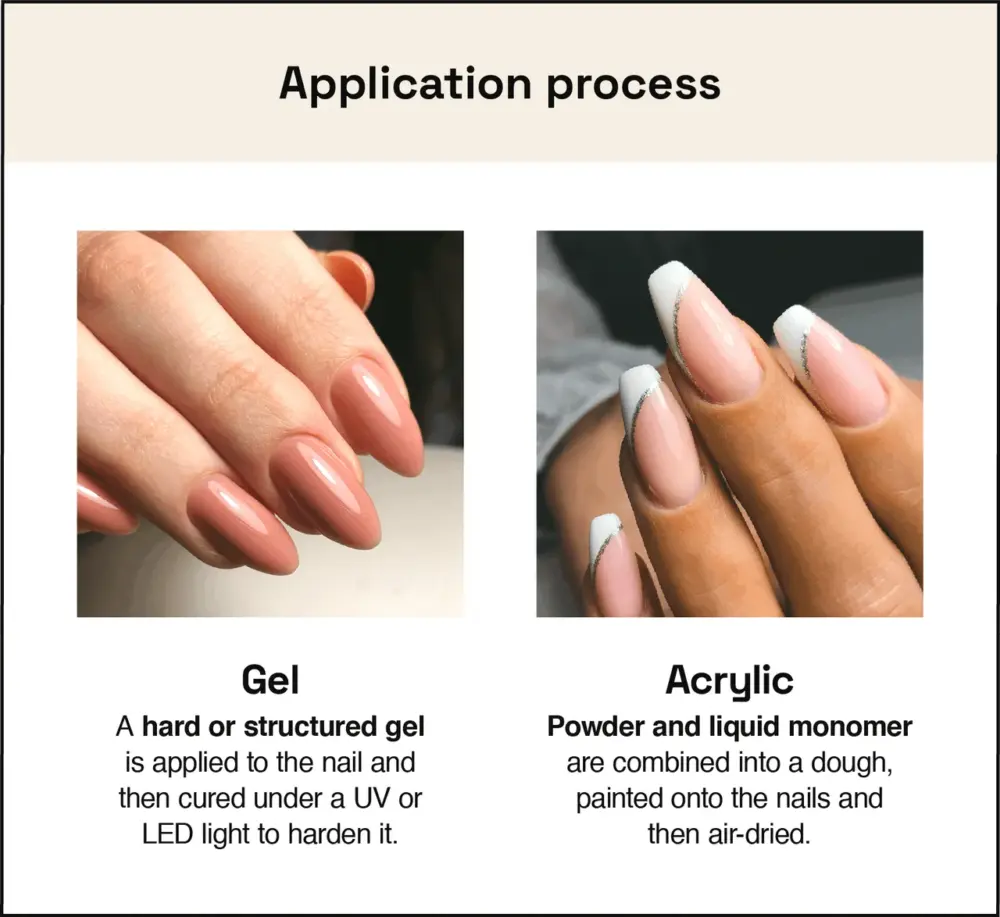
Gel and acrylic nails exhibit distinct visual and tactile characteristics, making it easy to differentiate them upon close inspection. Gel nails typically have a glossy, flexible finish, while acrylic nails are harder with a more matte appearance.
To delve deeper into these comparisons, Barber Tall explores the visual and tactile differences between gel and acrylic nails in the sections that follow.
What are the visual and tactile differences between gel and acrylic nails?
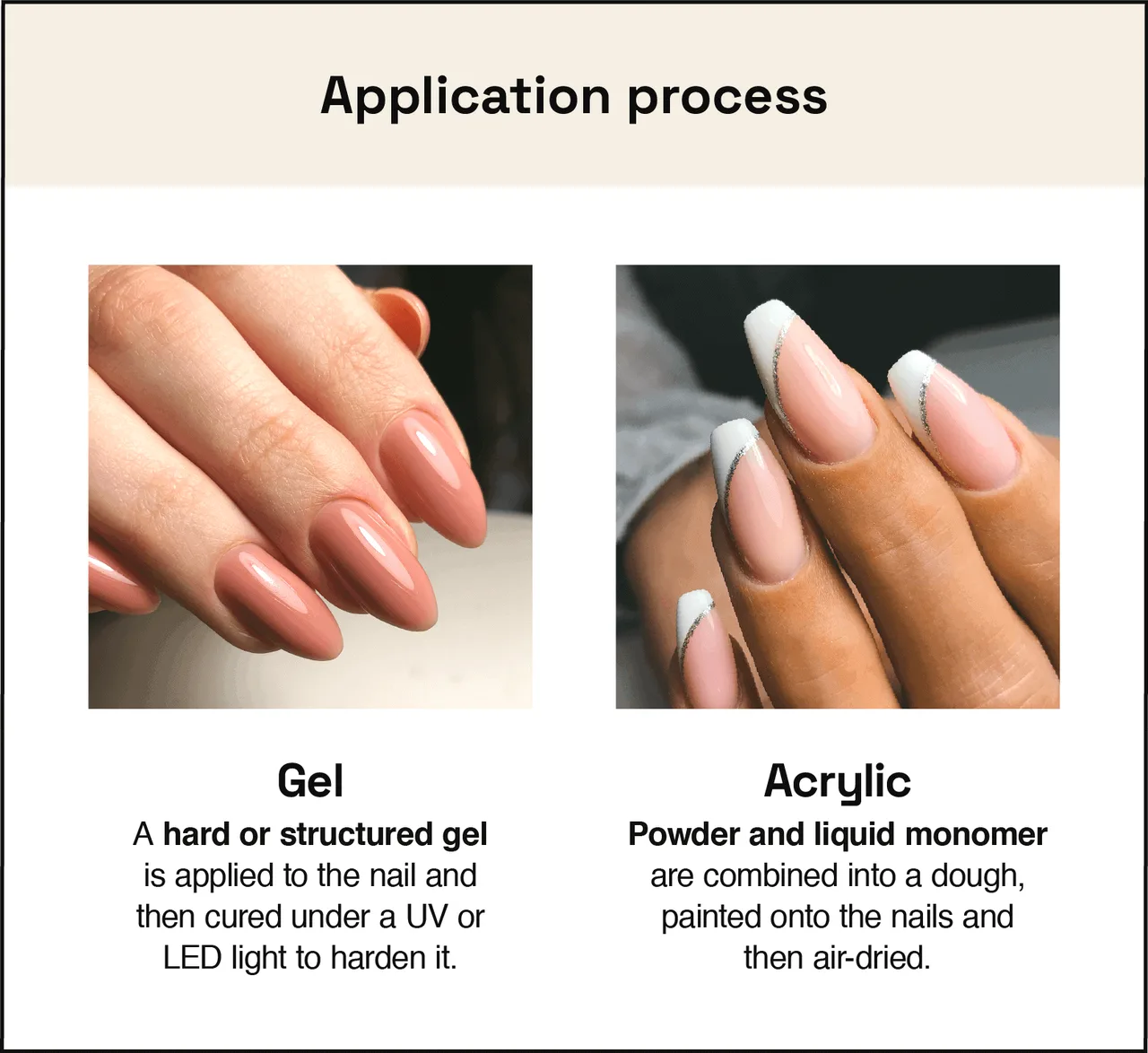
Gel nails exhibit a glossy, flexible, and often thinner appearance, while acrylic nails are typically harder, more rigid, and present a matte finish. Both types offer distinct visual and tactile qualities that contribute to their unique aesthetics and feel on the natural nail. These differences extend to characteristics such as clarity and overall natural look, alongside tactile properties like smoothness.
Do gel nails look more natural than acrylic nails?
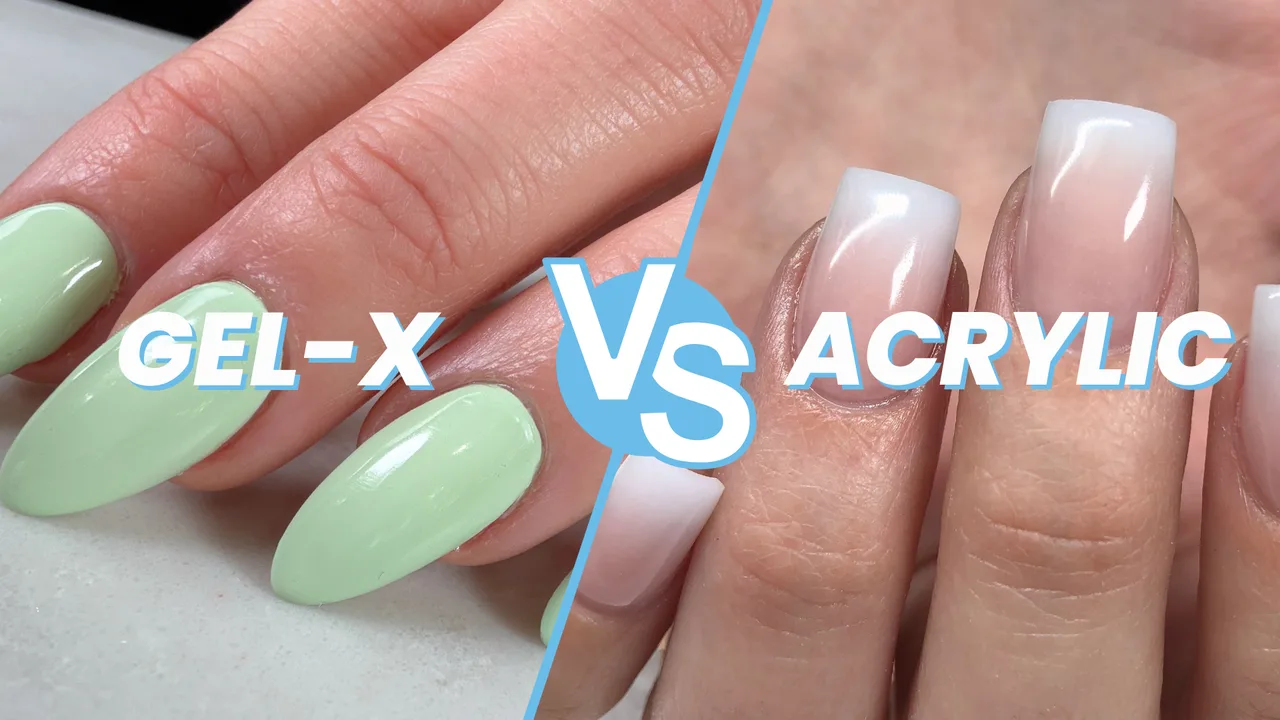
Gel nails generally offer a more natural appearance than acrylic nails due to their flexible, glossy finish, thinner application, and ability to mimic the natural nail’s look. These characteristics contribute to a less bulky and more integrated aesthetic. The inherent flexibility of gel also allows for a more natural feel compared to the rigid nature of acrylics. When applied correctly, gel nails can be virtually indistinguishable from well-maintained natural nails.
Are gel nails shinier than acrylic nails?
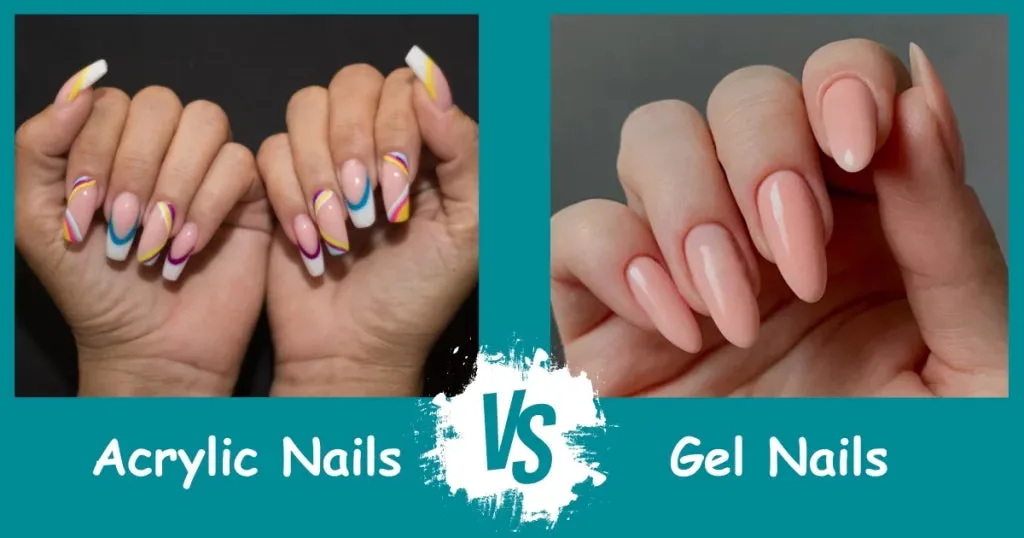
Yes, gel nails are generally shinier than acrylic nails, primarily due to their intrinsic chemical composition and curing process. This distinction arises from gel’s naturally high-gloss finish, its smoother surface, and the way light reflects off its cured layers. The inherent properties of gel polish contribute to a vibrant, reflective sheen that often surpasses the typical finish of acrylics. While acrylics can be buffed to a shine, gel nails naturally possess a more brilliant luster without extensive additional effort.
What is the difference in thickness and flexibility between gel and acrylic nails?
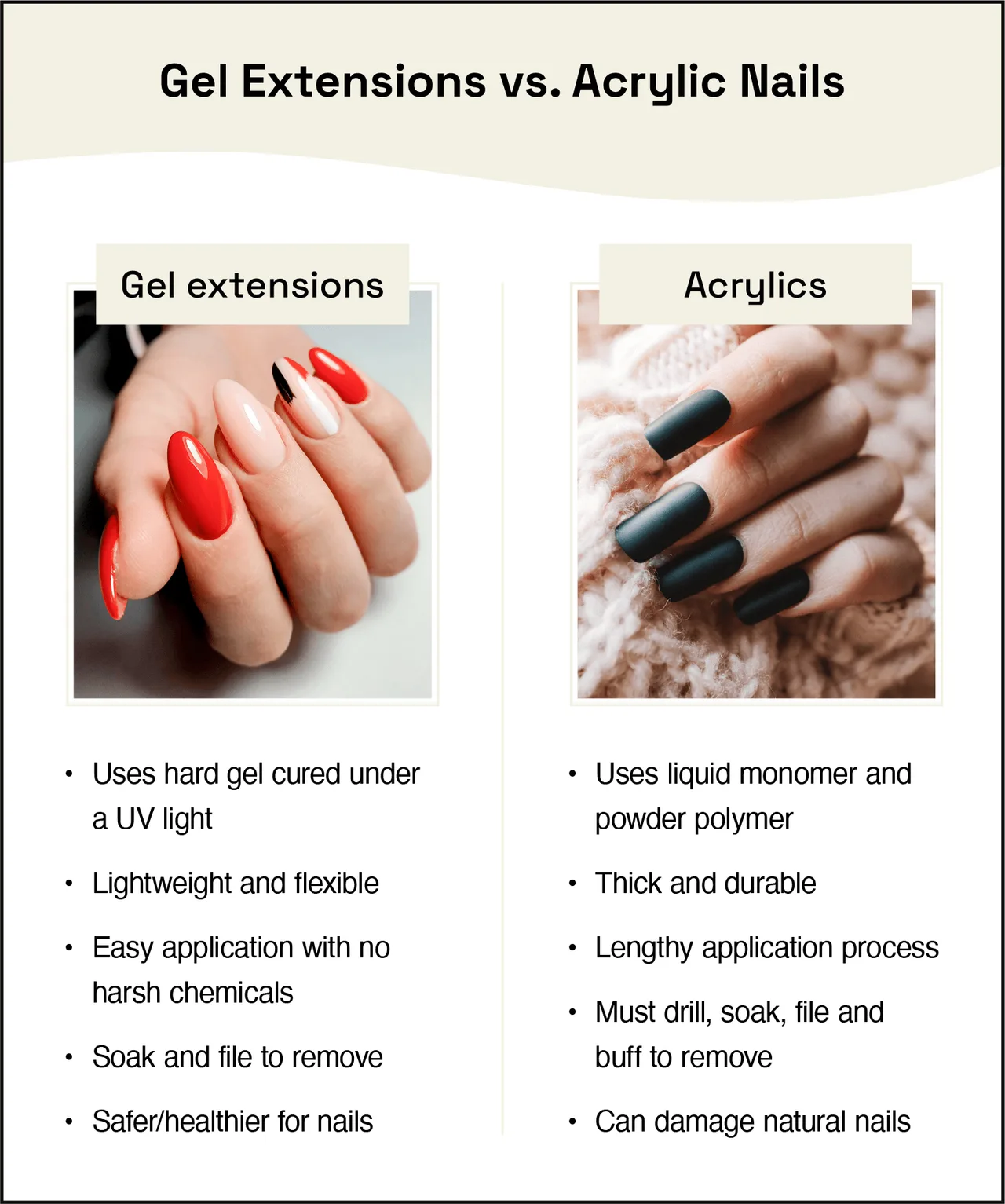
Gel nails are generally thinner and more flexible, while acrylic nails are thicker and more rigid. These distinct characteristics influence their feel and how they perform under stress. Gel nails offer a natural, pliable feel, whereas acrylics provide a harder, more durable surface. This difference in thickness and flexibility impacts overall wear and resistance to various types of damage.
What are the health implications of gel and acrylic nail applications?
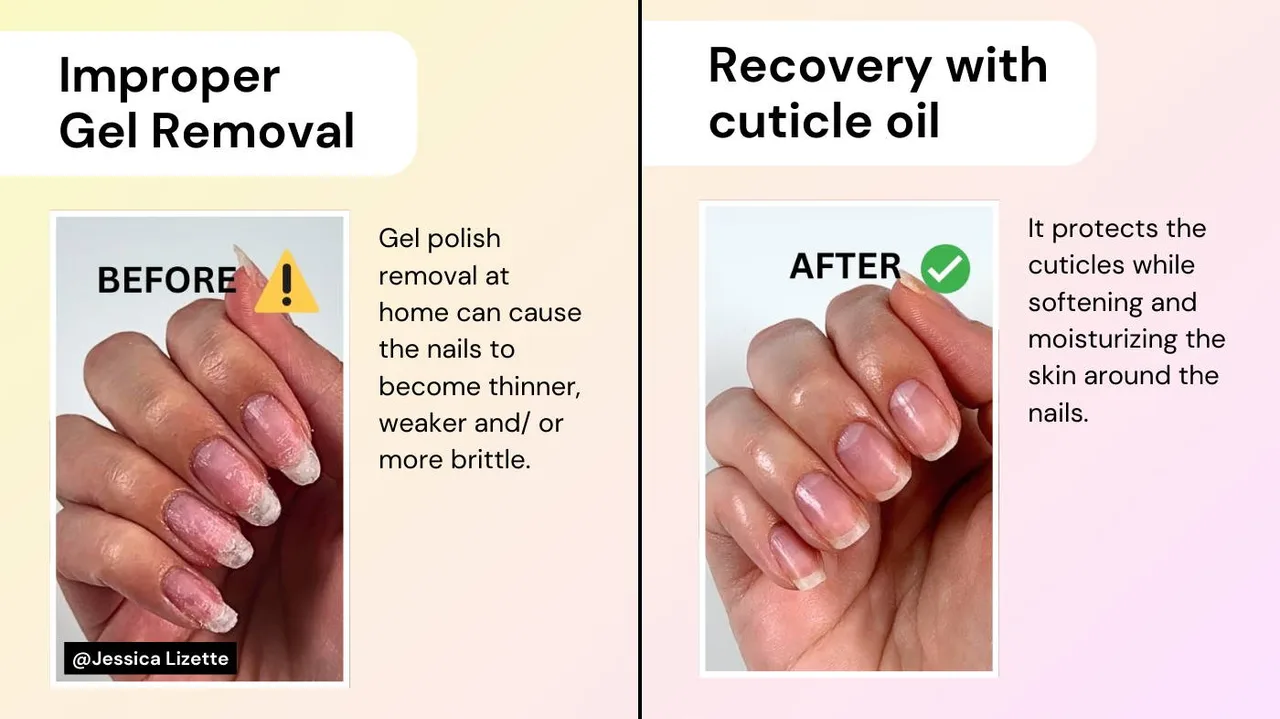
Both gel and acrylic nail applications carry distinct health implications, including potential allergic reactions, exposure to chemicals, and varying impacts on natural nail integrity. These considerations are crucial for understanding the overall safety and well-being of the nails and surrounding skin. Different application and removal processes contribute to the specific health concerns associated with each type.
Are there any health risks associated with UV light exposure for gel nails?
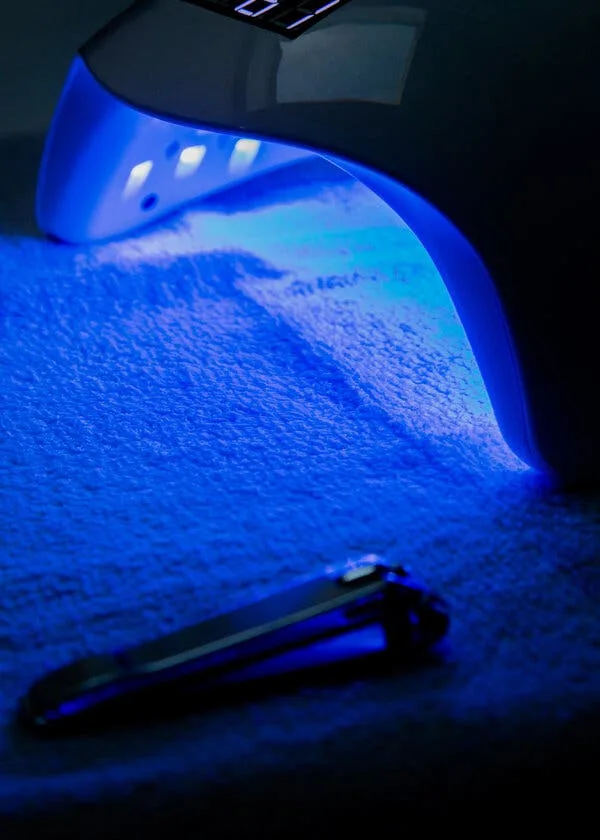
Yes, there are health risks associated with UV light exposure for gel nails, primarily involving potential skin damage, premature aging, and an increased risk of skin cancer. These concerns stem from the ultraviolet radiation emitted by the lamps used to cure gel polish. Addressing these concerns is important for understanding the overall safety and long-term health implications of gel nail applications. Prolonged or frequent exposure to UV light can contribute to various adverse effects on the skin and nails.
What are the potential allergic reactions to gel and acrylic nail products?
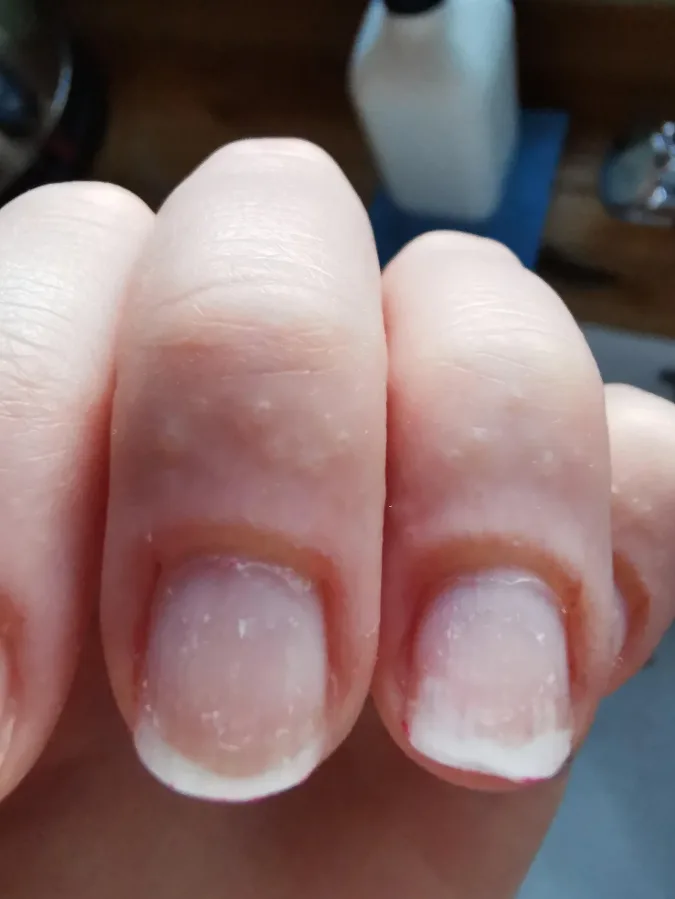
Both gel and acrylic nail products can trigger allergic reactions, often involving specific chemicals found in their formulations. These reactions manifest in various forms, from skin irritation to more severe responses. Understanding the common allergens and types of reactions for each product helps in identifying and preventing potential issues.
How do the durability and longevity of gel and acrylic nails compare?
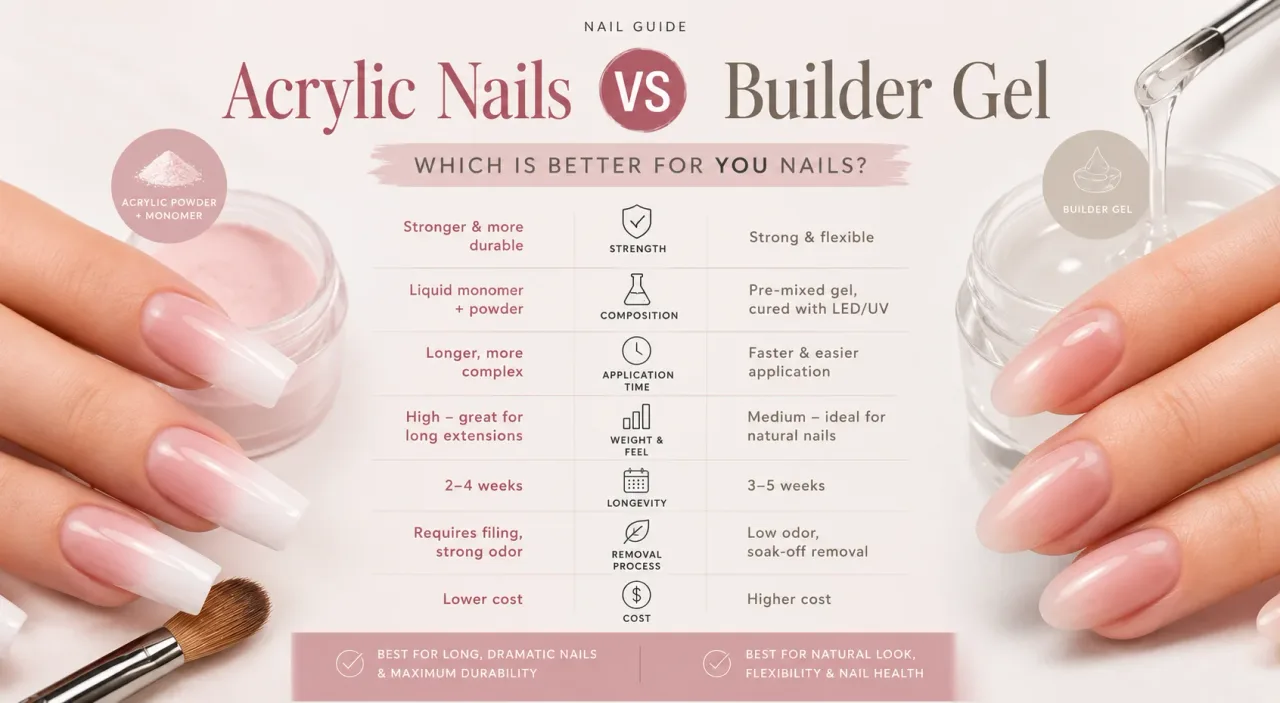
Gel nails are generally more flexible and chip-resistant, while acrylic nails offer superior rigidity and impact durability, influencing their overall lifespan. Both types present distinct attributes concerning longevity and resilience. These differences extend to their typical lifespan, resistance to chipping, and overall strength under various conditions.
Which type of nail is more prone to chipping: gel or acrylic?
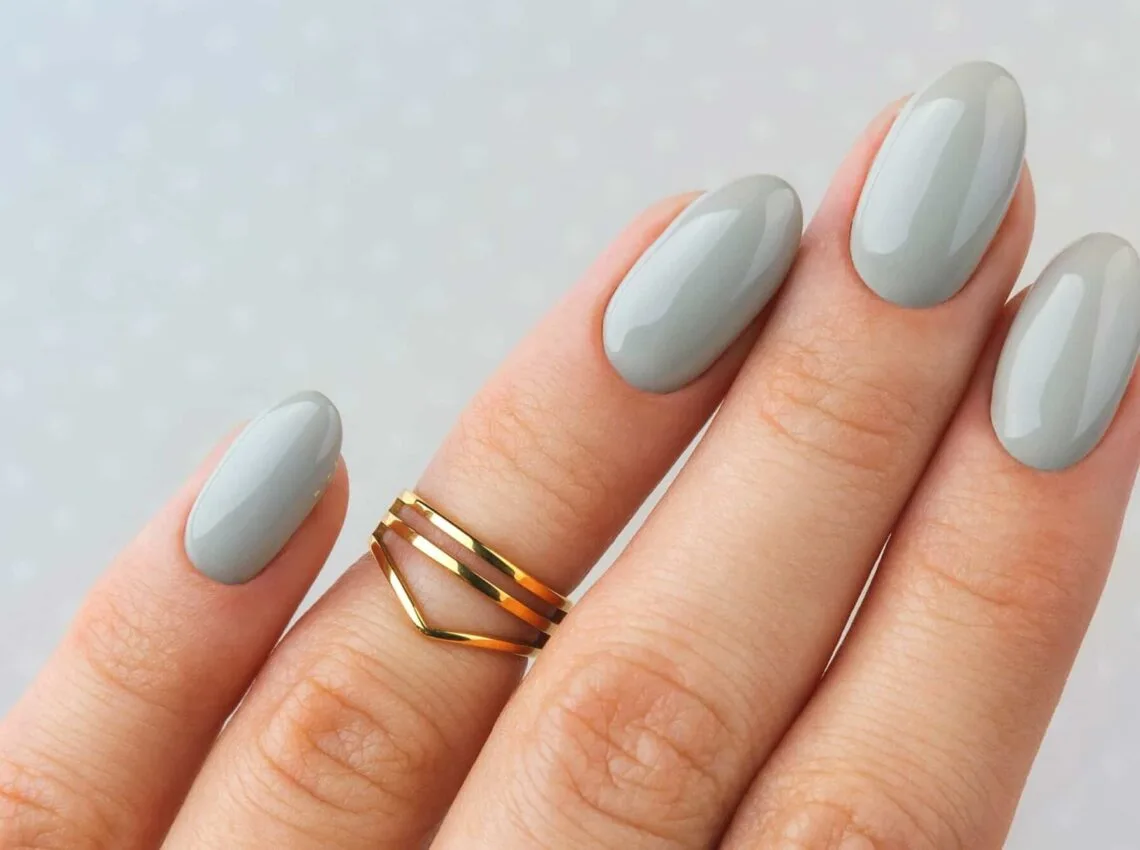
Gel nails are generally more prone to chipping than acrylic nails due to their inherent flexibility. This difference in chip resistance is influenced by the distinct compositions and application methods of each nail type. While gel nails offer a natural feel, their flexibility can make them susceptible to chipping under certain conditions. Acrylic nails, being more rigid, typically resist chipping by being less prone to bending or flexing with impacts.
What is the average wear time for gel nails versus acrylic nails?
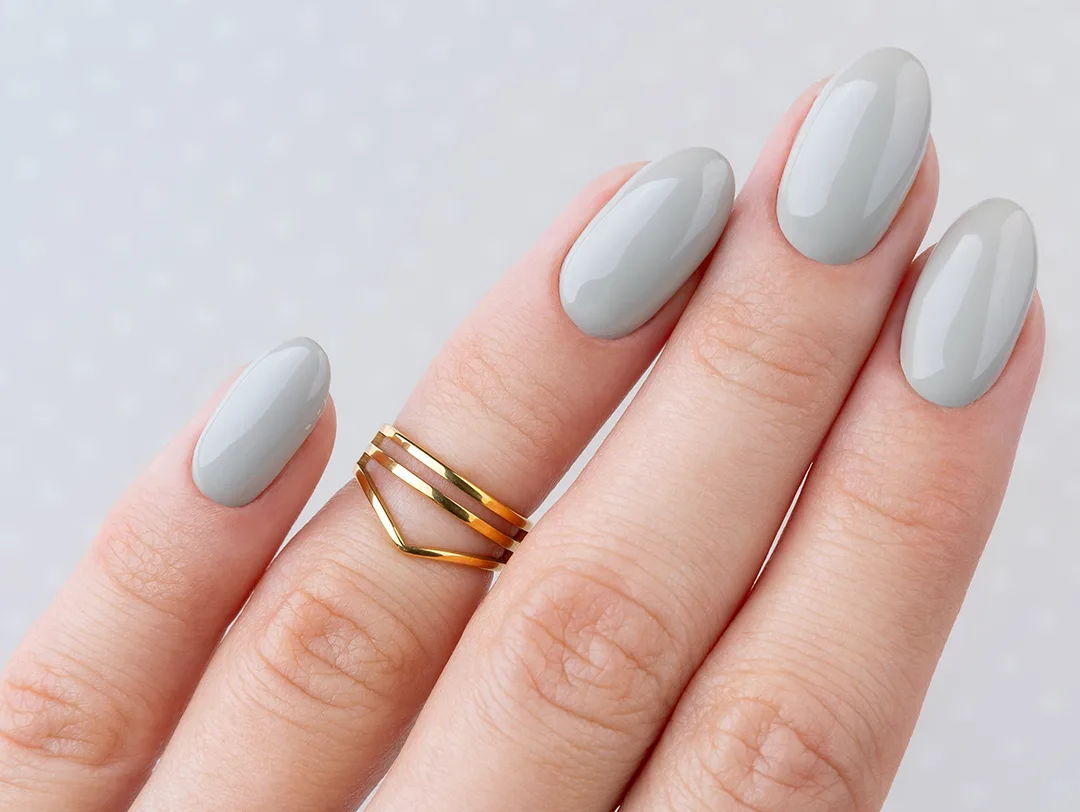
Gel nails typically last around 2-3 weeks, while acrylic nails generally maintain their appearance for 3-4 weeks before requiring maintenance. These differences in wear time are influenced by the inherent properties and application methods of each nail type. Understanding these durations helps in scheduling salon visits and managing expectations for nail upkeep.
What are the cost differences between gel and acrylic nail services?
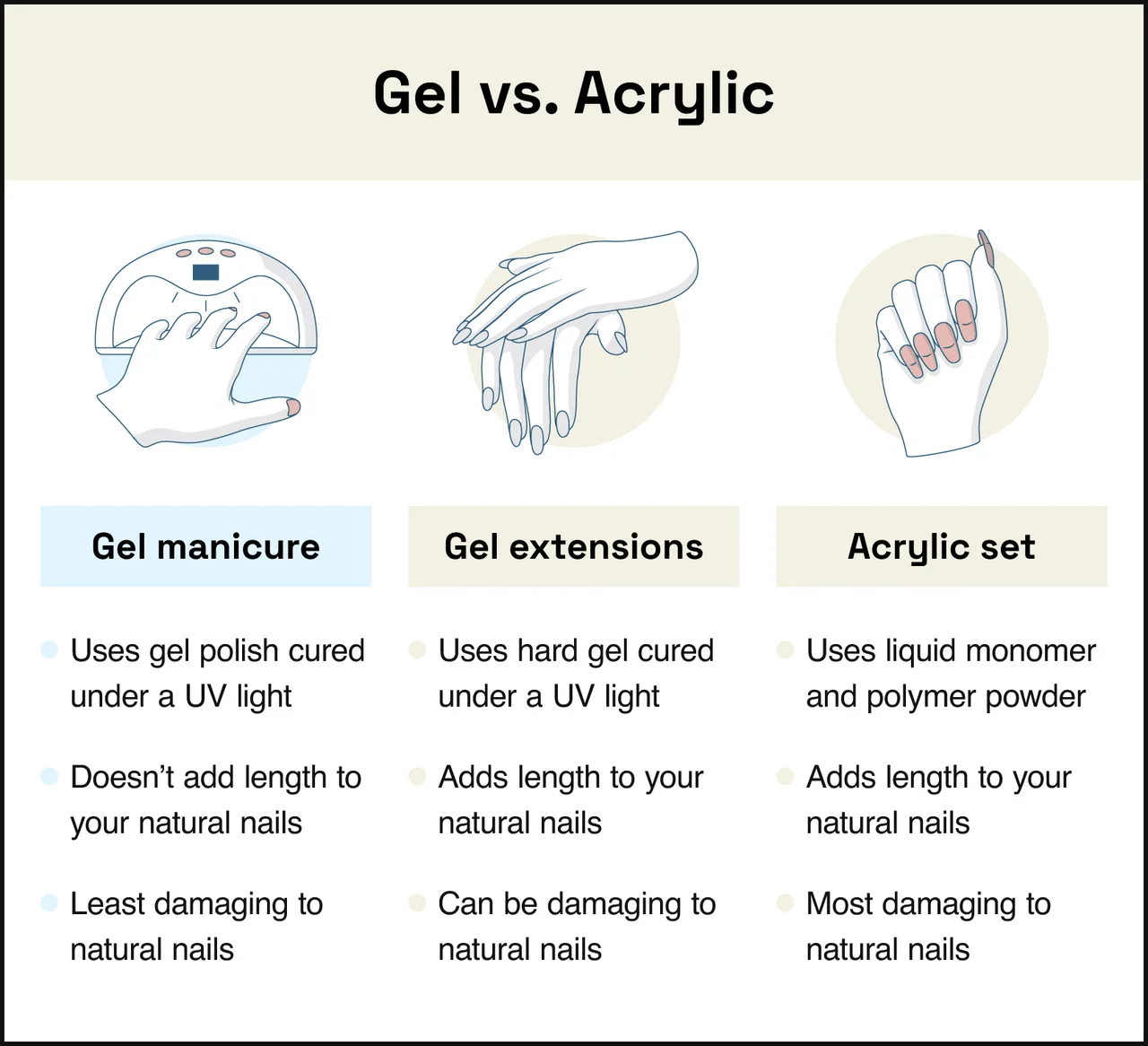
Gel nails generally have higher initial application costs, while acrylic nails often incur greater ongoing maintenance expenses. These cost differences arise from variations in materials, application time, and the frequency of necessary upkeep. Both types of nail enhancements present distinct financial considerations, influencing overall expenditure for consumers.
Is the initial application of gel nails more expensive than acrylic nails?
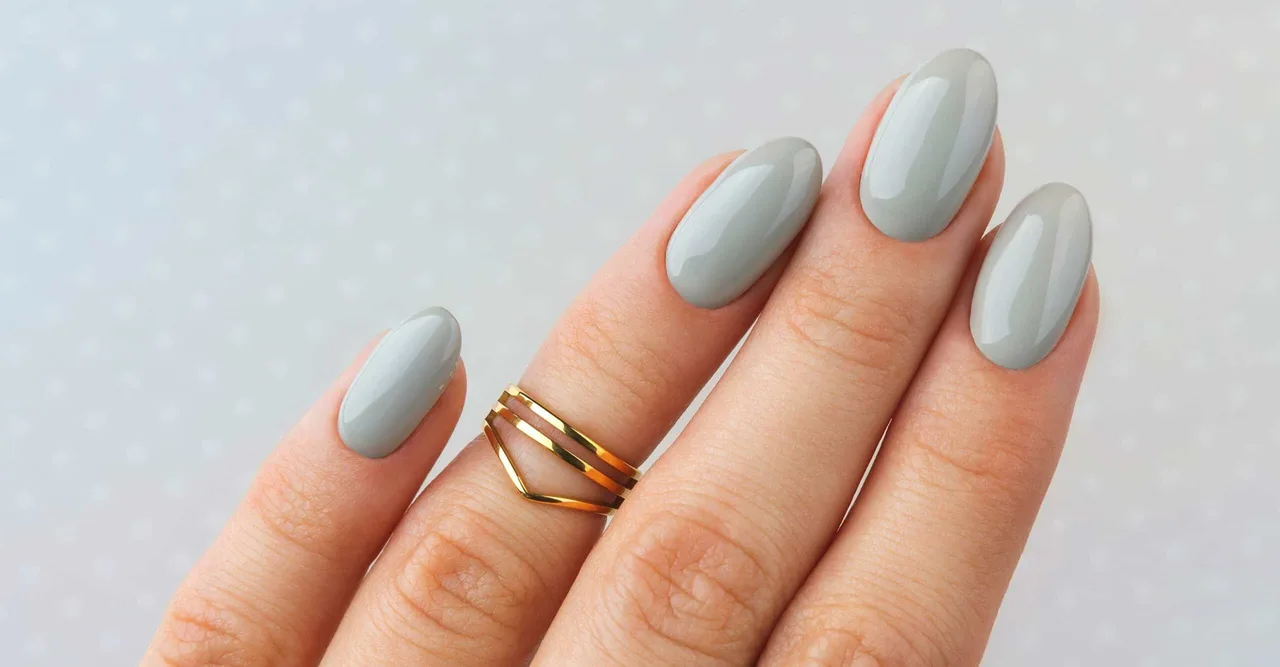
Yes, the initial application of gel nails is generally more expensive than acrylic nails due to factors like material cost, curing technology, and specialized application techniques. This difference in initial investment is a key consideration when choosing between the two nail enhancement types. The average price for an initial gel nail application typically falls within the range of $50-$70, while acrylic nail applications typically range from $30-$50. These figures reflect the average cost for a full set at most salons.
How do the refill and maintenance costs compare for gel versus acrylic nails?
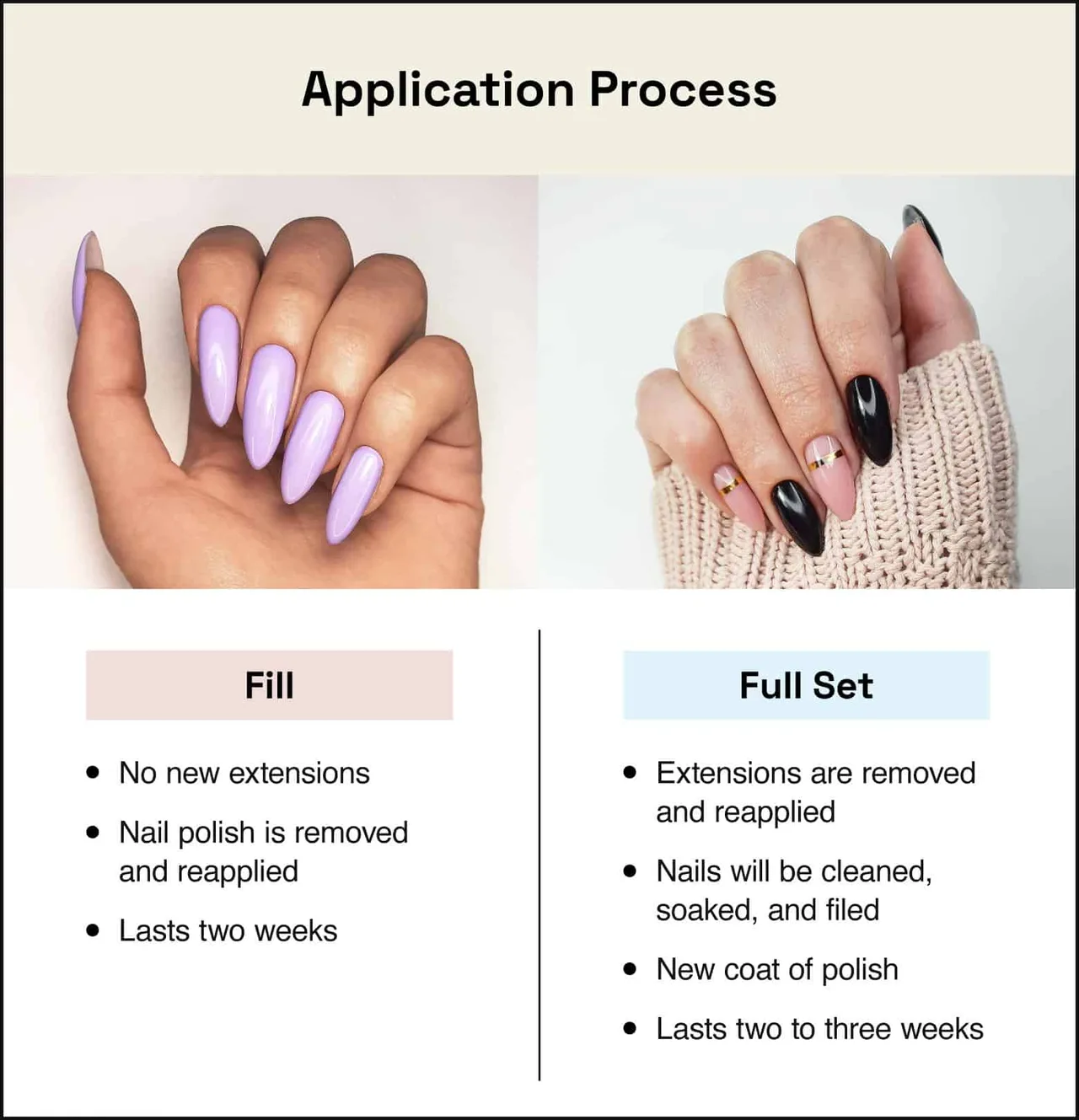
Gel nails generally have lower refill and maintenance costs compared to acrylic nails, which often require more frequent and extensive upkeep. These differences stem from the distinct nature of their application, removal, and overall wear. Gel nails typically involve less material and time for refills, while acrylics often need more intensive repairs or full reapplication as they grow out and are more prone to lifting.
What are the unique odor characteristics of gel versus acrylic nail products?
Gel nails typically have a minimal or no discernible odor, while acrylic nails are characterized by a strong, distinct chemical smell during application. These differences in odor characteristics are primarily due to the distinct chemical compositions and curing processes of each product. Understanding these odor profiles assists in preparing for the application experience and identifying the type of nail product used.
Does the odor from acrylic nail application pose health concerns?
Yes, the odor from acrylic nail application poses health concerns due to the presence of volatile organic compounds (VOCs) and other chemicals, which can impact respiratory health and trigger allergic reactions. These concerns are primarily linked to exposure to strong fumes emitted during the mixing and application process. Understanding these potential impacts helps in ensuring safety for both clients and technicians.
Conclusion
Ultimately, while both gel and acrylic nails offer unique benefits, their distinctions are clear in appearance, feel, and practicalities. Gel nails provide a glossy, flexible, and more natural look with less odor, while acrylics offer a harder, more rigid, and durable finish. Understanding these core differences in visual and tactile qualities, health implications, durability, and cost allows individuals to make an informed choice based on their preferences and lifestyle.