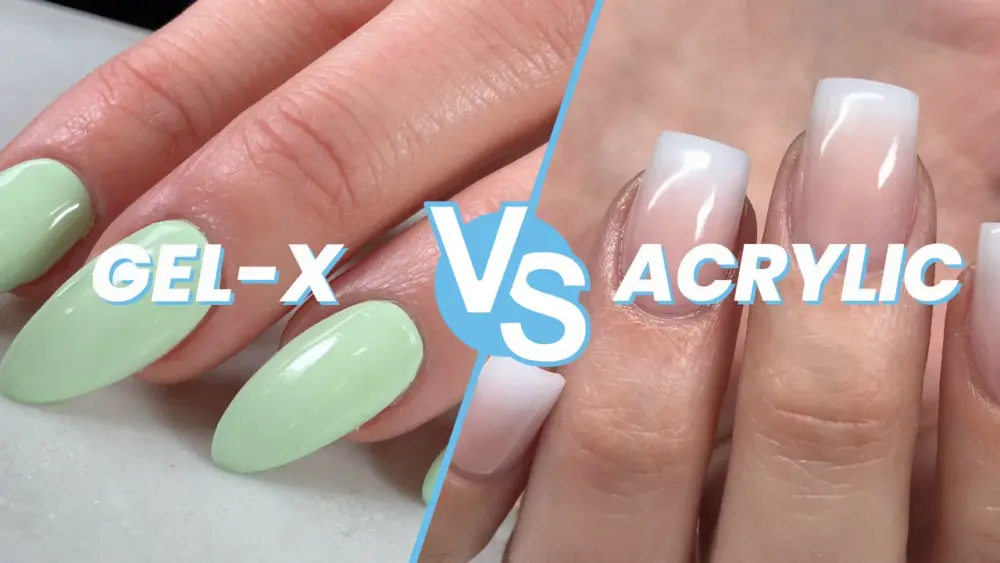
Gel-X and acrylics offer distinct nail extension methods. Gel-X uses pre-shaped soft gel tips, while acrylics combine liquid monomer and powder polymer. This comparison highlights their fundamental differences in application and results.
Gel-X offers a quicker, odor-free application, often at a higher initial cost. Acrylics are more budget-friendly and durable, though they require extensive prep and can emit strong fumes. Both have unique advantages depending on your priorities.
Gel-X is generally healthier for natural nails due to its soak-off removal. Acrylics, if improperly applied or removed, can lead to nail weakening or infections. Health impact largely depends on proper techniques for both.
Gel-X applications cost more upfront but may last up to 3-4 weeks. Acrylics are often more affordable initially and can last 6-8 weeks with fills. Durability and cost vary significantly.
This article will delve into the core differences, pros, and cons of Gel-X and Acrylic nail extensions to help you make an informed choice.
What are the main differences between Gel-X and Acrylic nail extensions?
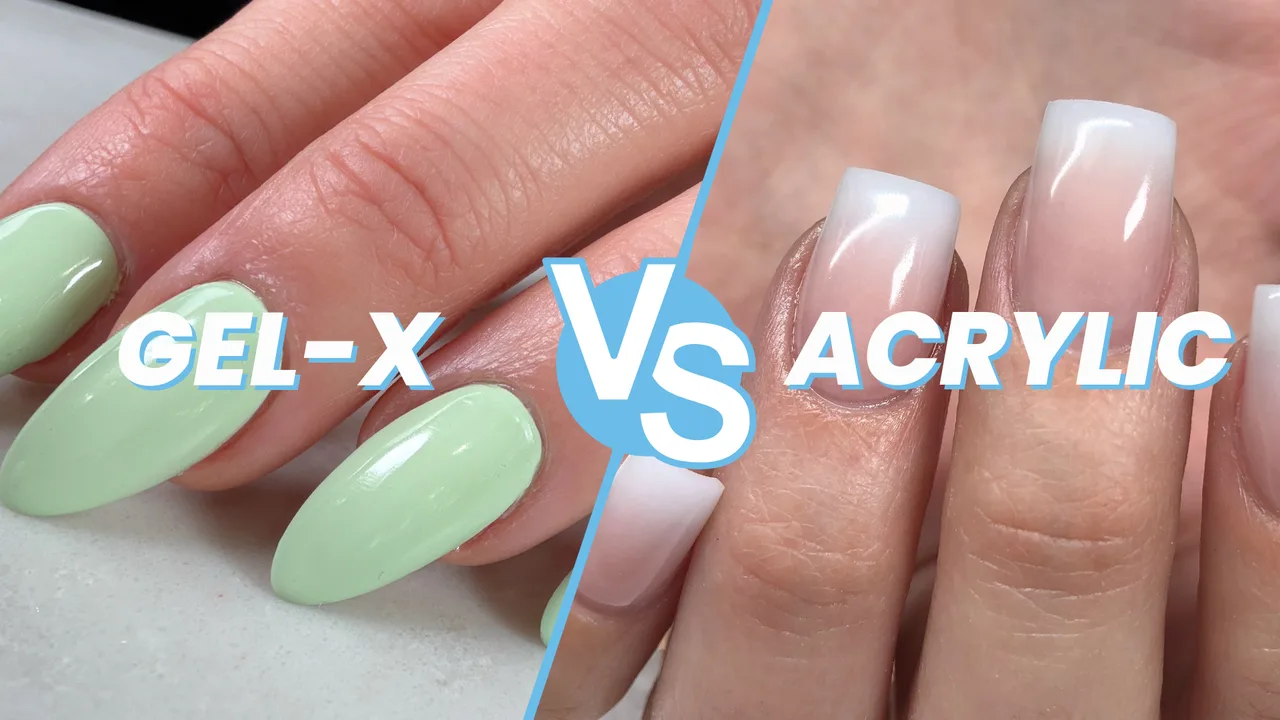
Gel-X and acrylic nail extensions fundamentally differ in their composition, application process, and immediate finish. Gel-X utilizes pre-shaped soft gel tips, adhering them to the natural nail for a seamless, lightweight feel. In contrast, acrylics involve mixing a liquid monomer with a powder polymer directly on the nail to sculpt a durable, hard layer. These distinctions result in varied aesthetics and experiences for the wearer.
What are the pros and cons of Gel-X nails?
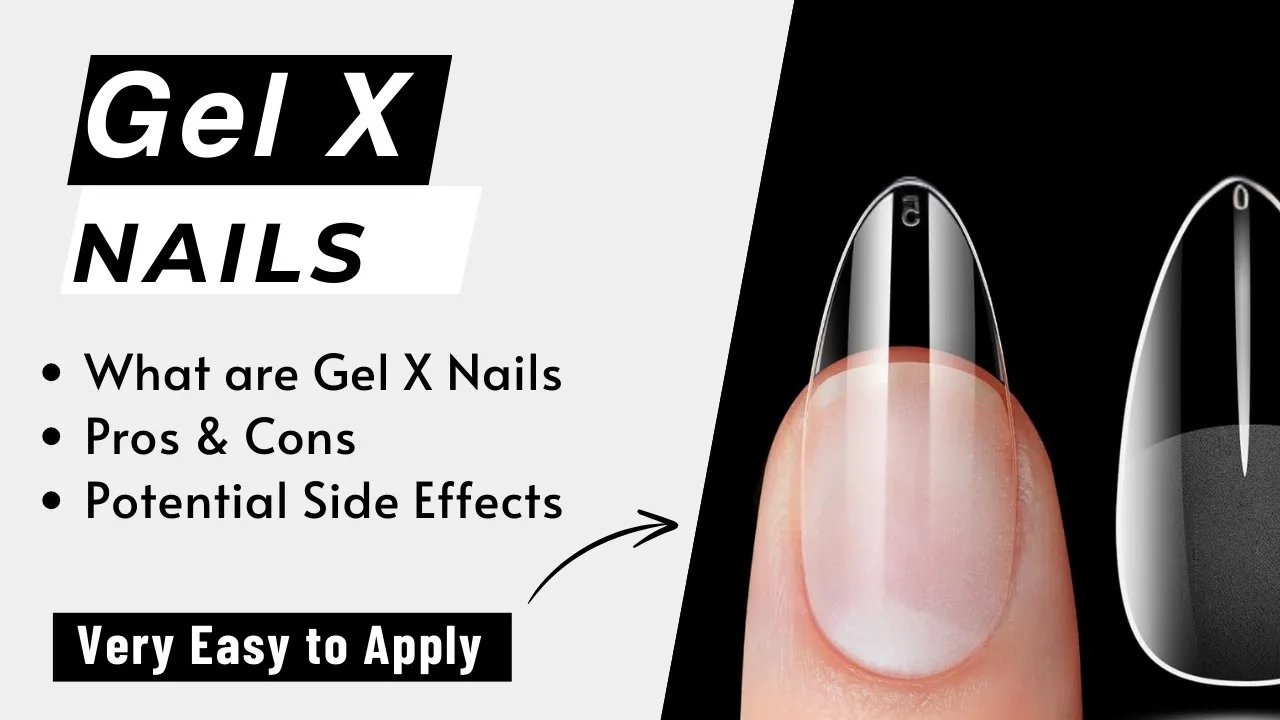
Gel-X nails offer flexibility and a natural feel but present challenges with at-home removal and potential lifting. Gel-X provides several advantages and disadvantages for nail enthusiasts. The benefits include a lightweight and flexible wear that mimics natural nails, and a soak-off removal process that minimizes damage when performed correctly. However, drawbacks include a higher upfront cost and the possibility of lifting if not applied perfectly, requiring professional reapplication. Improper at-home removal can also lead to nail weakening.
What are the pros and cons of Acrylic nails?
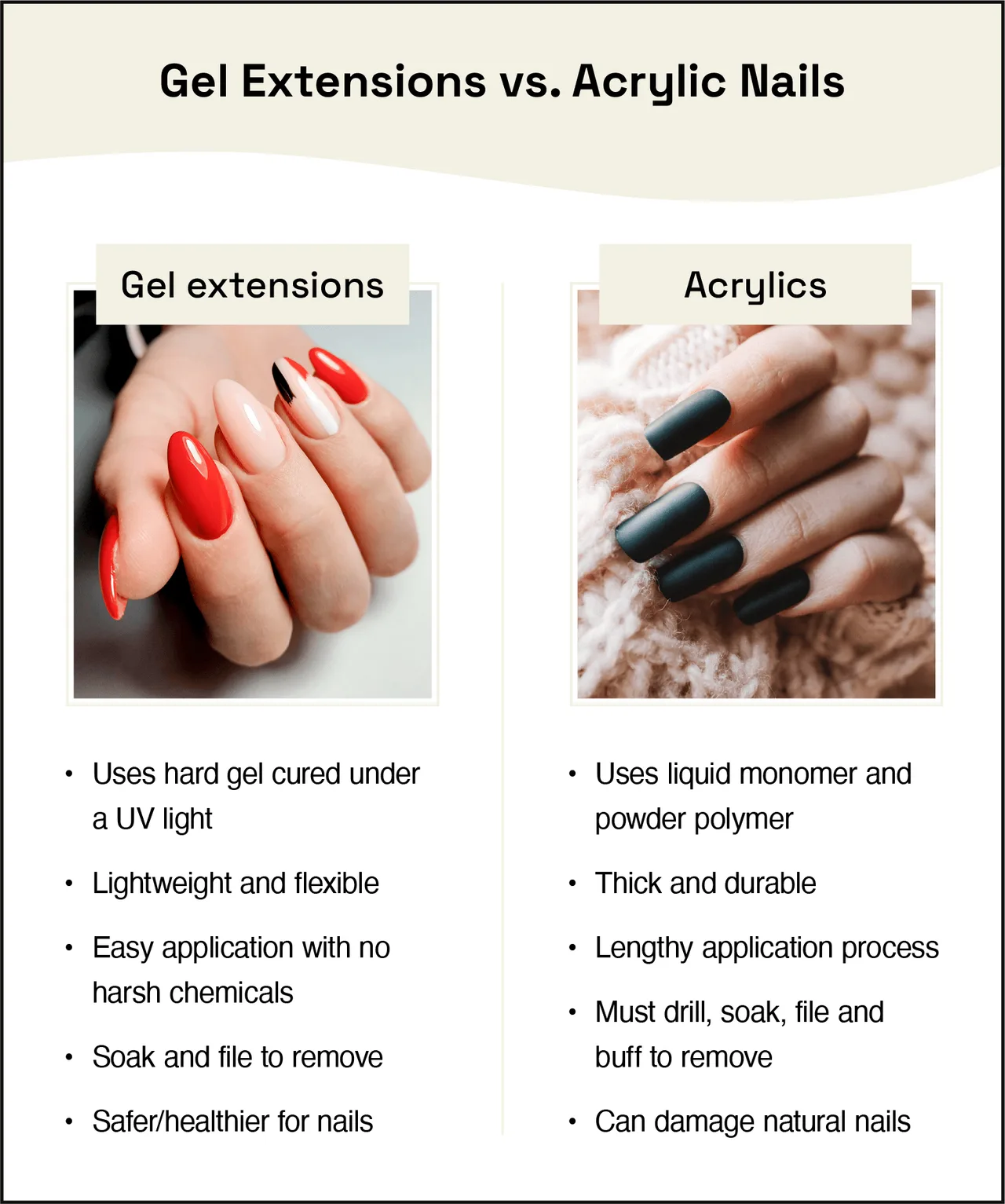
Acrylic nails offer remarkable durability and strength, making them a popular choice. However, they come with potential drawbacks such as significant nail damage if applied or removed incorrectly.
Acrylics provide distinct advantages and disadvantages that influence their suitability for different individuals. The benefits include their remarkable durability, allowing them to last for Acrylics can last for a certain period with proper fills. They also create very strong extensions. Drawbacks involve the potential for significant nail damage if applied or removed incorrectly, a strong chemical odor during application, and a less flexible feel compared to gel options.
Is Gel-X a healthier option compared to Acrylics?
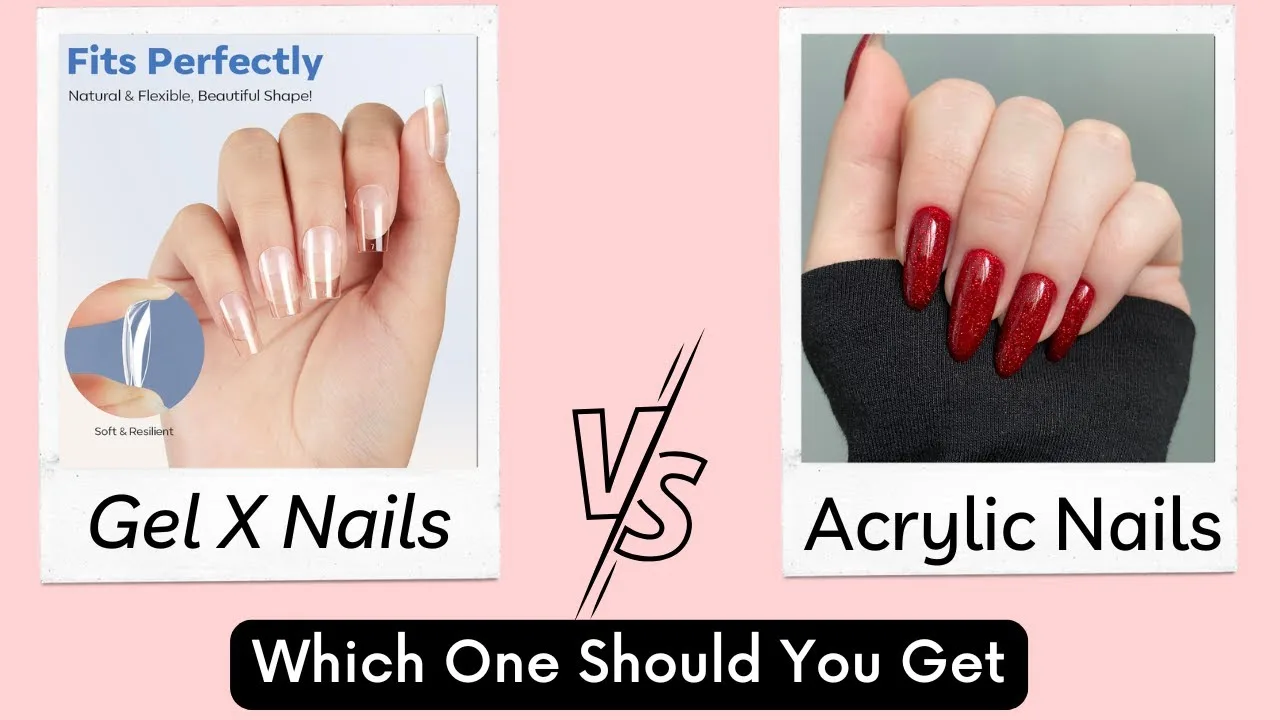
Gel-X is generally considered a healthier option compared to Acrylics due to its gentle application and removal processes, reducing damage to natural nails. The health implications of Gel-X versus Acrylics largely depend on several factors, including the techniques used and the materials involved. Gel-X minimizes aggressive filing and harsh chemicals, which often lead to nail weakening. In contrast, acrylics involve strong chemical odors during application and can cause significant damage if not applied or removed correctly. Additionally, Gel-X requires UV light exposure for curing, which is a consideration for some users, while acrylics do not need UV light. Proper application and removal are paramount for both methods to maintain nail health.
How do Gel-X and Acrylics compare in terms of cost and durability?
Gel-X typically has a higher initial cost and requires full reapplication every 3–4 weeks. Gel-X applications generally cost more initially, with prices starting around $60 per session, and last up to Gel-X nails can last up to 3–4 weeks, according to Aprés Nail. Removal and a complete reapplication are necessary after this period, as Gel-X does not typically involve fills.
In contrast, acrylics are often more affordable upfront and offer longer wear with regular fills. Acrylic nails often have a lower initial cost, generally ranging from $35 to $60, and their durability allows them to last for a certain period with proper fills. Refills for acrylics cost less than a full set, typically around $45, making them potentially more cost-effective over an extended period.
How do Gel-X and Acrylics differ in their chemical composition?
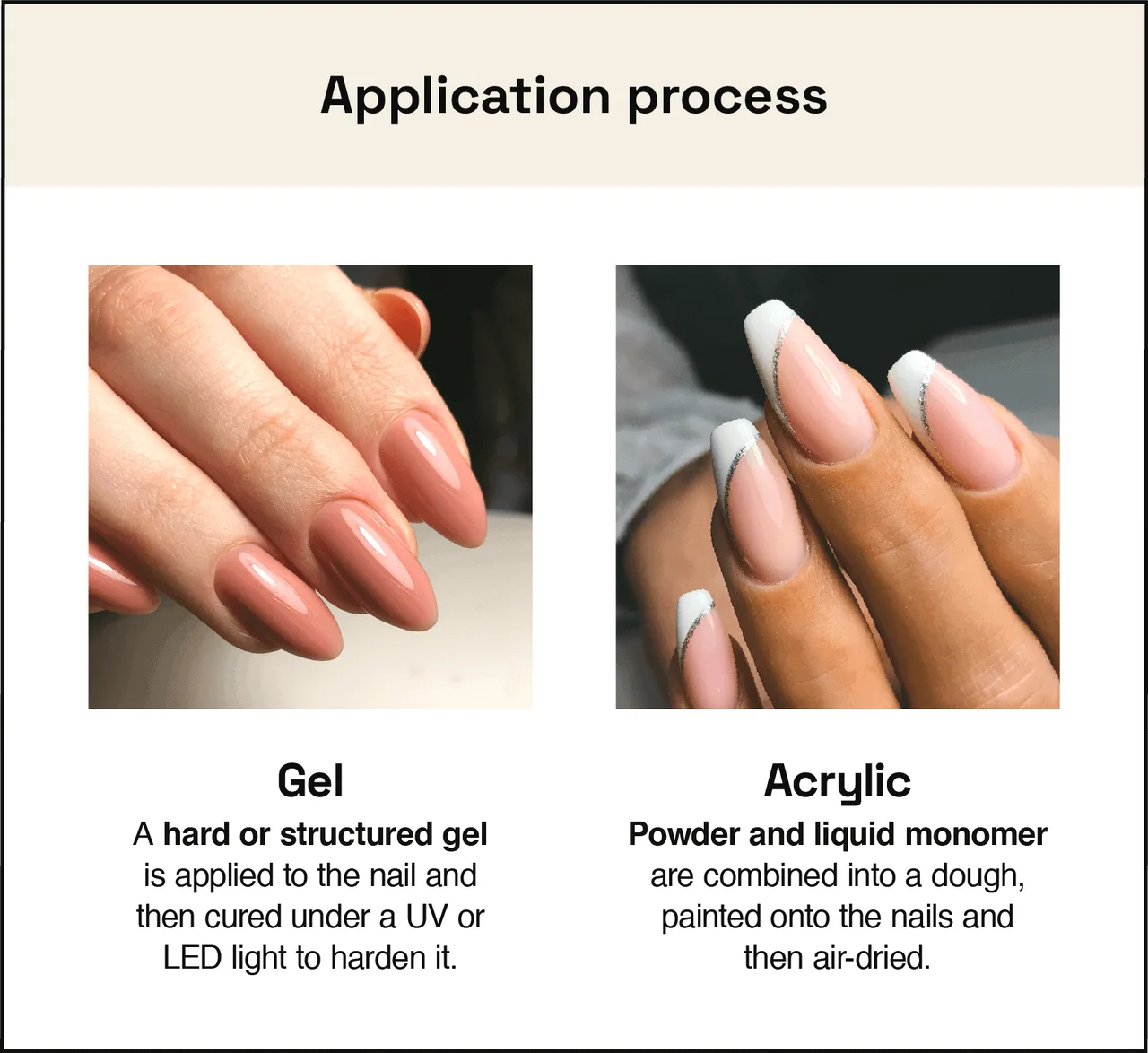
Gel-X is primarily made of a pre-sculpted soft gel polymer that is cured under UV/LED light, whereas acrylics are formed from a liquid monomer and powder polymer that harden upon air exposure. These distinct chemical compositions dictate their application methods and resulting properties. Gel-X tips are made of a soft-gel tip extension: a pre-sculpted, flexible gel tip that covers your entire natural nail. This is cured under UV/LED light. In contrast, acrylics involve a chemical reaction between a liquid monomer, primarily consisting of ethyl methacrylate (EMA), and a powder polymer, often polymethyl methacrylate. This mixture hardens upon exposure to air, forming a rigid structure.
Conclusion
Ultimately, choosing between Gel-X and acrylic nails depends on individual priorities regarding application, cost, durability, and nail health. Gel-X offers a lightweight, flexible feel with a gentler removal process, appealing to those seeking minimal damage and an odor-free experience. Conversely, acrylics provide superior strength and longevity, often at a lower initial cost, making them a durable option for extended wear with fills. Both methods require proper application and removal to maintain nail integrity, ensuring a satisfying and healthy nail extension experience.