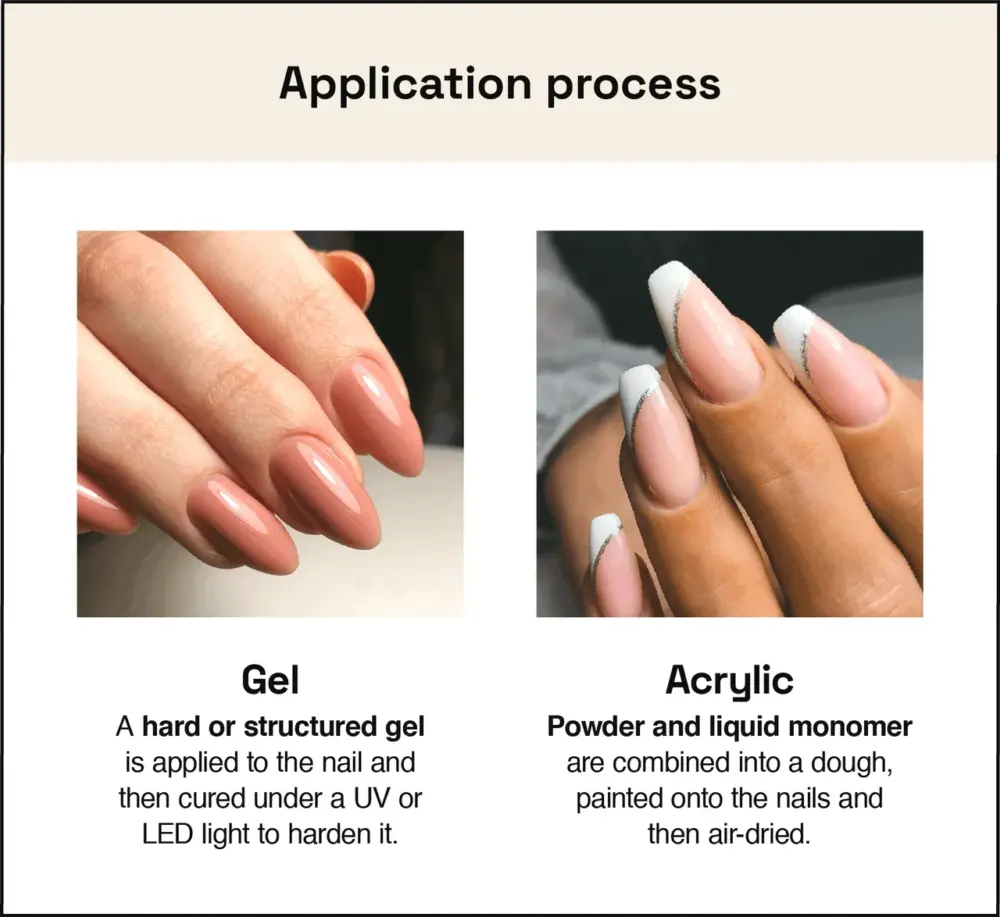
Gel nails and acrylic nails differ primarily in their chemical composition and application process. Both enhance nail appearance. However, gel nails are cured under UV/LED light, whereas acrylics air-dry.
Considering durability and longevity, acrylic nails generally offer greater strength. They can last longer, typically around 3–4 weeks. Gel nails, in contrast, may require more regular refills.
When evaluating the healthiest option, Gel nails are often considered a gentler alternative for your nails than acrylic nails due to their flexibility and easier removal process, potentially minimizing nail plate trauma.
Barber Tall will explore the comprehensive distinctions between these popular nail enhancements, including their pros and cons, to help you make an informed decision.
What are the key differences between gel and acrylic nails?
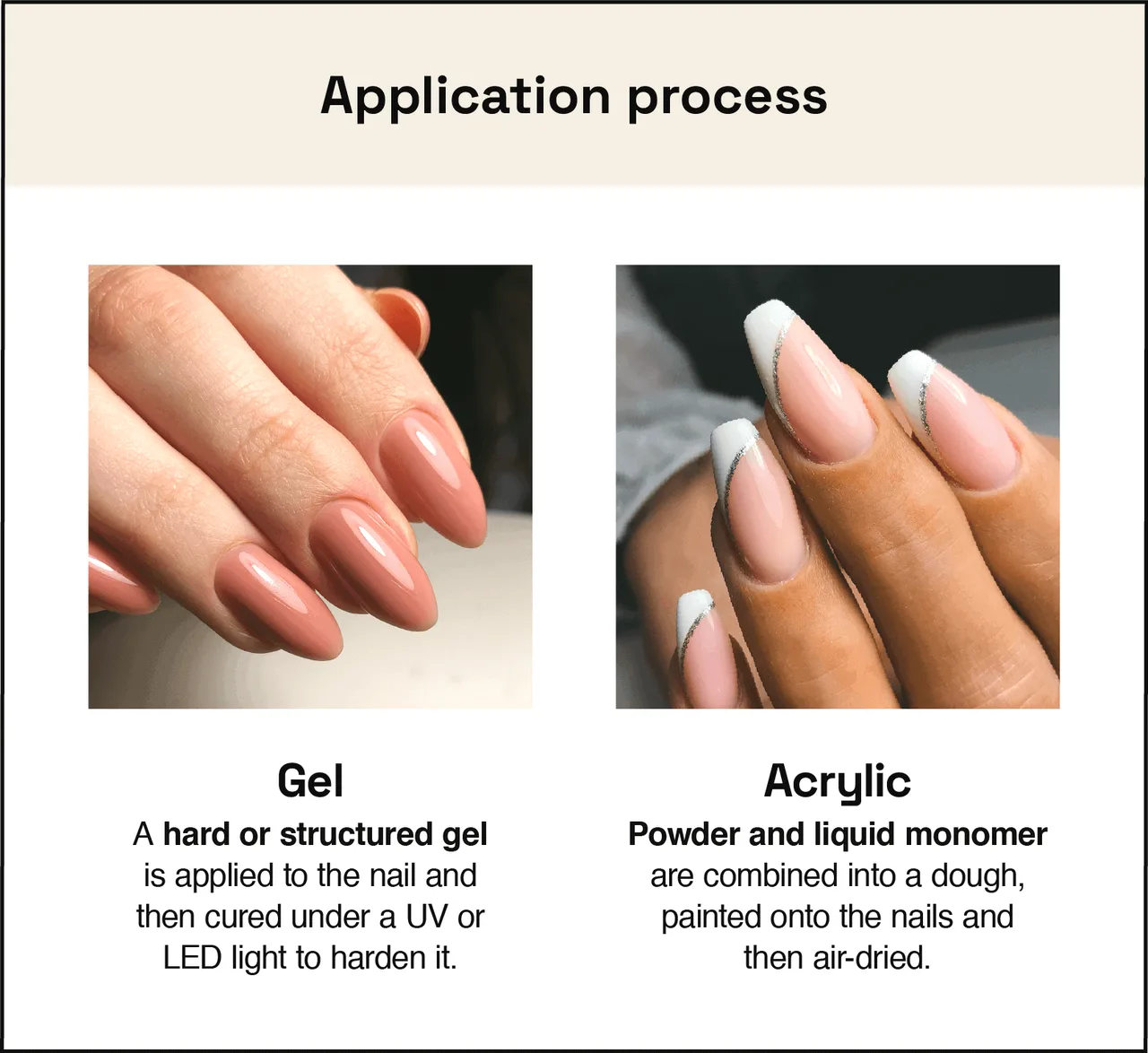
Gel and acrylic nails primarily differ in their chemical composition, application, and removal processes, affecting their durability and aesthetic. Both popular nail enhancements offer unique benefits and drawbacks depending on individual preferences and lifestyle. These distinctions impact the overall health of natural nails and the maintenance required for each type. While both enhance nail appearance, the underlying methods and materials create varied user experiences. Understanding these core differences assists in selecting the most suitable option for nail augmentation.
What are the pros and cons of gel nails?
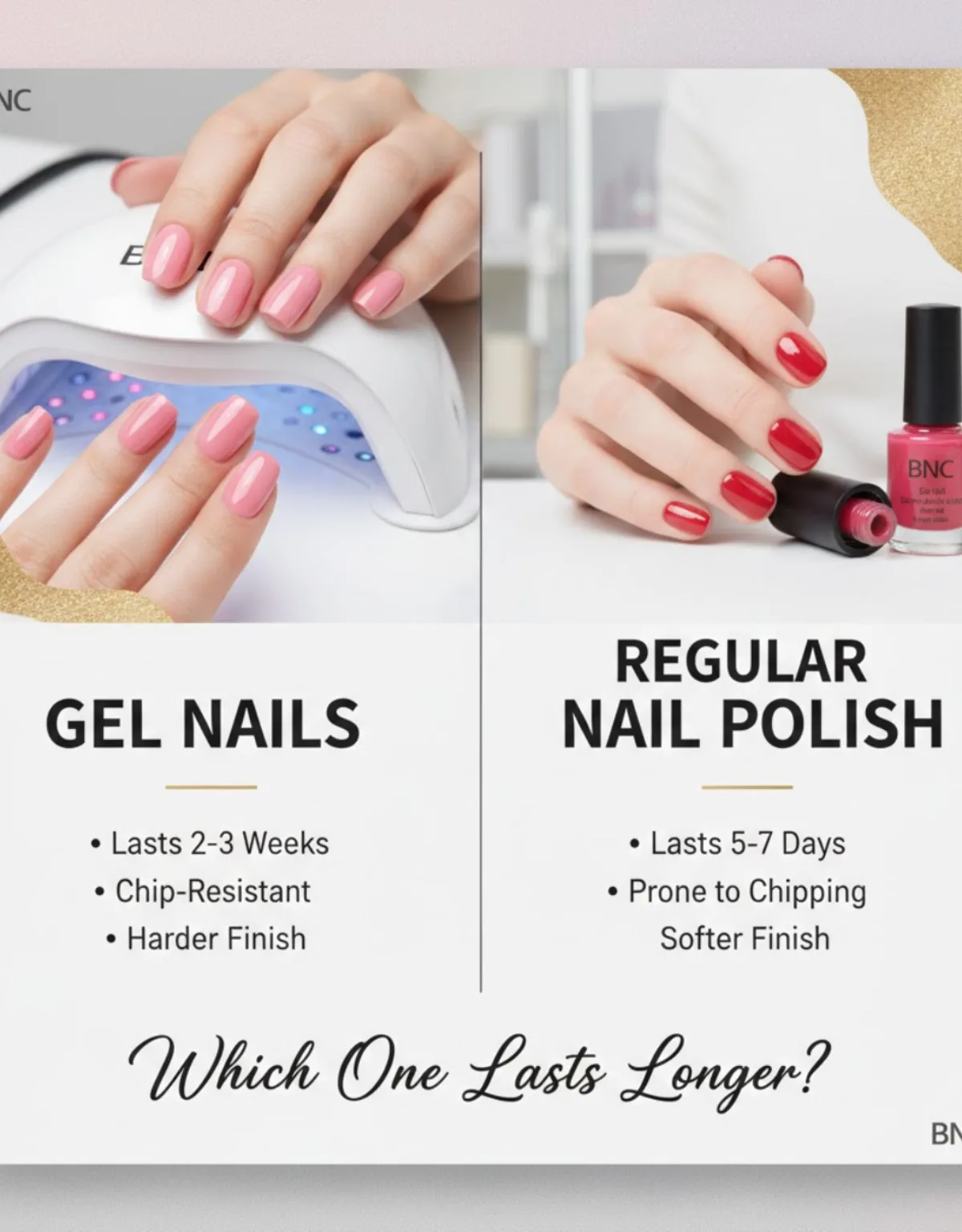
Gel nails offer flexibility and a natural look but require UV/LED light for curing and can be less durable than acrylics. These enhancements provide a glossy finish and are often preferred for their lighter feel on natural nails. However, understanding both their benefits and drawbacks assists in making an informed decision about their suitability.
Gel nails are praised for their natural appearance and flexibility, which minimizes the risk of nail damage, according to SNS Chairs. Additionally, they are odor-free during application, a significant advantage over the strong chemical smell associated with acrylics, according to SNS Chairs. Despite these benefits, gel nails may require regular maintenance. They also demand specialized UV/LED light for curing, making at-home application more challenging without proper equipment, according to Lisanail.vn.
What are the pros and cons of acrylic nails?
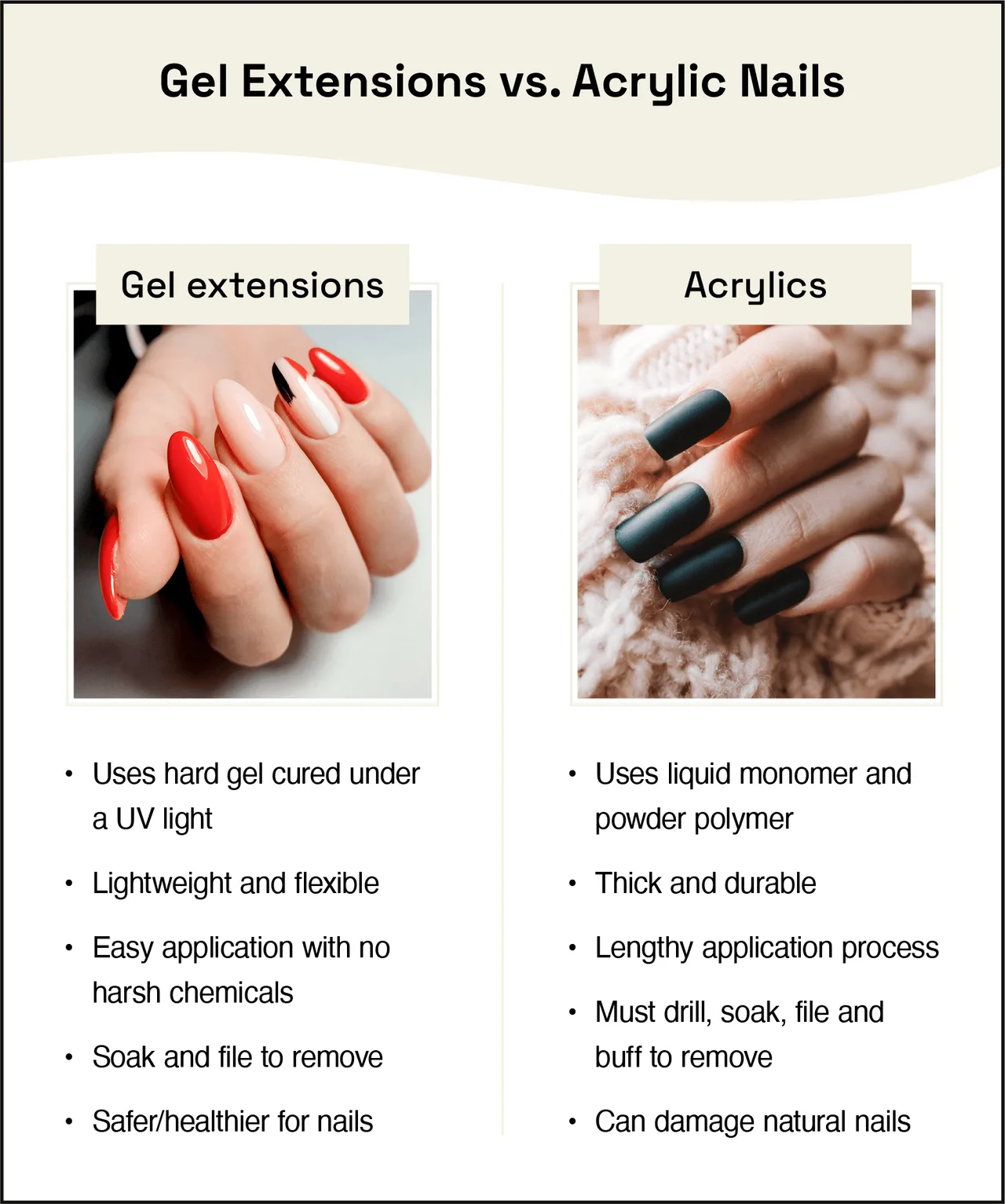
Acrylic nails provide exceptional durability and versatility in design, though they are associated with a strong odor during application and can cause potential damage to natural nails. These enhancements are a long-standing option in nail fashion, known for their robustness. However, understanding both their advantages and disadvantages assists individuals in determining their suitability for nail augmentation. Acrylic nails are favored for their extreme durability, often lasting up to 3-4 weeks without chipping or breaking, according to L’OFFICIEL. They also offer extensive design flexibility, allowing for a wide range of shapes and lengths, according to L’OFFICIEL. However, a significant drawback is the strong chemical odor during application due to the liquid monomer, according to SNS Chairs. Additionally, they can potentially damage the natural nail plate if improperly applied or removed, according to SNS Chairs.
Which lasts longer: gel or acrylic nails?
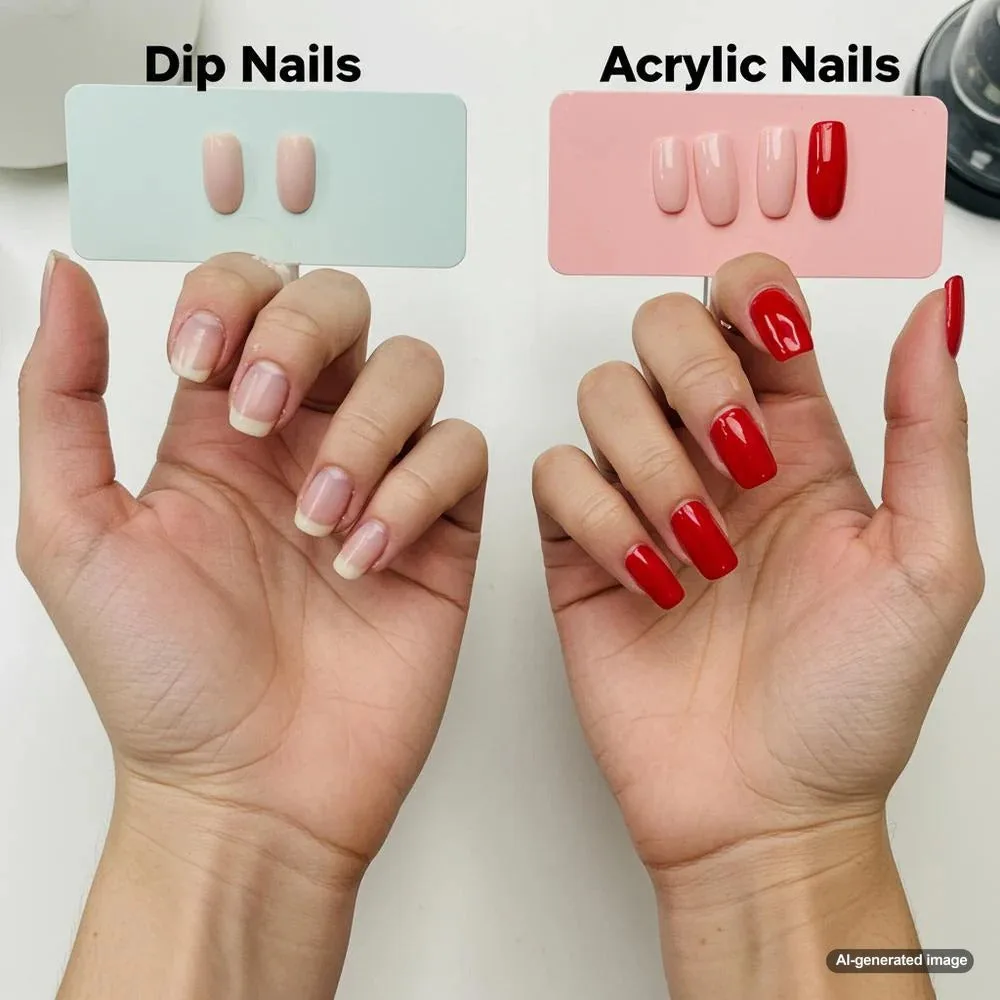
Acrylic nails generally last longer than gel nails. Acrylics typically endure for three to four weeks. Gel nails may require refills more frequently. This difference in longevity stems from their distinct chemical compositions and curing processes. Acrylic nails form a harder, more rigid layer that is less prone to chipping and breakage over extended periods. Gel nails, while flexible, are often softer and show wear sooner. The durability of each type also depends on factors like daily activities and proper maintenance practices.
Are gel or acrylic nails healthier for your natural nails?
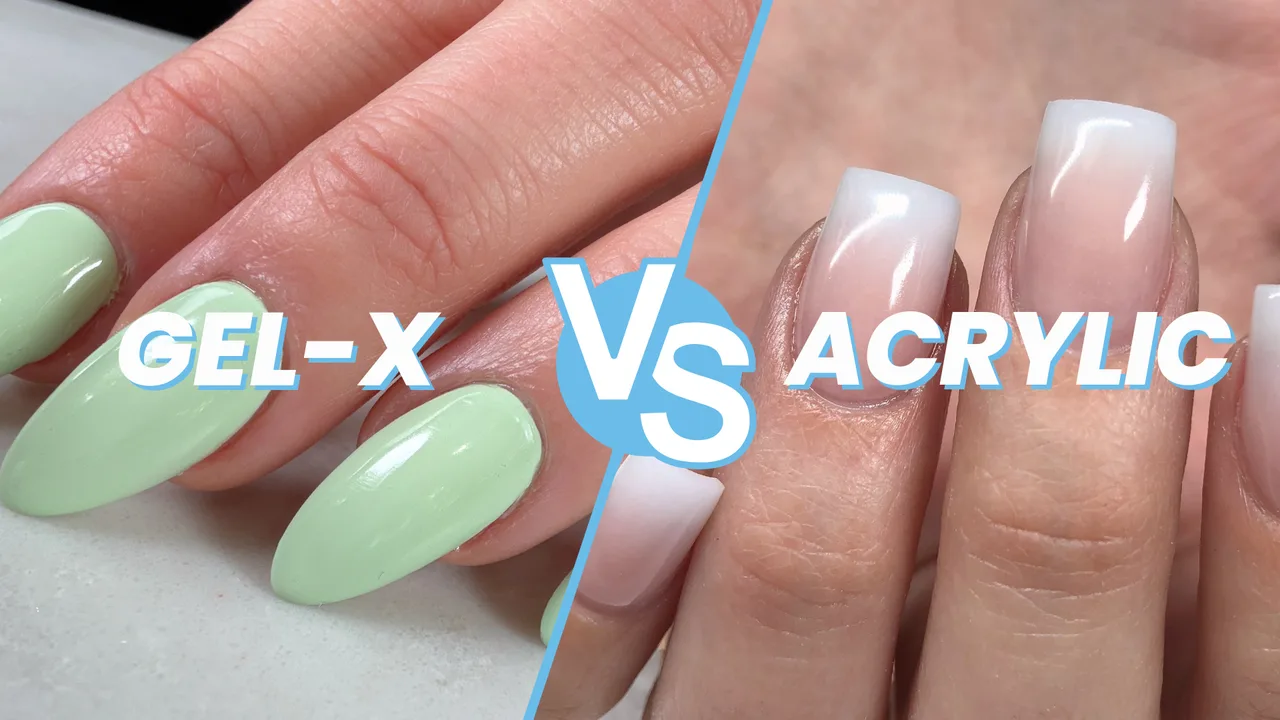
Gel nails are generally healthier for natural nails than acrylic nails due to their flexibility and easier removal process. This distinction significantly impacts the long-term health and integrity of the natural nail plate. Understanding the specific health implications of each type helps users make a more informed decision regarding their nail care choices.
Gel nails promote less damage to the natural nail during application and removal because they do not require aggressive filing or harsh chemicals for soaking, according to Harper’s Bazaar. Additionally, gel nails are odorless during application, eliminating the strong chemical fumes associated with acrylics. Conversely, acrylic nails can cause significant damage to the natural nail if improperly applied or removed, often leading to thinning or breakage, according to Harper’s Bazaar. The removal process for acrylics typically involves soaking in acetone for an extended period, which can dehydrate and weaken the natural nails, according to Harper’s Bazaar.
Does the removal process differ for gel and acrylic nails?
Yes, removal processes for gel and acrylic nails differ significantly due to their distinct compositions and curing methods. Gel nails often require soaking in acetone or filing, while acrylics typically necessitate extended acetone soaking. These variations impact potential nail damage and the overall health of the natural nail plate. Understanding these differences is crucial for proper nail care.
Conclusion
Ultimately, choosing between gel and acrylic nails hinges on prioritizing specific needs, as they primarily differ in chemical composition, application, and durability. Gel nails offer a more natural look and are considered healthier for natural nails due to their flexible nature and easier removal. In contrast, acrylic nails provide superior strength and longevity, lasting typically three to four weeks, making them ideal for those seeking maximum durability. Each option presents unique benefits and drawbacks concerning maintenance, odor during application, and potential impact on natural nail health.