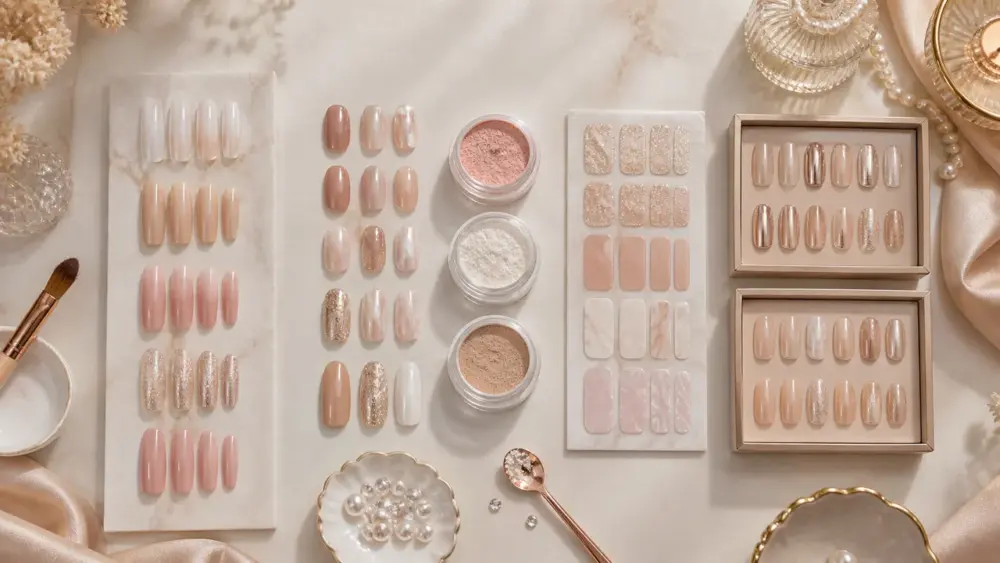
Fake nails offer diverse materials like acrylic, gel, and dip powder, each providing unique benefits and aesthetics. Understanding these variations is key to achieving your desired nail look.
The best type of fake nail depends on individual preferences for durability, appearance, and application process. Gel nails are generally considered less damaging than acrylics due to their flexibility and gentler removal.
This guide explores the different materials, styles, and enhancements available to help you discover which type of fake nail is best for you.
What Are the Different Materials Used in Fake Nails?
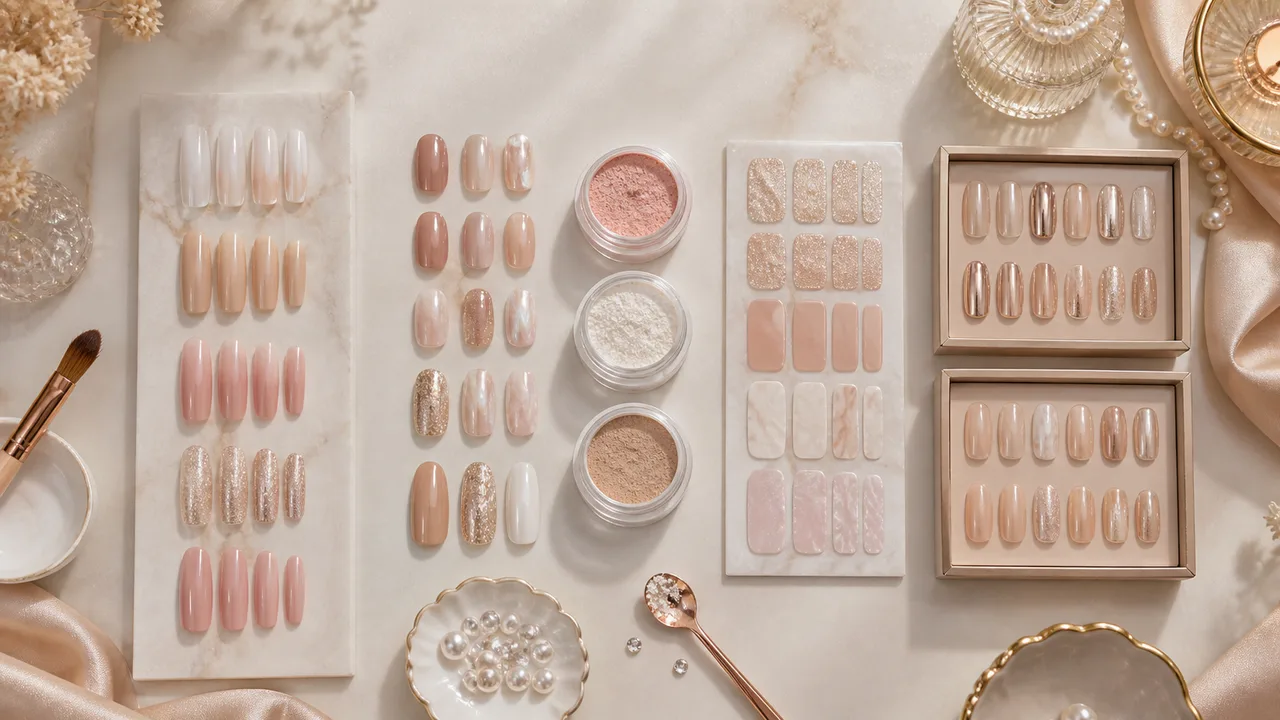
Fake nails primarily utilize acrylic, gel, and dip powder. Each material is distinguished by its unique chemical composition and application method. These materials offer different levels of durability, flexibility, and aesthetic finishes, influencing the final look and feel of the nails.
Understanding the basic characteristics of these primary materials is essential for selecting the appropriate type of fake nail. Each material interacts differently with the natural nail, impacting both wear time and removal processes.
What Are Acrylic Nails Made Of?
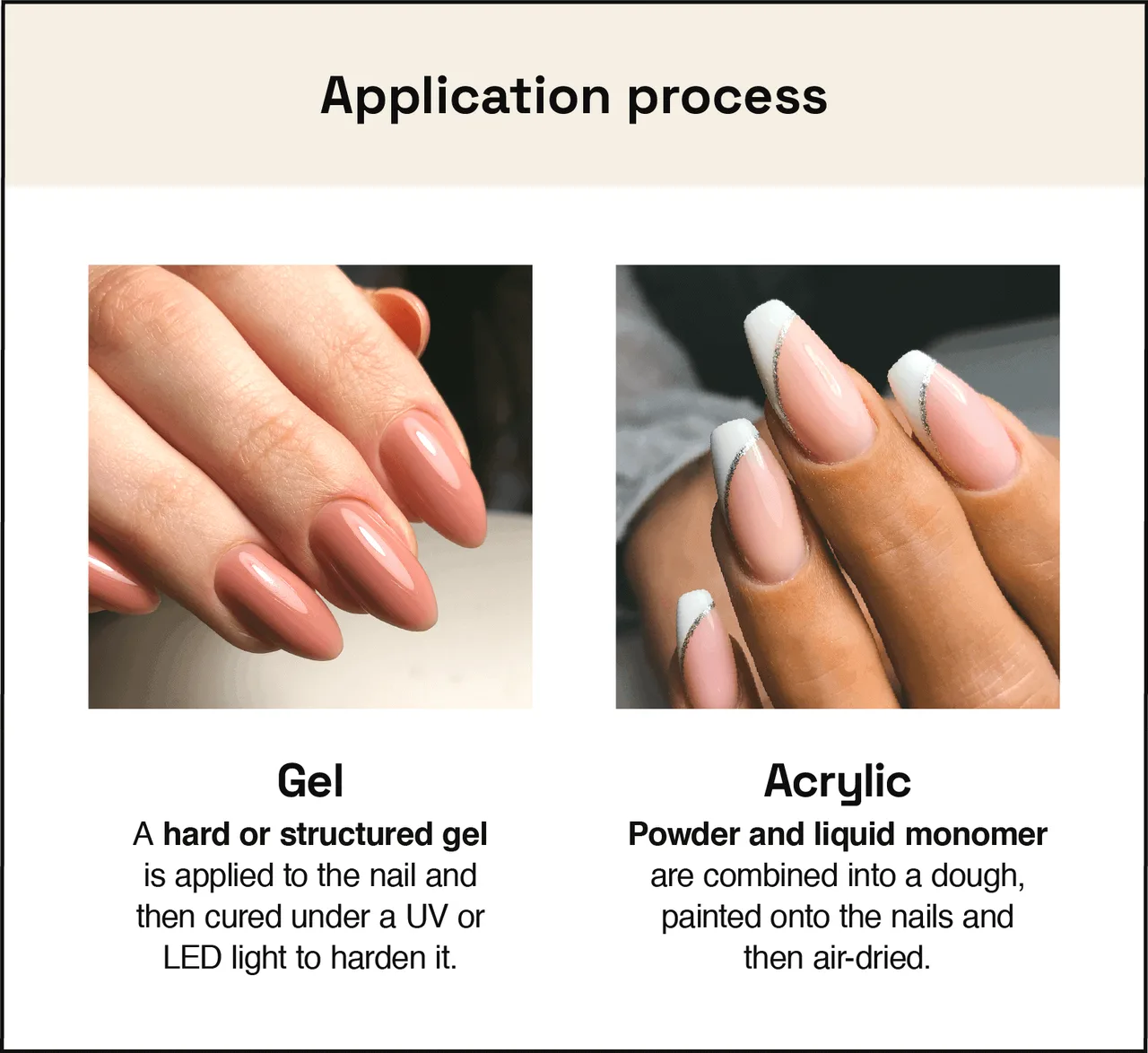
Acrylic nails are composed of a liquid monomer and a powdered polymer that chemically react to form a hard, protective layer. This polymerization process creates a durable, long-lasting enhancement for natural nails. Understanding the chemical composition of acrylics helps explain their robust properties. The liquid monomer, typically ethyl methacrylate (EMA), combines with the powdered polymer, often polymethyl methacrylate (PMMA), to create a strong bond. This blend allows for versatile shaping and provides significant resistance to chipping and breaking, making acrylics a popular choice for extended wear. The resulting material is rigid and can be filed and sculpted to achieve various nail shapes and lengths.
What Are Gel Nails Made Of?
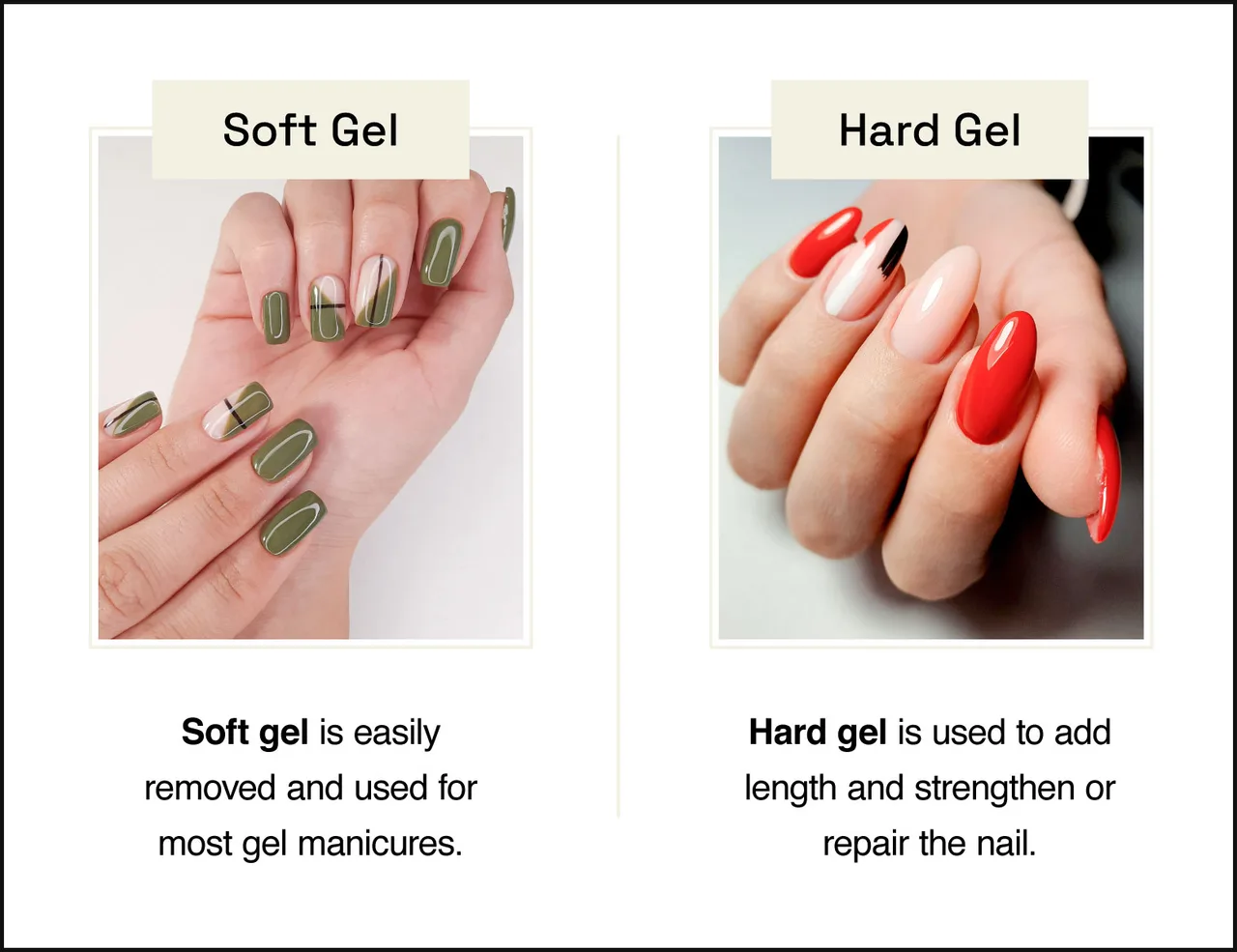
Gel nails are primarily composed of an oligomer, a resin that cures under ultraviolet (UV) or LED light, forming a durable, glossy finish. This composition distinguishes them from acrylics, which air-dry through a chemical reaction. The oligomer, a short-chain polymer, provides flexibility and a natural feel to the nail enhancement. The curing process hardens the gel, creating a strong, yet less rigid, layer compared to traditional acrylics. The specific composition of gel nails allows for different types, such as hard gels and soft gels, each with unique properties. Hard gels are highly durable and are typically used for extensions, while soft gels are more flexible and often used for overlays or gel polish, which can be soaked off for removal.
What Are Dip Powder Nails Made Of?
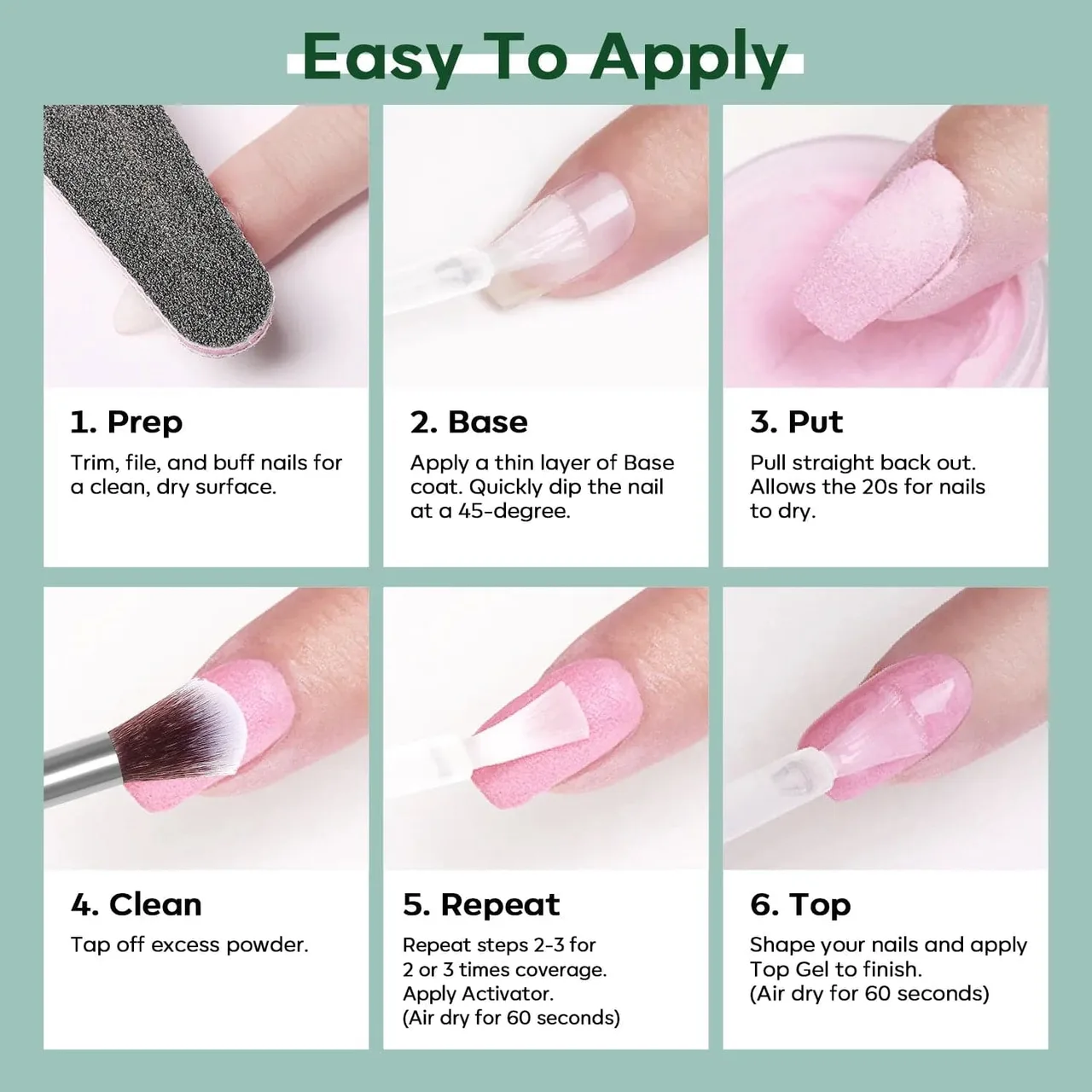
Dip powder nails are primarily composed of a finely milled acrylic powder and a cyanoacrylate-based liquid resin, which work together to create a durable nail enhancement. This system differs from traditional liquid monomers used in acrylics by utilizing a resin that hardens upon contact with the powder and an activator. The main components of a dip powder system include a base coat, which acts as an adhesive, the colored or clear dip powder, and an activator that cures the layers. Unlike traditional acrylics that rely on a chemical reaction between a liquid monomer and powder, dip powders bond through the cyanoacrylate resin, offering a strong and chip-resistant finish without the need for UV/LED light curing. The application process involves dipping the nail into the powder, creating a sealed and protective layer.
What Are the Different Styles and Shapes Available for Fake Nails?
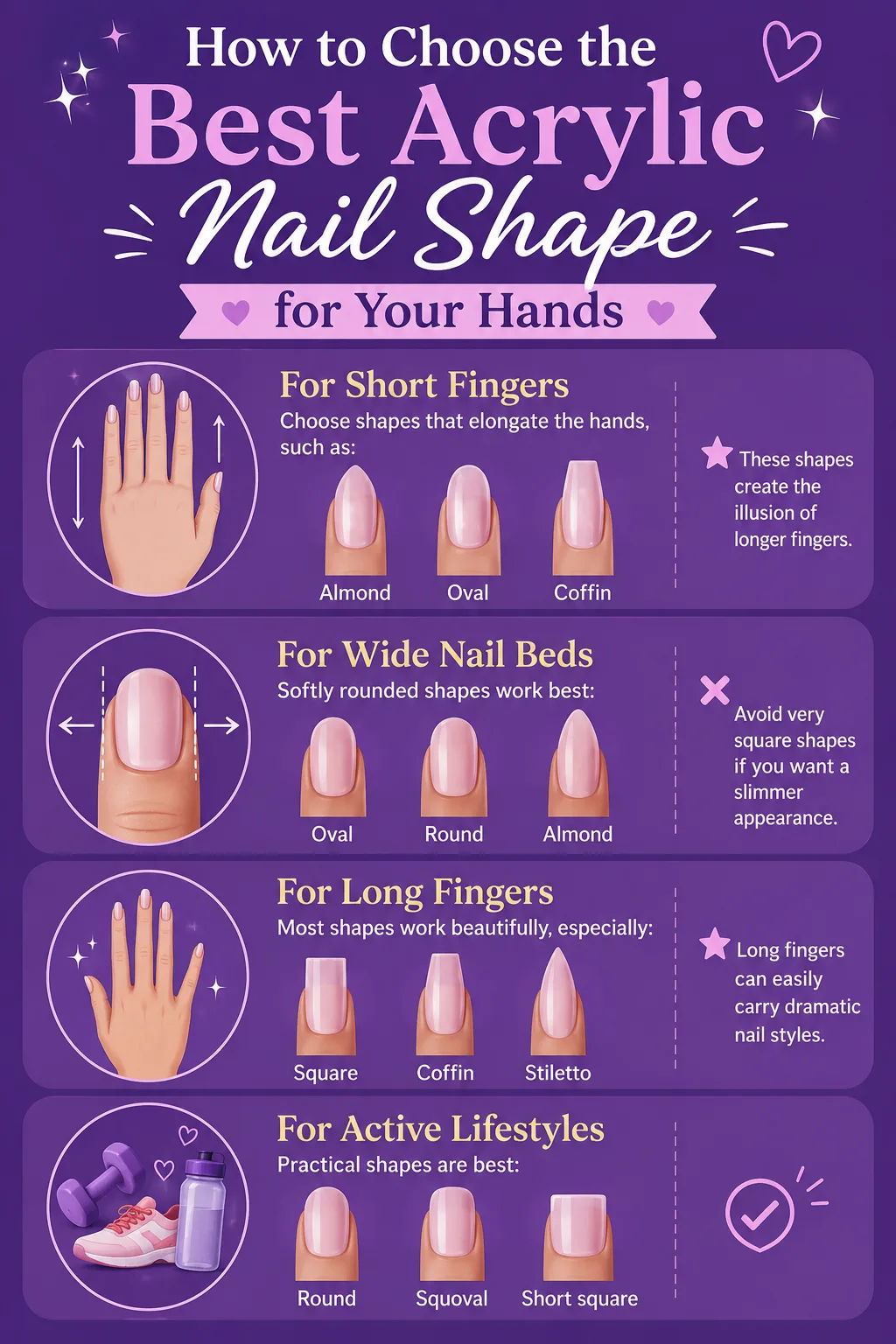
Fake nails are available in numerous aesthetic styles and shapes, each offering distinct visual characteristics and customization options. These variations allow for a wide range of personal expressions and cater to different preferences for nail appearance. Understanding the diverse styles and shapes is crucial for selecting the ideal fake nail enhancement.
What Are the Popular Fake Nail Shapes?
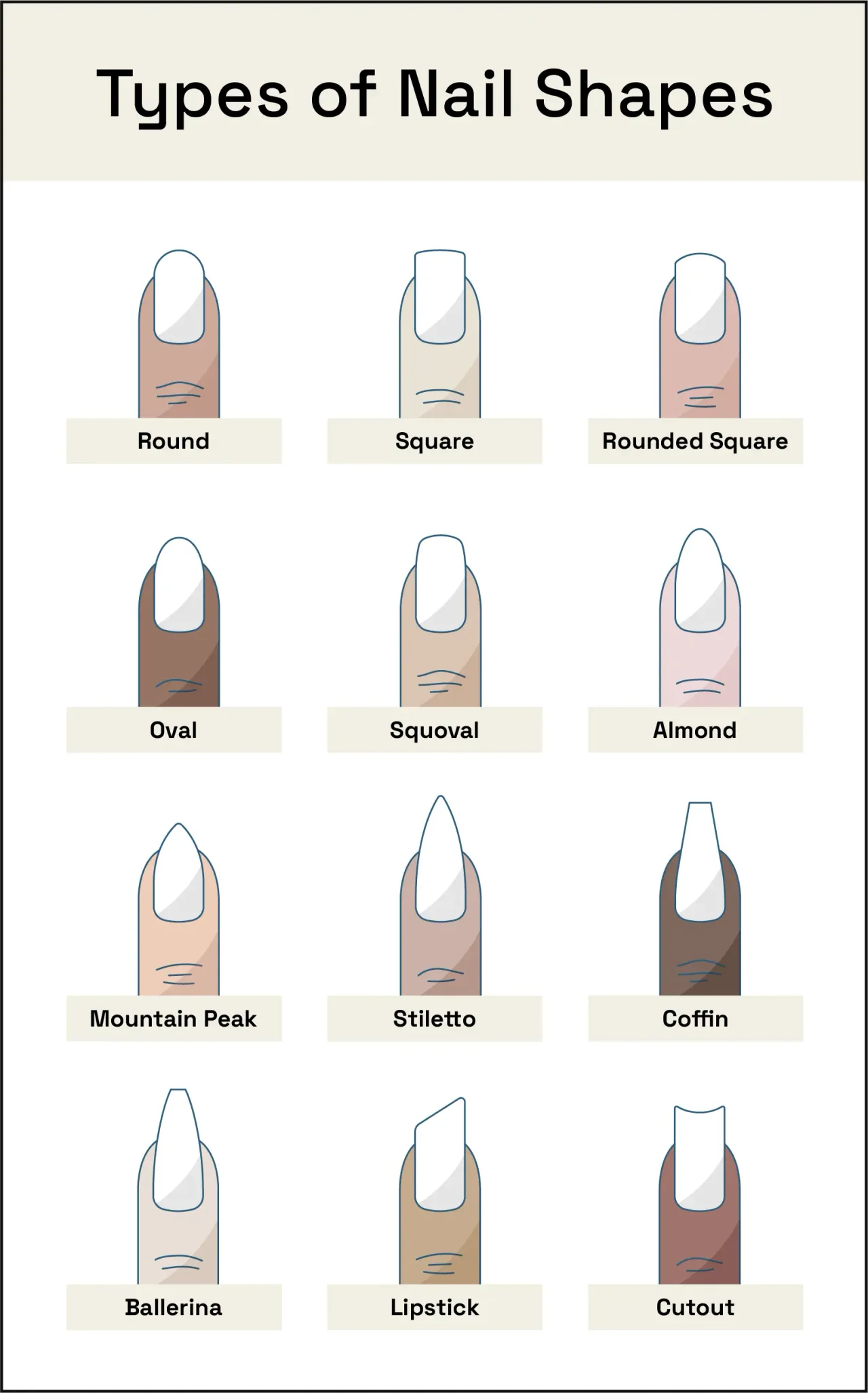
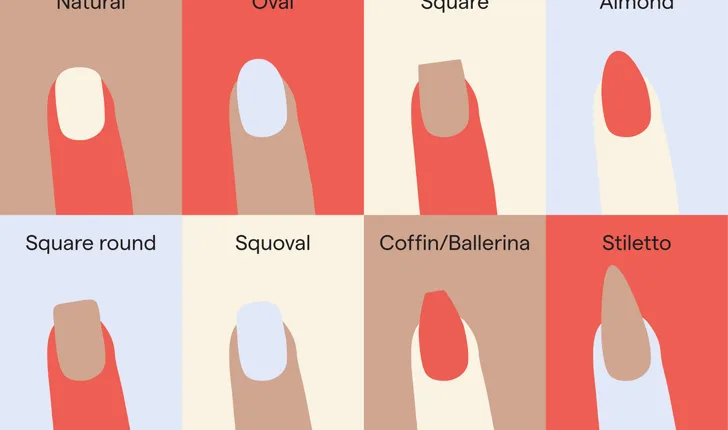
Popular fake nail shapes include square, coffin, stiletto, and almond, each offering distinct aesthetic appeals. These diverse shapes cater to individual style preferences and complement various hand and finger types.
Understanding these common nail shapes aids in selecting the most suitable enhancement for a desired look.
Square Nails
Square nails feature straight side walls and a blunt, flat-edged tip, creating a strong, modern appearance. This shape is known for its clean lines and durability. Square nails maintain their width from the base to the tip, which provides a bold and defined finish, often favored for its classic and practical aesthetic.
Coffin (Ballerina) Nails
Coffin nails, also known as ballerina nails, are characterized by tapered sides and a squared-off tip, resembling a coffin or a ballerina’s slipper. This elegant shape elongates the fingers and offers a sophisticated, edgy look. The distinct silhouette provides a chic alternative to more traditional nail shapes.
Stiletto Nails
Stiletto nails feature sharply pointed tips that extend to a dramatic, slender point, creating a bold and elongated effect. This shape is highly fashionable and often associated with a fierce, glamorous aesthetic. Stiletto nails make a strong statement, emphasizing length and sharp angles.
Almond Nails
Almond nails are shaped with slender sides that taper to a soft, rounded point, mimicking the shape of an almond. This elegant and flattering shape elongates the fingers while maintaining a natural, graceful look. Almond nails offer a sophisticated balance between the sharpness of stiletto nails and the softness of oval shapes.
What Are the Popular Fake Nail Styles?
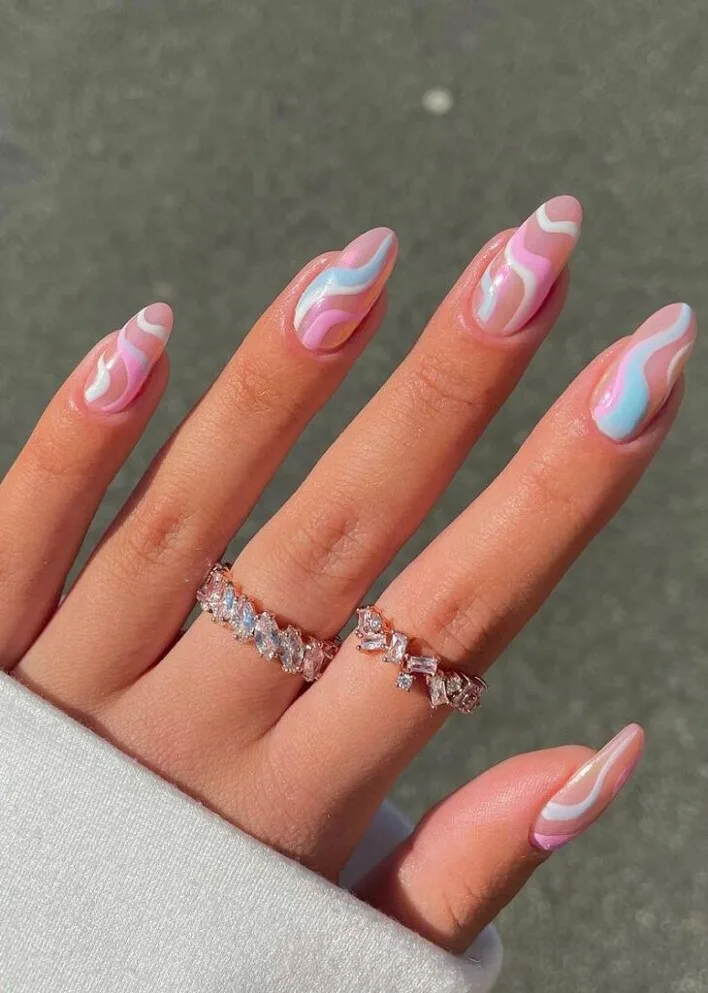
Fake nail styles encompass various design techniques, including French tips, ombré, glitter, and encapsulated designs, each offering unique visual enhancements. These diverse styles allow for significant personalization and creativity in nail artistry. Understanding the characteristics of each style is crucial for selecting the appropriate design to complement individual preferences and occasions. Each technique provides a distinct aesthetic, ranging from classic elegance to modern embellishments. Fake nail styles transform the overall appearance, providing varied effects and finishes for enhanced visual appeal.
Which Type of Fake Nail Is Best for You?
Choosing the best fake nail type depends on individual preferences for durability, desired appearance, and required maintenance. Each material—acrylic, gel, and dip powder—offers distinct characteristics that cater to different needs. Selecting the appropriate fake nail enhancement involves evaluating these factors to ensure the best fit for your lifestyle and aesthetic goals.
To determine the ideal fake nail type, consider how each material performs in terms of strength, visual finish, and the upkeep it demands. This comparative approach helps align the nail enhancement with personal priorities.
What Are the Differences Between Acrylic and Gel Nails?
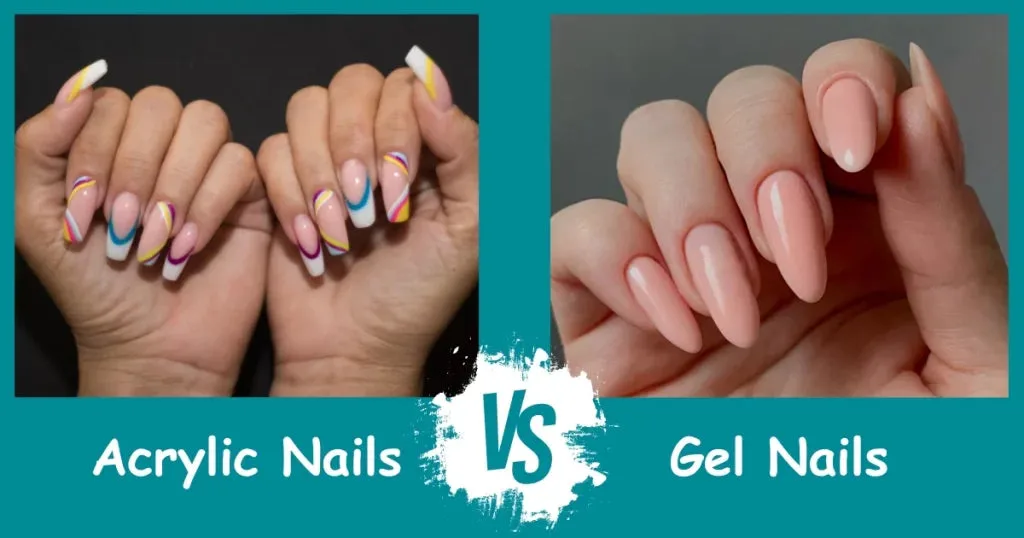
Acrylic and gel nails differ significantly in their application, removal processes, durability, and overall appearance. Understanding these distinctions helps in choosing the appropriate nail enhancement. While both offer strength and aesthetic appeal, their fundamental characteristics cater to varying preferences and needs. Each material presents unique advantages and disadvantages that influence the wearer’s experience and the final look of the nails.
How Do Dip Powder Nails Compare to Gel and Acrylic?
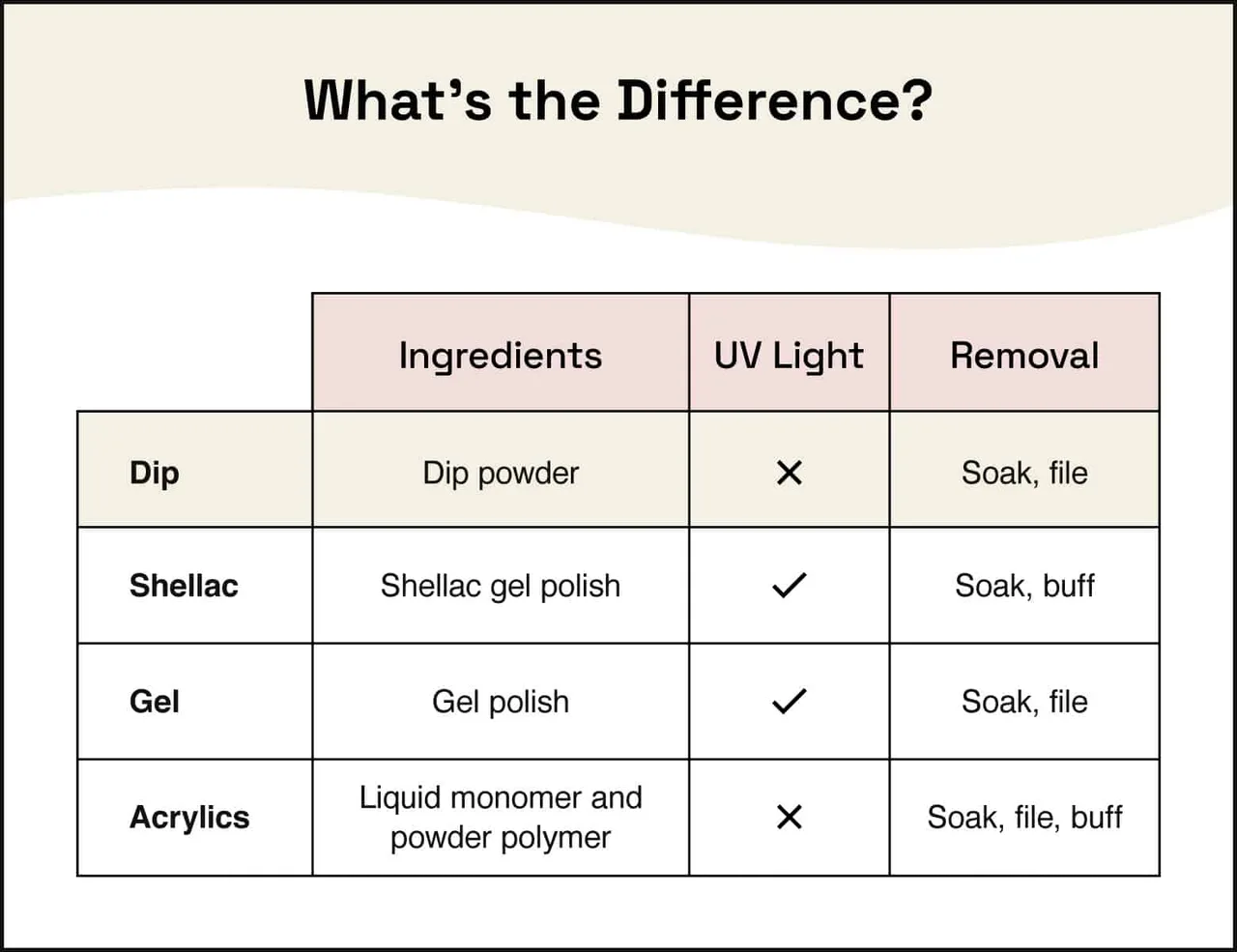
Dip powder nails offer a balance between the durability of acrylics and the flexibility of gels, often without the need for UV/LED light curing. This system stands out by providing a strong, chip-resistant finish through a unique application process. While acrylics and gels utilize different chemical reactions for hardening, dip powder relies on a cyanoacrylate-based resin to bond the powder layers. Dip powder nails are generally thinner than acrylics, offering a more natural feel, yet remain robust against daily wear and tear. The absence of a UV/LED lamp for curing can be an advantage for those concerned about UV exposure.
What Are the Pros and Cons of Different Fake Nail Types?
Each type of fake nail—acrylic, gel, and dip powder—presents a unique set of advantages and disadvantages affecting durability, appearance, and maintenance. Evaluating these pros and cons helps individuals choose the most suitable enhancement. This comparison highlights the distinct benefits and drawbacks of acrylic, gel, and dip powder nails, guiding users to an informed decision based on their specific needs and lifestyle.
Which Fake Nails Are the Least Damaging to Natural Nails?
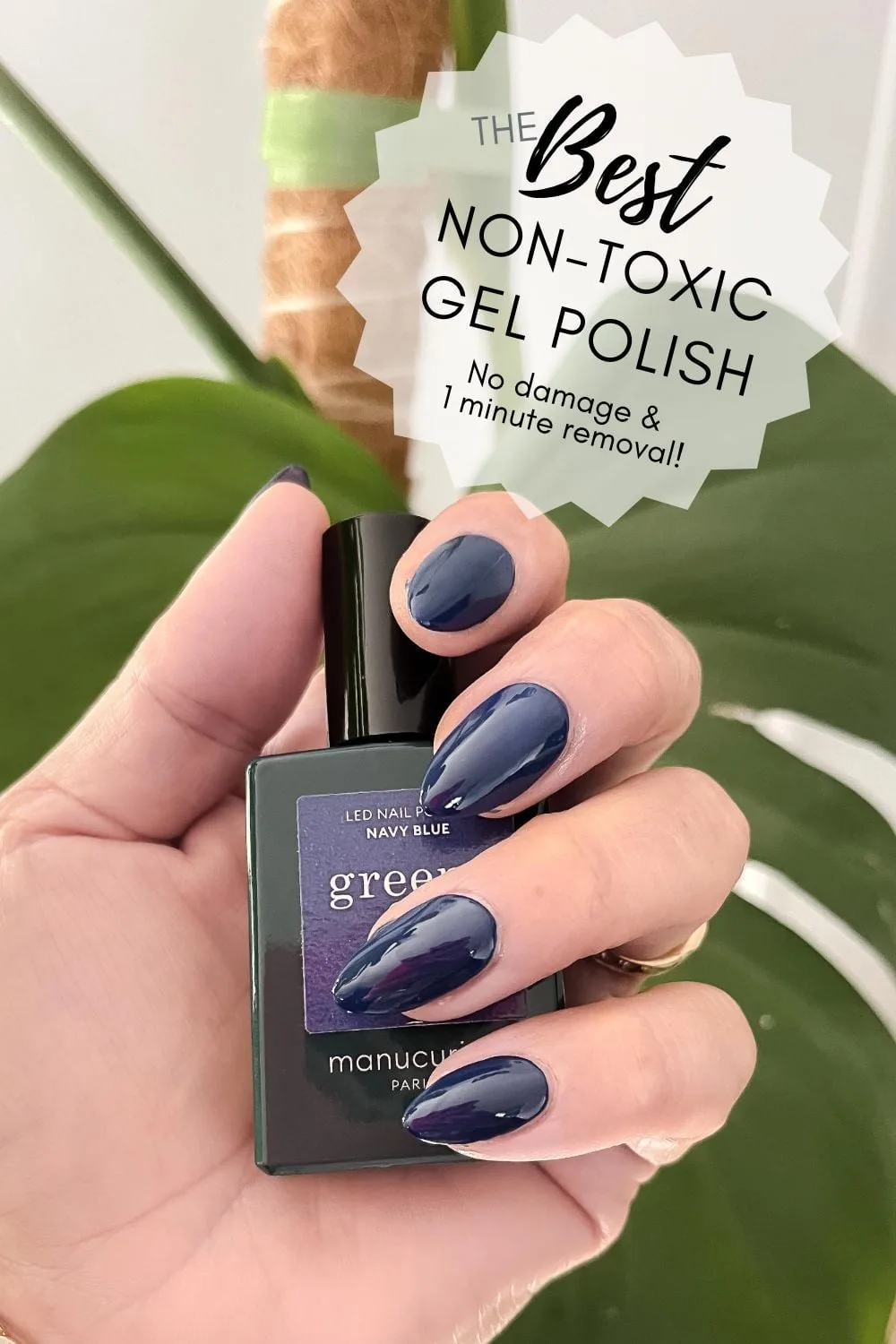
Gel nails are generally considered the least damaging to natural nails. Their flexible nature and gentler removal process minimize trauma. Understanding the impact of different fake nail materials on nail health is crucial for maintaining strong, healthy nails beneath enhancements.
Do Acrylic Nails Damage Natural Nails?
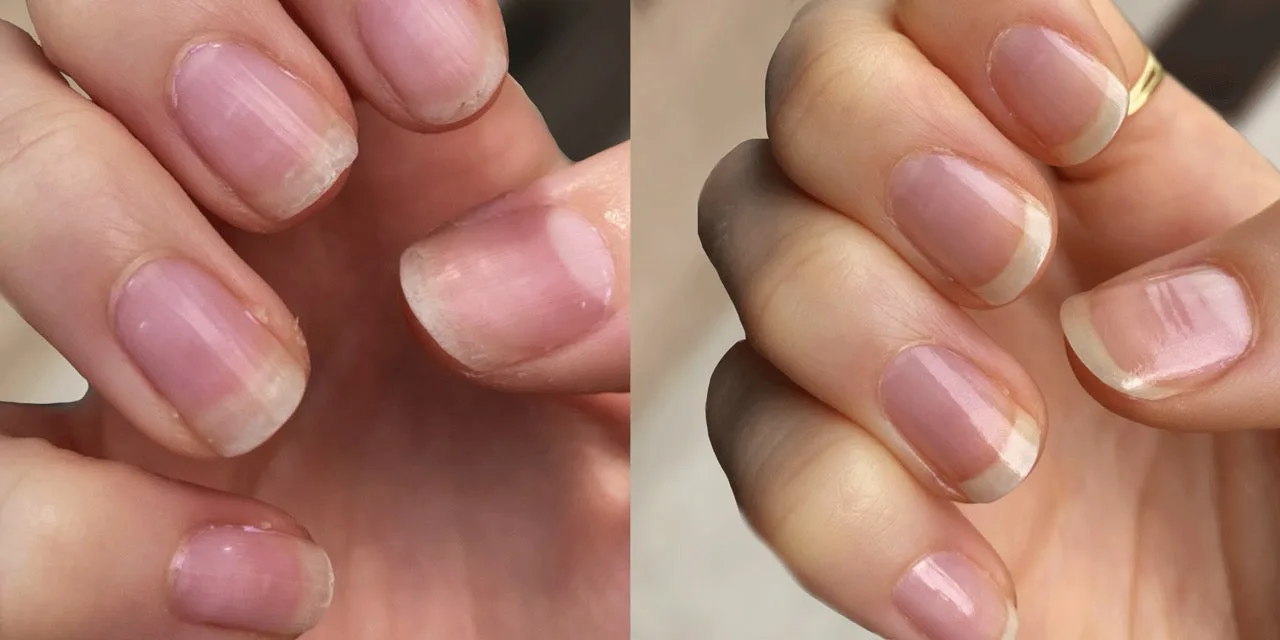
Yes, acrylic nails can potentially damage natural nails, primarily through improper application, removal, or excessive filing. This damage often manifests as thinning, weakening, or breakage of the natural nail plate. Understanding the causes helps in minimizing adverse effects on nail health.
Do Gel Nails Damage Natural Nails?
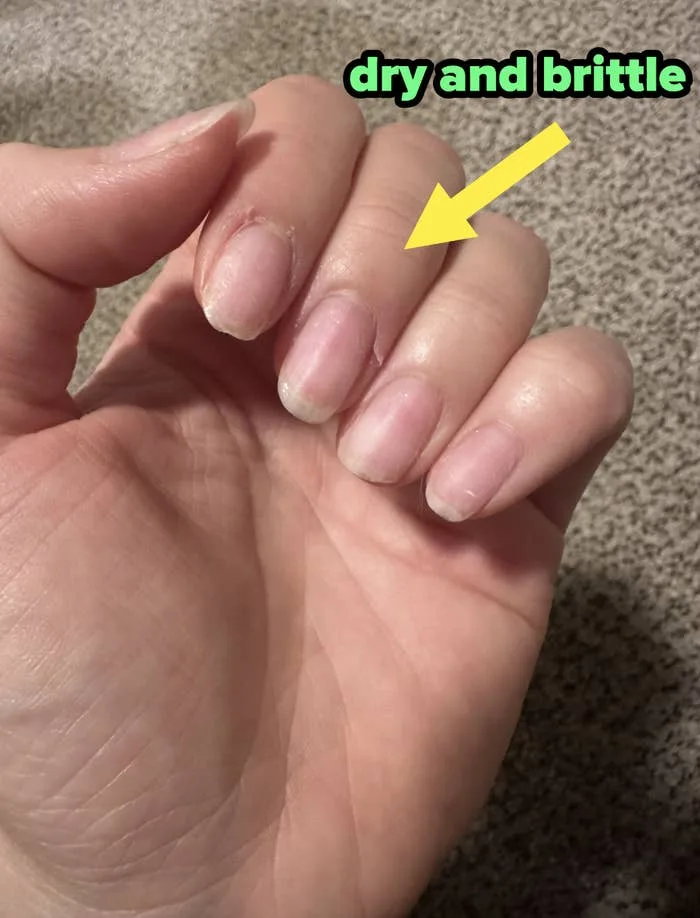
Gel nails do not inherently damage natural nails when applied and removed correctly. The potential for damage arises primarily from improper techniques during these processes. Maintaining nail health beneath gel enhancements relies heavily on the expertise of the technician and the user’s adherence to proper aftercare. Damage often occurs from aggressive filing, improper curing, or forceful removal methods. Adhering to professional guidelines and gentle handling prevents most issues.
Are Dip Powder Nails Less Damaging Than Other Types?
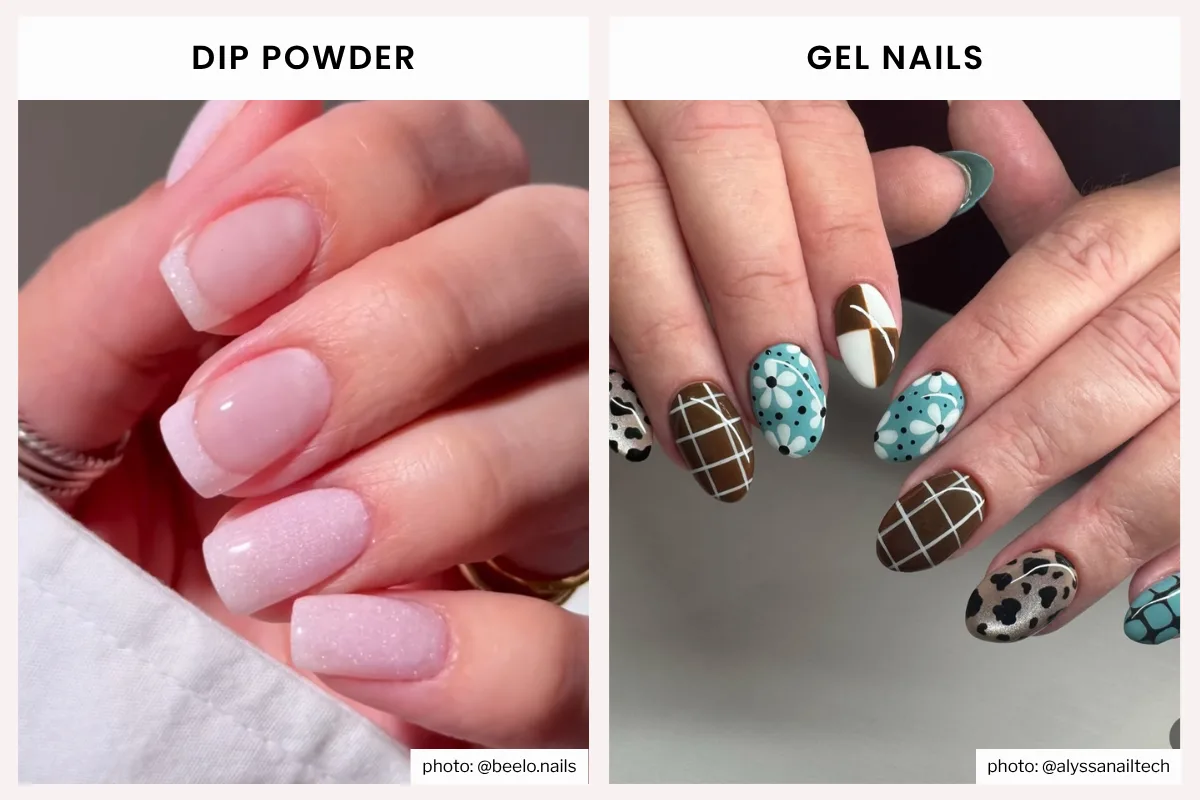
No, dip powder nails are not inherently less damaging than other types; their impact on natural nails largely depends on proper application and removal techniques. While dip powder systems can offer a durable and chip-resistant finish, incorrect procedures can still lead to damage. Evaluating claims about reduced damage involves understanding the specific factors at play during both the initial application and the subsequent removal processes. The primary cause of potential damage often relates to the manual handling of the nail during these stages.
What Are Specialty Fake Nail Enhancements?
Specialty fake nail enhancements offer advanced design techniques and unique aesthetic effects beyond standard materials and styles. These options provide creative customization, allowing for intricate details and specialized finishes. Understanding these enhancements expands the possibilities for personalized nail artistry.
Various techniques and additions create distinct appearances for fake nails, catering to specific design preferences and occasions. These advanced methods transform the overall look, providing diverse visual impacts.
What Are Silk Wraps for Nails?
Silk wraps for nails are a reinforcement or repair method using pieces of silk fabric adhered to the natural nail or extension with resin. This technique provides added strength and can mend minor cracks or breaks in existing nail enhancements. The lightweight silk fabric creates a durable, yet flexible layer when combined with a bonding resin, offering a discreet solution for damaged nails.
What Are Fiberglass Nails?
Fiberglass nails are a lightweight and flexible alternative for nail enhancements, utilizing finely woven fiberglass fabric or silk to create a durable overlay. This method offers a strong yet thin layer, ideal for reinforcing natural nails or repairing minor breaks. The application involves adhering the fabric to the nail plate with resin, then sealing it with an activator. Fiberglass nails are known for their natural appearance and can be a gentler option compared to traditional acrylics or gels, particularly for those seeking a less bulky enhancement.
Conclusion
Understanding the diverse materials like acrylic, gel, and dip powder, alongside various styles such as square, coffin, and almond, is essential for choosing the ideal fake nail enhancement. Each type offers distinct benefits in terms of durability, appearance, and maintenance, with gel nails generally considered least damaging when applied and removed correctly. Evaluating these factors allows for a personalized selection that aligns with individual preferences and lifestyle, ensuring an informed decision for enhancing your nails with confidence.