Gel manicures and acrylics are two popular nail enhancement methods, each with unique advantages and disadvantages. The choice between them depends on individual aesthetic preferences, desired durability, and natural nail condition.
The key difference between gel and acrylic nails lies in their chemical makeup and curing process; gel nails cure under UV/LED light, while acrylics air-dry through a chemical reaction. This fundamental distinction impacts their flexibility, removal, and overall feel.
Gel nails generally offer a more natural look and flexibility, while acrylics provide superior strength and durability for extensive nail art or length. The optimal choice depends on individual lifestyle, desired aesthetic, and natural nail condition.
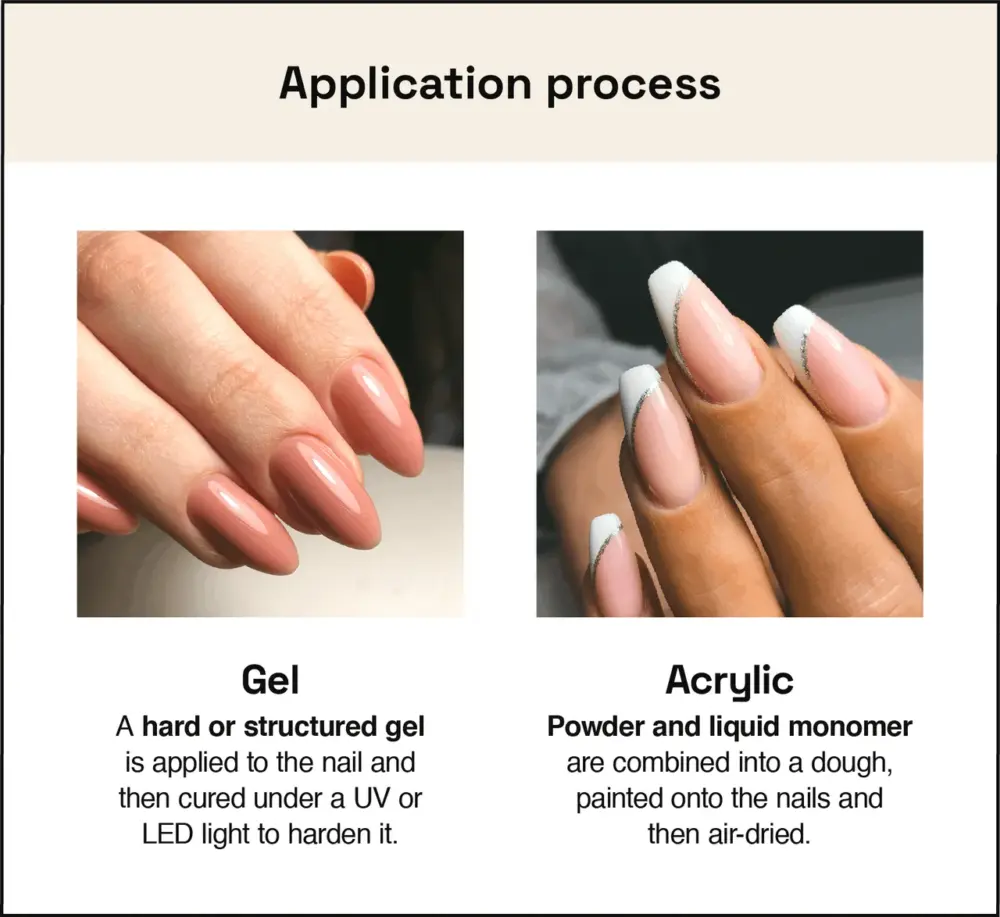
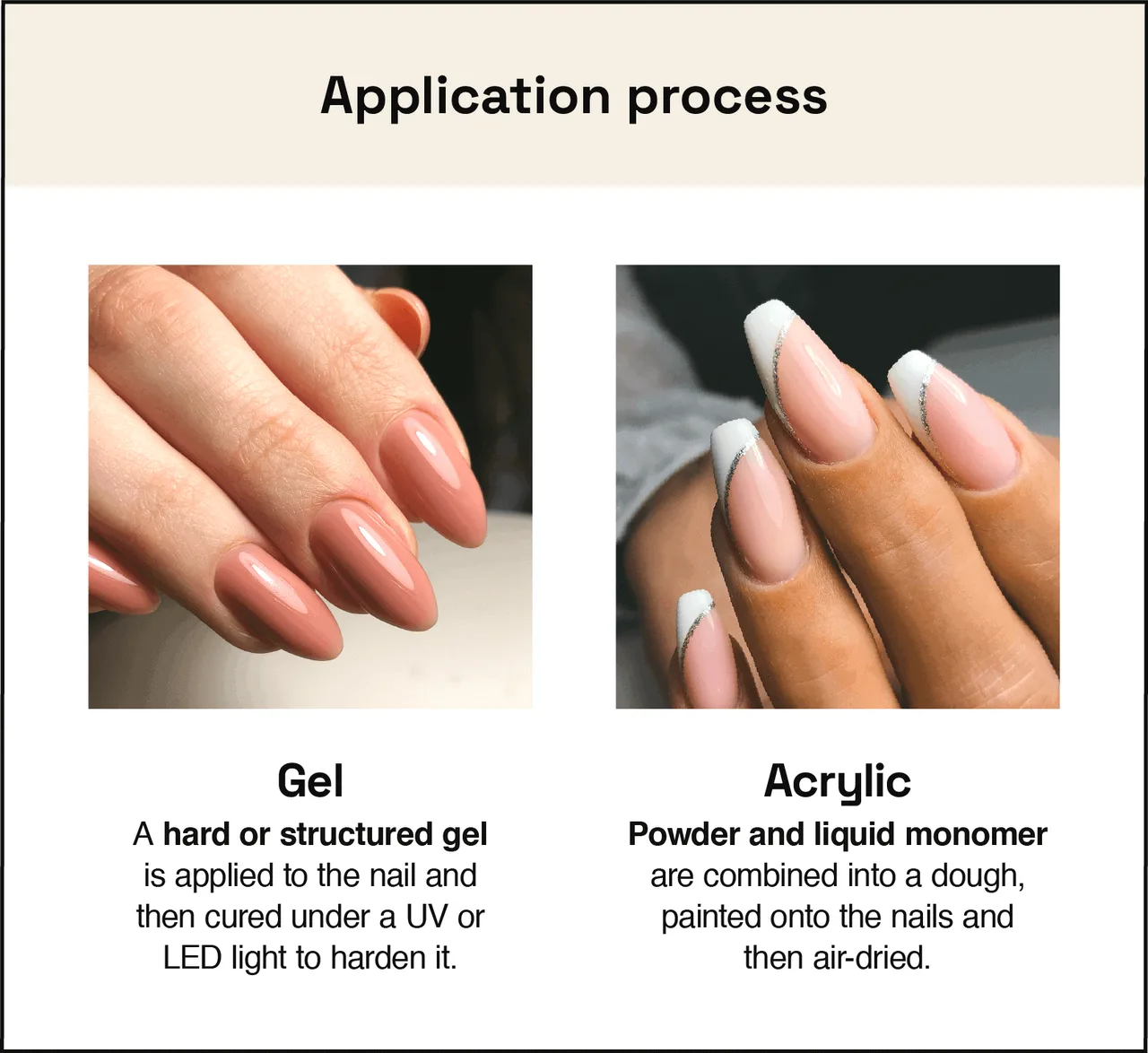
The application process for gel nails involves applying a gel polish in layers and curing each layer under a UV or LED lamp. Acrylic nails are created by mixing a liquid monomer and a powdered polymer to form a pliable bead that is then sculpted onto the nail and air-dried. Understanding these processes helps set expectations for salon visits. This article explores the main differences between gel and acrylic nails, their application processes, and their suitability for specific nail health and maintenance needs.
What are the main differences between gel and acrylic nails?
Gel and acrylic nails primarily differ in their chemical composition and the methods used for their application and curing. These fundamental distinctions influence their final appearance, durability, and removal processes. While both enhancements provide strength and length, understanding their unique attributes is crucial for selecting the appropriate option.
Do gel nails offer a more natural look compared to acrylics?
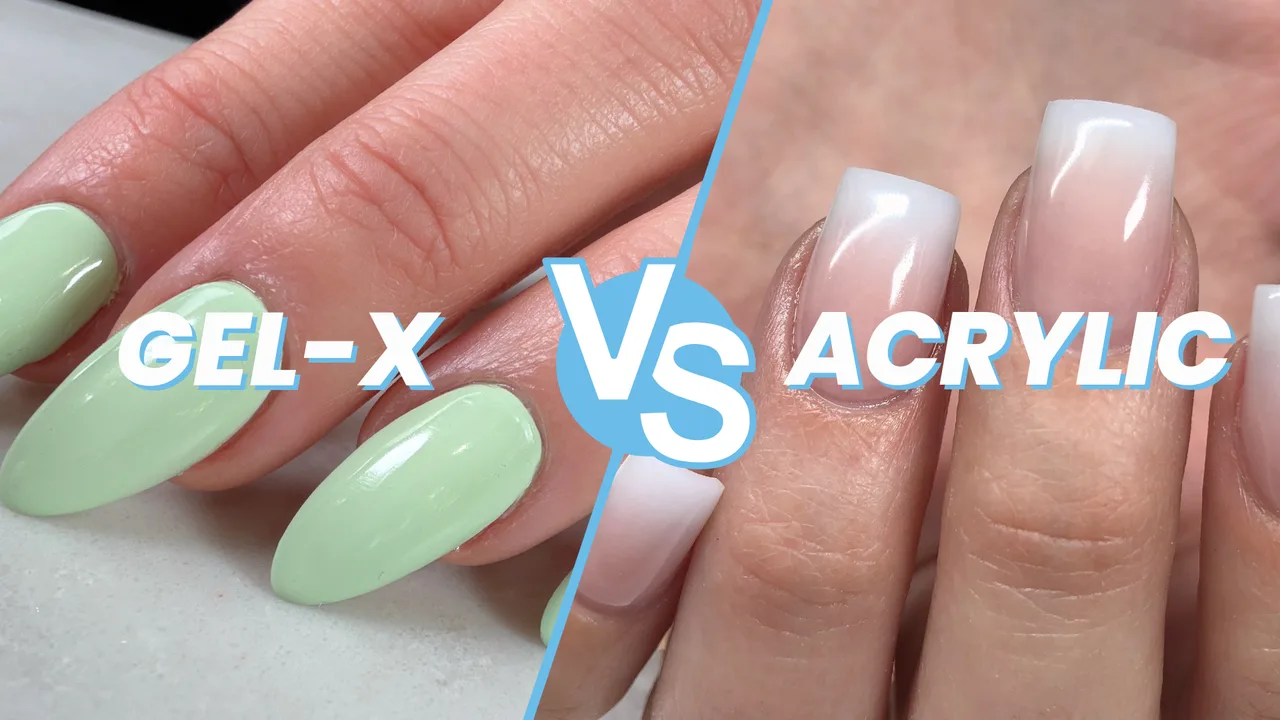
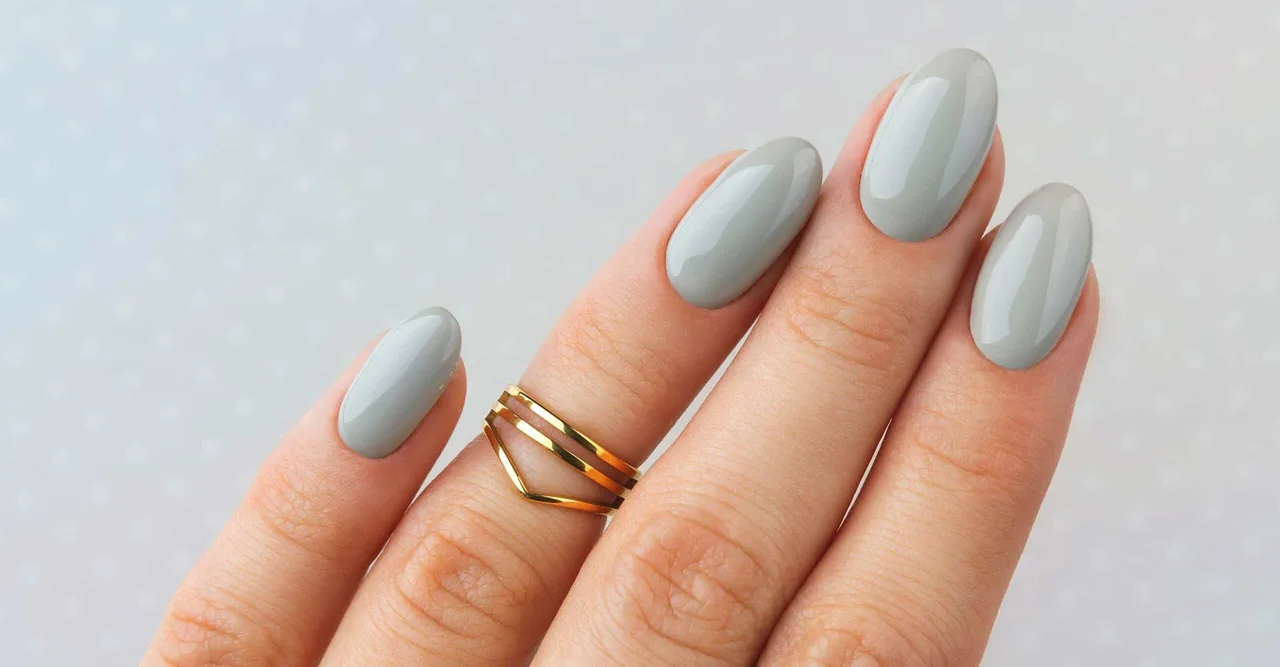
Yes, gel nails generally offer a more natural look compared to acrylics due to their thinner application, greater flexibility, and glossy finish. Gel nails mimic the natural nail’s appearance more closely, providing a subtle enhancement. This natural aesthetic is a key consideration for many individuals when choosing between different nail enhancements.
Gel nails achieve this natural appearance because they are typically applied in thinner layers, which results in a less bulky feel and look on the nail bed. Their inherent flexibility allows them to bend slightly with the natural nail, reducing the likelihood of lifting or breaking that can sometimes occur with the more rigid acrylics. Furthermore, gel nails possess a natural high-gloss finish that often requires less buffing and sealing, contributing to their seamless integration with the natural nail’s surface.
Which enhancement, gel or acrylic, is more durable and chip-resistant?
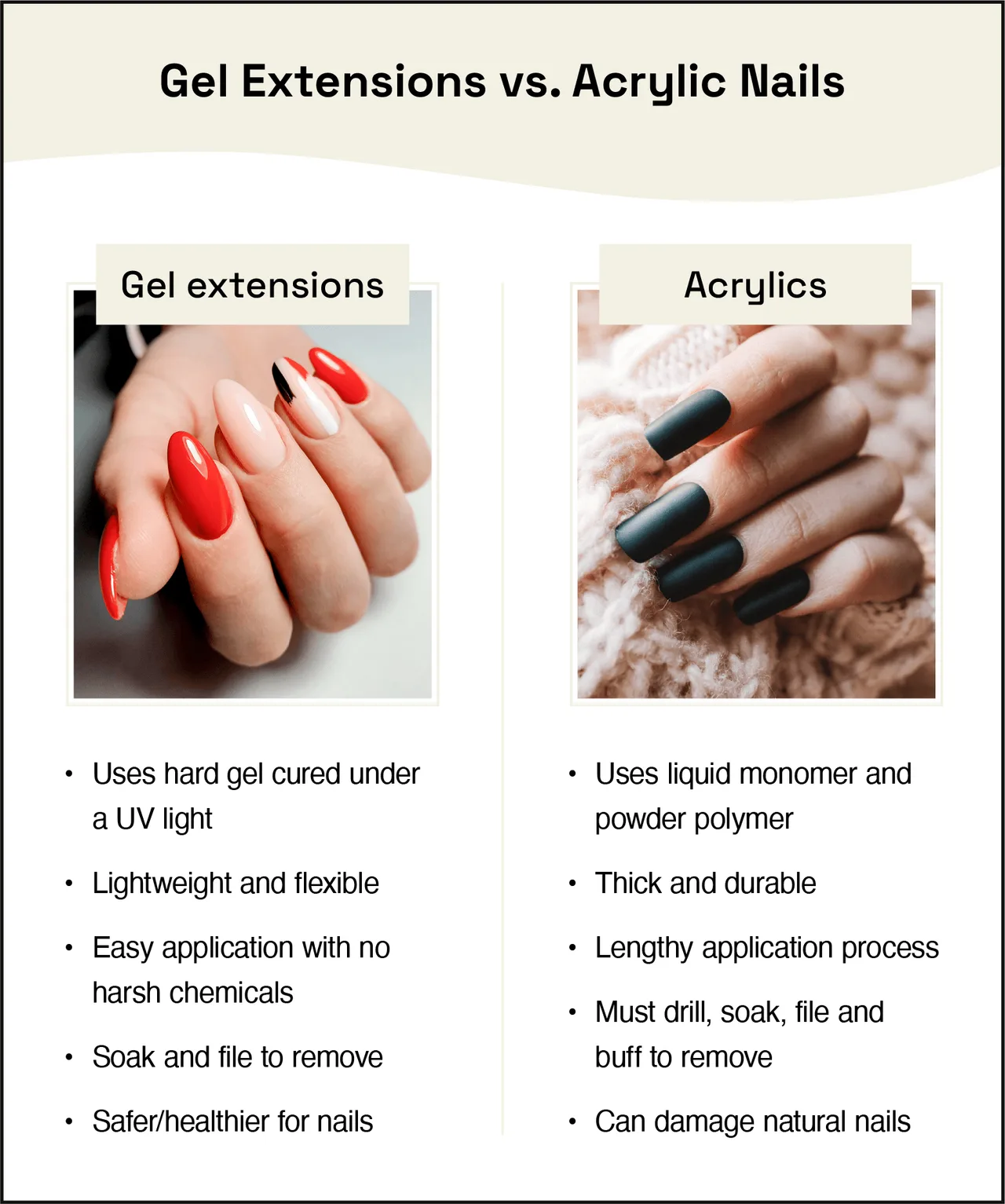
Acrylic nails generally offer superior durability and chip resistance compared to gel nails, making them a more robust option for those seeking maximum longevity and strength. This enhanced resilience is a key factor when evaluating wear and tear characteristics. Acrylics are known for their exceptional hardness, which provides a strong protective layer against daily impacts and activities. Their rigid structure minimizes chipping and cracking, especially for individuals who work with their hands or require extensive nail length and intricate designs. While gel nails provide flexibility, acrylics excel in maintaining their integrity under more demanding conditions.
Which application process is involved in getting gel versus acrylic nails?
Getting gel versus acrylic nails involves distinct, multi-step application processes, each with unique requirements and expected outcomes for the client. These methods primarily differ in the materials used and how they are cured, shaping the overall salon experience and the final appearance of the nails.
What are the typical steps for applying gel nail enhancements?
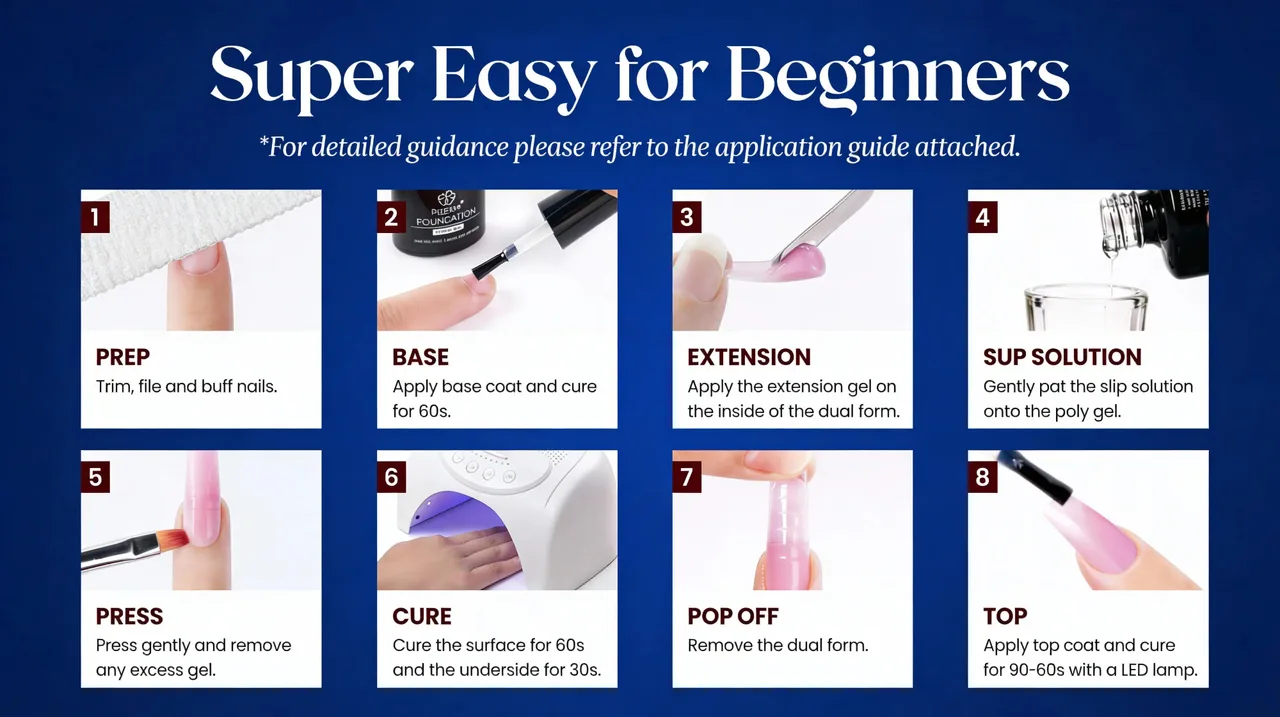
The typical steps for applying gel nail enhancements involve comprehensive nail preparation, the application and curing of a base coat, subsequent gel layers, and a final topcoat. These stages ensure a durable and aesthetically pleasing finish. The application process for gel nails systematically builds the enhancement, focusing on adhesion, sculpting, and protection. This meticulous approach distinguishes gel applications from other nail treatments.
How does the acrylic nail application process differ from gel?
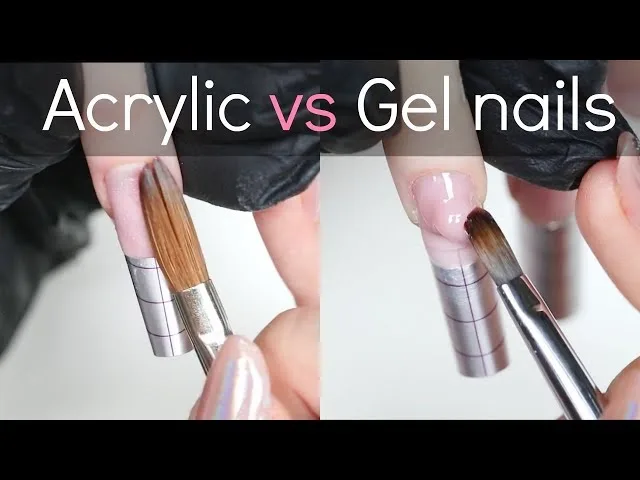
Acrylic nail application involves mixing a liquid monomer and powdered polymer that air-dries, unlike gel which requires UV/LED light for curing. This method creates a rigid and durable enhancement. The distinction in curing and composition profoundly impacts the final properties of the nails. The process for acrylics begins with comprehensive nail preparation, similar to gel applications, but then diverges significantly. A trained technician mixes the liquid monomer and powdered polymer on the spot, creating a malleable bead. This bead is then expertly sculpted onto the natural nail or tip, shaping the desired length and form. The key difference lies in the curing: Acrylics undergo a chemical reaction that allows them to air-dry and harden, but the drying time varies depending on the type of surface. eliminating the need for UV or LED lamps used in gel applications. This air-drying process results in a strong, non-flexible layer that is then buffed and polished to a smooth finish.
Is gel or acrylic better for specific nail health and maintenance needs?
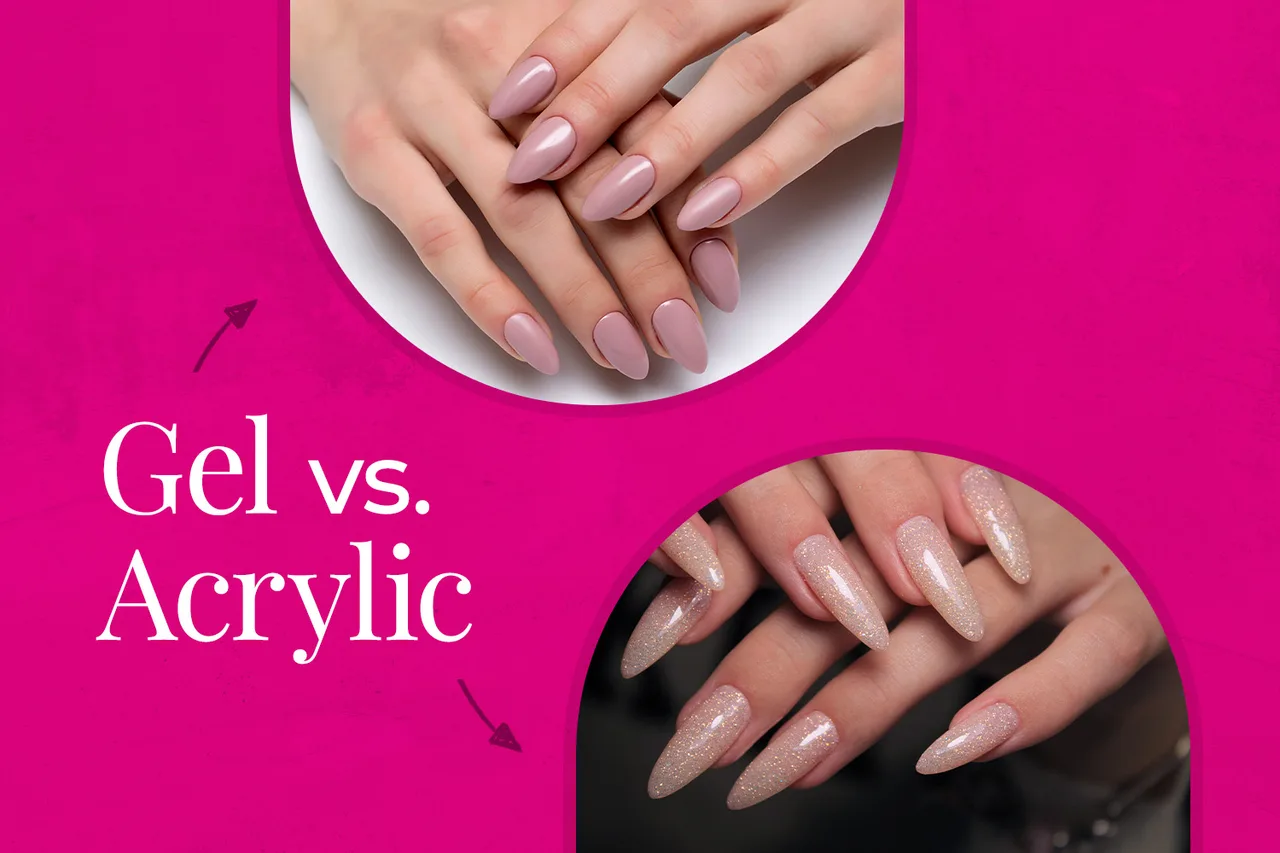
Gel nails often prove better for natural nail health due to their gentler application and removal processes, while acrylics offer superior protection for extensive lengths and designs. The optimal choice depends on individual nail condition and lifestyle demands. Both enhancements require specific maintenance routines, but their impact on natural nails varies significantly based on their chemical composition and adhesion properties.
What are the maintenance requirements for gel manicures?

Gel manicures require regular care, including bi-weekly fill-ins and consistent at-home maintenance. These practices are essential for preserving the integrity of the gel enhancement. Ongoing care for gel nails primarily focuses on protecting them from harsh chemicals and excessive impact. Clients are advised to wear gloves when performing household chores or engaging in activities that could damage the nails. Regular fill-ins are typically required every 2 to 3 weeks to address natural nail growth and maintain the structural balance of the enhancement. During these appointments, the technician will file down the grown-out gel, rebalance the nail, and apply fresh gel. At-home maintenance tips include moisturizing cuticles regularly and avoiding using nails as tools to prevent lifting or breakage.
How does the removal process for acrylics impact natural nails?
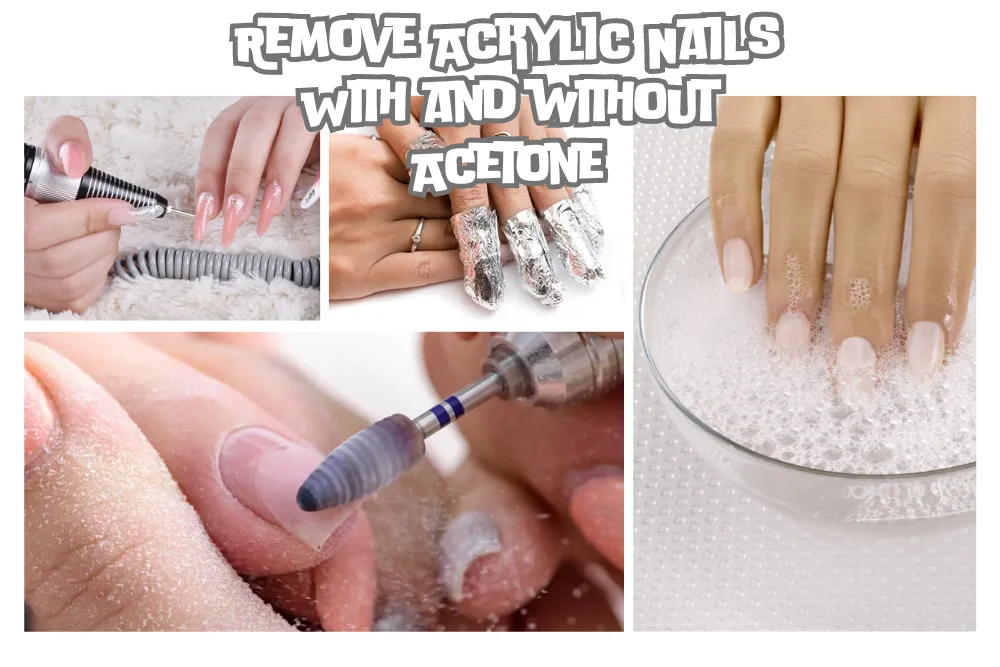
Acrylic removal involves soaking nails in acetone, which dehydrates and weakens natural nails if not done correctly. This method of removal directly impacts nail health through chemical exposure. Understanding the acrylic removal process is essential to minimizing potential damage. Technicians generally begin by filing down the top layer of the acrylic to break the seal, allowing the acetone to penetrate more effectively. The nails are then soaked in acetone for an extended period, which dissolves the acrylic. While effective, prolonged exposure to acetone can strip the natural oils and moisture from the nail plate and cuticles, leading to dryness, brittleness, and potential weakening of the natural nails. To mitigate these effects, best practices include using pure acetone, avoiding excessive filing of the natural nail, and thoroughly moisturizing the hands and nails post-removal. Additionally, Using nourishing oils or creams during and after the removal process helps restore hydration and protect the natural nail’s integrity.
Are there specific professional considerations for applying gel vs. acrylic nails?
Yes, applying gel and acrylic nails demands specialized skills, tools, and training for nail technicians. These differences significantly influence both the application process and the final result, guiding client choice. Understanding these professional aspects helps clients appreciate the expertise involved in each nail enhancement type.
What specialized equipment is needed for gel nail application that differs from acrylics?
Specialized equipment for gel nail application primarily includes UV/LED lamps for curing the gel layers, unlike acrylics that air-dry. This distinction highlights the unique technological requirements for each enhancement type. The necessity of these specific light sources underscores a fundamental difference in how gel nails achieve their hardened state. Gel nail applications require several distinct tools and pieces of equipment that set them apart from acrylics. Beyond the UV/LED curing lamp, technicians often utilize specific gel brushes for precise application, a variety of gel types (base, builder, top coats), and specialized cleansing solutions designed to remove the tacky inhibition layer after curing.
Conclusion
Ultimately, the choice between gel manicures and acrylics hinges on individual preferences for aesthetics, durability, and maintenance. Gel nails offer a more natural look and flexibility, curing under UV/LED light, while acrylics provide superior strength and chip resistance through an air-drying chemical reaction. Both require specific application and removal techniques, impacting natural nail health differently, with gel being gentler and acrylics offering robust protection. Understanding these distinctions ensures clients select the optimal nail enhancement to suit their lifestyle and desired outcome.