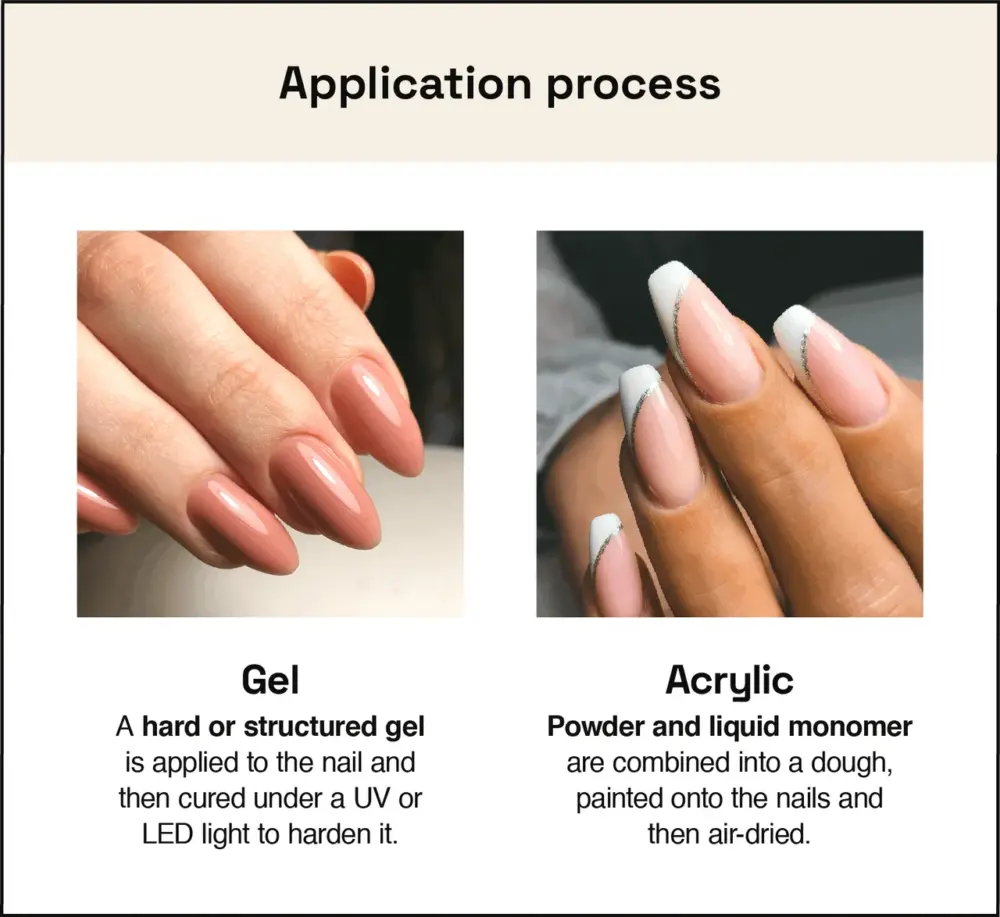
Gel and acrylic nails differ fundamentally in their chemical composition, application methods, durability, and final appearance. Gel nails involve a polymer resin cured under UV/LED light, while acrylics are formed by mixing a liquid monomer and powder polymer. Understanding these distinctions is crucial for informed nail care.
Gel nails and acrylic nails present distinct health implications and durability profiles. Gel nails are generally considered less damaging due to their flexibility and lack of strong fumes, though they may offer slightly less chip resistance. Acrylics are known for their extreme strength and longevity, but their removal process can be harsher on natural nails.
The application and final appearance of gel and acrylic nails vary significantly. Gel nails typically offer a more natural, flexible, and glossy finish with a curing process, while acrylics provide a harder, more rigid surface and can be sculpted for various lengths and shapes. Each offers unique aesthetic and practical advantages.
Barber Tall will explore these core distinctions in detail, beginning with what constitutes the fundamental differences between gel and acrylic nails?
What are the fundamental differences between gel and acrylic nails?
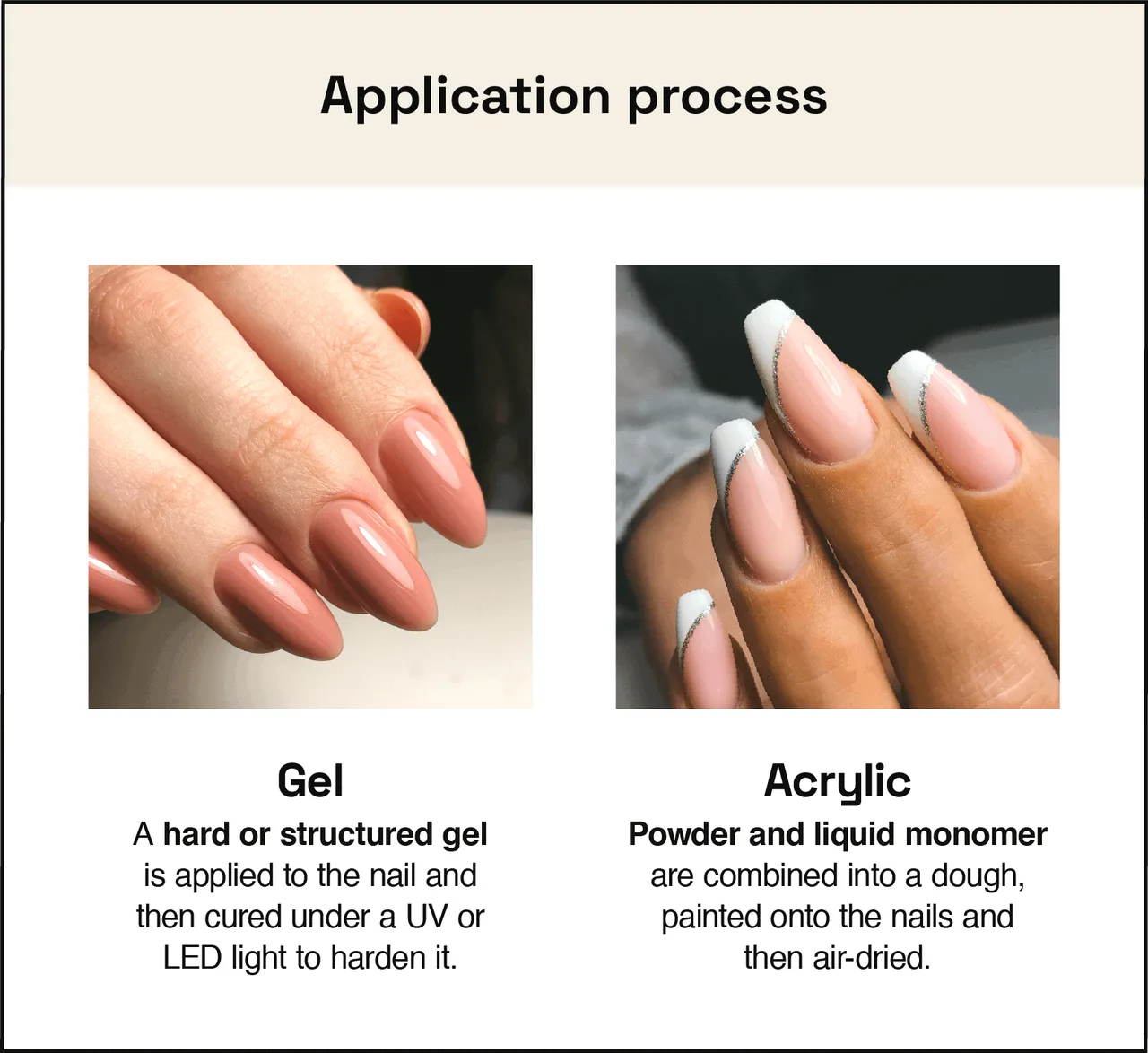
Gel and acrylic nails fundamentally differ in their chemical composition, curing processes, and final physical characteristics. Gel nails utilize a pre-mixed polymer resin that hardens under UV or LED light, whereas acrylic nails are formed by a chemical reaction between a liquid monomer and a powdered polymer. These distinct foundational makeups dictate their application and overall characteristics.
How do gel and acrylic nails compare in terms of health and durability?
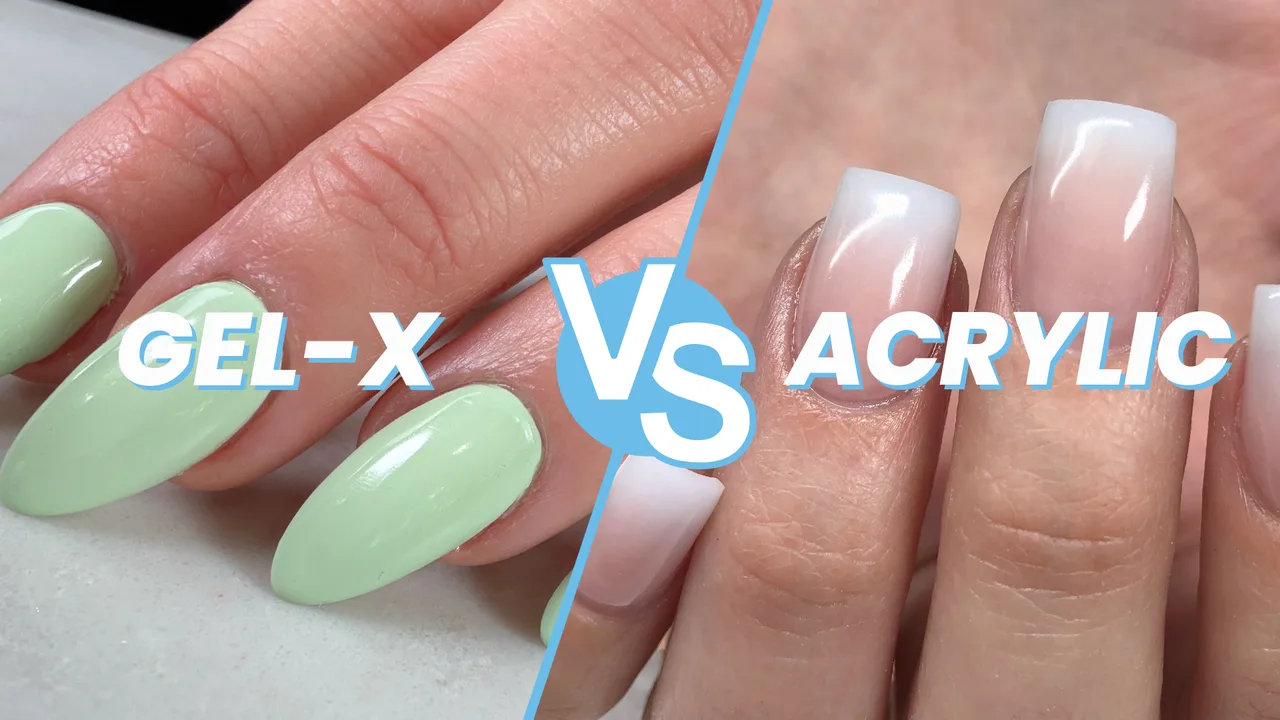
Regarding health and durability, gel nails generally pose less potential health impact but may be less durable than acrylics, which are renowned for their superior strength. This distinction significantly impacts user experience regarding wear and removal. Gel nails are considered more flexible, which places less stress on the natural nail plate. Conversely, acrylic nails provide exceptional hardness and durability, making them highly resistant to chipping and breaking. However, the removal process for acrylics often involves soaking in acetone, which can be more dehydrating to the natural nails and surrounding skin than gel removal methods.
What are the key distinctions in the application process and final appearance of gel and acrylic nails?
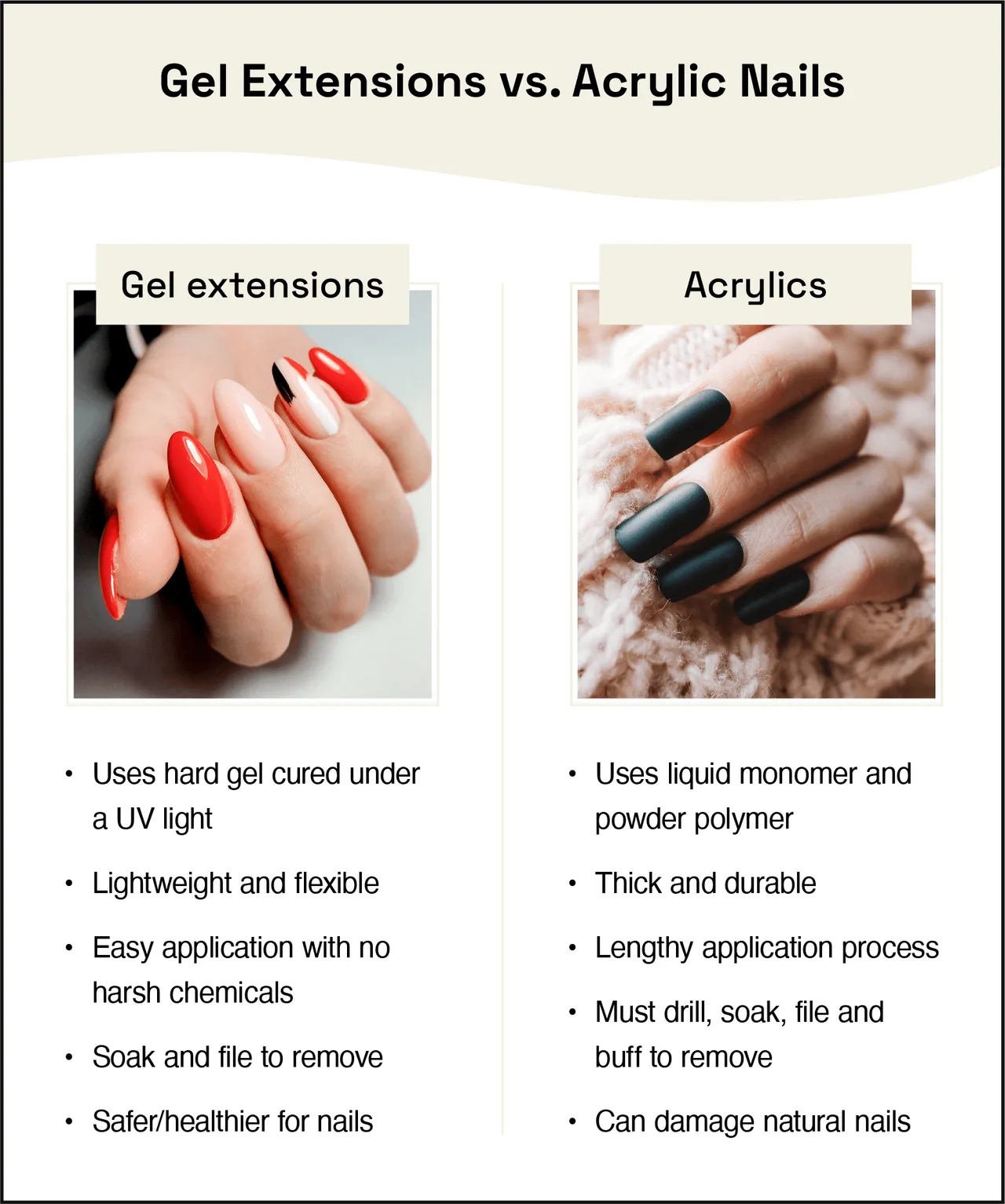
Gel nails require UV/LED light for curing and offer a natural, flexible appearance, while acrylic nails form from a liquid-powder mixture that air-dries, creating a harder, more rigid surface. Gel application involves several layers of gel cured under UV or LED light, resulting in a flexible, glossy finish. Conversely, acrylics are formed by a monomer-polymer mix that air-dries into a harder, more rigid structure. These differences dictate their aesthetic qualities and user experience. Gel nails typically present a more natural and pliable feel, contributing to their appeal for those seeking a less rigid enhancement. Conversely, acrylic nails provide significant versatility in sculpting and extending nail length, known for their exceptional strength and a broader range of artistic possibilities. Removal methods also diverge; gel nails are often soaked off or gently filed, whereas acrylics necessitate soaking in acetone, which can be a more intensive process for the natural nail.
Which nail enhancement option is best suited for specific needs and lifestyles?

The choice between gel and acrylic nails depends on individual factors such as natural nail health, desired aesthetic, maintenance commitment, and daily activities. These considerations guide the selection of the most suitable nail enhancement. Gel nails offer a natural, flexible finish, appealing to individuals seeking a less rigid enhancement. Conversely, acrylic nails provide exceptional strength and versatility in sculpting, suiting those desiring extreme durability and extensive design options. The choice also hinges on the wearer’s willingness to adhere to specific maintenance schedules and tolerance for different removal processes, as gel removal is typically gentler than acrylic removal.
What advanced considerations should be made when choosing between gel and acrylic for sensitive individuals?
For individuals with sensitivities, advanced considerations when choosing between gel and acrylic nails include specific chemical compounds and specialized, hypoallergenic product formulations. These factors directly influence the potential for allergic reactions and overall comfort during wear. Both nail enhancement types present different chemical exposures that sensitive clients must evaluate.
Are there hypoallergenic gel or acrylic options available for individuals with sensitivities?
Yes, hypoallergenic gel and acrylic options are available, developed through modified chemical formulations and careful ingredient selection to reduce the risk of reactions. These specialized products aim to reduce the likelihood of adverse reactions for individuals with known sensitivities. Hypoallergenic gel polishes often exclude ingredients like HEMA and di-HEMA trimethylhexyl dicarbamate, which are common sensitizers. Similarly, certain acrylic systems offer monomer liquids with reduced levels of methacrylate monomers, which are frequent irritants. These formulations are specifically designed to minimize potential skin and nail sensitivities.
What advanced curing methods are used for gel and acrylic nails beyond standard UV/LED?
Advanced curing methods for gel and acrylic nails go beyond standard UV/LED to include specialized lamps and innovative chemical activators. These techniques offer varied benefits, such as faster curing times or reduced heat spikes. Some gel systems now utilize pulsed light technology, which can minimize heat exposure during the curing process. Additionally, certain acrylic formulations incorporate advanced initiators that allow for quicker air-drying, reducing the need for extensive chemical interaction and fumes. These innovations aim to enhance user comfort and application efficiency.
Conclusion
Ultimately, understanding the core distinctions between gel and acrylic nails—from their chemical makeup and application to their health implications, durability, and aesthetic outcomes—is essential for making an informed choice. Gel nails offer a natural, flexible, and often gentler option, while acrylics provide superior strength, longevity, and extensive sculpting versatility. The ideal selection hinges on individual needs, desired aesthetic, maintenance commitment, and any sensitivities, ensuring the chosen enhancement aligns perfectly with personal preferences and lifestyle.